Saint Philomena: Essential Guide – 9 Key Facts and Devotions

saint philomena: history, devotion, and legacy
Among the most intriguing figures to capture Catholic devotion in the modern era is saint philomena. Celebrated as a youthful virgin martyr, her story blends archaeological discovery, pious tradition, and enduring popular piety. Whether you are exploring the roots of her cult, wondering what her intercession is sought for, or curious about how the Church understands her legacy today, this comprehensive guide offers a clear, balanced, and friendly overview.
Below, you will find the essential background to saint philomena, the symbols associated with her, how to approach devotion in a grounded way, and what reputable sources say about her place in Catholic life. You will also find practical ideas for prayer, common misunderstandings to avoid, and answers to frequently asked questions.
Who was saint philomena?
Saint philomena is traditionally honoured in the Catholic Church as a virgin martyr from the early centuries of Christianity. While her precise historical details are not documented in the way of some other saints, the devotion to her rests significantly on the 1802 discovery of a tomb in the Roman catacombs. The tomb bore an inscription interpreted as “Filumena” and contained martyr symbols such as anchors and palm branches. From the early nineteenth century, reports of favours and healings spread widely, and the name of saint philomena quickly became associated with youthful courage, purity, and powerful intercession.
What is striking about saint philomena is not only the story told about her life and martyrdom, but the extraordinary popular devotion that followed. Shrines, chapels, and confraternities dedicated to her sprang up in Europe and beyond. Many Catholics, including well-known figures such as St John Vianney, encouraged trust in her prayers. The devotion grew swiftly and was marked by numerous testimonies of spiritual and physical benefits.
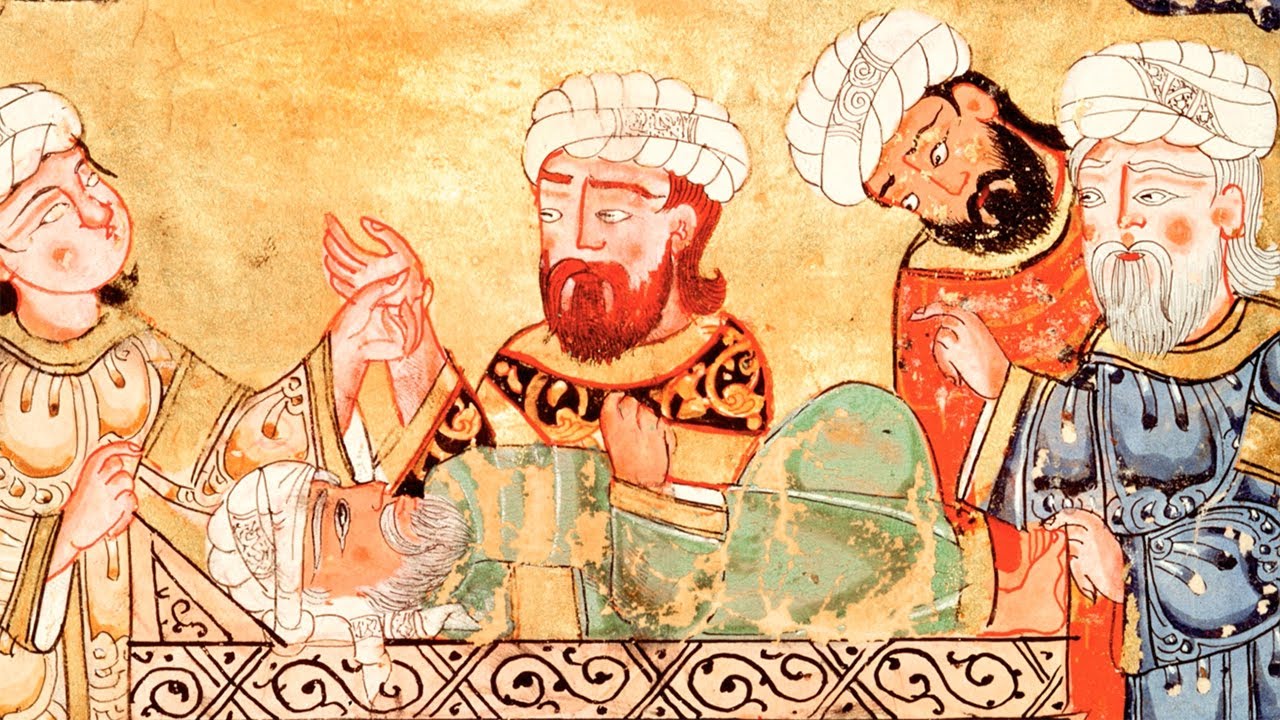

The discovery and early devotion to saint philomena
In 1802, excavators working in the catacombs of Priscilla in Rome identified a small loculus (burial niche) sealed with tiles. The fragments were arranged in a way that read “Lumena Pax Te Cum Fi,” which were re-ordered as “Pax tecum Filumena” (“Peace be with you, Philomena”). Accompanying images—such as the anchor, palm, and arrows—led many to conclude that the tomb belonged to a martyr, possibly a young girl. The remains were translated to Mugnano del Cardinale in southern Italy in 1805, where a sanctuary soon became a focal point of pilgrimage.
Accounts of remarkable favours circulated rapidly. Among the most notable early witnesses was Pauline-Marie Jaricot, a French laywoman linked to missionary support and the Rosary revival, who experienced a restoration of health attributed to Philomena’s intercession. News of similar favours helped to establish saint philomena as a beloved intercessor for the sick, the poor, and those facing difficult or seemingly impossible situations.
What saint philomena is known for
In popular devotion, saint philomena is often invoked for:
- Healing of physical illnesses and recovery from serious conditions
- Assistance in difficult trials and “impossible” cases
- Protection of the young, including students and children
- Perseverance in purity and courage in faith
While devotions vary by region, many Catholics pray novenas to saint philomena, keep a small devotional image or medal, or visit churches where she is honoured. Some also pray a chaplet dedicated to her, reflecting on virtues such as humility, faith, and steadfast love of God.
Church perspectives on saint philomena
The Church’s approach to saint philomena demonstrates both prudence and pastoral sensitivity. In the nineteenth century, popes authorised liturgical honours in certain places, recognising the widespread devotion to her. In the twentieth century, especially during liturgical reforms, her feast was removed from the universal Roman calendar to ensure historical clarity and simplicity across the global Church. Importantly, this did not prohibit private or local devotion.
Put simply, the Church today neither dismisses devotion to saint philomena nor mandates it. Rather, she invites the faithful to approach devotion with a well-formed conscience, avoiding superstition or overstatement, while remaining free to seek the prayers of a saint whom many have loved and from whom many believe they have received help.
Legends and the question of history around saint philomena
The story often told about saint philomena includes elements such as a vow of virginity, an imperial suitor, imprisonment and torture, and miraculous protection before martyrdom. These details owe much to later devotional narratives and reported private revelations rather than contemporary historical documents. As a result, not every element of the popular story is considered historically verifiable.
That said, the heart of the devotion is not mere curiosity about dates and dossiers. Instead, it is the belief that a young Christian martyr—honoured under the name Philomena—intercedes for the faithful with tenderness and power. For many, the simple witness of a childlike yet heroic trust in Christ is what makes saint philomena both moving and relevant.
Iconography: how to recognise saint philomena
Artists tend to depict Philomena as a young girl or teenager, often carrying signs linked to martyrdom and hope. Common symbols include:
- Anchor: a symbol of hope and steadfastness in trial
- Palm branch: the classic emblem of martyrdom and victory over death
- Arrows: recalling accounts of tortures in her legend
- Lilies or a wreath: purity and youthful holiness
Even if you encounter varied artistic styles—Baroque, folk, or modern—the presence of the anchor and palm, combined with a youthful figure, will often suggest saint philomena.
How to approach devotion to saint philomena in a grounded way
Devotion flourishes most when it is rooted in Christ and integrated into ordinary Christian practice. Consider these suggestions:
- Begin with a simple prayer: Ask God to grant you the virtues associated with saint philomena—purity of heart, courage in trials, and persevering hope.
- Pray a novena: A nine-day prayer can focus intention and cultivate patience. Many novena texts exist; choose one that is Christ-centred and free of exaggerated claims.
- Attend Mass and receive the sacraments: Devotion to the saints complements, but never replaces, the sacraments. Uniting your prayers to the Eucharist brings balance and depth.
- Practise charity: Offer a concrete act of kindness during your novena—help someone in need, give alms, or volunteer. Love in action deepens any devotion.
- Use sacramentals wisely: A medal or image can remind you to pray, but treat such items respectfully and avoid superstitious attitudes.
As Jesus taught, authentic faith also flavours everyday life. For a short reflection on living faith in practical ways, you may enjoy this related article: you are the salt of the earth.
Common mistakes to avoid when honouring saint philomena
- Reducing devotion to a transaction: Prayer is conversation and communion with God; it is not a guarantee of a specific outcome.
- Neglecting the sacraments: The saints lead us to Christ—especially through the Eucharist and Reconciliation.
- Overemphasising legends: Enjoy traditional stories, but hold them lightly. Focus on virtue, not sensational details.
- Forgetting gratitude: If you receive an answer or a grace, thank God and look for ways to bless others in turn.
What can modern believers learn from saint philomena?
In an age that prizes visibility and achievement, saint philomena embodies a quiet, hidden holiness. Her youth speaks to the dignity and calling of every person, including children and teenagers, to live with purpose and purity. Her martyr symbolism reminds us that love sometimes demands sacrifice—and that Christian hope outlasts suffering.
Additionally, the very story of her emergence—from an obscure catacomb to global recognition—offers a parable of how God can use what is small and hidden to touch countless lives. For adults navigating complex responsibilities, Philomena’s simplicity shows that sanctity is less about headlines and more about fidelity in the moment at hand.
Patronage and when to celebrate saint philomena
Traditionally, her feast day was observed on 11 August in various places. Although not on the universal Roman calendar today, local calendars and individual parishes may still mark the day. Many faithful honour saint philomena throughout the year, choosing a particular time—such as a novena beginning nine days before 11 August—to seek her prayers for children, students, and those facing serious illness or injustice.
How to introduce children and godchildren to saint philomena
If you are a parent, grandparent, or godparent, you can present Philomena as a model of youthful trust in God. Keep the emphasis on virtues: honesty, kindness, courage, and prayer. A short bedtime prayer asking her intercession can be a gentle way to nurture faith. Those preparing for Baptism or Confirmation may also choose a patron saint as an inspiration for their life of grace; for background on the role of sponsors, see this succinct resource: what is a godfather?.
Historical timeline: key moments in the story of saint philomena
- Early 4th century (traditionally): Period in which many virgin martyrs suffered; some place Philomena here by association.
- 1802: Discovery of the inscribed tomb in the catacombs of Priscilla, Rome.
- 1805: Translation of relics to Mugnano del Cardinale, Italy; devotion spreads.
- 1830s: Reports of extraordinary favours, including well-known cures, help devotion flourish.
- 19th century: Popes permit liturgical honours in certain places; confraternities form.
- 1960s: Liturgical reforms remove the feast from the universal calendar, while private and local devotion continues.
- Today: Shrines, parishes, and individuals worldwide continue to honour saint philomena, seeking her intercession.
Practical prayers and the chaplet of saint philomena
If you would like to begin today, here is a simple prayer:
“Lord Jesus Christ, source of all holiness, grant me through the prayers of saint philomena the grace to love you with a pure and courageous heart. May her example inspire me to live faithfully, serve generously, and hope steadfastly. Amen.”
Those who prefer structured devotion can use a chaplet dedicated to Philomena, typically focusing on petitions for purity, faith, and perseverance. Combine it with a short reading from Scripture (for example, Psalm 27 on confidence in God, or Romans 5 on hope in suffering) to keep your prayer firmly grounded in the Word of God.
Balancing faith and reason in devotion to saint philomena
Catholic tradition values both informed faith and generous devotion. Regarding saint philomena, it is wise to consult reputable sources that explain what is known archaeologically and historically, alongside pastoral reflections on her cult. You can find a fair overview with references on Wikipedia’s article on Philomena, and you may also appreciate the historical perspective offered by the Catholic Encyclopedia entry on St. Philomena. For devotional materials and testimonies, trusted Catholic media such as EWTN’s profile of St. Philomena provide context aligned with Church teaching.
Recommended external resources
- General background on Philomena, including history and devotion
- Catholic Encyclopedia: historical notes on St. Philomena
- EWTN: devotional overview and saint profile
Related articles
Frequently asked questions about saint philomena
Is saint philomena officially recognised by the Catholic Church?
Yes, in the sense that the Church has historically permitted and continues to permit devotion to her, especially in local contexts. However, her feast is not included in the universal Roman calendar today. This reflects the Church’s effort to streamline the calendar and emphasise saints whose historical records are clearer, rather than a condemnation of her cult. Many shrines and faithful continue to honour her legitimately.
What is the best way to start a devotion to saint philomena?
Begin simply: choose a brief daily prayer asking for her intercession, and pair it with a practical act of charity. If you wish, pray a nine-day novena, ideally alongside Mass attendance or time before the Blessed Sacrament. A small image or medal can prompt you to pray during the day. Keep your focus on Christ, letting Philomena’s example and prayers support your journey of faith.
For what intentions is saint philomena most often invoked?
People commonly ask her intercession for healing from illness, help in urgent or difficult cases, protection for children and students, and growth in purity and courage. Many also request perseverance in hope during long-term trials.
Are the legendary stories about saint philomena historically certain?
No. Much of what is popularly told about her life and martyrdom comes from devotional narratives and later accounts rather than contemporary historical documentation. That said, the devotion rests on a combination of archaeological discovery, sustained piety, and numerous testimonies of favours received. The Church encourages a balanced approach: reverence without credulity, faith without superstition.
What symbols identify saint philomena in art?
Look for a young female saint with an anchor, palm branch, arrows, and sometimes lilies. These symbols speak of hope, martyrdom, and purity. They emerged from the earliest associations with the catacomb tomb and the devotional tradition that followed.
When is the feast of saint philomena?
Traditionally, many places celebrated her on 11 August. While not universally observed, local communities and individuals may still mark the date with prayer or a novena leading up to it.
Is it appropriate for children or teenagers to adopt Philomena as a patron?
Yes. Because she is honoured as a youthful martyr, she is often proposed as a model for young people learning to live with integrity, kindness, and courage. Parents and godparents can gently introduce her through stories that emphasise virtue and trust in God.
Conclusion on saint philomena
From a quiet catacomb in Rome to a flourishing worldwide devotion, saint philomena continues to inspire believers with a humble yet compelling witness. Though some details of her story are not historically verified, her legacy as a symbol of youthful courage, purity, and hope in Christ remains strong. Equally important, the Church leaves room for personal and local devotion, inviting the faithful to honour Philomena in ways that are rooted in Scripture, the sacraments, and charity.
If you are drawn to saint philomena, begin simply: pray with sincerity, practise kindness, and attend to the ordinary duties of each day. Allow her example to remind you that love is brave, virtue is beautiful, and hope endures through trials. In this way, devotion to Philomena becomes a pathway—quiet, steady, and Christ-centred—towards deeper faith and generous service.
Whether you ask her intercession for healing, for courage, or for the protection of the young, may saint philomena lead you closer to the heart of Jesus, who makes saints of all who trust in him.
