Prayer to Saint Philomena: Complete, Essential Guide and 9-Day Novena
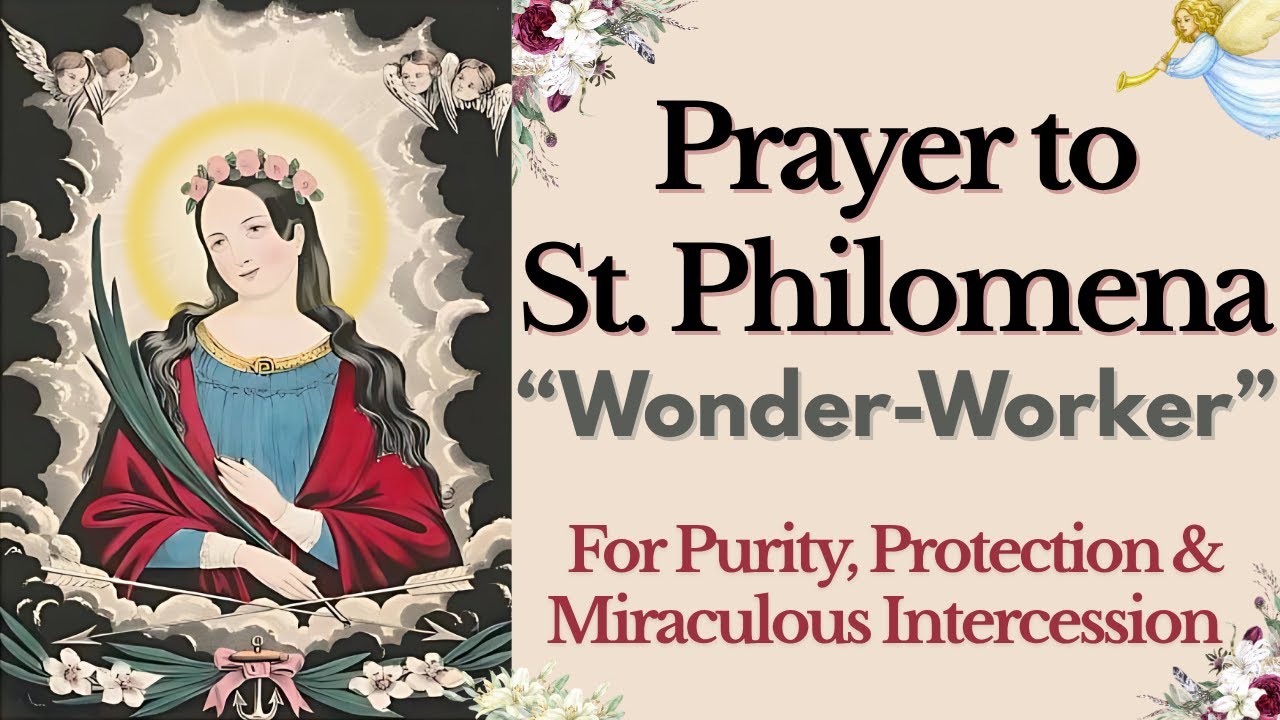
Prayer to Saint Philomena: meaning, traditions, and how to pray
For many Christians, especially within the Catholic tradition, prayer to saint philomena is a simple, heartfelt way to seek help, courage, and purity of heart in everyday life. This devotion centres on a young early-Christian martyr whose story has inspired generations with themes of steadfast faith, innocence, and trust in God’s care. Whether you are new to this devotion or returning to it, this guide will help you understand what it is, why it matters, and how to make it meaningful in your own routine.
At its core, prayer to saint philomena is not about magic words; it is a personal conversation with God, asking for Saint Philomena’s intercession. People often turn to this saint in times of difficulty, especially for strength to resist temptation, for the healing of relationships, and for perseverance through challenges. The aim is not to replace your regular prayer life but to enrich it with a specific focus on a youthful, hope-filled witness to the Gospel.
In the following sections, we will look at Saint Philomena’s story and symbols, explore practical ways to pray (from brief daily prayers to a nine-day novena), and address common questions. Along the way, you will find sample texts you can adapt, as well as tips for fitting this devotion naturally into your life.
Who is Saint Philomena? Background and significance
Saint Philomena is traditionally honoured as a young virgin martyr from the early centuries of the Church. In 1802, a tomb bearing symbolic inscriptions was discovered in the Roman catacombs, and over time devotion to the saint associated with these remains grew rapidly. While aspects of her historical biography have been debated by scholars, the devotion endures because of the spiritual fruits many believers report from their prayer and because saints such as John Vianney (the Curé of Ars) encouraged trust in her intercession.


This context helps explain why a prayer to saint philomena focuses so often on purity of intention, courage in hardship, and childlike confidence in God. The saint’s imagery typically includes a palm (for martyrdom), an anchor (for hope), and arrows (for the trials she endured). Her memorial is commonly observed on 11 August in places where she is publicly venerated.
Why people turn to a prayer to saint philomena
People seek out this devotion for a variety of reasons, but several themes recur. First is hope: many find that a short daily prayer to saint philomena lifts their spirits and keeps them looking forward, even when problems do not disappear instantly. Second is moral courage: those navigating temptation or social pressure appreciate the example of a young saint who chose goodness over easy options. Third is perseverance: believers often pray for steadfastness in illness, study, work, or family tension.
Just as importantly, a prayer to saint philomena can nurture a more childlike trust in God. The saint’s youthful witness reminds us that holiness is not distant or gloomy; it is practical and rooted in daily choices, in being faithful in small things, and in relying on grace. Because Philomena’s story is closely associated with innocence and quiet strength, many find this devotion especially supportive for teenagers, young adults, catechumens, and anyone beginning a new chapter of life.
How to begin a prayer to saint philomena
Starting is easier than you might think. You need no special objects, only a sincere heart. Here is a straightforward way to begin and keep your prayer to saint philomena focused and peaceful.
- Set your intention. In one or two sentences, say why you are praying. For example: “I’m anxious about work. Please help me act with honesty and courage.” Keeping your intention clear helps your prayer to saint philomena remain grounded and realistic.
- Invite God’s presence. Make the Sign of the Cross if that is your practice, or simply say, “Lord, I know you are here.” Remember that any prayer to a saint is always directed through Christ, asking the saint to pray for you before God.
- Ask for intercession. Address Philomena respectfully and briefly. A simple, honest petition is best.
- Be still for a moment. A few quiet breaths can help you listen. Give space to any thought, nudge, or word of Scripture that comes to mind.
- Close with gratitude. Thank God for hearing you, and if you like, add a familiar prayer such as the Our Father or Glory Be.
Traditional prayers to Saint Philomena (and original examples)
There are many ways to pray, from traditional invocations to personal words from the heart. Below are original, short forms you can adapt. If you prefer established texts, you will find several in books of popular devotions and on reputable Catholic websites.
Short prayer to saint philomena for daily trust
Saint Philomena, gentle friend and steadfast witness, please pray for me today. Help me to be pure in intention, brave in trial, and joyful in duty. Ask the Lord to strengthen my hope and guide my steps in charity. Amen.
Evening prayer to saint philomena for protection
Saint Philomena, I entrust this day to God’s mercy. Where I fell short, obtain for me forgiveness; where I tried, obtain for me perseverance. Watch over me this night, that I may rise tomorrow ready to love and to serve. Amen.
Family prayer to saint philomena
Saint Philomena, example of youthful faith, keep our family united in kindness and patience. Intercede for our needs (pause to mention them). May we support one another, honour God in our words and choices, and grow in peace. Amen.
Prayer to Saint Philomena for students and workers
Saint Philomena, patron of hope, stand with me in my studies and work. Help me to focus, act with integrity, and use my gifts for the good of others. Lead me closer to Christ, the source of wisdom and strength. Amen.
A simple novena: nine-day prayer to saint philomena
A novena is a nine-day period of focused prayer. Many people find that a structured novena deepens their attention and opens them to God’s timing. Here is a simple pattern you can use for a novena prayer to saint philomena, keeping it gentle and realistic.
- Choose a time and place. Ten quiet minutes daily is enough. Keep it the same each day.
- Begin with a short intention. Speak aloud your main need, and entrust it to God’s wisdom and love.
- Read a brief Scripture verse. For example, a verse on hope or courage. Let one phrase stay with you.
- Say your prayer to saint philomena. Use one of the examples above or your own words, and end with the Our Father or Glory Be.
- Note one small action. Each day, choose a practical step that expresses your trust (e.g., an act of kindness, a task you’ve been avoiding, or a moment of reconciliation).
Suggested daily themes can help you stay focused:
- Day 1: Hope when outcomes are uncertain
- Day 2: Purity of intention at work or study
- Day 3: Perseverance in difficulty
- Day 4: Joy in small duties
- Day 5: Courage to make good choices
- Day 6: Healing in family relationships
- Day 7: Patience while waiting
- Day 8: Gratitude for quiet blessings
- Day 9: Surrender to God’s will
After nine days, you can continue with a simple daily prayer to saint philomena or rest for a while and return to the novena later. Remember, the goal is not to compel outcomes but to grow in trust and love.
Integrating a prayer to saint philomena into daily life
Consistency beats intensity. Rather than lengthy devotions that are hard to sustain, try brief, regular moments of prayer to saint philomena. Here are some practical ideas:
- Morning check-in: Two or three lines as you start your day, asking for purity of intention and steadiness.
- Midday pause: A 30-second prayer for courage or patience before a meeting or class.
- Evening review: A thank you for particular graces received, and an honest reflection on where you need help tomorrow.
- Visual cue: A small image or card (kept discreetly on your desk or in your wallet) to remind you to pray.
- Pair with a virtue: Each week, choose a virtue (hope, humility, charity) and ask Saint Philomena to help you practise it.
If you are deepening your understanding of Christian discipleship, you may also appreciate this explanation of a well-known Gospel image: meaning of “you are the salt of the earth”. It connects naturally with the courage and witness associated with Saint Philomena.
Common mistakes when approaching a prayer to saint philomena
It is easy to feel discouraged if answers seem slow. Here are a few pitfalls to avoid so your devotion remains balanced.
- Treating prayer like a transaction. Prayer to saint philomena is not a bargain; it is a relationship. Be open to God’s timing and the form in which help arrives.
- Focusing only on outcomes. Ask for what you need, of course, but also ask for the grace to grow: patience, wisdom, or courage. These may be the deeper answers you are given.
- Overloading your routine. Choose one or two simple practices and keep them faithfully. Depth matters more than quantity.
- Praying alone when support would help. Consider inviting a friend to join you in a novena, or ask a mentor to pray for your intention too.
Symbols, places, and dates associated with Saint Philomena
The symbols commonly linked with Saint Philomena include the lily (purity), the palm (martyrdom), the anchor (hope), and arrows (her trials). Her relics have been historically associated with a shrine in Mugnano del Cardinale, Italy, which became a centre of devotion in the nineteenth century. Her witness to purity of heart makes her a quiet but timely companion for families and sponsors preparing children for the sacraments; if you are exploring the role of sponsors, this overview may be useful: what is a godfather.
How to personalise your prayer (and keep it sincere)
Authenticity keeps prayer alive. Here are a few ways to make your prayer to saint philomena truly your own, without losing the clarity of the tradition.
- Use your own words. Even when following a guide, speak personally. If you are worried, say so. If you are grateful, say what for.
- Pray with Scripture. Choose one short verse (e.g., “Be strong and courageous,” Joshua 1:9) and let it shape your request.
- Link prayer to action. Each petition can inspire a small step—an apology, an act of service, or a firm decision to avoid a known temptation.
- Review gently. Every week or so, look back: what has changed in your heart? Where do you see new strength or peace?
Recommended external resources
If you would like to read more about Saint Philomena’s history and the development of her devotion, these resources are a helpful starting point:
- Background and overview of Saint Philomena on Wikipedia
- Catholic Encyclopedia article on Saint Philomena (New Advent)
- Short biography and reflections from Catholic News Agency
These pages provide historical context, theological perspective, and examples of how the devotion developed over time. As always, let trusted, well-sourced material guide your understanding, and keep your personal prayer to saint philomena grounded in Scripture and the wider life of the Church.
Frequently asked questions about prayer to saint philomena
Is it acceptable to pray to a saint instead of praying directly to God?
In Christian teaching, especially within Catholic tradition, asking a saint to pray for you is like asking a trusted friend to intercede. You are not worshipping the saint; you are requesting their prayers before God. Your prayer to Saint Philomena is therefore directed through Christ, with Philomena’s help as an intercessor.
How long should a daily prayer take?
Start small. One to three minutes is enough to set your intention, ask for intercession, and close with gratitude. Over time, you may naturally pray for longer or add a short reading from Scripture.
Can I say a novena at any time, or must it start on a specific date?
You can begin a novena whenever you wish. Some people choose to start nine days before a particular feast (for example, leading up to 11 August), but what matters most is consistency and sincerity.
What if my request is not granted?
Prayer is not a guarantee of specific outcomes. Often, the first answers we receive are interior: peace, clarity, or courage. Keep your prayer to saint philomena focused on trust and growth, and be open to ways God may be working beyond what you can see now.
Do I need a statue or relic to pray?
No. Sacred images can remind you to pray and help you focus, but they are not required. Your heart, your intention, and the decision to turn to God are what matter most.
Can families and children join in this devotion?
Yes. Because Saint Philomena’s witness highlights purity of heart and steadfastness, many families find her a helpful companion in shared evening prayers or during times of change (new school year, moving home, welcoming a new baby).
Conclusion on prayer to saint philomena
At its best, prayer to saint philomena is a quiet school of hope. It invites you to bring your concerns honestly to God, with the help of a young saint who models courage, purity of intention, and cheerful perseverance. Whether you choose a short daily prayer, a weekly pause, or a nine-day novena, the aim is the same: to grow in trust and to live the Gospel more faithfully.
Keep your practice simple and sincere. Start with a clear intention, ask for Saint Philomena’s intercession, and let Scripture and small daily actions shape your response. Over time, prayer to saint philomena can help you notice subtle changes—more patience, a steadier heart, or the courage to choose the good when it is costly.
If you are just beginning, choose one short form and commit to it daily for a week. If you are returning after a break, be gentle with yourself and begin again today. In every case, let this devotion draw you closer to Christ, the true source of all hope and peace, through the faithful intercession of Saint Philomena.
