Why Do Muslims Wear Hijabs? 7 insights you need to know
Why Do Muslims Wear Hijabs?
🌍 The hijab, often symbolizing modesty and religious devotion, raises intriguing questions about its significance among Muslim women. So, why do Muslims wear hijabs? Let’s explore this cultural practice that combines spirituality, identity, and empowerment.
The Definition and Types of Hijabs
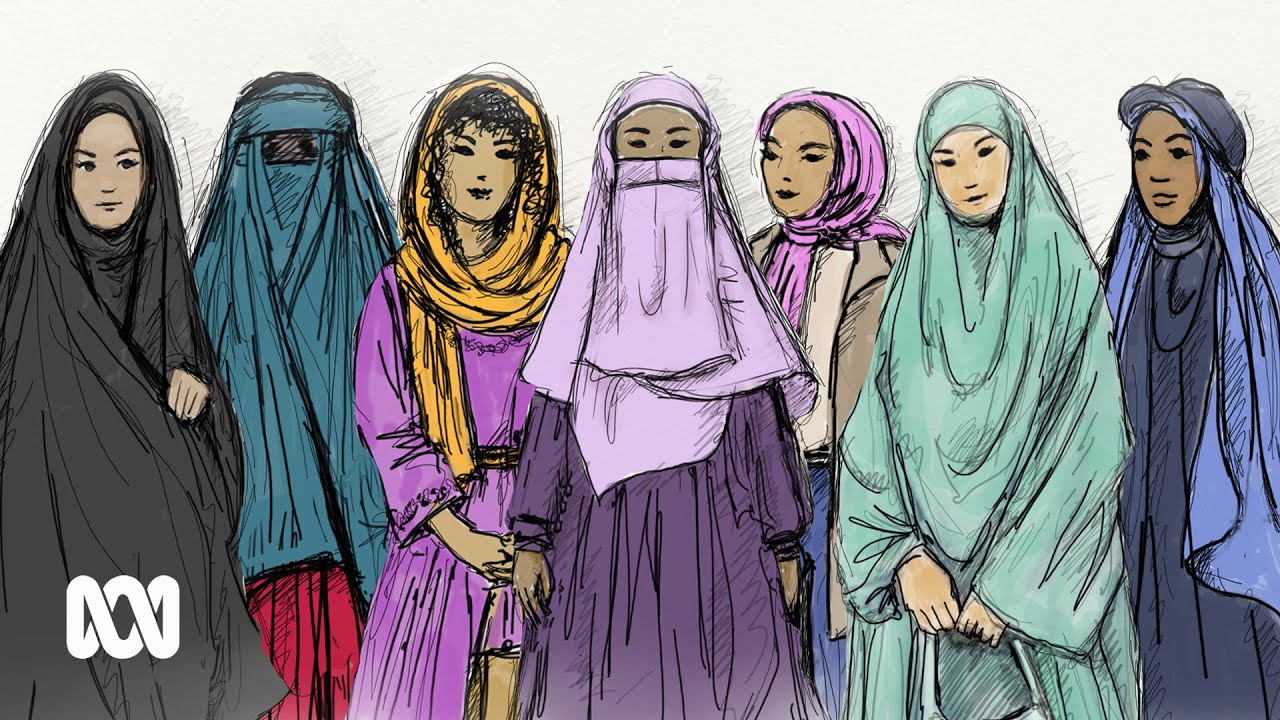
The term “hijab” generally refers to head-covering garments worn by Muslim women. However, it encompasses various styles, including:
- Hijab: A scarf that covers the hair and neck.
- Chador: A full-body cloak worn in Iran and other regions.
- Niqab: A veil that covers the face, leaving only the eyes visible.
- Burqa: A full-body covering with a mesh screen for the eyes.
Each type has its own cultural significance and interpretation of modesty, showcasing the diversity within the Muslim community.
Spiritual Significance
At its core, wearing a hijab represents a woman’s commitment to her faith. Many Muslim women wear it as an expression of their devotion to Islam, following teachings found in the Qur’an. The Quran emphasizes modesty, instructing both men and women to dress in a way that reflects their dignity.


For instance, the verse Surah An-Nur 24:30-31 encourages women to draw their veils over their bosoms, promoting the ideals of modesty and respect.
Cultural Identity
Besides its religious connotation, the hijab serves as a marker of cultural identity. Muslim women across various countries, including Turkey, Egypt, and Indonesia, wear hijabs in styles that reflect their local traditions. For many, it becomes a symbol of pride and belonging in a global Muslim community.
Unlike ordinary fashion choices, wearing a hijab embodies a connection to heritage and personal history, offering an enriching cultural narrative.
Empowerment and Feminism
Wearing a hijab can be empowering. Many women assert that choosing to wear the hijab allows them to define their identity on their terms. Rather than seeing the hijab as a symbol of oppression, many perceive it as an act of defiance against societal beauty standards.
For example, Yasmin Mogahed, an influential speaker, emphasizes that the hijab allows women to prioritize their inner beauty over societal approval. Some women even cite that wearing a hijab has enhanced their confidence and self-esteem.
Reasons Behind Wearing Hijabs
Several key reasons motivate the choice to wear a hijab:
- Religious Obligation: For many, it’s a command from God.
- Personal Choice: Many women opt for it as a symbol of autonomy.
- Comfort and Freedom: The hijab can offer a sense of freedom from judgment based on appearances.
- Family and Tradition: Many women wear it as part of family customs or regional culture.
Complementary Accessories and Tools
While discussing why do Muslims wear hijabs, it’s crucial to explore complementary accessories and tools that enhance the experience:
- Stylish pins and brooches for securing hijabs.
- Soft, breathable fabrics for comfort.
- Colorful underscarves to prevent slipping.
- Hijab styling tutorials, such as those found on platforms like YouTube.
- Online hijab shops featuring diverse options.
- Social media groups fostering a supportive community.
- Apps for inspiration and hijab styling.
Using Breathing-Friendly Fabrics
When considering why do Muslims wear hijabs, the choice of fabric can greatly affect comfort, especially in warmer climates. Opting for breathable materials like cotton or chiffon can make a significant difference.
- Soft and lightweight for comfort.
- Promotes airflow and prevents overheating.
- Available in various colors and patterns to suit personal styles.
- Easy to wash and maintain, providing practicality.
By incorporating breathable fabrics into their hijab choices, women can maintain modesty while ensuring maximum comfort.
Exploring Under Scarves
Another way to enhance the hijab experience is through the use of underscarves. These accessories secure the hijab in place and add an extra layer of comfort:
- Prevents slipping, ensuring the hijab remains in place.
- Adds a layer of warmth in colder climates.
- Available in various styles to suit personal preferences.
- Allows for creative layering, enhancing overall appearance.
By integrating under scarves into their hijab styles, women can maximize their comfort and elevate their fashion game.
Styling Tutorials
Using video tutorials or online guides can significantly enhance the way women style their hijabs. By learning different wrapping techniques and styles, they can express individuality without compromising modesty.
Videos on platforms like YouTube provide practical guidance, making it easier for women to find what works best for them.
Consider adapting different styles for various occasions—formal events, casual outings, or daily wear. With the right tutorial, the possibilities are limitless!
Community Engagement and Support
Engaging with online communities focused on hijab wearing can provide inspiration and a sense of belonging. Platforms like Facebook Groups allow women to share their experiences, receive advice, and connect with others who share similar values.
This supportive environment fosters a sense of empowerment, which is a vital aspect of wearing a hijab confidently.
Apps and Resources for Inspiration
Several mobile apps offer insights and daily inspiration for hijab styling. Apps like Stylebook allow users to create virtual outfits and experiment with different hijab styles and fabrics.
Utilizing these resources makes it easier to stay updated on trends while ensuring the wearer’s unique personal style shines through.
Maintaining Respectful Dialogue
When discussing why do Muslims wear hijabs, it’s important to approach the topic with sensitivity. Public perceptions may vary widely, and misinformation can lead to negative stereotypes. Respectful conversations surrounding the hijab will help promote understanding and deepen appreciation for the cultural practices of others.
The Global Impact of Hijab Wearing
The hijab has evolved beyond personal and religious significance. It has become a point of cultural exchange and dialogue among various communities. The act of wearing a hijab can pave the way for discussions about feminism, identity, and diversity, enriching the broader cultural landscape.
Conclusion
In summary, understanding why do Muslims wear hijabs involves delving into a rich tapestry of faith, cultural identity, and self-empowerment. As society becomes increasingly diverse, the hijab offers a unique perspective on personal expression and community recognition. Whether through religious observance or personal choice, the hijab stands as a testament to the multifaceted nature of identity.
Understanding the Significance
Have you ever wondered why do Muslims wear hijabs? 🧕 This topic often evokes curiosity and diverse opinions. The hijab, a modest headscarf worn by many Muslim women, symbolizes various aspects ranging from faith to cultural identity. Understanding the significance of the hijab can help foster respect and appreciation for diverse traditions.
Religious Mandate
One of the primary reasons why do Muslims wear hijabs is rooted in religious beliefs. In Islam, modesty is a critical principle that extends to both men and women. The Quran emphasizes the importance of modest dressing and behavior, stating in Surah An-Nur (24:30-31) that women should draw their veils over their chests and not display their adornment except to their husbands and immediate family.
Cultural Identity
Wearing a hijab is not only a matter of religious observance but also a significant expression of cultural identity. In many cultures, the hijab is seen as a way for women to represent their heritage and community. Compared to Western dress, which can often emphasize appearance, the hijab promotes a sense of unity and belonging among Muslim women. As many women affirm, “The hijab empowers me to embrace my identity.”
Varieties of Hijabs
The term “hijab” encompasses various styles, each reflecting individual choice and cultural background.
Types of Hijabs
- Hijab: The most common type, covering the hair, neck, and often the shoulders.
- Chador: A full-body cloak worn in some countries like Iran, sometimes paired with a headscarf.
- Niqab: A face-covering veil that leaves only the eyes visible.
- Burqa: A full-body covering with a mesh screen for the eyes, prevalent in Afghanistan.
Each of these styles serves the purpose of modesty but also allows for personal expression through choice of colors and fabrics, demonstrating that the hijab is more than just a religious requirement.
Reasons Behind The Choice to Wear Hijab
Women choose to wear the hijab for various reasons—often deeply personal and multifaceted.
Personal Empowerment
Many women describe wearing a hijab as an empowering choice. It allows them to assert their identity and autonomy in a world that often objectifies women. Unlike secular fashion trends that may pressure women to conform, the hijab enables them to define their standards of beauty and self-worth. They often feel liberated from societal expectations that dictate how they should look.
Spiritual Connection
For numerous Muslim women, wearing a hijab strengthens their spiritual connection to Islam. The act of covering one’s hair and wearing modest clothing serves as a constant reminder of their faith and commitment to Islamic teachings. By choosing to wear the hijab, many feel closer to their faith and community.
Social Statements
In some societal contexts, choosing to wear the hijab can be a powerful social statement. Women may don the hijab as a form of resistance against prejudices or societal norms that may be demeaning. By wearing it confidently, they challenge stereotypes and prejudices associated with the Muslim community.
Complementary Benefits of Wearing Hijabs
Moreover, the hijab can be complemented effectively with various accessories and tools that enhance both its utility and the wearer’s experience. Here are some ideas:
- Hats and Caps: These can be worn beneath the hijab for extra warmth during colder months, providing a layer of insulation.
- Scarves: Different styles of scarves can add color and variety, enhancing the overall appearance while maintaining modesty.
- Jewelry: Minimalistic jewelry can be paired to express personal style without overshadowing the hijab.
- Sun Protection Products: Using protective sunscreen, especially on facial areas not covered by the hijab, is essential for skincare.
- Fashionable Tops: Modest clothing brands offer stylish tops that complement the hijab while adhering to modesty standards.
- Underscarves: These specially designed caps can help keep the hijab in place, providing comfort and security.
- Hair Products: Utilizing hair oils and treatments prior to wearing the hijab can accentuate hair health.
- Online Styling Tools: Consider platforms like Seamly to explore modest clothing styles that pair seamlessly with hijabs.
- Yoga and Fitness Apparel: Brands like Lululemon offer modest workout clothing, encouraging active lifestyles while adhering to modesty.
- Color Coordination Apps: Using apps to find color coordinating hijabs with outfits can enhance visual appeal—consider apps like Canva for extensive design options.
Breakdown of Complementary Tools
- Seamly:
- Offers unique modest fashion styles designed specifically for hijab wearers.
- Features a wide variety of breathable fabrics, ideal for different climates.
- Encourages users to express individuality while maintaining modesty principles.
- Provides an easy shopping experience, ensuring accessibility to all.
- Lululemon:
- Provides high-quality, comfortable fitness clothing that respects modesty.
- Focuses on durable fabric technology suitable for various physical activities.
- Encourages wellness, aligning with holistic health practices embraced in many Muslim cultures.
- Offers inclusivity with diverse size ranges catering to all body types.
Misconceptions About Hijabs
Despite the many benefits of the hijab, misconceptions still persist. It’s essential to address these misunderstandings to promote a more informed view of why do Muslims wear hijabs.
Coercion vs. Choice
One of the most prevalent misconceptions is that women who wear hijabs are forced to do so. In reality, many Muslim women willingly choose to wear the hijab as an expression of their faith and individuality. Each person’s relationship with their hijab can be deeply personal, differing according to individual beliefs and circumstances.
Symbol of Oppression?
Some perceive the hijab as a symbol of oppression. However, numerous Muslim women contest this notion, stating that the hijab represents empowerment through personal choice. By reclaiming this symbol, they challenge societal norms dictating how women should dress.
Learning Through Stories
Personal narratives often reveal the nuanced relationship women have with their hijabs. Stories circulated on social media platforms highlight how the hijab positively impacts women’s lives—showcasing their struggles and triumphs while navigating societal expectations.
Conclusion
The act of wearing a hijab encompasses a multitude of aspects, including religious devotion, cultural expression, personal empowerment, and social advocacy. As we seek to understand the reasons behind why do Muslims wear hijabs, it becomes apparent that it’s about much more than merely a piece of cloth. It’s a dynamic and multifaceted symbol of identity that empowers countless women worldwide. By recognizing and respecting these narratives, we contribute to a more inclusive and understanding society.
Why Do Muslims Wear Hijabs? A Deep Dive
Wearing a hijab is more than just a clothing choice; it carries cultural, religious, and personal significance for many Muslim women around the world. 🌍 Understanding the reasons behind this practice can provide deeper insights into the values and beliefs that shape Muslim identity. In this article, we will explore the historical context, religious significance, and the various manifestations of hijabs while also discussing how they compare to similar garments.
Historical Context of the Hijab
The hijab has a rich historical background, originating from ancient practices in various cultures long before the advent of Islam. Its roots can be traced back to societies where modesty was a valued principle. Although the term “hijab” specifically refers to a headscarf worn by Muslim women, the concept of modest attire spans across many cultures and religions.
Initially, the hijab served not only as a symbol of modesty but also represented social status. In many ancient societies, women of higher status were required to cover their hair as a mark of respectability. The hijab in Islamic culture was influenced by these historical facets, combining tradition with religion.
Religious Significance of Wearing the Hijab
The primary reason why Muslims wear hijabs is rooted in Islamic teachings. According to the Quran, both men and women are instructed to dress modestly. Surah An-Nur (24:30-31) guides women to draw their veils over their bosoms and to not expose their adornments except to those in their immediate family. These teachings underscore the importance of modesty and self-respect.
Wearing the hijab is often seen as an act of faith. For many Muslim women, putting on a hijab is a way to express their devotion to God. This is not only a personal choice but also a communal one, fostering a sense of belonging among women who share similar values. Unlike other forms of women’s attire, the hijab stands out for its profound religious significance, making it uniquely tied to faith.
Diverse Forms of Hijabs
The hijab is not a one-size-fits-all garment; it comes in various styles and offers different degrees of coverage. Understanding these variations can enhance appreciation for this culturally rich attire. Here are some popular forms:
- Hijab: A general term for headscarf that covers the hair and neck.
- Shaylah: A long, rectangular scarf that is draped and wrapped around the head.
- Khimar: A cape-like garment that covers the shoulders and back.
- Niqab: A face veil that leaves only the eyes visible, offering greater coverage.
- Chador: A full-body cloak worn by women in Iran, covering everything except the face.
Each style has unique characteristics that can cater to various personal and cultural preferences. For instance, while the hijab provides a moderate level of coverage, the niqab offers more comprehensive concealment. When choosing to wear hijabs, women often consider not just their preferences but also their environment, making this a very personalized choice.
Personal Empowerment through the Hijab
The decision to wear a hijab can also be a means of empowerment. For many women, the hijab is about taking control of how one’s identity is presented to the outside world. By choosing to wear it, they assert their right to be defined by their beliefs rather than appearance.
This contrasts with some societal pressures surrounding women’s appearance. Unlike other fashion choices that may prioritize trends or body image, the hijab allows women to focus on their inner selves. It empowers women to engage with the world on their terms, promoting self-esteem and identity.
Complementary Tools to Enhance the Experience of Wearing Hijabs
Wearing hijabs can be complemented with various tools and services, enhancing comfort and style. Below are some exciting combinations:
- 🧖♀️ Modest Fashion Apps: Explore various hijab styles and modest clothing options.
- 👏 Social Media Platforms: Follow trending hijab styles and connect with communities.
- 🎨 Personalized Styling Services: Get custom advice for styling your hijab with the right outfits.
- 📱 Hijab Accessories: Use clips and pins to enhance the look and secure the hijabs.
- ✂️ DIY Tutorials: Learn how to create unique hijab styles through online video tutorials.
- 📖 Modesty Blogs: Read articles and experiences on wearing hijabs in different cultures.
- 💻 Online Shopping: Purchase quality hijabs and complementary accessories from trusted sources.
- 📚 Quran Study Apps: Integrate spiritual engagement while wearing a hijab with Quranic instructions.
- 🌍 Community Groups: Join organizations that promote understanding and dialogue about the hijab.
1. Modest Fashion Apps
Using modest fashion apps can significantly enhance your experience of wearing hijabs:
- Access to Styles: Discover a multitude of hijab styles and outfit combinations.
- Styling Tips: Get curated advice on matching your hijab with various clothing.
- Community Interaction: Engage with a community of like-minded women for inspiration.
- E-commerce Features: Shop directly for hijabs and modest clothing.
2. Quran Study Apps
Integrating spiritual engagement while wearing a hijab can elevate the experience:
- Daily Reflections: Read passages that discuss modesty and the importance of hijabs.
- Audio transcriptions: Listen and learn while preparing to wear your hijab.
- Interactive Features: Engage in discussions about the role of hijabs in faith.
- Goal Tracking: Set personal development goals related to spiritual growth.
Challenges Faced by Hijab Wearers
Despite its significance, many women face challenges when wearing hijabs. These can range from societal stigma and discrimination to personal struggles with self-identity.
In various parts of the world, hijab wearers encounter prejudice, impacting their daily lives, including job opportunities and social interactions. However, the awareness of these challenges is growing, leading to movements that empower women to own their choices.
Global Perspectives on the Hijab
The perception of the hijab varies significantly across cultures. In some countries, it is embraced as a powerful symbol of identity and faith. In contrast, other regions view it as a sign of oppression.
This complexity highlights the need for open conversations about culture, representation, and the individual choices women make regarding their attire. The diversity in views helps shape the evolving narrative around hijab use worldwide.
Conclusion: Empowerment through Choice
The decision to wear a hijab encapsulates many values: faith, empowerment, cultural identity, and personal choice. Through understanding the deep significance and the various forms it takes, one can appreciate the profound connection many Muslim women have with their hijabs. Whether viewed as a religious obligation or a cultural emblem, the hijab presents a complex narrative worth exploring and celebrating.
As the world progresses, the dialogue around wearing hijabs continues to grow, allowing for greater understanding and acceptance. By using supportive tools and communities, hijab-wearers can enhance their experiences while proudly sharing their identity with the world.
To further explore the significance of hijabs and read about related topics, consider visiting these resources:
Cultural Perspectives on Hijab Wearing
Understanding Why Muslims Wear Hijabs
Have you ever wondered why so many Muslim women choose to wear hijabs? 🤔 This practice, steeped in tradition and belief, serves multiple purposes. While many interpret it as a personal choice related to faith and identity, the reasons behind wearing hijabs are both profound and diverse. In this article, we will explore the various aspects of this practice, its significance, and how it can be complemented with other tools and services.
What is a Hijab?
A hijab is a headscarf worn by many Muslim women as a symbol of modesty, privacy, and morality. The term “hijab” is often used to refer to the general concept of modest dressing in Islam, which includes covering the body and hair. This practice stems from religious texts and cultural interpretations, emphasizing the importance of dignity and modesty.
Religious Context
The practice of wearing hijabs is grounded in Islamic teachings. The Quran, which is the holy book of Islam, encourages modesty for both men and women. For women, this means covering the hair and body. Many women interpret donning a hijab as an act of faith, showing devotion to God and adherence to Islamic principles. This interpretation can vary based on cultural contexts, leading to various styles and applications of hijabs across the globe.
Cultural Significance
Wearing a hijab is more than just a religious obligation; it also holds cultural significance. In various cultures, it represents identity, community, and even resistance against Western notions of femininity and freedom. By wearing a hijab, many women feel a connection to their heritage and an assertion of their beliefs, regardless of societal pressures.
The Benefits of Wearing a Hijab
Beyond the religious and cultural dimensions, there are several benefits associated with wearing hijabs. Let’s explore some of these advantages.
Modesty and Empowerment
For many women, wearing a hijab is an empowering choice that embodies their commitment to mercy and modesty. By dressing modestly, women often feel a sense of control over their own bodies and identities, allowing them to present themselves in a manner that aligns with their beliefs. This empowerment contrasts with other forms of attire that may not provide the same level of comfort and security.
Protection from Objectification
Another key reason many women opt for a hijab is to protect themselves from unwanted attention or objectification. In contexts where women’s appearances are often scrutinized, wearing a hijab can act as a shield, allowing women to be assessed for their capabilities and character rather than their physical appearance.
Community and Solidarity
Wearing a hijab can also foster a sense of belonging and community among Muslim women. It can serve as a unifying factor, bridging connections between individuals and creating a shared identity. Women often support each other in this choice, further reinforcing the bond of sisterhood in faith.
How to Combine Hijabs with Other Accessories
While hijabs have their own set of advantages, integrating them with complementary accessories can elevate both style and functionality. Here are several suggestions on how to use complementary tools alongside wearing a hijab:
- Stylish Pins: Use decorative hijab pins to secure your scarf while adding flair. Consider brands like Hijabland for diverse options.
- Underscarves: A comfortable underscarf can help keep your hijab in place. Brands like Under-Scarf offer breathable options for different climates.
- Hooded Hijabs: For convenience, hooded hijabs provide protection while serving as a chic accessory. Check out styles from Hijab House.
- Sunglasses: Coordinate your hijab with stylish sunglasses for a trendy look. Brands like Vision Direct offer fashionable frames.
- Long Sleeves: Complement your hijab with long-sleeved tops for added modesty and style. Explore options from reputable fashion retailers.
- Cosmetic Products: Use makeup designed for modesty or simplicity, enhancing your natural beauty while maintaining a low-key look.
- Jewelry: Simple and elegant jewelry can enhance your overall appearance without compromising modesty. Consider subtle pieces that resonate with your style.
- Purses and Bags: A well-chosen bag can symbolize elegance. Brands like Coach offer classy designs that work well with hijabs.
Complementary Tool: Underscarves
Using underscarves alongside hijabs can dramatically enhance the wearing experience, bringing distinct benefits:
- Comfort: They provide a soft layer between the hair and the hijab, enhancing comfort.
- Stability: Underscarves ensure that hijabs remain securely in place, reducing the need for constant adjustment.
- Versatility: They come in various colors and styles, allowing for personalized combinations.
- Breathability: Made from lightweight materials, underscarves keep you cool, especially in summer.
Complementary Tool: Stylish Pins
Incorporating stylish pins into your hijab wardrobe not only secures your scarf but brings aesthetic benefits as well:
- Variety: They are available in various designs, allowing for personal expression.
- Functionality: Custom-designed pins can enhance your hijab’s style while providing secure fastening.
- Durability: High-quality materials mean they are made to last, retaining their beauty over time.
- Accessibility: Pins can easily transition from casual to formal outfits with little effort.
Social and Psychological Aspects of Wearing Hijabs
Wearing a hijab can indisputably alter social dynamics. Women who wear hijabs might experience both support from their communities and challenges from those unfamiliar with Islamic practices. This duality can lead to experiences of empowerment, as well as instances of misunderstanding. Understanding these social dynamics is crucial for both Muslims and non-Muslims to appreciate the significance of hijabs fully.
Supporting Dialogue and Understanding
It’s essential to foster conversations surrounding the practice of hijab-wearing to break down stereotypes and misunderstandings. Engaging in respectful dialogue not only educates the public but also creates a more inclusive community for everyone involved. Organizations often host workshops and discussions to provide insights and facilitate better understanding of the motives behind wearing hijabs.
Modesty in Different Cultures
While hijabs are a prominent feature in Islamic cultures, modesty is observed in various forms globally. In Western cultures, modesty might manifest in different styles of dress, yet the core sentiment remains. By exploring different cultural approaches to modesty, one can appreciate the richness of personal choice across regards to dress and identity.
Conclusion
As we delve into the multifaceted reasons behind why Muslims wear hijabs, it’s clear that this practice encompasses religiosity, personal empowerment, and communal identity. By integrating complementary tools and accessories, the experience of wearing a hijab can be enhanced, allowing for both comfort and style. Understanding the significance behind hijab-wearing fosters inclusiveness and mutual respect among diverse cultures.
