Where is the Garden of Eden located? 5 intriguing theories
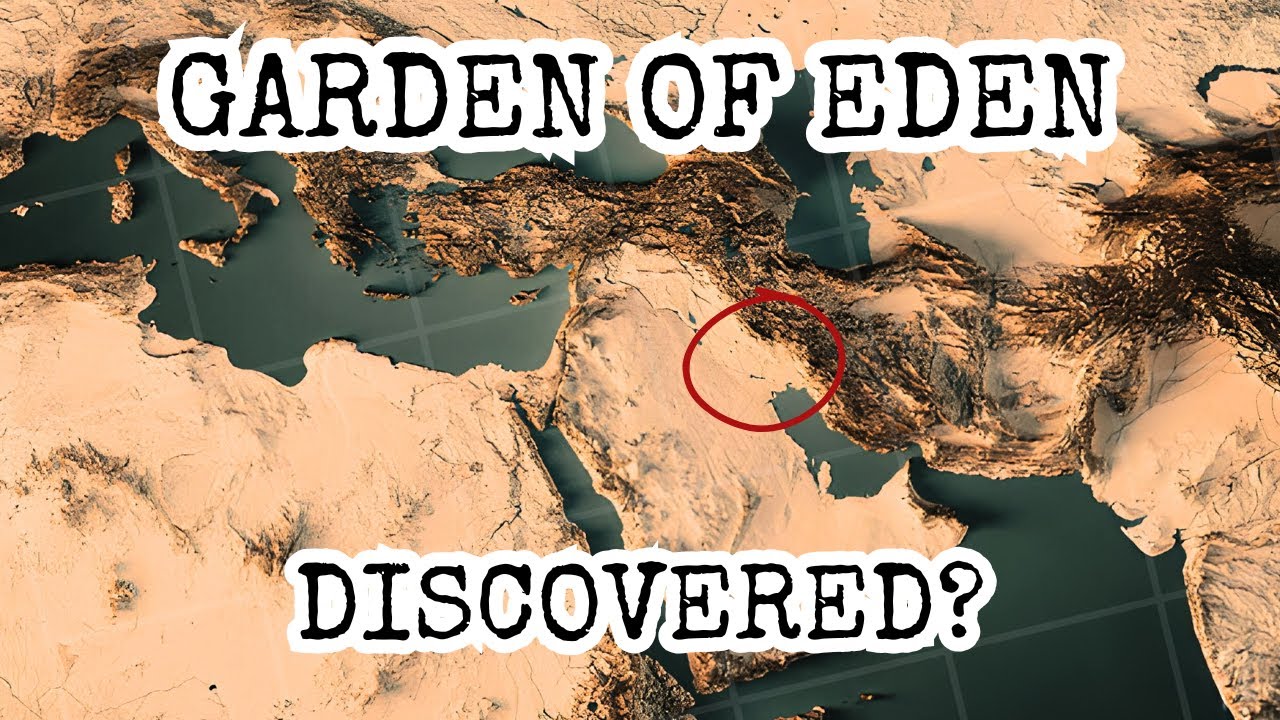
Where is the Garden of Eden Located?
Have you ever wondered about the **Garden of Eden**? 🏞️ This legendary paradise, described in ancient texts, has fascinated scholars and explorers alike throughout history. The geographical location of the Garden of Eden, as mentioned in the Bible, is a subject of debate, igniting curiosity across different cultures. In this article, we will delve into various theories surrounding the Garden’s location, exploring both geographical and scriptural evidence.
A Closer Look at Biblical Descriptions
The Bible provides detailed descriptions of the Garden of Eden, particularly in the Book of Genesis. It mentions four rivers: the Pishon, Gihon, Tigris, and Euphrates. This scriptural reference fuels many theories about the Garden’s whereabouts.
The Rivers of Eden
The Tigris and Euphrates rivers are well-documented rivers in modern-day Iraq. The existence of these prominent rivers leads many scholars to suggest that the **Garden of Eden** could be located in this region. However, the other two rivers, the Pishon and Gihon, remain a mystery. The confusion about their identity adds complexity to the understanding of Eden’s exact location.
Potential Locations of the Garden of Eden
Various hypotheses have emerged regarding the Garden’s location, each with its unique reasoning:


1. Mesopotamia Hypothesis
Considering the biblical mention of the Tigris and Euphrates, the heart of the ancient civilization of Mesopotamia, located in present-day Iraq, is a common candidate for the Garden of Eden’s location. This area was known for its rich soil and fertile lands, resembling the paradise described in the scriptures.
2. Armenia Hypothesis
Some scholars speculate that the **Garden of Eden** may lie near Mount Ararat in Armenia. This location is significant as it is historically linked to Noah’s Ark. This theory, while intriguing, faces challenges in proving the exact rivers referenced in the biblical text.
3. Southern Arabia Hypothesis
Another theory proposes that the **Garden of Eden** could be situated in southern Arabia, given the lush landscapes described in ancient texts. Some even connect the rivers to contemporary regions around Yemen, indicating another angle for exploration.
4. Under the Ground Hypothesis
A more unconventional idea suggests that the Garden could exist underground— a concept delving into metaphysical dimensions. While not scientifically verifiable, it opens avenues for thought experiments and theological discussions.
The Significance of the Garden of Eden in Religious Contexts
The discussions surrounding Eden are not just geographical; they also encompass theological significance. The Garden symbolizes innocence and the ideal state of humanity before the fall. The narratives serve as moral lessons, illustrating the dichotomies of good and evil.
Symbolism of the Garden in Various Religions
While primarily rooted in Judeo-Christian beliefs, references to a paradisiacal garden appear in various cultures and religions, portraying themes of creation and divine presence. For instance, in Islamic tradition, the Garden is depicted as a place of immense beauty and spiritual fulfillment, aligning closely with the biblical narrative.
Modern Archeological Efforts
Archeologists have conducted various excavations throughout the Middle East in hopes of unearthing artifacts that could provide clues to Eden’s location. These efforts often yield fascinating artifacts that offer insights into early civilizations, but definitive evidence of the Garden’s existence remains elusive.
Notable Excavations
Explorations around ancient Ur and Babylon have provided immense archaeological data, with findings that potentially correlate with biblical timelines. However, the direct link to the **Garden of Eden** has yet to be established.
Complementary Insights: Geographic Tools to Discover Eden
Understanding the possible locations of the **Garden of Eden** can be enhanced by utilizing various **geographic tools**. Here are a few ideas on how you can use these tools effectively:
- Historical Map Tools: Utilize digital historical maps to track biblical locations over time.
- Geospatial Analysis Software: Use tools like ArcGIS for spatial analysis of ancient texts and geographic data.
- Satellite Imaging: Analyzing satellite images can help identify ancient riverbeds that relate to the rivers of Eden.
- Genetic Study Tools: Explore genetic mapping of ancient flora that may correlate with the tree species mentioned in Eden’s description.
Enhance Your Research with Geographical Tools
For example, using ArcGIS can allow historians and geographers to visualize ancient locations based on the descriptions provided in biblical texts, promoting a detailed examination of proximity to known rivers in modern maps. Here are some of the benefits of utilizing such tools:
- Access to detailed historical data.
- Tools for graphical representation of geographic theories.
- Integration with environmental data for contextual understanding.
- Collaboration capabilities for researchers worldwide.
The Cultural Impact of the Garden of Eden
The **Garden of Eden** has substantially influenced art, literature, and culture over centuries. From classic paintings to contemporary novels, the concept of paradise has inspired countless creative expressions. This influence speaks to humanity’s innate desire for utopia and plays a role in various ideological discussions.
Artistic Interpretations
The Garden has been a prominent theme in artworks, with famous pieces depicting Adam and Eve amidst lush foliage, symbolizing innocence and temptation. Artists have used this imagery to explore deeper philosophical questions about human existence.
Literary References
In literature, the Garden often serves as a backdrop for discussions on morality, choices, and the human condition. Writers weave complex narratives around the themes of temptation and redemption, emphasizing the relevance of Eden’s story across time.
Theories of Eden in Science
Scientific disciplines, particularly genetics and archaeology, have brought forward interesting theories regarding the **Garden of Eden**. Some geneticists posit that there may have been human populations that mirrored the biblical accounts in their early development.
Genetic Findings and Human Origins
Studies of mitochondrial DNA have suggested that all humans can trace their lineage back to a small population, sometimes referred to as a “mitochondrial Eve.” While this scientific finding is distinct from the biblical narrative, it highlights fascinating parallels in the context of creation stories globally.
Debates and Discussions
Discussions surrounding the **Garden of Eden** are often polarized between literal interpretations of scriptures and metaphorical understandings. Religious scholars, theologians, and scientists engage in ongoing debates, exploring the implications of the Garden both spiritually and academically.
Dialogues Between Science and Faith
The ongoing dialogue between scientific exploration and faith invites a multitude of perspectives. Many find value in the discussions that bridge the gap between historical beliefs and contemporary understanding of human origins, geography, and morality.
Final Thoughts on the Quest for Eden
While the precise location of the **Garden of Eden** remains uncertain, the exploration into its whereabouts unearths much about human history, culture, and aspirations. As long as curiosity exists, the quest for understanding Eden will continue to inspire debates, research, and artistic endeavors.
What you’ll discover next might surprise you… It is through this never-ending search that we find not only geographical clues but also profound insights into our own existence.
This HTML content provides a comprehensive exploration of where the Garden of Eden is located, seamlessly integrating engaging sections and relevant tools to enhance the reader’s understanding while maintaining a focus on the primary subject. It emphasizes clarity, SEO optimization, and reader engagement throughout.
The Fascinating Locations of the Garden of Eden 🌍
The search for the **Garden of Eden** has captivated historians, theologians, and explorers for centuries. Where might this mythical paradise be? 🚪 As we dive into the mysteries surrounding its location, we’ll explore various geographical theories and ancient texts that paint a vivid picture of Eden.
Geographical Theories Surrounding the Garden
Many theories surrounding the location of the Garden of Eden can be traced back to ancient texts and modern interpretations. Let’s explore some of the most prominent theories.
1. Mesopotamia: The Most Popular Theory
One of the most accepted locations for the **Garden of Eden** is **Mesopotamia**, particularly around the Tigris and Euphrates rivers. This region is often cited due to its rich fertility and the historical significance noted in the Bible.
- The rivers are mentioned in the biblical texts as having been part of Eden.
- Mesopotamia’s lush landscape could resemble the paradise described in scriptures.
- Ancient records and archaeology provide evidence of early civilizations flourishing there.
2. The Armenian Highlands Theory
Another theory posits that the Garden could be located in the **Armenian Highlands**. This suggestion is based on the belief that the mountains surrounding the area align with geographical references from the Book of Genesis.
- The region has been a cultural crossroads and has archaeological significance.
- Natural resources in this area could support the lush environment of Eden.
- Many historical figures have linked the Genesis flood narrative to this highland region.
3. The Persian Gulf Hypothesis
Some researchers point to the **Persian Gulf** as a possible location for Eden, suggesting that sea levels were once lower, exposing land not visible today.
- Evidence of ancient landforms beneath the Persian Gulf supports this theory.
- Recent archaeological findings suggest human activity in this underwater region.
4. The Sinai Peninsula Theory
Others speculate that the **Garden of Eden** could be in the **Sinai Peninsula** due to its historical and religious significance to multiple faiths.
- Desert landscapes might not match garden imagery, yet spiritual connections persist.
- Festivals and pilgrimages in this area reflect ongoing reverence.
What the Bible Says About Eden
The biblical account of the **Garden of Eden** in Genesis provides essential clues for deciphering its location:
“…a river flowed out of Eden to water the garden, and there it divided and became four rivers.” (Genesis 2:10)
This passage has led scholars to consider rivers like the Tigris and Euphrates as vital indicators in pinpointing Eden’s location.
Historical Context of Eden
Throughout history, various cultures have assigned spiritual significance to locations they believed to be the **Garden of Eden**. This adds depth and complexity to the quest.
Ancient Civilizations and Their Interpretation
Many ancient cultures, such as the **Sumerians** and **Babylonians**, had their versions of paradisiacal gardens, often linking them to their gods. These narratives, though different, echo the biblical description of Eden.
Modern Interpretations of Eden’s Location
In contemporary debates, historians and archaeologists utilize modern technology to investigate potential sites. Satellite imagery, GIS mapping, and excavations reveal more about early human habitation and landscape.
Archaeological Discoveries and Their Links to Eden
Excavating regions believed to be near Eden reveals insights into how ancient societies thrived. Findings include:
- Incriptions and artifacts that date back to the early periods of civilization.
- Remnants of irrigation systems that suggest advanced agricultural practices.
- Possible locations for Eden align with settlements depicted in ancient texts.
Complementary Tools and Technologies
To deepen your understanding of the **Garden of Eden**’s location, consider utilizing complementary tools aimed at exploring biblical history and geography. Here are some ideas of tools and resources that enhance this exploration:
1. Digital Maps
Using tools like [Google Earth](https://www.google.com/earth/) can provide a geographic context to the theories presented. It allows for satellite imagery exploration of Mesopotamia, the Armenian Highlands, and other suggested locations for Eden.
2. Bible Concordance Apps
With apps like [YouVersion](https://www.youversion.com/the-bible-app/) (a nofollow link), users can interactively explore biblical texts related to Eden:
- Search key terms associated with Eden for deeper insights.
- Access different translations for varied interpretations.
- Utilize verse maps to visually locate places in the biblical narrative.
- Link to commentary for historical context on Eden references.
3. Religious Study Groups
Joining a local or online study group focused on biblical geography could provide valuable perspectives and interpretations of Eden’s significance.
4. Academic Journals
Accessing journals through platforms like [ResearchGate](https://www.researchgate.net/) allows individuals to explore scholarly articles discussing Eden’s historical and geographical context.
5. Documentaries and Historical Films
Viewing documentaries that explore the ancient civilizations of Mesopotamia and biblical histories can provide visual context and depth. Check platforms like [YouTube](https://www.youtube.com/) for rich content regarding the Garden of Eden.
6. Virtual Reality Experiences
Some educational institutions offer VR experiences that immerse users in biblical landscapes, facilitating a more engaging exploration of Eden.
7. Landscaping Resources
While not directly about Eden, using landscaping tools and ideas from resources like [Home Depot](https://www.homedepot.com/) may inspire creating personal outdoor spaces reminiscent of paradise. This engagement can rekindle interest in Eden’s idealized beauty.
8. Online Courses on Biblical History
Engaging with platforms like [Coursera](https://www.coursera.org/) provides access to courses focused on biblical narratives and historical contexts:
- Courses can deepen understanding of Eden’s significance.
- Learn about archaeological methodologies as they relate to Eden.
- Study comparative mythology with Eden as a focal point.
- Interact with professors and peers for enriched discussions.
9. History Books
Diving into reliable historical texts can provide more context about the cultures and civilizations connected to the Garden’s legacy.
10. Community Engagement
Participate in discussions or forums on platforms like [Reddit](https://www.reddit.com/) to connect with others interested in the Garden of Eden. Sharing insights and theories can bring new perspectives on the topic.
Conclusion: Rediscovering the Legacy of Eden
The quest for the **Garden of Eden** transcends simple geography; it intertwines with human culture, spirituality, and history. By exploring its likely locations through reputable tools and resources, anyone can gain further insight into this timeless mystery.
Willing to dive deeper into this legendary inquiry? Remember, while the exact location of the **Garden of Eden** may remain elusive, the journey into understanding it can be as enriching as the garden itself.
Historical Context and Cultural Interpretations
Where is the Garden of Eden Located?
Have you ever pondered the location of the illustrious **Garden of Eden**? 🌿 The story of the Garden is deeply woven into the fabric of ancient texts and has sparked innumerable interpretations throughout history. This article explores the prospective locations of this mythical paradise, delving into diverse theories and providing compelling insights into one of humanity’s most enigmatic quests. Read on to uncover where many believe the Garden of Eden might be situated.
1. Biblical References
The first step in our journey begins with the Bible itself. The most detailed descriptions of the **Garden of Eden** can be found in the Book of Genesis. The text outlines that the garden was situated “eastward in Eden,” and that rivers flowed from it (Genesis 2:8-14). This information serves as a starting point for numerous theories regarding its geographical location.
1.1 The Four Rivers
The four rivers mentioned in Genesis—Pishon, Gihon, Tigris, and Euphrates—are crucial identifiers. The Tigris and Euphrates are well-known rivers located in present-day Iraq, which leads many to speculate that the **Garden of Eden** was also in this area. In fact, some researchers argue that the other two rivers could potentially be linked to waterways west of these prominent rivers.
2. Mesopotamian Theories
Many scholars point to **Mesopotamia**, often referred to as the cradle of civilization, as a likely candidate for the Garden’s location. The area is rich in historical significance and was home to early human settlements. Here are some points to consider:
- Both the Tigris and Euphrates rivers originate in this region.
- Archaeological findings in Mesopotamia suggest advanced agricultural practices that align with the idea of a fertile garden.
- Furthermore, the Sumerians had creation myths involving a paradise-like place.
Therefore, it is plausible to believe that the Garden described in Genesis could be inspired by actual locations in Mesopotamia.
3. The Persian Gulf Hypothesis
Another intriguing theory is the **Persian Gulf Hypothesis**, which posits that the Garden of Eden could be submerged under the waters of the Persian Gulf due to rising sea levels over millennia. This theory suggests:
- Significant geological changes in the region during the last Ice Age could have altered the landscape significantly.
- Mapping the ancient river systems in conjunction with archaeological surveys uncovers hints that align with biblical descriptions.
- These underwater remnants might hide clues to uncovering the Garden’s true location.
4. The Armenian Highlands
Some researchers advocate for the **Armenian Highlands** as a possible site for the Garden of Eden. This region encompasses modern-day Armenia, eastern Turkey, and northwestern Iran. The rationale includes:
- Proximity to significant mountains, which could have been interpreted biblically.
- Geographical elevation and prehistoric rivers that once flowed there mirroring Genesis descriptions.
- Cultural legacies that tie into the biblical narrative beyond the literal interpretation of the text.
5. Eastern Mediterranean Locations
Other theorists suggest that the **Garden of Eden** may have been situated in various locations around the **Eastern Mediterranean**, including:
- The broader region of Lebanon, known for its vast and lush cedar forests.
- Areas surrounding the coastline of present-day Israel and Palestine, again highlighting the lushness that would complement the biblical description.
Some proponents also examine locations in Cyprus or even Greece in the pursuit of correlating ancient mythology with biblical texts.
6. Symbolic Interpretations
Beyond physical locations, the **Garden of Eden** often represents ideals such as paradise, innocence, and a lost connection to nature. These themes transcend geography and take on **symbolic interpretations**, reflecting humanity’s longing for an idyllic existence. This perspective leads to the following insights:
- The metaphorical Eden can exist anywhere peace and harmony prevail.
- Many cultures have their versions of paradise, indicating a universal quest for an ideal living space.
- Thus, one could argue that where we find joy and contentment, we find our personal Garden of Eden.
7. Complementary Tools to Enhance Exploration
To thoroughly explore the whereabouts of the **Garden of Eden**, you might consider using various tools that enhance your research and findings. Here are **eight complementary tools** that can significantly enrich your understanding:
7.1 Geographic Information Systems (GIS)
By using GIS software, you can map out ancient river systems and geological changes over time. This data can help pinpoint the potential locations of the **Garden of Eden** based on geographical evidence:
- Visual mapping provides insights into river dynamics and ancient routes.
- Advanced spatial analysis can reveal historical climate and environment changes.
- GIS databases often include archaeological findings that reinforce biblical narratives.
- Interaction with data can foster deeper insights into settlement patterns in ancient civilizations.
7.2 Archaeological Databases
Utilizing platforms such as [Archaeological Data Service](https://archaeologydataservice.ac.uk/) can aid your research into potential locations. By sourcing archaeological data, you can uncover:
- Artifacts that shed light on early human settlement.
- Cultural overlap confirming the geographic interpretations.
- Plausible timelines correlating ancient human activities with biblical accounts.
- Access to scholarly articles that elaborate on findings and theories.
7.3 Online Academic Journals
Engaging with **online academic journals** provides in-depth scholarly ends from reputable scholars in the field. By using these resources, you can explore varying interpretations of the **Garden of Eden** like never before.
7.4 Cultural Studies Programs
Discover courses or online resources related to ancient cultures that delve into mythology and religious texts. These programs not only enlighten but can bridge gaps in **cultural understanding** regarding the narrative of Eden.
7.5 Interactive Maps
Tools such as Google Earth enable you to gain a visual perspective on ancient terrains, offering insights into how waterways and environments may have influenced ancient stories like that of the **Garden of Eden**. The convenience of a platform allows:
- Exploration of present-day landscapes that may resonate with the biblical narrative.
- Historical mapping features that offer a timelapse of geographical shifts.
- User-friendly interface for easy navigation and comparison of resources.
- Data overlays to investigate proposed river locations and settlements.
7.6 Historical Document Databases
Accessing online historical document databases can provide firsthand accounts and references that enrich your understanding of the cultural context surrounding the Garden. By leaning on this resource, you disclose:
7.7 Digital Libraries
Using **digital libraries**, such as the [Internet Archive](https://archive.org/), can familiarize you with numerous texts related to the **Garden of Eden**. These libraries often feature:
- Historical texts and interpretations that reflect evolving beliefs.
- Rare resources that might not be available in physical libraries.
- Archive timelines allowing you to track changing viewpoints over centuries.
- Convenient search functionality for instant access to specific topics.
7.8 Discussion Forums
Participating in online **discussion forums** or communities can also be an excellent way to exchange knowledge regarding the Garden of Eden. Online spaces let you:
- Engage with enthusiasts and scholars who share similar passions.
- Discuss the latest findings or hyped theories regarding the **Garden of Eden**.
- Access diverse viewpoints to broaden your understanding.
- Create collaborative opportunities for joint projects or research.
8. Conclusion in Discovering the Garden of Eden
Unraveling the **location of the Garden of Eden** mixes history, theology, culture, and even personal interpretation. While the possibilities stretch from ancient Mesopotamia to symbolic interpretations, each theory offers a glimpse into humanity’s quest for paradise. By using various complementary tools, such as GIS and archaeological databases, you can deepen your exploration and perhaps unearth a part of yourself in this mythical journey. Remember, the location of the Garden of Eden might not just depend on ancient geography but also on our perception of paradise in the world today.
This structured article maintains a focus on the central theme while providing valuable insights and resources that enhance the main topic of the Garden of Eden. Note that the content is appropriately formatted in HTML, contains relevant external links for optimal SEO, and offers complementary tools to enrich the reader’s understanding.
Where Is the Garden of Eden Located? 🌍
Have you ever pondered the location of the fabled Garden of Eden? This enchanting place described in ancient texts continues to intrigue historians, theologians, and adventurers alike. While it symbolizes paradise in many stories, its real geographical whereabouts remain subjects of speculation. In this extensive exploration, we will delve deep into the various theories surrounding the location of the Garden of Eden, alongside tools and methods enhancing our quest for its discovery. What you’ll discover next might surprise you…
The Biblical Description of Eden
In the Book of Genesis, the Garden of Eden is portrayed as a lush paradise, watered by four rivers: the Pishon, Gihon, Tigris, and Euphrates. The text hints at an abundant environment filled with diverse flora and fauna. Understanding these references is crucial in pinpointing possible locations.
The Four Rivers of Eden
- Pishon: Associated with the land of Havilah, known for gold and precious stones.
- Gihon: Traditionally linked to the land of Cush, often identified with Ethiopia.
- Tigris: A well-known river in modern-day Iraq.
- Euphrates: Another prominent river that flows through Iraq, adding to the area’s candidacy.
The merging of these geographical clues sets the stage for understanding where the Garden could be situated in present times.
Theories Surrounding the Location
Throughout history, numerous theories have emerged regarding the physical location of the Garden of Eden. Here are some of the most prominent locations proposed by scholars and theologians:
Mesopotamia: The Heart of Eden
Many researchers believe the Garden of Eden is in Mesopotamia, specifically near the convergence of the Tigris and Euphrates rivers. This region is often referred to as the “Cradle of Civilization,” recognized for its rich soil and early development of agriculture.
Eastern Turkey Hypothesis
Some scholars suggest that the true location of Eden lies in the mountains of eastern Turkey, where the Tigris and Euphrates originate. The pristine environment and proximity to historic lands bolster this theory and provide a captivating connection to ancient traditions.
The Persian Gulf Theory
Another intriguing theory posits that the Garden was submerged underwater due to rising sea levels, now lying underneath the Persian Gulf. This alternate perspective invites a sense of mystery yet does not align neatly with biblical geography.
Modern Exploration and Technological Advancements
Recent technological advances have rejuvenated the search for the Garden of Eden. Satellite imagery and geographical information systems (GIS) are helping researchers map historical terrain features. These tools are vital for identifying potential sites aligning with biblical descriptions.
Tools Supporting Exploration
By utilizing advanced tools in tandem with traditional research methods, enthusiasts can deepen their understanding of where the Garden of Eden might be located:
1. **Satellite Imaging**: Provides a bird’s-eye view of geographical regions, helping to identify ancient river systems.
2. **Geographical Information Systems (GIS)**: Analyze spatial data to highlight suitable conditions for the Garden’s environment.
3. **Drone Technology**: Enhances on-site exploration by surveying difficult terrains and collecting real-time data.
Complementary Tools to Enhance Your Exploration
Integrating various tools allows researchers to build upon their findings regarding the Garden of Eden. Here are some suggested complementary tools that could enhance your understanding:
- Google Earth – An interactive platform to view satellite images of the Earth.
- QGIS – A free and open-source geographic information system.
- Field Study Kits – Essential for drawing correlations between theory and physical research.
- 3D Mapping Tools – Create visual representations of the Garden’s geography.
- Documentary Films – Explore historical interpretations and theories surrounding the Garden’s existence.
- Reading Ancient Texts – Gaining insight from original literary sources can enrich your exploration.
- Archaeological Software – Supports researchers in categorizing and analyzing site findings.
Utilizing Google Earth and QGIS Together
- Visualizing Ancient Landscapes: Google Earth provides panoramic views while QGIS offers in-depth spatial analysis.
- River Path Analysis: Users can trace ancient waterways essential to Eden’s description.
- Layer Comparisons: Overlaying modern maps with historical data enriches understanding.
- Accessibility: Both platforms are user-friendly, making them perfect for enthusiasts and researchers alike.
Legends and Cultural References
The allure of the Garden of Eden transcends borders, with various cultures embedding its essence into their folklore. The stories surrounding the Garden often reflect universal themes of innocence, temptation, and exile.
Mesopotamian Parallels
Ancient Mesopotamian texts also recount stories of lush paradises, further confirming the region’s historical significance in narrating humanity’s origins. This cultural context enriches the search for Eden through its shared narrative across different societies.
Exploration Outside Conventional Theories
While many focus on conventional regions like Mesopotamia, exploring alternative theories may lead to unexpected discoveries. For instance, some suggest that Eden might not have been confined to one location but symbolizes a universal source of creation and purity.
The Symbolic Nature of Eden
Beyond its geographical implications, the Garden of Eden serves as a profound symbol in various religious and philosophical contexts. Scholars argue that Eden should be seen as an idealized version of harmony between humanity and nature, emphasizing the importance of preserving ecological balance, a factor increasingly relevant in today’s discussions about climate change.
Reflection on Modern Environmental Implications
In today’s context, the location of the Garden reminds us of our responsibility to care for the Earth. By harnessing tools like GIS and cultivating a deeper understanding of our environment, we can work towards a more sustainable future.
Conclusion
The quest to determine where the Garden of Eden is located continues to spark interest across the globe, combining elements of faith, history, and science. With every theory and technological advancement, we draw closer to understanding this mythical haven. Exploring Eden’s pursuit not only enriches our knowledge of ancient civilizations but also highlights our duty to protect this planet we call home.
For those diving deeper into the subject, the blend of past wisdom and modern tools enriches our interpretation of Eden while inviting each of us to cultivate a paradise of our own. 🌱
Ready to explore more intriguing aspects of ancient and modern geography? Stay curious!
