What’s a Sadist? 7 Key Traits You Should Know About
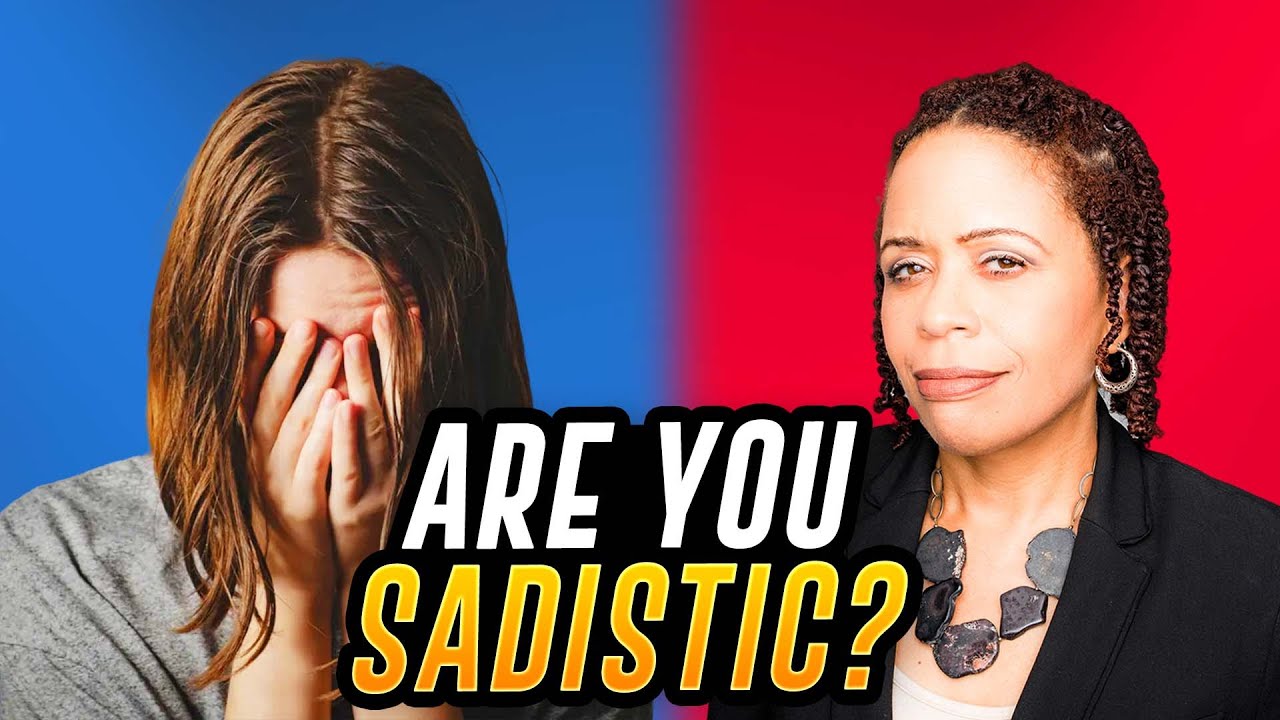
What’s a Sadist?
Have you ever wondered about the term sadist? 🌍 In essence, a sadist is an individual who derives pleasure from inflicting pain or humiliation on others. This psychological and behavioral aspect can manifest in various ways, from simple teasing to more severe forms of abuse. Understanding what it means to be a sadist provides crucial insights into both mental health and interpersonal dynamics.
The Psychology Behind Sadism
To fully grasp the concept of sadism, it is essential to explore its psychological aspects. Sadism can be linked to various psychological theories, including those associated with power dynamics and control. Those who identify with sadistic behaviors often feel a sense of superiority over their victims. This power trip can range from mild teasing to severe emotional or physical harm.
Types of Sadistic Behaviors
Sadism is not monolithic; it exists along a spectrum. Below are several types of behaviors associated with sadism:
- Verbal Sadism: This involves using words to harm, such as insults or humiliation.
- Physical Sadism: This is when someone enjoys inflicting physical pain or observing the suffering of others.
- Emotional Sadism: Some derive pleasure from manipulating others emotionally, leading to psychological distress.
- Sexual Sadism: This is a specific form where sexual gratification is obtained from hurting others.
Is Sadism a Mental Disorder?
According to the American Psychological Association, sadism can be classified within the realm of paraphilic disorders if it causes significant distress to the individual or harm to others. An important distinction to make is that not all individuals who engage in sadistic behaviors are psychopaths or sociopaths. Some may engage in consensual sadism in controlled environments, such as BDSM, where boundaries and consent are respected.


Understanding the Differences: Sadism vs. Masochism
In discussions of sadism, it’s common to encounter the term masochism, which refers to the enjoyment of pain inflicted by others. Understanding the differences between these two terms can clarify many interpersonal dynamics:
- Sadism: Enjoyment from inflicting pain.
- Masochism: Enjoyment from receiving pain.
While sadism focuses on the active pursuit of pain and humiliation, masochism centers around the pleasure derived from submissiveness. Interestingly, many individuals who embrace one may also explore the other in safe, consensual settings.
Common Misconceptions About Sadism
Sadism often comes with various misconceptions. Understanding these can create a more nuanced view of the behavior:
- All Sadists are Violent: Not all sadists engage in extreme violence; some may simply enjoy psychological control.
- Sadism Equals Abuse: While many sadistic behaviors can be harmful, not all expressions of sadism are abusive, especially in consensual contexts.
- Sadism is Uncommon: Many people exhibit sadistic tendencies in benign ways, like playful teasing.
Complementary Tools for Exploring Sadism Safely
Engaging with sadistic behaviors, especially in a consensual setting, can be enriched with a variety of tools and services designed to enhance safety, consent, and pleasure. Below are some complementary tools that can be used alongside understanding what it means to be a sadist:
1. Communication Apps
Using communication tools can help establish consent and boundaries. By clarifying expectations, both parties can engage more safely. A recommended tool is Slack, which can facilitate clear communication before engaging in such activities.
2. Consent Management Tools
- Easy Consent: Helps participants document and manage consent.
- Transparency: Builds trust among participants.
- Revocability: Allows consent to be rescinded easily.
- Legal Security: Provides accountability and records of consent.
For a more enjoyable experience, check out Kinkly, which offers resources to help you navigate the world of BDSM safely.
3. Safety Gear
Engaging in physical sadism can come with inherent risks. Using proper safety gear not only protects your partner but also enhances the experience. Brands like FetLife offer a variety of options that cater to different settings.
4. Educational Resources
Knowledge is power! Resources like SexualHealth.com provide articles and workshops that can help individuals safely explore their sadistic tendencies.
Combining What’s a Sadist with Other Tools
What if you could combine the understanding and exploration of sadism with the latest tools in the market? Here are several ideas to achieve this:
- Integrate communication platforms for clear expectations when experimenting with sadism.
- Use consent management tools to ensure everyone feels safe and secure before diving deeper.
- Explore educational resources that help contextualize sadistic behaviors within a healthy schema.
- Attend workshops on BDSM practices that make room for sadist exploration.
- Incorporate safety gear to mitigate risk during physical exploration.
- Document experiences through journaling apps for richer insights into what works well.
- Join online forums to exchange experiences with like-minded individuals.
- Schedule regular check-ins with your partner using tools like WhatsApp to ensure ongoing consent and comfort.
5. Tracking Tools
Using tools to document experiences can enhance understanding and growth. By employing journaling applications, individuals can optimize their future adventures.
6. Virtual Reality Experiences
Emerging technologies like virtual reality (VR) can provide unique environments for exploring sadistic elements safely. Tools like Oculus can immerse users in guided experiences, enhancing emotional and psychological safety.
The Significance of Consent in Sadism
At the core of any exploration involving sadism lies the crucial element of consent. Without it, any sadistic action can veer into abuse. Establishing clear and respectful boundaries is paramount. Here are vital factors to consider:
- Negotiation: Discuss desires, limits, and safe words before engaging.
- Respect: Always honor not just verbalized limits but also non-verbal cues.
- Aftercare: Following the experience, ensure your partner feels supported and safe to process their feelings.
- Check-ins: Regular communication ensures ongoing mutual comfort and consent.
Real-Life Applications of Sadism
Sadism is not limited to harmful actions; it can be confused with the thrill-seeking behaviors that don’t negatively impact others. Here are some real-life scenarios where sadistic elements may be present:
- Performance Arts: Actors and performers may embrace sadistic roles to bring drama to their characters.
- Sports: In competitive environments, some may feel a thrill in outdoing their competitors.
- Video Games: Many video games include elements of power and control that align with sadistic themes.
By recognizing these examples, we can demystify the broader implications of what it means to be a sadist while appreciating those aspects that connect us.
Expanding the Concept of Sadism
The dialogue surrounding sadism is evolving. In modern contexts, exploring consent and boundaries through sadism can lead to profound connections. Engaging in community events, workshops, or online discussions can foster healthy and positive expressions of sadistic tendencies. These collective spaces can enhance participant experiences and offer greater understanding.
Finding Support and Resources
Various online communities and forums exist to support individuals exploring sadistic practices within safe parameters. Recommended platforms include:
These forums can provide valuable insights, camaraderie, and crucial advice for safe, consensual exploration.
Final Thoughts on Exploring Sadism
Understanding what it means to be a sadist is multifaceted. It requires a careful examination of psychological aspects, consent, safety, and interpersonal connections. By employing various tools and respecting boundaries, individuals can explore their sadistic tendencies in enriching and constructive ways.
Whether you’re curious about sadism or contemplating its role in your life, remember that knowledge and communication are fundamental. Engage with trustworthy resources, open dialogues, and remember—the journey into exploring sadism can be as rewarding as it is revealing.
The Psychology Behind Sadism
Have you ever wondered what drives someone to derive pleasure from the suffering of others? 🤔 This behavior, known as **sadism**, is not merely a modern phenomenon but rather has deep psychological roots. Sadism typically involves a **psychological condition** characterized by the desire to inflict pain, humiliation, or control over another person. The motivations behind such behavior are complex and can encompass a range of psychological factors, including childhood experiences, societal influences, and individual personality traits.
Understanding Sadism: Definitions and Context
In psychological terms, the **Diagnostic and Statistical Manual of Mental Disorders (DSM-5)** defines sadism as part of the spectrum of paraphilic disorders. Those who identify as sadists often engage in activities that they believe fulfill their need for dominance and power. Sadism can manifest in various ways, from subtle emotional manipulation to more extreme, violent acts.
Exploring the Nature of Sadistic Behavior
Sadistic tendencies can often correlate with certain personality types, such as **narcissism** or **antisocial behavior**. Individuals may find that their sadistic traits provide them with a sense of accomplishment or purpose in their lives. However, it’s crucial to distinguish between healthy expressions of dominance in consensual scenarios, such as BDSM, and harmful or abusive actions.
Types of Sadism
It’s essential to identify the various forms in which sadism can manifest, as they can significantly differ in impact and intent:
- Sexual Sadism: This type involves deriving pleasure from the physical pain or psychological suffering of another person during sexual activities.
- Physical Sadism: This involves causing physical harm or suffering without the sexual context, often visible in aggressive or violent behaviors.
- Emotional Sadism: This form includes psychological manipulation, such as shame or humiliation, used to exert control over someone else.
The Impact of Sadistic Behavior on Relationships
Sadism can have profound implications for interpersonal relationships. For instance, if one partner in a relationship exhibits sadistic tendencies, it can create a toxic environment that undermines the emotional well-being of the other. In contrast, when practiced consensually within safe, informed contexts (like BDSM), sadism can actually enhance a couple’s connection and deepen trust.
Sadism vs. Masochism: Understanding the Dynamic
To better understand sadism, it’s equally important to examine its counterpart: **masochism**. Sadism involves the act of inflicting pain, while masochism focuses on receiving it. This interplay can create a complex relationship dynamic where both parties negotiate consent and boundaries, leading to mutually satisfying experiences. Unlike more harmful expressions of dominance, this consensual sadistic behavior can be performed in safe environments, benefiting both partners emotionally and physically.
Sadism in Pop Culture
Throughout history, portrayals of sadism have appeared in various forms of media, raising intriguing discussions about its acceptance and normalization. From popular films to literature, sadistic characters often embody deeper messages about power dynamics and human nature’s darker sides.
Key Examples of Sadism in Literature and Film
Consider classic literature, where authors such as **Dante Alighieri** in “Inferno” or **Friedrich Nietzsche** have touched upon sadistic themes. Movies like “American Psycho” and “Basic Instinct” also present characters with sadistic traits, leading to gripping narratives while simultaneously questioning morality and ethics in society.
Understanding Sadism Through a Clinical Lens
From a clinical perspective, it’s vital to approach discussions surrounding sadism with nuance and care. Various assessment tools exist to discern sadistic tendencies and understand their implications on individual mental health. Therapy can provide essential support for those affected by extreme sadistic behaviors or those struggling with their own tendencies related to it.
Therapeutic Approaches to Sadism
Psychologists often recommend therapeutic modalities that focus on understanding triggers and developing coping strategies. **Cognitive Behavioral Therapy (CBT)** is particularly effective, as it helps individuals recognize patterns of thought that fuel sadistic behaviors and replace them with healthier coping mechanisms.
Complementary Tools to Enhance Understanding of Sadism
There are several resources and tools that can aid in the exploration of sadism. Here are some ideas on how they can complement your understanding:
- Online Therapy Platforms: Using platforms like BetterHelp for therapy sessions can offer personalized support, educating clients on their behaviors.
- Self-help Books: Books such as “The Sadist’s Handbook” delve deeper into understanding the psychological facets. They guide readers through complex emotional landscapes.
- Podcasts: Engaging content such as “The Psychology Podcast” can introduce different perspectives on sadistic behavior in society.
- Art Therapy: Utilizing art as a form of therapy can help individuals express their feelings toward control and dominance creatively.
- Journaling Apps: Using tools like Day One Journal encourages self-reflection and can track behavioral patterns.
- Support Groups: Participating in community discussions with platforms like Meetup can provide shared experiences and support.
- Mindfulness Apps: Applications such as Headspace can help manage negative emotions linked to sadistic tendencies.
- Documentaries: Watching informative documentaries can give additional insights into sadistic behavior and societal contexts.
Benefits of Self-help Books
- Provides in-depth knowledge about the subject of sadism and its psychological roots.
- Offers case studies and real-life scenarios for better understanding.
- Guides the reader through exercises that promote self-awareness.
- Encourages personal growth and development by providing coping strategies.
Advantages of Using Journaling Apps
- Facilitates daily reflections on personal behaviors and feelings.
- Encourages tracking of emotional triggers related to sadistic tendencies.
- Promotes mindfulness and self-awareness through continuous writing.
- Enhances emotional processing through structured entries.
Ethical Considerations Surrounding Sadism
When exploring sadism, it’s crucial to approach the subject with ethical consideration, particularly when it intersects with issues of consent and power dynamics. Consent is paramount in any interaction involving sadistic behaviors, ensuring that all parties involved understand and agree to the terms mitigating potential harm.
Establishing Safe Boundaries
Creating and respecting **boundaries** is fundamental for those engaging in sadistic practices, ensuring a safe environment for all. Open communication about limits, safewords, and aftercare is vital for promoting a healthy experience. Resources such as “The New Topping Book” provide guidelines for safely navigating the intersection of power dynamics in sadistic environments.
The Future of Understanding Sadism
Moving forward, ongoing research into sadism’s psychological underpinnings remains essential. Increasing awareness about its impacts on relationships and society could facilitate healthier dialogues about power, consent, and emotional well-being.
Looking Ahead: Research and Clinical Approaches
Future studies should focus on identifying effective interventions for individuals with harmful sadistic behaviors. Moreover, it’s imperative to educate the public to differentiate between consensual sadistic practices and abusive behaviors, thus fostering a more nuanced understanding of this complex psychological phenomenon.
Final Thoughts on Sadism
Understanding sadism requires careful attention to both its psychological implications and its societal portrayal. By fostering informed discussions, society can better support individuals grappling with these behaviors, aiding in personal growth and healthier relationships.
Identifying Sadistic Tendencies
Have you ever considered what defines a sadist? 🧐 While the term is often misunderstood, it’s essential to grasp its true meaning. A sadist derives pleasure from inflicting pain or discomfort on others, which can manifest in various ways, both psychologically and physically. Understanding the motivations and behaviors associated with sadism can enhance your awareness of its implications in personal relationships and society.
The Psychology of Sadism
A sadistic personality typically exhibits specific psychological traits. These individuals may feel empowered when exerting control over others. They might demonstrate a lack of empathy and a disregard for others’ feelings, which can lead to harmful scenarios. Understanding these traits allows both individuals and society to grasp the nuances of interactions with such personalities.
Types of Sadism
There are different forms of sadism, varying from mild to extreme. Let’s explore a few:
- Interpersonal Sadism: This involves deriving pleasure from the harm caused to another individual, often seen in abusers.
- Sexual Sadism: In the context of consensual adult relationships, this can encompass acts where one party derives sexual pleasure from the pain inflicted on another.
- Sensory Sadism: People who enjoy inflicting discomfort through sensory means, such as noise or physical sensations.
Signs of Sadistic Behavior
Recognizing signs of sadistic behavior can aid in identifying potential risks in relationships. Watch for the following:
- Enjoyment in others’ distress or discomfort.
- Manipulation or control in social situations.
- A pattern of bullying or cruelty.
- Reveling in power dynamics that favor them over others.
How Sadism Differs from Other Personality Disorders
Comparing sadism with similar personality traits is crucial for understanding its distinctiveness. For instance, while narcissistic personalities may also show a desire for control, they primarily seek admiration rather than deriving pleasure from others’ pain. Conversely, a sadist explicitly enjoys and seeks opportunities to create suffering. This clear differentiation allows for better identification and intervention strategies.
The Role of Sadism in Relationships
Within the framework of relationships, sadism can manifest in various dynamics, often leading to toxic situations. Understanding how sadists operate can provide tools for navigating these interactions. Here are some observations:
- **Emotional manipulation:** Sadists often manipulate others emotionally, making it challenging for their partners to establish boundaries.
- **Intimidation tactics:** They often use fear to assert dominance, which can lead to power imbalances.
- **Cycle of violence:** Relationships with sadists can fall into cycles of abuse, leading to long-term psychological harm.
Combating Sadistic Behavior
Combatting sadism, especially in relationships, requires awareness and courage. Here are some strategies:
- Clearly express your boundaries and stand firm in them.
- Document any harmful incidents to build awareness and grounds for seeking help.
- Engage with supportive communities or professionals that foster understanding and healing.
Complementary Tools to Address Sadism
When facing the challenges posed by sadistic behaviors, utilizing complementary tools can enhance your strategy for dealing with these situations effectively. Here are some practical methods:
- Therapeutic Counseling: Engaging with a mental health professional can provide essential strategies and support.
- Support Groups: Connecting with others who understand your experiences can help you build resilience.
- Self-Help Materials: Resources like books and online courses on relationship dynamics can empower you with knowledge and strategies.
- Mindfulness Practices: These tools can help manage stress and elevate self-awareness, aiding in response strategies against manipulators.
- Conflict Resolution Training: Understanding and employing effective conflict-resolution techniques can minimize the impact of sadistic behaviors on your mental health.
- Insightful Podcasts: Engaging with content that discusses psychological dynamics can broaden your understanding of interpersonal relationships.
- Educative Workshops: Attending workshops about boundaries and personal empowerment may strengthen your resistance to manipulative behaviors.
- Journaling Tools: Utilizing journaling applications can help track emotions and document experiences for healing.
Journaling Tools Benefits Breakdown
- Self-Reflection: Journaling encourages introspection, leading to heightened self-awareness.
- Emotion Regulation: Regularly writing about feelings can promote healthy emotional processing.
- Pattern Recognition: Identifying patterns in interpersonal interactions becomes easier through consistent journaling.
- Resource for Therapy: Sharing journal entries with a therapist can provide valuable insights into personal growth.
Resources for Understanding Sadism
To further enhance your understanding about what defines a sadist and its implications, consider exploring these high-authority resources:
- Wikipedia – Sadism
- Psychology Today – Understanding Sadism
- Verywell Mind – What is Sadism?
- ResearchGate – Sadism and Aggression
Exploring Sadistic Tendencies in Popular Culture
Sadism is a theme that often finds its way into literature, films, and art. By analyzing these representations, we can gain insights into societal perceptions of sadism:
- Film and Television: Characters with sadistic traits can reflect societal fears and fascinations, often becoming memorable figures.
- Literature: From classical to contemporary works, sadistic themes can explore human nature, morality, and power dynamics.
- Art: The portrayal of sadistic tendencies in art provokes discussion about violence, power, and the human condition.
Why Addressing Sadism is Important
Addressing sadistic behaviors in society is vital for fostering healthy interactions. Establishing awareness can prevent harmful behaviors from perpetuating in future generations. It’s about protecting not only those affected but also nurturing a more empathetic society. Adopting a compassionate dialogue focused on understanding may pave the way for healing and growth.
The Importance of Support Systems
As you navigate relationships involving sadistic traits, the role of support systems cannot be overstated. Relying on friends, family, or professionals can significantly ameliorate the impact of these toxic dynamics. It creates a safe space for expressing feelings and gaining external perspectives that foster clarity.
Building a Healthy Support Network
Establishing a healthy support network involves seeking individuals who respect boundaries and nurture your well-being. Here are some tips:
- Surround yourself with positive influences that encourage resilience.
- Seek mentors or professionals who can provide guidance tailored to your situation.
- Engage in communities that focus on growth and understanding rather than judgment or blame.
Conclusion
Understanding what defines a sadist involves recognizing the nuanced behaviors and psychological traits associated with sadism. By educating ourselves on these dynamics and employing complementary tools, we can better navigate relationships impacted by sadistic tendencies. Through awareness, support, and healing practices, we can mitigate the effects of sadism in our lives. Embrace the journey of understanding and empower yourself with knowledge when dealing with complex personalities.
What’s a Sadist? Understanding the Concept and Its Implications
Have you ever wondered about the deeper meanings behind sadomasochism? 🤔 Understanding what a sadist truly is can reveal intriguing aspects of human psychology. In this article, we will delve into the definition of a sadist, explore its implications, and discuss complementary tools that can broaden your understanding of this complex personality trait. Let’s explore the nuances together!
Defining Sadism
**Sadism** refers to a psychological condition where an individual derives pleasure from inflicting pain or humiliation on others. This behavior can manifest in various contexts, from mild teasing to more severe forms of abuse. The term is derived from the name of the Marquis de Sade, a French writer known for his libertine sexuality and cruelty in his literary works. Understanding *sadism* involves looking at it from both a psychological and sociocultural perspective.
Psychological Perspectives on Sadism
From a psychological standpoint, sadism can be understood through several frameworks. Many psychologists categorize sadistic behavior under personality disorders, often linking it with traits such as lack of empathy and an inclination toward aggression.
Clinical Insights
Research indicates that sadistic tendencies can be particularly prevalent in individuals with antisocial personality traits. It is essential to differentiate between **occasional sadistic impulses**—which many might experience—and persistent sadistic behavior that may require intervention.
Implications for Relationships
Understanding sadism is crucial for navigating personal and professional relationships. Individuals displaying sadistic traits may struggle to maintain healthy connections, as they could exploit vulnerabilities. To deal with such dynamics, tools like communication training can be invaluable. For example, by using Crucial Conversations, individuals can learn to discuss sensitive topics effectively and mitigate the negative impact of sadism in relationships.
Societal Views and Implications
Sadism can evoke strong reactions from society. Historically, *sadistic traits* have been associated with villains in literature and media. However, modern perspectives are slowly shifting towards understanding sadism as a multifaceted trait that exists on a spectrum.
Media Representation
In popular culture, sadistics are often portrayed as one-dimensional figures. This portrayal can lead to misunderstanding and stigmatization. An honest portrayal of sadism involves discussing its nuances and how it might surface in various environments, including workplaces or intimate relationships.
Impact on Mental Health Discourse
Today, there’s a growing awareness regarding mental health, which sheds light on sadistic behaviors often overlooked in clinical discussions. Understanding sadism as part of a broader psychological framework invites open dialogues about mental health, fostering a more empathetic community environment.
Complementary Tools for Understanding Sadism
Several tools and approaches can help deepen the understanding of sadism. Below, we explore 10 ideas on how to use complementary tools along with insights about what’s a sadist:
1. Journaling for Self-Reflection
Using a journal helps individuals reflect on their feelings and behaviors. By documenting experiences related to sadism, one might recognize patterns and understand underlying emotions.
2. Therapy Sessions
Engaging in therapy, particularly cognitive behavioral therapy (CBT), can assist in managing sadistic tendencies. CBT targets changing negative thought patterns and behaviors. Establishing sessions with a licensed therapist can create a structured approach to dealing with these feelings.
- Utilizes structured approaches to address thoughts systematically.
- Encourages personal accountability in behavior patterns.
- Improves emotional regulation and coping mechanisms.
- Fosters a safe environment to explore difficult emotions.
3. Reading Psychological Literature
Books on psychology can provide insights into human behavior, including sadism. Consider exploring works by notable authors such as Sigmund Freud or contemporary psychologists.
4. Educational Workshops
Participating in workshops focused on emotional intelligence may aid understanding of interpersonal dynamics, helping to manage sadistic tendencies.
5. Support Groups
Joining support groups enables individuals to discuss sadistic traits in a safe, non-judgmental environment. Share experiences with those who have similar struggles.
6. Online Courses
Many platforms offer courses on psychological principles, enhancing one’s understanding of complex behaviors, including sadistic tendencies. Websites like Coursera can serve as valuable resources.
7. Interaction with Therapeutic Apps
Apps designed for mental health management can track feelings and behaviors, providing insights into patterns associated with sadism. By utilizing these applications, users can manage their emotional well-being effectively.
8. Engaging in Role-Playing Scenarios
Role-playing can illuminate dynamics involving sadistic behaviors. For example, in safe environments, individuals can navigate situations that trigger these responses, helping to develop empathy and perspective-taking skills.
- Encourages understanding through experiential learning.
- Fosters empathy by adopting different viewpoints.
- Builds communication skills in difficult scenarios.
- Provides a safe space to examine emotional responses.
9. Workshops Focused on Positive Reinforcement
Learning to reward positive behavior rather than engaging in sadistic actions can improve interpersonal relationships. Workshops guiding participants in positive reinforcement techniques are vital.
10. Regular Meditation Practices
Meditation can help reduce aggressive impulses and foster emotional balance. Techniques such as mindfulness can enhance awareness around sadistic feelings and provide strategies for coping.
Managing Sadistic Tendencies
Understanding how to manage sadism is essential for personal growth. By being aware of tendencies and the psychological mechanisms behind them, individuals can take steps to mitigate negative affects.
Seeking Professional Help
Consulting with a qualified psychologist can be one of the most effective methods of managing sadistic tendencies. They can help develop tailored strategies and coping mechanisms to navigate emotions effectively.
Building Empathetic Relationships
Fostering empathy is key to overcoming sadistic impulses. Engaging in activities that require compassion can significantly alter one’s perceptions and actions. By utilizing tools and strategies discussed earlier, individuals can create a more supportive network around them.
Conclusion
While understanding what a **sadist** entails can seem daunting, recognizing its psychological implications is the first step toward fostering empathy and managing behaviors effectively. Through a combination of educational resources, community support, and personal reflection, individuals can create positive outcomes for themselves and others. The journey towards understanding and addressing sadistic tendencies is ongoing, but with the right tools, it can become a pathway for personal development.
