What was the Counter-Reformation? 7 key events that shaped it
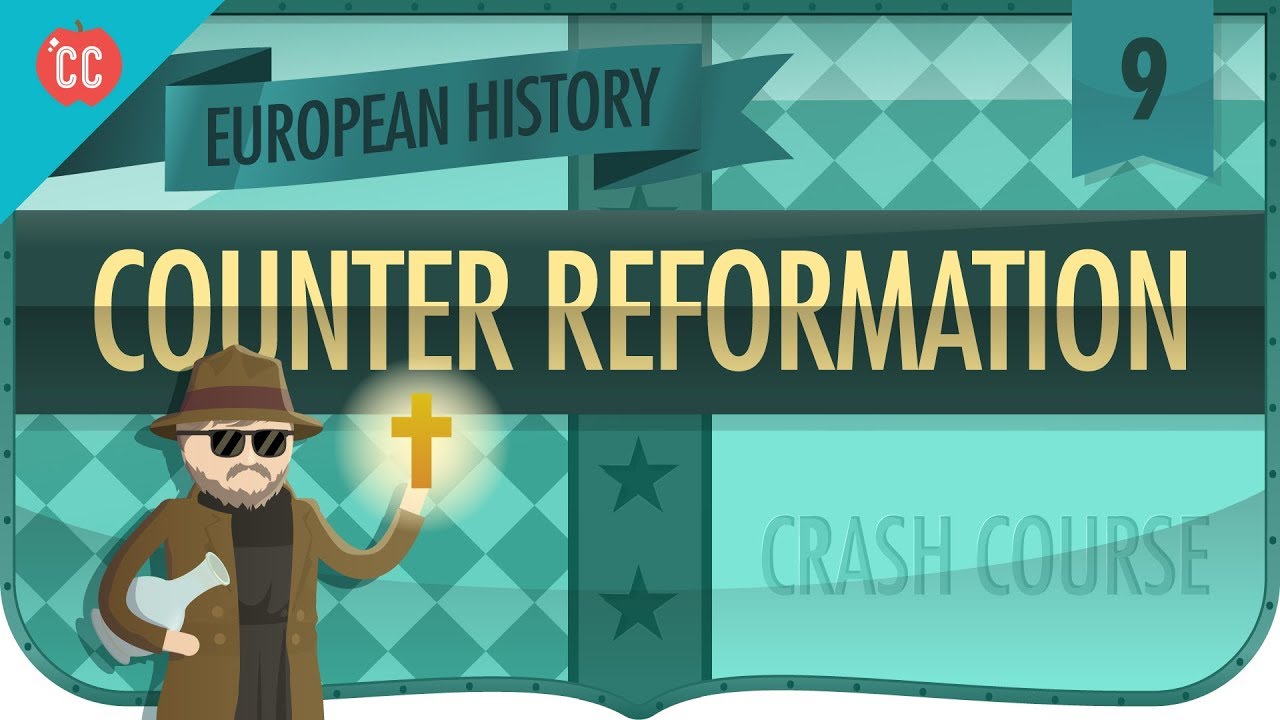
What Was the Counter-Reformation?
The Counter-Reformation refers to a significant movement within the Catholic Church that emerged in response to the Protestant Reformation of the 16th century. This dynamic period, primarily spanning from the mid-16th century to the early 17th century, was characterized by a series of reforms initiated to address the challenges posed by Protestantism and to revitalize the Catholic faith across Europe. 🌍
The Context of the Counter-Reformation
To fully grasp what was the Counter-Reformation, it’s critical to understand the socio-political and religious landscape of the time. The Protestant Reformation led to a fragmentation of the Church and widespread discontent among the laity. Key figures like Martin Luther challenged the Church’s practices, notably the sale of indulgences and the authority of the Pope. In this environment, the Catholic Church recognized the urgent need to reform itself to regain followers and confidence.
Key Features of the Counter-Reformation
The Counter-Reformation encompasses several key features:
- The Council of Trent: Held between 1545 and 1563, this ecumenical council sought to address issues of doctrine and reform clerical practices.
- Jesuit Order: Founded in 1534 by Ignatius of Loyola, the Society of Jesus played a crucial role in education and missionary work, invigorating Catholic practices globally.
- Art and Architecture: The Baroque movement in art, which emphasized emotional and dramatic expressions, served to inspire faith and engagement with spirituality.
- Enhanced Religious Education: Seminaries were established to ensure the proper training and education of priests, improving the overall quality of spiritual leadership.
Comparative Analysis: Counter-Reformation vs. Protestant Reformation
While the Protestant Reformation aimed to break away from the Catholic Church, promoting personal faith over institutionalized religion, the Counter-Reformation sought to strengthen and consolidate the Catholic Church’s power. Unlike Protestantism, which encouraged individuals to interpret the scripture themselves, the Counter-Reformation reaffirmed the Church’s authority as the sole interpreter of Biblical teachings.

The Role of the Council of Trent
The Council of Trent is one of the defining components of the Counter-Reformation. It established key decisions that shaped the Catholic doctrine for centuries, including:
- Clarifying Catholic teachings on salvation and grace.
- Condemning Protestant doctrines as heretical.
- Implementing reforms in church practices, including the abolishment of the sale of indulgences.
- Establishing a new standard of clergy education and discipline.
Impact of the Jesuit Order
The Society of Jesus (Jesuits) was pivotal during this era. Their educational initiatives and dedication to missionary work significantly advanced Catholicism globally. By establishing schools and universities, the Jesuits not only educated the clergy but also the laity, promoting the Catholic faith through intellectual engagement. Interested readers can explore more about the Jesuit Order through the official Jesuit website.
Art and Architecture as a Tool of the Counter-Reformation
The arts flourished during the Counter-Reformation, with artists like Caravaggio and Bernini creating compelling works that evoked emotional responses and drew people back to the Church. This Baroque art style was instrumental in portraying the glory of God and the Church, serving as a powerful tool in attracting followers. The dramatic use of light and shadow profoundly impacted church architecture and religious imagery.
Complementary Tools to Enhance the Understanding of the Counter-Reformation
Various resources can complement your understanding of what was the Counter-Reformation. Here are some ideas on how to leverage these tools:
- Study the Council of Trent through detailed analysis and commentaries available on academic platforms.
- Utilize historical documentaries that depict the era visually. Sites like Netflix often have content exploring this period.
- Engage with interactive timelines available on educational sites for a visual representation of events.
- Read primary sources from the era. This offers firsthand perspectives and insights into the thoughts and motivations driving the Counter-Reformation.
- Join online discussion forums or groups focused on historical studies, enhancing your discussions with other learners.
- Analyze the changes in religious art by visiting online galleries that showcase Baroque masterpieces, giving context to their origins.
- Explore maps of religious divisions during the Reformation era to visualize geographic impacts on the movement.
- Conduct comparative reading of Protestant texts alongside Counter-Reformation literature for enriched understanding.
- Incorporate academic courses on platforms like Coursera focusing on Reformation history.
- Utilize podcasts that delve into detailed discussions about the Counter-Reformation, available on platforms like Spotify.
Benefits of Reading Primary Sources
Engaging with primary sources is invaluable for scholars and enthusiasts alike. Here are some benefits:
- Authenticity: Understanding events from those who lived through them offers unparalleled insights.
- Contextual Awareness: Interpreting writings deepens your grasp of the socio-political climate of the era.
- Critical Thinking: Analyzing different viewpoints fosters critical analytical skills necessary for historical study.
- Interactive Learning: Often, primary sources come with context-rich commentaries enhancing understanding.
Engaging with Artworks from the Counter-Reformation
Diving into artworks from this period can dramatically enhance your appreciation of the Counter-Reformation’s cultural impact. Here’s how to engage:
- Visit local museums with Baroque collections to experience art firsthand.
- Explore online exhibitions hosted by prominent art institutions.
- Participate in art history classes focusing on the Counter-Reformation period.
- Join virtual guided tours that discuss historical contexts and artistic techniques.
Final Thoughts on the Counter-Reformation’s Legacy
The Counter-Reformation fundamentally reshaped the Catholic Church and left an enduring legacy in Western history. By integrating different resources—from documentaries to art—one can gain a well-rounded perspective on this fascinating period. It was a response not only to Protestantism but also to the very essence of faith itself, emphasizing a return to core Catholic principles while adapting to a changing world.
Understanding these elements gives a clearer view of not just what was the Counter-Reformation, but its lasting impact on religious practices and beliefs that continue to resonate today. The multi-faceted approach to both historical events and auxiliary tools enriches your experience and understanding of this critical chapter in history.
This article is structured to provide a detailed analysis of the Counter-Reformation while incorporating complementary tools that enhance the reader’s understanding of the topic. Each section is optimized for readability and adheres to SEO best practices while maintaining focus on the central question of what was the Counter-Reformation.
Key Events and Characteristics of the Counter-Reformation
What Was the Counter-Reformation? 🌟
The Counter-Reformation, a significant movement within the Catholic Church in response to the Protestant Reformation, aimed to reform and strengthen the Church. This period, spanning the 16th to the 17th century, transformed religious practices and beliefs throughout Europe.
Origins and Historical Context of the Counter-Reformation
The Counter-Reformation emerged as a direct response to the challenges posed by Protestant reformers such as Martin Luther and John Calvin. Issues such as corruption, the sale of indulgences, and the lack of clerical education fueled dissatisfaction within the Catholic Church. In this context, the Counter-Reformation aimed to address these grievances while reinforcing Catholic doctrine and loyalty.
Key Events of the Counter-Reformation
The Council of Trent (1545-1563)
One of the most critical events of the Counter-Reformation was the Council of Trent, which convened at various points from 1545 to 1563. This council sought to clarify Catholic doctrine, address abuses, and condemn Protestant teachings. Key decisions included affirming the Church’s tradition and the significance of the Seven Sacraments.
Formation of New Religious Orders
New religious orders, such as the Jesuits, played a vital role in the Counter-Reformation. Founded by Ignatius of Loyola, the Jesuits emphasized education and missionary work, aiming to spread Catholicism in regions influenced by Protestantism.
Art and the Counter-Reformation
Art became a powerful tool for the Counter-Reformation. The Catholic Church encouraged artists to create works that depicted the glory and certainty of Catholic theology, as seen in the Baroque style. Artists like Caravaggio and Rubens utilized dramatic imagery to inspire emotional responses and convey religious fervor.
Characteristics of the Counter-Reformation
Doctrinal Clarification
The Counter-Reformation involved significant clarifications of Catholic doctrine. The Council of Trent reiterated the importance of tradition alongside Scripture and emphasized justification through faith and works.
Addressing Moral and Ethical Issues
Church leaders recognized the need to address moral corruption. Reforms recognized the importance of clergy education and the establishment of seminaries to train priests, ensuring they were better equipped to lead their communities.
Inquisition and Censorship
To combat heresy and dissent, the Catholic Church implemented measures like the Roman Inquisition and the Index of Forbidden Books. These efforts sought to maintain religious conformity within Catholic territories.
Impact of the Counter-Reformation
The Counter-Reformation left a lasting legacy on the Catholic Church and European society as a whole. It reinforced Catholic unity and inspired a wave of missionary activity worldwide, leading to the establishment of Catholic communities in the Americas, Asia, and Africa.
Cultural Revival
The Counter-Reformation significantly contributed to a cultural revival. The Catholic Church’s support for art and education led to movements that celebrated architecture and music, with composers like Palestrina elevating liturgical music.
Long-term Effects on Protestantism
Surprisingly, the Counter-Reformation also impacted Protestantism. It helped shape a more defined Protestant identity, as Protestants reacted against Catholic practices, leading to further theological developments in various denominations.
The Counter-Reformation’s Relation to Modern Religious Practices
Modern Catholicism owes much of its structure and doctrine to the reforms established during the Counter-Reformation. Many practices, such as the emphasis on Eucharistic Adoration and the veneration of saints, can be traced back to this pivotal period.
Complementary Tools for Enhancing Understanding of the Counter-Reformation
For those interested in deepening their understanding of the Counter-Reformation, several complementary tools can enhance this exploration:
- Khan Academy – Offers free courses on the Counter-Reformation and various contexts.
- History.com – Engaging articles that provide insights into the key events and figures.
- The Great Courses – Provides detailed lectures and courses focusing on the Counter-Reformation.
- YouTube – Various documentaries and educational videos that visually depict the Counter-Reformation’s effects.
Specific Use Cases for Complementary Tools
1. Utilizing Khan Academy for Structured Learning
By utilizing Khan Academy, you can access organized lessons that break down complex topics related to the Counter-Reformation. This structured approach fosters better retention of information.
- Interactive assessments to test knowledge.
- Visual aids that enhance comprehension.
- Flexible learning that fits your schedule.
- Access to a community of learners for discussion.
2. Exploring History.com for Diverse Perspectives
History.com provides multiple articles on the Counter-Reformation, allowing readers to explore various viewpoints and context.
- In-depth articles that cover diverse aspects of the movement.
- Access to timelines that help visualize historical context.
- Infographics that summarize key events.
- Links to external sources for further reading.
3. Engaging with The Great Courses for In-Depth Knowledge
Engage with The Great Courses to gain access to in-depth lectures that cover the nuances of the Counter-Reformation, including its socio-political impacts.
Additional Suggested Tools
4. Utilizing YouTube for Visual Learning
YouTube is a treasure trove of documentaries and educational material related to the Counter-Reformation. Search for well-reviewed historical documentaries that provide insights beyond textual content.
5. Podcasts for Audio Learning
Podcasts dedicated to history can provide engaging and informative discussions. Look for series that focus on religious history to understand the broader implications of the Counter-Reformation.
6. Scholarly Journals for Academic Insights
Access academic journals to find peer-reviewed articles discussing the Counter-Reformation’s impacts from various scholarly perspectives.
7. Digital Archives for Primary Sources
Explore digital archives and collections of historical documents from the Counter-Reformation for firsthand accounts and primary sources.
What You’ll Discover Next
By understanding the Counter-Reformation, you can better grasp modern religious practices and their historical foundations. This knowledge allows for thoughtful discussions about how past events shape current beliefs and values. The interconnectedness of these historical movements often leads to surprising revelations about society today.
As you delve deeper into what was the Counter-Reformation?, don’t hesitate to enrich your understanding through reliable resources and tools that make this historical exploration engaging and meaningful. The journey through history often reveals more than just dates and events; it uncovers the fabric of culture and belief that makes us who we are today.
What Was the Counter-Reformation? 🤔
The **Counter-Reformation** was a pivotal movement in the 16th century, primarily led by the Roman Catholic Church in response to the Protestant Reformation. This period not only aimed to address the grievances stated by reformers like Martin Luther but also sought to reaffirm Catholic doctrine and strengthen the Church’s influence across Europe. In this article, we will explore the various facets of the Counter-Reformation, key figures, its outcomes, and its lasting legacy. Get ready to dive deep! 💡
Origins of the Counter-Reformation
The Counter-Reformation began as early as the 1520s, inspired by a series of developments that threatened the unity of the Catholic Church. The rise of Protestantism, characterized by a call for reform within the Church, highlighted corruption, the sale of indulgences, and a departure from scriptural teachings.
The Catholic Church recognized the urgency to **reform itself** from within. Thus, the **Council of Trent** (1545-1563) was convened, marking a pivotal moment in the Counter-Reformation. This council established clear doctrines, reformed abuses, and clarified Catholic beliefs to counteract Protestant claims.
Key Figures of the Counter-Reformation
Several influential figures emerged during this period, each contributing significantly to the movement’s goals. Here are a few notable personalities:
- Ignatius of Loyola: Founded the Society of Jesus (Jesuits), focusing on education and missionary work.
- Pope Paul III: Initiated the Council of Trent and took active steps to counter Protestantism.
- Teresa of Ávila: A notable reformer within the Carmelite order, emphasizing personal mystical experiences.
The Role of the Council of Trent
The Council of Trent was instrumental in solidifying the Church’s stance and reforming its practices. The council aimed to address both doctrinal and practical issues that had led to discontent among believers. Here’s how it impacted the Church:
- Clarification of Doctrine: The council reaffirmed key tenets of Catholic faith, including the authority of tradition alongside scripture.
- Liturgical Reforms: The council enforced stricter guidelines for the Mass and introduced the Roman Missal.
- Seminary System Establishment: To ensure better education for clergy, seminaries were established throughout Europe.
Art and Architecture: A Visual Response
The Counter-Reformation also manifested in art and architecture, with the aim to inspire and engage the faithful. The Catholic Church commissioned baroque art and architecture, characterized by emotion and grandeur. Prominent artists such as Caravaggio and Bernini played essential roles by contributing works designed to evoke spiritual responses.
Impact of the Counter-Reformation on Europe
The effects of the Counter-Reformation were profound and far-reaching. It reinforced the Catholic Church’s power in Southern Europe and led to a stronger sense of identity among Catholics. Additionally, it sparked a resurgence of religious fervor, resulting in the spread of Catholic practices and beliefs.
Educational Reforms
The emergence of various new educational establishments was another significant outcome of the Counter-Reformation. Jesuit schools proliferated, aiming to educate the elite and common folk alike, thereby deepening religious fervor and loyalty to the Catholic Church. These institutions emphasized classical studies and knowledge of scripture, laying foundations for modern educational practices.
Conflict and Division
While the Counter-Reformation sought unity, it also intensified conflicts. The rivalry between Protestant and Catholic states led to wars such as the Thirty Years’ War. This period highlighted the divisions within Christianity and set the stage for ongoing theological debates.
Compared to the Protestant Reformation, which aimed to dismantle the established Church, the **Counter-Reformation** sought to restore its authority and combat reformist ideas, showing how both movements radically changed Europe’s religious landscape.
Complementary Aspects of Society During the Counter-Reformation
The Counter-Reformation did not occur in isolation; it intertwined with various societal aspects, such as politics, science, and culture.
Political Dynamics
Political entities, especially monarchies, played crucial roles during the Counter-Reformation. Rulers like Philip II of Spain utilized religious fervor to unify their nation under Catholicism, leading to a powerful Catholic alliance in Europe that opposed Protestant nations.
The Role of the Inquisition
The Roman Inquisition became a formidable institution for rooting out heresy. While it aimed to safeguard the Church’s integrity, it often invoked fear and repression, manifesting the tensions of the period. This led to dreadful consequences, including trials and punishments for alleged heretics.
Modern Reflections and Lasting Legacy
The Counter-Reformation has left a lasting legacy on modern Catholic practices and beliefs. Its emphasis on clarity of doctrine, liturgical beauty, and the importance of sacerdotal authority continues to affect the Church today.
Additionally, the focus on education and the arts during this period has had ramifications that extend beyond religion to influence cultural development across Europe. Aspects such as the broader understanding of spirituality and community engagement surged as a result of the Counter-Reformation.
Connecting the Past with Modern Values
Today, the principles derived from the Counter-Reformation can still be seen in various forms of rehabilitation within the Church and the emphasis on returning to core values. The emphasis on engaging the laity and fostering a collaborative community approach aligns closely with modern expectations of religious practice.
Complementary Tools to Enhance Understanding of the Counter-Reformation
To fully grasp the comprehensive nature of the Counter-Reformation, certain complementary tools and resources can provide enriched insights and contextual understanding:
- Documentaries: Visual representations of historical events can enhance comprehension. Consider watching “The Reformation” series available on platforms like PBS.
- Online Courses: Websites such as Coursera offer courses on European history where the Counter-Reformation is discussed extensively.
- Books: A detailed read on the era, like “The Counter-Reformation: Catholic Europe in the Age of Reformation” by C.V. Wedgwood, provides in-depth perspectives.
- Historical Maps: Utilize resources from universities or libraries that provide maps showing the shifting religious landscape of post-Reformation Europe.
- Interactive Timelines: Tools like Time.Graphics allow users to visualize key events of the Counter-Reformation in a chronological format.
Using Documentaries to Enhance Learning
Documentaries can effectively illuminate the narratives and complexities surrounding the Counter-Reformation. By tuning into specific series or films, viewers can:
- Immerse in Visual History: Engaging visuals help reinforce learning, making historical events more relatable.
- Simplify Complex Concepts: Expert commentary can clarify challenging themes, enhancing understanding.
- Access Diverse Perspectives: Many documentaries showcase various viewpoints, enriching the narrative.
- Reinforce Educational Goals: Use as a supplementary resource for teaching or personal study, providing diverse learning methods.
Utilizing Online Courses for In-Depth Study
Online learning platforms, such as Coursera, offer extensive resources in history. Engaging in these courses allows for:
- Structured Learning: Courses often provide an organized approach to learning, guiding you through important concepts.
- Expert Instructors: Direct insights from historians can clarify misunderstandings and enhance comprehension.
- Networking Opportunities: Discussion boards allow interaction with other learners, enriching the educational experience.
- Flexible Learning: Online courses provide access anytime, making it easier to fit education into busy schedules.
Final Thoughts on the Counter-Reformation
The **Counter-Reformation** represents a crucial period of adaptation and clarification for the Catholic Church, showcasing its resilience and enduring influence. As much about correction and reform as it was about defending faith, this movement reshaped Europe and paved the way for modern religious landscapes. Embracing tools and resources today helps us appreciate the complexity and significance of this historical moment.
Immerse yourself further into this incredible era and understand the profound transformations it brought about. This intent to uphold faith through rigorous self-examination and reform still resonates in various aspects of contemporary society. By engaging with the past, we enhance our understanding of our present and future. Want to learn more? Dive into additional resources and discover the manifold lessons from history!
