What is Spatial Audio? 5 Trends Shaping 2025 Experience
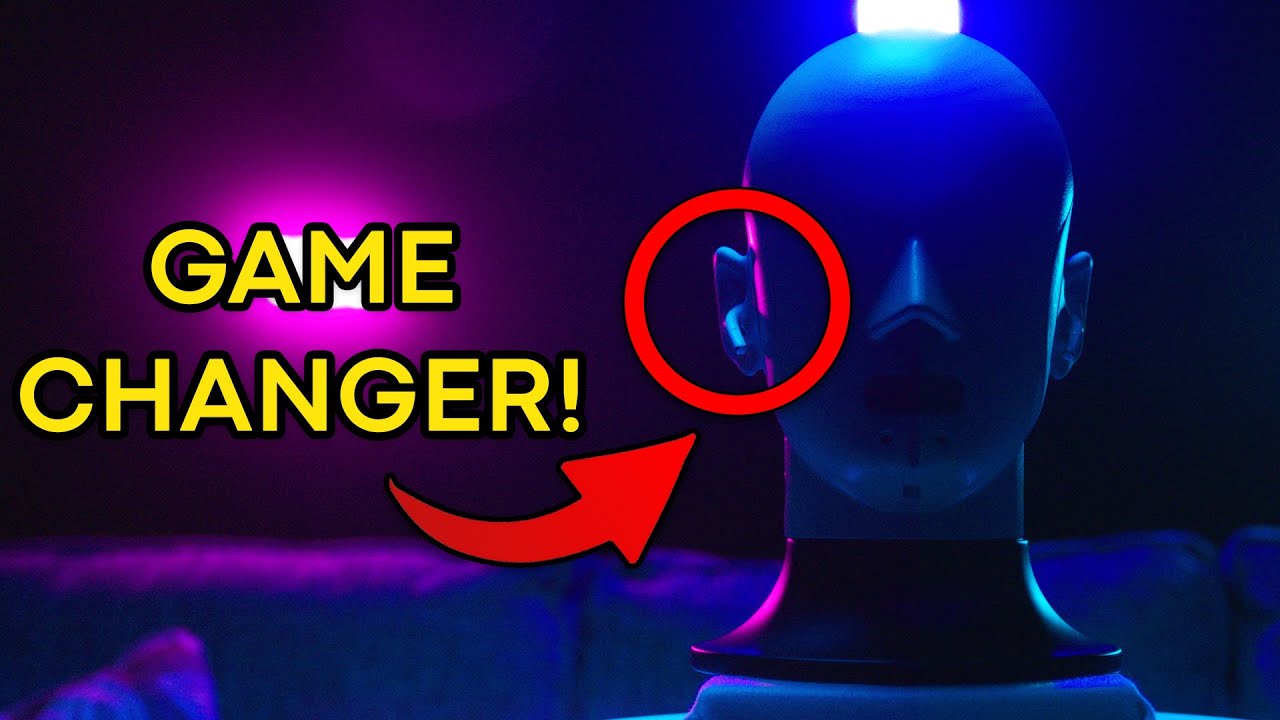
What is Spatial Audio?
What is Spatial Audio? 🎧
Imagine being immersed in a soundscape where audio isn’t just coming from left to right or up and down but envelops you like a warm embrace. This phenomenon is known as spatial audio. It revolutionizes the way we experience sound, making it feel real and three-dimensional.
So, what exactly is spatial audio? In a nutshell, it’s a technology that creates a multi-dimensional sound experience, allowing listeners to perceive sounds from various directions and distances. This immersive audio experience can be applied to music, movies, virtual reality, and gaming.
The Evolution of Spatial Audio
Spatial audio has roots in technologies like surround sound and binaural audio, but it has evolved significantly with technological advancements. Traditional surround sound systems often required multiple speakers placed strategically around a room. In contrast, spatial audio employs advanced algorithms and systems to mimic this effect using fewer speakers or even headphones.
Key innovations such as Dolby Atmos, Apple Spatial Audio, and DTS:X have made spatial audio more accessible. These systems utilize object-based audio processing, unlike traditional channel-based formats. This allows audio engineers to place sound elements in a three-dimensional space, enhancing the viewer’s experience. For instance, in a movie utilizing Dolby Atmos, you might hear a helicopter flying overhead as if it’s really there, rather than just a sound coming from behind you.
How Spatial Audio Works
At its core, spatial audio relies on a few key technologies and principles to deliver a truly immersive sound experience. Here are the main elements:


- Object-Based Audio: This allows sound elements to be positioned in a three-dimensional space rather than being limited to predefined channels.
- Binaural Audio: Utilizing two microphones, binaural recordings mimic how humans perceive sound, creating an immersive experience even on headphones.
- Head-Related Transfer Function (HRTF): This mathematical model helps adjust audio to simulate how sound waves interact with the human head and ears.
- Advanced Software Algorithms: Algorithms analyze audio signals and determine how they should be rendered in a spatial plane.
Benefits of Spatial Audio
The advantages of spatial audio are numerous, making it invaluable in various contexts. Here are just a few:
- Enhanced Immersion: Whether watching a film or playing a game, spatial audio makes listeners feel like they are part of the action.
- Improved Directionality: It allows users to identify the direction and distance of sounds, creating a more engaging experience.
- Versatility: Spatial audio can be used in various media formats, including movies, music, and gaming.
- Accessibility: With the rise of virtual and augmented reality, spatial audio provides essential sound cues that enhance user interaction.
Spatial Audio in Entertainment
From movie theaters to home entertainment systems, spatial audio transforms how we enjoy media. For instance, in films, sound designers can place audio cues in complex environments, enhancing storytelling. Think about how a thunderstorm can feel more realistic with the sounds of raindrops coming from above and distant thunder rumbling behind you.
Gaming also benefits significantly from spatial audio. In competitive gaming, players can discern the direction of footsteps or gunfire, giving them a tactical advantage. By using devices like Apple’s AirPods Pro that support spatial audio, gamers experience this advantage through enhanced sound quality and immersion.
Choosing the Right Spatial Audio System
When selecting a system for spatial audio, factors such as ease of use, compatibility, and sound quality are crucial. For instance, unlike traditional audio systems, spatial audio platforms often require minimal setup while delivering superior sound experiences. Here are a few popular options:
- Apple Spatial Audio: Integrated seamlessly with devices like AirPods Pro, providing an immersive experience for movies and music.
- Dolby Atmos: Established in the cinema world, it’s now available on many home systems and streaming services.
- DTS:X: Offers flexibility and user control over speaker setups, making it ideal for custom home theaters.
Complementary Tools for Spatial Audio
To maximize the experience of spatial audio, certain complementary tools can enhance usability and effectiveness. These tools can range from audio editing software to specific headphones designed to deliver spatial audio. Here are some ideas on how to integrate them:
- Using professional audio editing software like Adobe Audition to refine audio tracks for a more immersive experience.
- Pairing it with high-quality headphones like Bose Noise Cancelling Headphones to fully appreciate every sound detail.
- Incorporating Ableton Live for music production that leverages spatial audio techniques.
- Utilizing sound engineering plugins, such as Waves Plugins, that allow further manipulation of audio within spatial environments.
Breakdown of Adobe Audition
- Multi-track Editing: Allows the integration of multiple audio tracks seamlessly, essential for spatial sound layering.
- Advanced Effects: Offers an array of sound effects to enhance spatial audio tracks.
- Audio Restoration: Helps to clean up and enhance audio quality, crucial for immersive experiences.
- Ease of Use: User-friendly interface that simplifies the editing process for beginners and professionals alike.
Breakdown of Bose Noise Cancelling Headphones
- Active Noise Cancellation: Reduces external sounds, allowing for a fully immersive spatial audio experience.
- Comfortable Fit: Designed for long listening sessions without discomfort.
- Bluetooth Connectivity: Wireless freedom while enjoying high-quality spatial audio.
- Long Battery Life: Ensures you can enjoy uninterrupted audio experiences for hours.
Spatial Audio in Gaming and Virtual Reality
The world of gaming and virtual reality has significantly benefited from spatial audio technologies, allowing game developers to create more immersive experiences. When exploring vast digital worlds, players can hear sounds from different directions, enhancing realism and engagement.
Pairing spatial audio technology with VR headsets can transport users into a completely different dimension. By using headsets that support spatial audio, users can not only see but also “feel” their surroundings through sound, contributing to a more realistic experience.
How to Acquire Spatial Audio
If you’re interested in experiencing spatial audio, acquiring the right devices and systems is key. Many modern devices, such as smartphones and streaming media players, support spatial audio technology. For example, Apple’s devices provide an unparalleled experience when using headphones capable of capturing spatial audio features.
Users can explore platforms like Netflix, Apple Music, or Spotify, as many of these services now offer content specifically optimized for spatial audio. This integration ensures that users can enjoy a wide variety of content that takes full advantage of the immersive sound capabilities.
Application of Spatial Audio in Education
The educational sector is also benefitting from the immersive experiences provided by spatial audio. By using spatial audio in classrooms, educators can create engaging lessons that enhance learning outcomes. Imagine a history class where students can listen to speeches or events as if they were present, aided by spatial sound elements.
By integrating spatial audio systems into e-learning environments, educators can facilitate virtual field trips and immersive experiences that improve student engagement and retention. This technology opens up a new world of possibilities for interactive learning.
The Future of Spatial Audio
Looking ahead, spatial audio is expected to continue evolving with advancements in technology. As internet bandwidth improves and hardware becomes more affordable, we can anticipate an even broader adoption of spatial audio in various fields, including virtual reality, gaming, and live events.
New developments in machine learning and sound design are likely to yield enhanced algorithms that will further improve the auditory experience. This progress will continue to make spatial audio systems more accessible and user-friendly for everyone.
Why Spatial Audio Matters
In a world where sound plays a pivotal role, the innovation behind spatial audio stands out. It not only enhances entertainment experiences, but also contributes significantly to education and professional applications. As we move forward, the application and potential of spatial audio will generally enhance the way we interact with sound in our daily lives.
Curious about how you can dive deeper into the realm of spatial audio? The possibilities are limitless, and leveraging its powerful capabilities can open up new experiences that engage your senses in ways you’ve never imagined.
Applications of Spatial Audio
What is Spatial Audio? 🎧
Imagine a world where sound doesn’t just come from two speakers but envelops you from all directions. This immersive experience is what spatial audio is all about. It enhances the audio experience by simulating three-dimensional soundscapes, making you feel like you’re in the middle of the action. Whether you’re watching a movie, playing a video game, or enjoying a concert, the effects of spatial audio can transform your listening experience.
How Spatial Audio Works
At the heart of spatial audio lies the principle of sound localization. Our brains are wired to interpret sounds based on their source direction, distance, and environment. This is accomplished through various techniques such as binaural recording, which uses two microphones to create a three-dimensional sound experience, and object-based audio, where sounds are treated as independent entities. Systems like Dolby Atmos have taken these concepts further by allowing sound designers to place audio elements within a 3D space.
Benefits of Spatial Audio
- Immersion: Spatial audio creates a surround experience, allowing users to feel as if they are truly part of the environment.
- Realism: Sounds can be accurately placed within a space, enhancing the realism of films, games, and virtual reality experiences.
- Adaptability: Spatial audio can adapt to various environments, making it versatile for different media formats.
Popular Use Cases for Spatial Audio
You’ll find spatial audio being utilized in various fields, from entertainment to education. Here are some of the most popular applications:
1. Movies and TV Shows
Film and television producers leverage spatial audio to create immersive soundtracks. Viewers can experience a richer sound environment, capturing nuances that traditional stereo cannot provide. Services like Apple TV+ are utilizing this technology to enhance the user experience.
2. Gaming
In gaming, spatial audio is a game-changer. It enhances directional cues, allowing players to hear where opponents are coming from. Games developed for platforms such as Xbox and PlayStation are increasingly incorporating this feature to provide a competitive edge.
3. Virtual Reality (VR) and Augmented Reality (AR)
Spatial audio plays a critical role in VR and AR applications by making virtual experiences more believable. When combined with visual elements, it helps users feel truly immersed in digital environments.
How to Enhance Your Experience with Complementary Tools
While spatial audio offers numerous advantages, combining it with complementary tools can further enhance your listening experience. Here are eight ideas for tools that work well with spatial audio:
1. Headphones with Spatial Awareness
Opt for headphones specifically designed for spatial audio. Products like the AirPods Pro adaptively manage sound, enhancing the immersive experience even further.
2. Audio Mixing Software
Using audio mixing software such as Ableton Live can allow you to create custom soundscapes. Here are some benefits and features:
- Intuitive Interface: User-friendly design makes it easier to manipulate sound.
- Flexibility: Supports a wide range of plugins for enhanced audio control.
- Collaboration: Allows multiple users to work on audio projects simultaneously.
- Real-time Editing: Enables immediate feedback and adjustments during the mixing process.
3. Smart Speakers
Products like the Amazon Echo can deliver spatial audio content for a home-entertainment experience that engages the listener beyond conventional stereo outputs.
4. Sound Design Tools
Explore sound design tools like Reason to create your own audio effects and enhance your spatial audio projects with unique sounds.
5. Educational Resources
Platforms such as Coursera offer courses on spatial audio mastering techniques, ensuring you’re not just using tools but understanding the theory and practice behind them.
6. Streaming Services
Services like Sonos provide a wide variety of immersive audio experiences that incorporate spatial audio for various media.
7. Collaboration Software
Use platforms like Zoom for virtual meetings that utilize spatial audio to enhance communication and engagement during group discussions.
8. Specialized DACs
High-quality digital-to-analog converters (DACs) such as those from Chord Electronics can significantly improve the sound quality of your spatial audio experiences. Here are some compelling features:
- Enhanced Fidelity: Provides superior sound quality for a truly immersive experience.
- Support for High-Resolution Audio: Maximize the capabilities of spatial audio with high-definition sources.
- Compatibility: Works well with various devices, making it a versatile choice.
- Low Latency: Ensures real-time audio without delays, which is crucial in gaming and virtual reality applications.
9. Music Production Software
Using DAWs (Digital Audio Workstations) like FL Studio enables you to create music that utilizes spatial audio principles, enhancing how listeners engage with your tracks.
10. Podcasting Equipment
When producing podcasts, tools like Shure MV7 Microphone enhance voice clarity and depth, making your voice sound more immersive when paired with spatial audio techniques.
Conclusion on the Value of Spatial Audio
In conclusion, spatial audio represents a significant leap in how sound is experienced across various media. It offers enhanced immersion, realism, and adaptability, making it a vital tool in entertainment and communication.
By integrating spatial audio with complementary tools mentioned, users can amplify their audio experiences further, drawing them deeper into the worlds of music, film, and virtual reality. The music and soundscapes transform, allowing audiences to feel every note, sound effect, and dialogue as if they were there, making every auditory experience memorable.
For those looking to explore more on this exciting technological frontier, consider diving into the resources and tools outlined above. The world of sound is rapidly evolving, and with spatial audio, the possibilities are endless.
Technological Foundations of Spatial Audio
**Spatial audio** represents a significant breakthrough in audio technology, transforming the way we experience sound. By creating an immersive sound experience, spatial audio allows listeners to perceive sounds as coming from various directions and distances, much like they do in real life. 🎧 But how does this work?
At its core, spatial audio utilizes advanced signal processing techniques and 3D sound modeling. These technologies create a sense of depth and dimension that standard stereo audio cannot achieve. The key components of spatial audio systems include:
- Ambisonics: A full-sphere surround sound technique that captures audio from all directions.
- Binaural audio: Simulates the natural human hearing process using two-channel audio to enhance depth.
- Object-based audio: Allows individual sounds to be treated as separate entities, enhancing the spatial experience.
When combined, these elements result in a comprehensive audio landscape that envelops the listener, making it ideal for applications in cinema, gaming, and virtual reality.
How Spatial Audio Enhances User Experience
**What is spatial audio** goes beyond mere sound quality; it fundamentally enhances user experiences across multiple platforms. For instance, in a gaming environment, the clarity of audio positioning helps players react quicker to in-game events. Unlike traditional audio formats, this immersive approach ensures that each sound source is distinctly recognized, whether it is a footstep behind you or a car zooming past on your right.
Moreover, spatial audio improves storytelling by enhancing auditory backdrop settings, creating a compelling world for the audience to engage with. Using spatial audio with gaming engines such as Unity or Unreal Engine can revolutionize the way developers craft soundscapes for their projects. Combining these tools with **spatial audio** results in a highly dynamic audio environment that captivates users.
Benefits of Spatial Audio
1. **Immersive Experience:** With 3D audio capabilities, users feel as though they are surrounded by sound, cultivating a more engaging experience.
2. **Enhanced Communication:** In environments like Zoom calls or virtual meetings, spatial audio can help differentiate speakers, making discussions clearer and more natural.
3. **Accessibility:** Spatial audio is instrumental for individuals with hearing impairments, as it highlights sound sources more effectively than conventional audio.
Applications of Spatial Audio
The applications of spatial audio span across various fields, from entertainment to education. Here are some prominent areas where it excels:
- Film and Television: Spatial audio enhances the cinematic experience by immersing audiences in rich soundscapes, from soft whispers to booming explosions.
- Virtual Reality (VR): In VR environments, realistic sound positioning can elevate experiences, aiding in navigation and interaction.
- Music Production: Artists and producers utilize spatial audio tools to craft multi-dimensional sound experiences that traditional stereo recordings can’t replicate.
Complementary Tools to Maximize Spatial Audio
To fully tap into the potential of spatial audio, several complementary tools can enhance its effectiveness. Here’s how you can use them to elevate your audio experience:
1. Dolby Atmos
**Dolby Atmos** is one of the leading technologies in spatial audio. By allowing sounds to move freely throughout a three-dimensional space, it goes beyond channels to offer a fully immersive experience. This technology is commonly used in theaters and streaming platforms to provide a dynamic sound environment.
Using Dolby Atmos, you will achieve higher fidelity in sound reproduction, ensuring every audio detail is experienced as intended. Explore how to integrate Dolby Atmos with [this guide](https://www.dolby.com/technologies/dolby-atmos/)!
2. Logic Pro X
Logic Pro X is an excellent tool for music producers looking to harness spatial audio capabilities. This DAW (Digital Audio Workstation) incorporates advanced surround sound features that allow artists to create intricate audio landscapes.
- Support for 3D audio formats for an immersive mixing environment.
- Comprehensive tools for audio editing that facilitate detailed adjustments.
- Integration with various plugins specific for spatial audio production.
- Multiple channel output options for enhanced flexibility in sound design.
Using Logic Pro X with **spatial audio** capabilities ensures your music captures every nuance, allowing for creative freedom. Discover more about its features [here](https://www.apple.com/logic-pro/).
3. Avid Pro Tools
Avid Pro Tools offers powerful features for audio recording and post-production. It implements spatial audio concepts efficiently, allowing for precise audio placement in space, thus fine-tuning the auditory experience.
4. Spatial Audio HRTF Tools
Tools that provide Head-Related Transfer Function (HRTF) simulations help create an authentic sound environment. They precisely capture how sound waves interact with the human head and ears, enhancing the overall realism of spatial audio.
5. VR Platforms
Platforms like Oculus and HTC Vive benefit significantly from spatial audio integration, enhancing user experience through immersive soundscapes that respond to head movements.
6. Home Theater Systems
Many modern home theater systems support spatial audio formats, allowing users to transform their living rooms into immersive entertainment spaces. Incorporating a sound system designed for spatial audio can dramatically enhance your movie-watching experience.
7. Video Conferencing Tools
Apps like Zoom are increasingly using spatial audio features to improve virtual communication. This approach helps recreate the sensation of face-to-face conversations, significantly enhancing user engagement and clarity.
8. Adobe Audition
Adobe Audition provides a comprehensive set of tools to help sound designers and audio engineers maximize spatial audio’s potential. This robust editing software excels in producing high-quality audio output suitable for either music or sound design.
- Provides advanced audio restoration tools to ensure pristine sound quality.
- Offers multi-track editing for detailed soundscaping.
- Facilitates comprehensive spatial design with its extensive plugin support.
- Integrates seamlessly with other Adobe software for a smooth workflow.
Using Adobe Audition in conjunction with **spatial audio** allows for meticulous adjustment and creativity in audio production. Check it out [here](https://www.adobe.com/products/audition.html).
9. Spatial Audio Plugins
Various plugins are available that allow for spatial audio processing within existing DAWs. These plugins enhance the audio experience by offering features that enable sound manipulation in a spatial environment.
10. Soundcapes for Meditation and Relaxation
By incorporating curated soundscapes that use spatial audio principles, users can enhance relaxation sessions or meditation practices, creating a calming immersive environment.
Conclusion: The Future of Audio Experiences
Understanding **what is spatial audio** can open new doors in sound design, entertainment, and user interaction. Each of the complementary tools mentioned can enhance the experience, resulting in immersive environments that improve clarity and emotional engagement. Whether for gaming, virtual reality, or music production, the applications are expansive. So, whether you’re a sound engineer, a gamer, or simply someone looking to enjoy a feature-rich audio experience, utilizing spatial audio and its complementary tools will undoubtedly enhance your auditory journey.
What is Spatial Audio? 🎧
Spatial audio transforms traditional sound by creating an immersive listening experience that makes you feel surrounded by the audio environment. Unlike standard stereo sound that plays through two speakers, spatial audio uses advanced technologies to simulate three-dimensional sound, offering a richer and more realistic auditory experience.
The Basics of Spatial Audio
Spatial audio incorporates strategies such as object-based audio and sound localization. With spatial audio, individual sound elements are treated as separate objects, allowing their placement within a three-dimensional space. This means sounds can come from above, below, or around the listener, enhancing the overall experience.
The Science Behind It
To grasp how spatial audio functions, it’s essential to consider how humans perceive sound. Our brains utilize various cues, such as the time delay and intensity of sounds entering each ear, to determine the location of audio sources. Spatial audio replicates these cues using advanced algorithms, especially in technologies like Dolby Atmos, which has set a new standard for immersive sound.
How Spatial Audio Works
Spatial audio operates through several technologies, with two of the most prominent being:
- Dolby Atmos: This technology enables sounds to be precisely placed within a three-dimensional space.
- Auro-3D: Focuses on vertical sound representation, adding height to audio to create a more lifelike experience.
These systems allow sound designers to position audio objects in a 3D space, elevating audio experiences across various platforms like movies, video games, and music.
Benefits of Spatial Audio
When comparing spatial audio to conventional audio setups, advantages are evident:
- Immersive Experience: Engaging the listener more deeply enhances content engagement and enjoyment.
- Enhanced Clarity: Sounds are clearer and more distinct, allowing for better understanding of dialogue in films or games.
- Realistic Soundscapes: Environments created with spatial audio reflect a more realistic auditory landscape.
Applications of Spatial Audio
From films to gaming, spatial audio finds numerous applications:
- Film and TV: Provides immersive soundscapes that place viewers directly in the action.
- Gaming: Enhances gameplay by accurately portraying sound from different directions, improving the player’s ability to react.
- Live Events: Used in concerts and installations, immerses the audience in a unique auditory experience.
Best Practices for Using Spatial Audio
To maximize the benefits of spatial audio, consider integrating it with complementary tools. Here are some ideas:
- Pair spatial audio with a good quality pair of speakers for optimal reproduction. Brands like [Sonos](https://www.sonos.com) have designed systems that support spatial audio formats.
- Use DAWs like [Ableton Live](https://www.ableton.com) for creating music that fully utilizes spatial audio capabilities.
- Experiment with sound design software like [Logic Pro X](https://www.apple.com/logic-pro/) to create dynamic sound environments.
- Combine with immersive VR experiences that incorporate spatial audio for an unparalleled sense of presence.
- Leverage streaming services like [Apple Music](https://www.apple.com/apple-music/) that support spatial audio to enhance everyday listening.
- Incorporate audio plugins like [Waves](https://www.waves.com) for spatial processing options tailored to songs and soundscapes.
- Utilize educational platforms that teach sound design fundamentals aligned with spatial audio characteristics.
- Use spatial audio with content management systems like [WordPress](https://wordpress.org/) that can host multimedia content effectively, bringing immersive experiences to your audience.
- Engage in collaborative projects with other creators specifically using spatial audio to expand creative horizons.
- Participate in spatial audio forums and communities to share insights and innovations with other professionals.
Complementary Tools to Enhance Spatial Audio
1. Dolby Atmos
Dolby Atmos is perhaps the most recognized spatial audio technology. Its benefits include:
- Precise sound placement for realism.
- Ability to create moving audio tracks that change as you shift position.
- Compatibility with a range of devices, from headphones to soundbars.
- A growing library of content that supports immersive experiences.
2. Ableton Live
Ableton Live is a popular DAW used to mix music with spatial audio:
- User-friendly interface for beginners and professionals.
- Extensive library of samples and loops, enhancing creativity.
- Real-time collaboration features for shared projects.
- Supports multiple plugin formats for custom sound design.
Utilizing Ableton Live in conjunction with spatial audio permits music creators to craft soundscapes that deeply resonate with their audience.
3. Logic Pro X
Another excellent tool, Logic Pro X, offers powerful features for creating spatial audio tracks:
- Customizable sound channel settings for tailored mixing.
- Built-in instruments and effects designed for professional music production.
- Project management tools for efficient workflow.
- Support for spatial audio plugins.
4. Soundtrap
Soundtrap is an online music studio perfect for working with spatial audio from anywhere:
- Collaborative multiplayer functionality.
- Accessible interface geared towards all skill levels.
- Cloud-based for easy access to projects.
- Seamless integration with other software and hardware.
5. WaveLab
WaveLab is a recognized audio editing tool that enhances the use of spatial audio:
- Mastering capabilities tailored for rich audio landscapes.
- Advanced editing features for precision sound manipulation.
- Equalization tools for optimized sound clarity.
- Support for various file formats, ensuring compatibility.
6. Final Cut Pro
Final Cut Pro integrates with spatial audio in video editing:
- Robust editing tools for syncing sound and visuals.
- Support for advanced audio controls and spatial arrangements.
- Optimized for Mac, ensuring streamlined performance.
- Collaboration features for team projects and feedback.
7. LANDR
LANDR provides automated mastering services that complement spatial audio projects:
- AI-driven mastering to enhance clarity and depth.
- Quick turnaround without sacrificing quality.
- Online accessibility makes it easy for remote creators.
- Multiple tone settings tailored for specific genres.
8. WordPress
Utilizing WordPress as your CMS can greatly benefit spatial audio projects:
- Customizable plugins to incorporate spatial audio formats.
- SEO-friendly architecture to reach wider audiences.
- Ease of content management for seamless updates.
- Community-driven support for troubleshooting and enhancements.
By integrating WordPress with spatial audio, creators can deliver more engaging experiences, attracting and retaining viewers effectively.
9. YouTube Music
YouTube Music allows users to explore spatial audio tracks, providing:
- A vast library of music with spatial audio support.
- Flexible playlists that accommodate all preferences.
- Syncing across devices for seamless listening.
- Creating and sharing personalized playlists.
10. Collaboration Tools
Utilizing tools like Slack can assist in managing projects that incorporate spatial audio:
- Facilitates communication among team members working on audio projects.
- Allows file sharing of audio drafts and feedback loops.
- Integration with various audio production applications.
- Enables organized project channels for clarity and focus.
Challenges and Considerations
While the advantages of spatial audio are substantial, it is crucial to consider potential challenges, such as:
- Need for compatible hardware to experience full benefits.
- Limited content available in certain formats.
- Need for proper mixing techniques to avoid sound clutter.
Despite these challenges, the evolution of spatial audio continues, promising further advancements in the future. By combining it with the right tools and technologies, users can push the boundaries of creativity and audio production.
The Future of Spatial Audio
As we move forward, the demand for spatial audio will likely grow, particularly with the rise of virtual reality and augmented reality platforms that greatly benefit from immersive sound. 🚀 Those who adopt spatial audio techniques early are poised to lead the way in audio production innovation.
Incorporating spatial audio into your repertoire not only elevates your projects but also places you at the forefront of a listening revolution. Embracing this technology will allow both creators and consumers to experience sound in entirely new dimensions. But that’s not all; as developments continue to emerge, keeping an eye on industry trends will be crucial for remaining at the cutting edge of this exciting landscape.
