What is Shabbat: 7 unique traditions to explore today
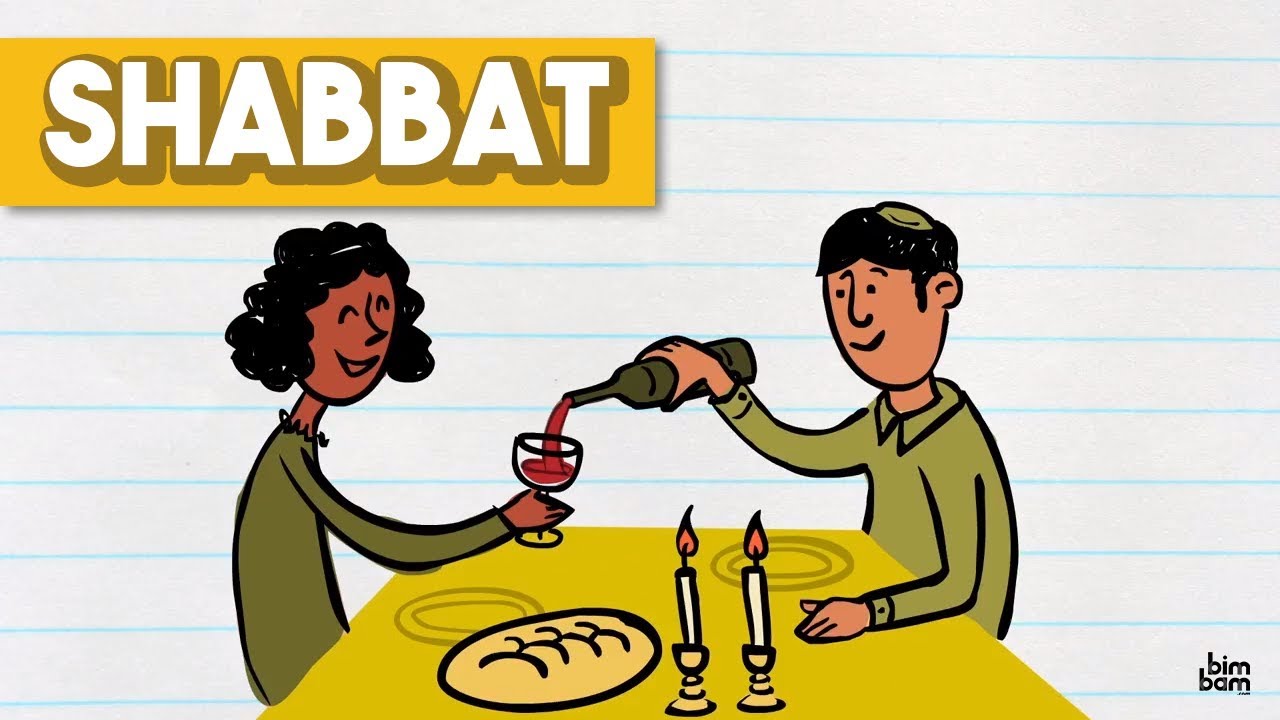
What is Shabbat?
Shabbat, a term that resonates deeply within Jewish tradition, is a sacred day of rest observed weekly from Friday evening until Saturday night. 🌙 This remarkable period is not merely a day off from work; it embodies the essence of spiritual renewal, community bonding, and reflection. But what exactly does it involve?
The Origins of Shabbat
The roots of Shabbat can be traced back to the Biblical creation story, where it is written that God created the world in six days and rested on the seventh. This is encapsulated in the commandment found in the Torah in Exodus 20:8-11, which emphasizes the importance of refraining from work and dedicating this time to holiness. Unlike other holidays in the Jewish calendar, Shabbat is a constant and recurring experience, weaving itself into the very fabric of Jewish life.
How is Shabbat Observed?
The observance of Shabbat involves a plethora of rituals and customs that enrich the experience. Here are some key practices:
- Lighting the Candles: Shabbat begins with the lighting of candles, about 18 minutes before sunset on Friday evening. This act symbolizes the welcoming of the Shabbat spirit into the home.
- The Blessings: The Kiddush, a blessing recited over wine, sanctifies the day, marking it as special and separate from the weekday.
- Challah Bread: Traditionally, two loaves of braided bread called challah are on the table, serving as a reminder of the double portion of manna provided to the Israelites during their time in the desert.
- Prayer Services: Many families attend synagogue services on Friday evening and Saturday morning, further enhancing the community experience.
Key Components of Shabbat
Observing Shabbat involves abstaining from 39 categories of work, known as Melachot. These include activities such as cooking, writing, and using electronic devices. Understanding these categories is essential for practicing Shabbat truly. For example:


- Cooking: Preparing food prior to Shabbat is necessary since cooking is not permitted during this time, adding an element of preparation to the experience.
- Writing: Instead of jotting down notes, families might engage in conversations, storytelling, or reading from sacred texts.
By embracing these practices, Shabbat serves as a weekly opportunity to disconnect from the hustle and bustle of everyday life. But, that’s not all…
Benefits of Observing Shabbat
The positive impacts of Shabbat on individuals and families extend far beyond religious adherence. Here are some notable benefits:
- Strengthening Family Bonds: Shabbat creates a unique space for families to come together, share meals, and engage in meaningful conversations.
- Promoting Mental Well-being: Stepping away from the daily grind provides mental clarity and promotes relaxation, ultimately enhancing overall well-being.
- Cultivating Community: Community prayers and gatherings during Shabbat foster strong interpersonal connections and a sense of belonging.
- Spiritual Reflection: Shabbat encourages individuals to reflect on their lives, fostering spiritual growth and inner peace.
Complementary Tools and Practices to Enhance Shabbat
Integrating certain tools and practices can enrich the Shabbat experience. Here are some suggestions:
1. Shabbat Apps
Utilizing apps designed for Shabbat can help streamline preparations and enhance observance. For instance, applications like Kosher.com provide delicious recipes tailored for Shabbat meals, ensuring your dining table is both festive and fulfilling.
2. Shabbat Planning Calendars
- Schedule and Preparation: These calendars assist in organizing meal prep tasks to minimize last-minute chaos.
- Candle Lighting Reminders: Automated alerts remind users when to light candles, ensuring a smooth transition into Shabbat.
- Reflective Notes: Space is often provided for personal reflections each week, encouraging mindfulness and introspection.
- Recipe Suggestions: Incorporating traditional recipes specific to weekly themes can introduce variety and creativity into Shabbat meals.
3. Cooking Tools
Having the right tools can significantly enhance the cooking experience on Fridays. Consider investing in high-quality kitchen gadgets or appliances like slow cookers or Instant Pots, which can simplify the cooking process while ensuring flavorful dishes.
4. Family Games
Engaging board games or card games can be an excellent way to bond during Shabbat. These activities not only entertain but also encourage communication and laughter, strengthening family ties.
5. Books for Study
Incorporating study into Shabbat can deepen its significance. Use a well-regarded commentary on Torah portions or books on Jewish philosophy, enriching conversations during meals.
6. Musical Instruments
Incorporating music can enhance the Shabbat atmosphere. Instruments like a guitar or flute can help create a joyful and vibrant experience, especially during mealtime.
7. Wine and Beverage Accessories
Consider using beautiful wine decanters or special goblets to elevate the drinking experience during Kiddush. Such accessories not only enhance the ceremony but also add aesthetic appeal to the Shabbat table.
8. Online Classes and Workshops
- Enhanced Learning: Online workshops allow for deeper understanding of Shabbat traditions and customs.
- Community Involvement: Participation in active online communities can enrich the Shabbat experience through shared insights and experiences.
- Interactive Cooking Classes: Engage with professional chefs who specialize in traditional Jewish cuisine, resulting in delightful Shabbat meals.
- Broaden Perspective: Learning from experts can introduce new traditions and practices, keeping Shabbat fresh and meaningful.
9. Outdoor Activities
Take advantage of the natural beauty surrounding you by planning outdoor family activities on Shabbat afternoons, such as picnics or nature walks. These allow families to enjoy each other’s company while soaking in the tranquility of nature.
10. Volunteering Together
Sharing acts of kindness is a beautiful way to honor the spirit of Shabbat. Engage in community service with family or community members, fostering gratitude and a sense of giving.
Reflections on Shabbat
The importance of Shabbat extends beyond religious observance; it is a gateway to building a meaningful life. By embracing Shabbat alongside complementary tools and practices, you create an environment rich in warmth, connection, and personal growth.
As you explore more about what Shabbat entails and the depth it brings into your life, consider how each ritual or practice can enhance not just the day itself but also your overall quality of life.
Frequently Asked Questions about Shabbat
What can you not do on Shabbat?
While the essence of Shabbat lies in rest, certain activities termed as Melachot (work) are prohibited. This includes cooking, lighting fires, and using electronic devices.
Can you use technology on Shabbat?
Traditionally, use of electronic devices is prohibited during Shabbat. However, various apps and tools can be utilized before the onset of Shabbat to aid in preparations.
How do you conclude Shabbat?
Shabbat concludes with a ceremony called Havdalah, which involves lighting a special braided candle, smelling spices, and reciting blessings. This marks the transition back to the regular work week.
As you can see, Shabbat offers a unique blend of rest, spirituality, and family connection that is invaluable. And as you immerse yourself in its practices, remember that each element can significantly enhance your experience, leading to profound personal growth and fulfillment.
Rituals of Shabbat
What is Shabbat? 🌟
Shabbat, often spelled as “Sabbath,” is a central and sacred observance in Jewish tradition. It begins at sunset on Friday and concludes at nightfall on Saturday, marking a day of rest and spiritual enrichment. This 25-hour period offers an opportunity for reflection, family time, and connection with tradition. Understanding what is Shabbat includes comprehending the rituals and practices that define this weekly holiday.
Understanding the History of Shabbat
The origins of Shabbat trace back to the biblical creation narrative in the Book of Genesis, which states that God created the world in six days and rested on the seventh. This divine act establishes a model for human rest and renewal. Over the centuries, Shabbat has evolved into a robust cultural and religious institution, widely practiced among Jews worldwide.
Key Practices and Rituals of Shabbat
Shabbat is rich with meaningful rituals that enhance the experience. Here are some key practices:
- Candles: Shabbat begins with the lighting of candles, traditionally two, symbolizing the dual commandments to “remember” and “observe.”
- Kiddush: A sanctification ceremony performed over wine or grape juice to bless the day.
- Challah: Special braided bread is eaten, often ritualistically washed before consumption.
- Prayers: Various prayers are recited in synagogues and homes, fostering a sense of community and spirituality.
- Family Meals: Shabbat is known for festive meals shared with family, highlighting hospitality and gratitude.
Spiritual and Community Aspects of Shabbat
Beyond individual observance, Shabbat serves as a focal point for community bonding. Many congregations hold services to welcome the day, where prayers, songs, and teachings foster a shared spiritual journey. The communal atmosphere enhances feelings of belonging and support.
The Importance of Rest and Reflection
One of the core tenets of what is Shabbat is the idea of taking a pause from the complexities of daily life. This break allows individuals to recharge mentally and spiritually. In today’s fast-paced world, the importance of rest and reflection can’t be overstated. It encourages mindfulness and deepens one’s personal relationship with faith.
What to Avoid on Shabbat
Shabbat is characterized not only by what is done but also by what is avoided. Certain activities, known as “melacha,” are prohibited, including:
- Work: Engaging in professional or creative work disrupts the sanctity of the day.
- Use of Electronics: Many observant Jews refrain from using phones, computers, and televisions to maintain focus on spirituality and family.
- Cooking and Preparing: Cooking is traditionally done before Shabbat begins, allowing for pre-prepared meals.
Complementary Tools to Enhance Your Shabbat Experience
Maximizing the Shabbat experience can be achieved through various complementary tools and services, which enhance its mood and atmosphere. Here are some ideas:
- Shabbat Apps: Such as Shabbat.com, these apps offer candle lighting times, recipes, and prayer guides.
- Online Kosher Meal Services: By subscribing to a service like Kosher.com, you can have ready-to-eat meals delivered, ensuring meals are both tasty and compliant with Shabbat rules.
- Jewish Music Playlists: Create or use platforms such as Spotify to access playlists that enhance the Shabbat atmosphere.
- Community Support Groups: Engage with online communities through platforms like Facebook for shared stories and experiences relating to Shabbat.
- Shabbat Candle Holders: Invest in beautiful candle holders to elevate your lighting ceremony. You can find exquisite designs on platforms like Amazon.
Diving Deeper: Using Complementary Tools
1. Shabbat Apps
- Provides accurate candle lighting times based on location.
- Offers a plethora of recipes specifically for Shabbat dinners.
- Guides you through prayers and blessings for a more meaningful experience.
- Features community forums for sharing insights and ideas.
8. Community Support Groups
- Connects you with others observing Shabbat, swapping traditions and tips.
- Enhances your sense of belonging, particularly if you’re away from home.
- Facilitates discussions around spiritual questions and reflections.
- Increases opportunities for communal gatherings and celebrations.
Transforming the Home Environment for Shabbat
Creating a suitable environment for Shabbat can significantly enhance the experience. Here are some suggestions on how to transform your space:
- Declutter: Clean and organize your space before Shabbat begins to encourage a peaceful atmosphere.
- Decorate: Use meaningful decor or family heirlooms that resonate with the spirit of Shabbat.
- Focus on Lighting: Soft lighting can create a serene ambiance that is conducive to relaxation and reflection.
Shabbat and Family Traditions
Each family may have unique traditions to enhance their Shabbat experience. This can manifest in different ways, such as special family rituals, homemade meals, or community volunteering. The continuity of these traditions fosters a sense of identity and enables families to create shared memories.
The Personal Benefits of Observing Shabbat
Integrating Shabbat observance into life has numerous personal benefits. It promotes mental well-being, encourages family bonding, and reminds individuals of their values and beliefs. By committing to regular Shabbat observance, individuals often experience greater satisfaction and balance in their lives.
Engaging with the Wider Community
An essential aspect of Shabbat is engaging with others. Participating in community services or local events can significantly enrich your Shabbat experience. Use resources like Eventbrite to find local gatherings or Shabbat meals hosted by different families.
Wrap-Up: Enriching Your Shabbat Journey
To truly appreciate what is Shabbat, one must embrace the rituals, community involvement, and personal reflection that define it. Through the integration of complementary tools and practices, individuals can elevate their Shabbat experiences and deepen their spiritual connections.
As you explore what is Shabbat, remember that each observance is unique. Everyone’s journey is shaped by personal and communal experiences that echo through generations. Approaching Shabbat with an open heart can yield profound insights and blessings.
What is Shabbat? 🌟
Shabbat, or the Sabbath, is a day of rest and spiritual enrichment observed by Jews around the world. It begins at sundown on Friday and lasts until nightfall on Saturday. Its significance goes beyond mere rest; it is a time for reflection, family gatherings, and spiritual rejuvenation. But why is it essential, and how can you enhance your Shabbat experience? Keep reading to find out!
Spiritual Significance of Shabbat
At its core, **Shabbat** serves as a reminder of the divine creation of the world, as articulated in the Torah. It commemorates God’s day of rest after creating the universe in six days. The observance of this day fosters a spiritual connection, providing individuals with an opportunity to step back from their daily hustle and engage with their spirituality and community.
Shabbat is intricately connected to themes of faith, community, and tradition. It encourages individuals to detach from material pursuits and focus on the things that truly matter—relationships, spirituality, and renewal. This focus helps cultivate a sense of peace and holiness, allowing participants to reset their souls.
Traditional Practices During Shabbat
During Shabbat, several traditional practices create an atmosphere of sanctity:
- Candle Lighting: Shabbat begins with the lighting of candles, often followed by blessings. This signifies the welcoming of the Sabbath.
- Prayer Services: Many attend synagogue for prayer services, which are deeper than regular services, fostering community bonds.
- Festive Meals: Sharing meals with family is a cornerstone of Shabbat. Dishes vary by culture, with challah bread and wine often included.
- Rest and Reflection: Activities are limited to allow for rest and meditation, emphasizing the day’s sacredness.
Why Observing Shabbat Matters
Though some may see Shabbat as an outdated tradition, its importance is significant in today’s fast-paced world. Observing Shabbat offers a dedicated time to disconnect from technology and reconnect with one’s values, family, and faith. This structured pause allows space for mindfulness and gratitude, enhancing both personal well-being and community solidarity.
How to Enhance Your Shabbat Experience
Shabbat can be further enriched by combining it with various complementary tools and services. Below are some actionable ideas that you can incorporate to elevate your Shabbat observance:
1. Shabbat Planners
A Shabbat planner can help organize meals, create a list of activities, and set aside time for reflection. You can customize your planner to include daily prayers, ensuring every Shabbat is meaningful.
2. Shabbat Apps
Using a Shabbat app, such as ShabBox, can greatly enhance your experience:
- User-Friendly: Simplifies the process of planning meals and activities.
- Resourceful: Provides access to prayers, blessings, and food recipes.
- Customizable: Allows you to create a personal schedule and set reminders.
- Community Engagement: Connects you with nearby events and gatherings during Shabbat.
3. Guided Meditation Sessions
Incorporating guided meditation can enhance the spiritual depth of your observance. Explore resources online, such as Headspace, to find meditative practices specifically designed for Shabbat.
4. Family Game Night
Consider family game nights using traditional board games or discussions that spark thoughtful conversations. This enhances family bonding and collective discovery, reinforcing community ties.
5. Recipe Sharing Platforms
Utilizing platforms like Epicurious helps explore new recipes for festive meals, allowing variety and creativity in your Shabbat meals.
6. Music Streaming Services
Consider using music streaming platforms to create a special playlist for Shabbat. Services like Spotify can host a mix of traditional and modern Jewish music to enhance the ambiance.
7. Reading Material
Reading during Shabbat is encouraged. Invest in books or subscribe to magazines that focus on Jewish teachings and stories. Websites like Jewish Book Council offer great recommendations.
8. Create a Shabbat Retreat
Transform your home into a serene retreat for Shabbat observance. Use calming scents, decorative candles, and peaceful ambient lighting to enhance the atmosphere. Explore items on sites like Walmart to decorate thoughtfully.
- Calming Ambiance: Creates a sacred resting space.
- Enhanced Spirituality: Encourages deeper reflection and meditation.
- Family Connection: Promotes quality time with loved ones.
- Customized Decor: Use personal items that resonate with your family’s traditions.
9. Online Workshops and Classes
Participating in workshops about traditions or arts can enhance your observance. Websites such as Craftsy can assist you in learning how to craft items for Shabbat.
10. Volunteer Opportunities
Engaging in volunteer work can be a wonderful way to infuse meaning into your Shabbat. Find local organizations through sites like VolunteerMatch to contribute your time and skills.
Connection of Shabbat to Jewish Heritage
Shabbat is not just a day of rest; it’s a deep-rooted part of Jewish heritage. Its observance carries significant historical implications, celebrating Jewish freedom and identity. Understanding this connection enhances the respect for the traditions followed during this holy time.
The Historical Context of Shabbat
The Torah emphasizes the importance of Shabbat from the moment it was introduced, presenting it as a divine commandment. It serves as a weekly reminder of the liberation of the Israelites, grounding the practice in a broader religious and cultural context. This historical lens nurtures a deeper appreciation of the observance, linking it to shared values and identity.
Modern Interpretations of Shabbat
In modern times, Shabbat is adapted by various communities around the world. Some may incorporate innovations that reflect contemporary lifestyles while maintaining the essence of the tradition. This could mean engaging in unique family rituals or finding creative ways to commemorate the day with community service or digital gatherings.
Digital Shabbat and Technology
As technology advances, some Jews are adopting practices such as digital Shabbat, where online gatherings replace traditional in-person meetings. This trend highlights how Shabbat can evolve while still adhering to its core values. Balancing technology with traditional observance offers a new way to enrich spiritual life without losing connection.
The Role of Community in Shabbat Observance
Communal observance enriches the experience of Shabbat. Many find strength and companionship within their communities, fostering unity through shared practices.
Building Community Ties
Participating in communal meals, study groups, and prayer services nurtures relationships, providing support and camaraderie. Community gatherings during Shabbat serve as a reminder of shared faith and collective identity, making them invaluable to the overall experience.
Personal Experiences and Anecdotes
The significance of Shabbat resonates personally with many individuals. Sharing stories about Shabbat customs and rituals can inspire others to deepen their relationship with this sacred time. Whether online or in your community, these narratives bind people together, creating a shared remembrance of faith across generations.
Conclusion
Shabbat is a multifaceted observance that transcends mere rest. Through its spiritual, historical, and community-oriented aspects, Shabbat offers a means of connection and reflection for individuals. It is a day that invites innovation, from traditional practices to modern adaptations, ensuring that its core values remain vibrant in contemporary life.
Community and Shabbat
What is Shabbat? A Journey into Its Meaning and Significance
Shabbat is more than just a day of rest; it’s a cornerstone of Jewish identity, culture, and spirituality. Observed weekly from Friday evening to Saturday evening, Shabbat provides a unique opportunity for reflection, community, and connection to tradition. 🌟 In this article, we will explore what Shabbat is, its origins, rituals, and how it can be enriched through complementary tools and practices.
The Origins of Shabbat
Shabbat has its roots in the biblical commandment to rest on the seventh day, as described in the Book of Genesis. This day serves as a reminder of God’s creation and the importance of taking time off from the hustle and bustle of daily life. By adhering to Shabbat traditions, Jewish families reinforce their cultural connections and values.
Understanding the Rituals of Shabbat
Shabbat rituals play a vital role in observance. The significance of these practices ranges from enhancing spiritual experiences to bringing family and community together. Let’s delve deeper into some of the most significant rituals:
Lighting the Candles
The Shabbat begins with the lighting of candles, performed by the woman of the household, to signify the arrival of the day of rest. This ritual is accompanied by a blessing, setting a peaceful tone for the evening.
Challah Bread
Another essential aspect of Shabbat is the consumption of challah, a special braided bread. Before the meal, the blessing over the bread is recited, symbolizing abundance and unity among family members.
The Shabbat Meal
Shabbat meals are cherished occasions, often involving multiple courses and traditional dishes. This is a time for families to gather, share stories, and connect with one another, reinforcing community bonds.
Enjoying Silence and Reflection
One of the key elements of Shabbat is refraining from work-related activities, which allows for reflection and tranquility. This time can be spent reading, studying sacred texts, or simply enjoying nature.
The Benefits of Observing Shabbat
Observing Shabbat offers numerous benefits, including:
- Enhancing spiritual fulfillment through rituals.
- Strengthening family ties by enjoying meals together.
- Encouraging mindfulness and relaxation.
- Providing a consistent time for reflection and rejuvenation.
Complementary Tools for Enhancing Shabbat Observance
While Shabbat itself is profound, there are tools and practices available that further enhance the experience. Here are some ideas on how to combine what is Shabbat with complementary tools:
1. Shabbat Resources App
Utilizing an app dedicated to Shabbat resources can help families navigate rituals more smoothly. By downloading an app like MyJewishLearning, users can access prayers, recipes, and insights that can enrich their Shabbat experience.
2. Music for Shabbat
Incorporating music enhances the atmosphere of your Shabbat celebrations. Try using platforms like Spotify to create playlists of traditional and contemporary Jewish songs. This can enrich your meals or provide a backdrop for family activities.
- Access a library of Shabbat-themed music.
- Curate playlists that reflect specific themes or moods.
- Share music with friends and invite participation in the shared experience.
- Set up music to play during meals or celebrations, enhancing the ambiance.
3. Guided Meditation
Employing guided meditation can help center thoughts and emotions, deepening your personal connection to Shabbat. Headspace offers specific sessions that focus on mindfulness and spirituality, which can be beneficial during the reflective nature of Shabbat.
4. Shabbat Meal Planning Services
For those busy with everyday life, services like Blue Apron can assist with meal preparation. They provide meal kits that simplify the cooking process while ensuring that Shabbat meals are both delicious and traditional.
5. Online Torah Study Groups
Joining a virtual Torah study group can deepen your understanding of Shabbat’s spiritual texts. Platforms such as Chabad.org offer opportunities for study, discussion, and connection with others who share an interest in exploring the deeper significance of Shabbat.
6. Creating a Cozy Environment
Purchasing ambiance-enriching items, such as colored candles or decorative tablecloths, can elevate your Shabbat experience. Stores like Amazon offer a selection to enhance your Shabbat table setting.
7. Family Game Night
Engage the family with board games or card games that foster communication and joy during Shabbat. Choosing games that encourage teamwork can be a delightful addition to the evening.
8. Mindful Community Service
Engaging family or friends in community service projects can add a meaningful dimension to your Shabbat. Seek opportunities through local organizations and dedicate time to helping others as a way to honor the spirit of Shabbat.
- Fosters unity and compassion.
- Allows for direct human connection, enhancing community ties.
- Provides a sense of accomplishment and fulfillment.
- Involves group participation, making it a fun and engaging experience.
9. Shabbat Cooking Workshops
Participating in workshops can enhance your cooking skills, focusing on traditional Jewish cuisine. Look for local classes or online platforms to join cooking events that offer comprehensive insights into making Shabbat meals.
10. Journaling Your Shabbat Experience
Use a journal to record your reflections and experiences during Shabbat. This practice can help deepen the significance of your observance, providing insights for future celebrations.
Shabbat in Modern Society
In today’s fast-paced world, Shabbat provides a rare opportunity to disconnect and rejuvenate. While technology can enhance the observance, it’s vital to strike a balance. Embracing the essence of Shabbat amidst modern distractions allows for a meaningful pause in everyday life.
People are increasingly recognizing the value of taking intentional breaks. By integrating Shabbat observance with modern tools and traditions, individuals can foster a deeper understanding and appreciation of their cultural heritage.
Conclusion
Understanding and celebrating Shabbat is essential for many Jewish communities around the world. It serves as both a spiritual and communal cornerstone, offering a respite from daily life. Through various rituals, tools, and thoughtful practices, observers can enhance their Shabbat experience, creating lasting memories and deeper connections with family and tradition. Whether it’s through apps, music, or community service, the possibilities for enriching Shabbat are virtually endless.
By incorporating complementary tools and embracing the spirit of Shabbat, individuals not only find peace but also foster a sense of belonging within their communities.
Additional Resources
For further reading and exploration on Shabbat, consider visiting:
