What is Presbyterian: 7 key beliefs that define the faith
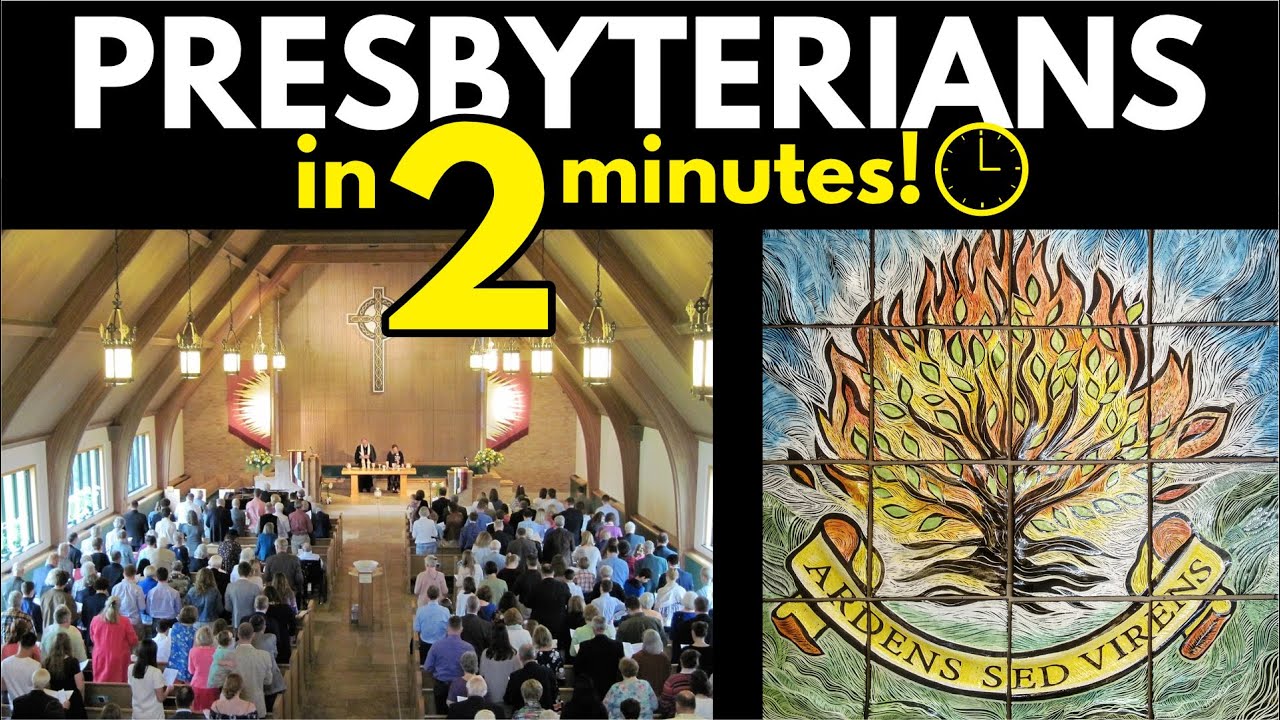
What is Presbyterian?
What is Presbyterian? 🤔
The term Presbyterian refers to a distinct branch of Christianity characterized by its governance and theological principles. Rooted in the Reformation during the 16th century, primarily through the efforts of John Calvin, Presbyterianism emphasizes a system of church governance led by elected elders (or presbyters) rather than a central authority. This structure allows for community participation and leadership in church decisions, which significantly shapes its practice and community life.
Historical Background
The origins of Presbyterianism can be traced back to Scotland in the early 1560s. The Scottish Reformation, influenced by Calvinistic ideas, led to the establishment of a reformed church that emphasized the sovereignty of God, the authority of Scripture, and the priesthood of all believers. Unlike many other Christian denominations, Presbyterians differentiate themselves through their governance by councils of elders.
Theological Principles
Central to Presbyterian belief is the adherence to core theological tenets known as the “five points of Calvinism.” These principles encompass:
- Total Depravity: The belief that mankind is inherently sinful and unable to choose God without divine intervention.
- Unconditional Election: The idea that God has predestined certain individuals for salvation.
- Limited Atonement: The belief that Christ’s sacrifice was intended specifically for the elect.
- Irresistible Grace: The concept that when God chooses to save someone, that individual will inevitably come to faith.
- Perseverance of the Saints: The assurance that those truly saved will remain so until the end.
Governance Structure
Presbyterian governance is unique due to its use of a system that decentralizes church authority. The key components include presbyteries, synods, and general assemblies. This structure facilitates shared leadership and accountability among church leaders. Each level of governance has its specific roles and responsibilities:

- Session: A council of elders governing a local church.
- Presbytery: A regional governing body comprising multiple congregations.
- Synod: A larger body that provides oversight and coordination among presbyteries.
- General Assembly: The highest governing body that addresses doctrine and policies across the denomination.
Worship Practices
Worship in Presbyterian churches is traditionally characterized by a focus on Scripture, preaching, prayer, and the sacraments. **Presbyterian worship services** are often structured and may include:
- Readings from the Bible.
- Preaching by ordained ministers.
- Participation in sacraments such as baptism and communion.
- Congregational singing of hymns and psalms.
The liturgical approach can vary widely among congregations, with some favoring a more formal style while others adopt a contemporary approach. Regardless, the central element remains the proclamation of the Word.
Differences from Other Denominations
Compared to other Christian denominations, such as Baptists or Methodists, Presbyterianism distinguishes itself primarily through its governance and theology. Unlike Baptists, who emphasize congregational autonomy, Presbyterians uphold a representative form of governance. Moreover, the theological aspects, such as predestination, further set them apart from more Arminian perspectives held by groups like Methodists.
Advantages of Being Presbyterian
Embracing the Presbyterian faith comes with several advantages:
- Community Engagement: The structure encourages active participation from congregations in decision-making.
- Strong Theological Roots: The theological framework offers a coherent understanding of Scripture and salvation.
- Supportive Networks: The hierarchical governance fosters a supportive network of churches and leadership.
- Reformed Approach to Faith: Emphasizes intellectual engagement and thoughtful discourse regarding faith and theology.
How to Enhance Your Presbyterian Experience
Utilizing complementary tools alongside Presbyterian practices can enrich your church experience and community engagement. Here are several ideas to consider:
- Online Bible Study Tools: Integrate resources like Bible Gateway for immersive Scripture reading experiences.
- Worship Planning Software: Use tools like Planning Center to organize and plan worship services efficiently. This tool allows your team to collaboratively create service orders, schedule volunteers, and eliminate confusion during church events.
- Digital Prayer Retreats: Incorporate technology for virtual retreats focused on prayer and reflection.
- Social Media Engagement: Use platforms like Facebook or Instagram to reach out and engage with the community, spread messages, and uplift congregational spirit.
- Live Streaming Services: Implement live streaming solutions to reach members who may be unable to attend physically.
- Online Giving Platforms: Make donations more accessible through platforms like Givelify, which simplify the process of online giving, making it easier for members to support church initiatives.
- Mobile Apps for Community Connection: Use church-specific apps to foster engagement among members.
- Creative Arts Ministry: Encourage the integration of art and music to enrich worship experiences. Tools such as Canva can help design engaging visual content for church activities.
- Community Outreach Programs: Engage in service opportunities that can be organized through tools such as VolunteerMatch to connect with local communities.
- Small Group Ministries: Implement systems for managing small group activities, enhancing fellowship and discipleship among members.
Detailed Overview of Key Tools
Worship Planning Software: Planning Center
Utilizing Planning Center can transform your worship experience by simplifying service preparation. Here are notable benefits:
- Collaborative Planning: Teams can work on service details from anywhere, making it easier to coordinate.
- Scheduling Features: Automatically alerts volunteers for their scheduled roles, minimizing miscommunication.
- Resource Management: Keeps track of songs, scripts, and other materials in one place.
- Real-time Updates: Changes can be communicated instantly to team members, ensuring everyone is aligned.
Online Giving Platform: Givelify
Adopting Givelify can modernize the way your congregation supports the church financially. Here are its key features:
- Ease of Use: Simple interface enables members to donate in seconds, increasing participation.
- Tracking Features: Both the church and members can easily track donations and manage records.
- Integration with Church Communications: Works with existing church systems for seamless contributions.
- Encourages Generosity: Reminders and notifications can help to foster regular giving habits.
The Importance of Audience Segmentation in Presbyterianism
Understanding how audience segmentation impacts the effectiveness of Presbyterian practices is crucial. By tailoring ministries to specific demographics, you can create a more personalized experience, fostering deeper connections and engagement within the church community. This approach not only enriches individual faith journeys but also strengthens the overall congregation.
Engaging with Your Community
Community engagement is vital in promoting a vibrant church life. By actively participating in outreach projects or mission trips, congregations can extend the teachings of Presbyterianism beyond the church walls. Consider collaborating with local organizations to address community needs effectively.
Building connections through social platforms can also prove beneficial. Share updates, inspire local involvement, and create a sense of belonging among church members, further solidifying the congregation’s mission.
Conclusion: A Unique Path in Christianity
Ultimately, Presbyterian identity is founded on a balanced approach to governance, theology, and community engagement. Understanding its roots and integrating complementary tools enhances your experience and strengthens your church’s mission. Through thoughtful engagement with these principles, you will discover how deeply enriching the Presbyterian faith can be.
The Historical Context of Presbyterianism
Presbyterianism has deep roots that trace back to the Protestant Reformation in the 16th century, primarily influenced by **John Calvin** and his teachings. 🌍 The term “Presbyterian” originates from the Greek word presbyteros, which means “elder”. This religious movement began in Scotland and stands as a significant branch of the Reformed tradition within Christianity. Understanding its origins provides context for its principles and governance.
Core Beliefs of Presbyterianism
At the heart of **Presbyterianism** lies a commitment to a strong theological framework that emphasizes God’s sovereignty, grace, and the authority of Scripture. ❓ Some of its core beliefs include:
- Predestination: The belief that God has already determined who will be saved.
- Covenant Theology: A focus on the agreements God makes with humanity.
- Scriptural Authority: The Bible is regarded as the ultimate guide to faith and practice.
These principles distinguish Presbyterianism from other branches of Christianity, highlighting its unique theological perspective.
Presbyterian Church Governance
What sets Presbyterianism apart from many other denominations is its distinctive **governance structure**. Unlike congregationalist churches, where each congregation is autonomous, Presbyterianism operates on a system of representative governance. This system includes levels of church authority, starting from the local congregation to regional presbyteries and lastly, to national synods. ⚖️ This hierarchical structure allows for accountability and a shared mission across the church.
Sessions, Presbyteries, and Synods
At the local level, a **session** is made up of elected elders who provide spiritual leadership and administration. The **presbytery** consists of multiple sessions and serves to coordinate the activities of several congregations. Higher still, a **synod** gathers several presbyteries. This structure promotes a sense of unity and shared purpose among Presbyterians while allowing for local autonomy.
Distinct Rituals and Worship Practices
Presbyterian worship typically emphasizes the preaching of the Word, prayers, and sacraments like baptism and the Lord’s Supper. 🎶 Music, often accompanied by hymns or psalms, plays an essential role but is deemed secondary to Scripture reading and sermon delivery.
Infant Baptism vs. Believer’s Baptism
A significant practice within Presbyterianism is **infant baptism**, signifying the belief in covenant theology. This practice contrasts with many other Christian denominations that advocate for *believer’s baptism*. By baptizing infants, Presbyterians express their belief in God’s promises to families, which strengthens community ties.
Presbyterianism in the Modern Context
In today’s diverse religious landscape, **Presbyterianism** continues to adapt while remaining true to its core values. Many Presbyterian churches have embraced social justice initiatives, focusing on charity, community service, and inclusivity. 🕊️ Such efforts reflect a commitment not only to spiritual growth but also to societal impact, setting them apart from more traditionalist approaches seen in other denominations.
Engagement with Social Issues
Presbyterians actively participate in discussions surrounding contemporary issues, such as poverty, race relations, and environmental sustainability. This engagement illustrates how the faith is lived out beyond the church walls, integrating the principles of faith with daily life, and enhancing community relevance.
Complementary Tools to Enhance Presbyterian Engagement
Using **what is Presbyterian** alongside various innovative tools and services can significantly enrich the experience for members and seekers alike. Here are several *complementary tools* that enhance engagement:
- 1. Bible Study Apps: Utilizing apps like YouVersion Bible App can help members deepen their understanding of Scripture, leading to more insightful discussions during church meetings.
- 2. Online Sermon Resources: Websites such as SermonAudio offer an extensive library of recorded sermons, allowing congregants to revisit teachings when they need guidance.
- 3. Social Media Platforms: Utilizing platforms like Facebook or Instagram can foster community dialogue and facilitate outreach efforts to engage the younger generations.
- 4. Prayer Apps: Applications such as Echo Prayer help congregants focus on prayer needs, enabling collective prayers to be shared and attended within the church community.
- 5. Volunteering Platforms: Using sites like VolunteerHub enhances participation in local outreach initiatives, connecting members actively with community needs.
- 6. Digital Giving Services: Tools like Tithe.ly simplify the giving process, helping churches to manage tithes and offerings efficiently.
- 7. Podcasting Services: Platforms like Spotify can be used to launch church podcasts, sharing spiritual teachings, community stories, and announcements, which deepen connection.
- 8. Worship Planning Software: Utilizing programs like Planning Center allows churches to streamline worship service logistics and song selection, ensuring a polished and purposeful worship experience.
Benefits of Using Online Sermon Resources (Detailed Breakdown)
- Access to Diverse Teachings: Congregants can explore sermon series from various speakers, enriching their theological perspectives.
- Flexible Learning: Members can listen at their convenience, accommodating different schedules and learning preferences.
- Integration of Multimedia: Incorporating video and audio content enhances engagement compared to traditional formats.
- Community Sharing: Sermons can easily be shared online, promoting discussions and reflections within the church.
Engaging the Congregation
Engaging the congregation effectively is crucial for a thriving **Presbyterian community**. Implementing comprehensive communication strategies, including newsletters and social media updates, can help keep members informed and involved. ➡️ This approach ensures that the community feels connected, informed, and valued.
How to Create an Inclusive Environment
Creating an inclusive environment requires intentionality. For instance, implementing discussion groups that cater to various demographics, such as youth and seniors, fosters engagement and understanding. Highlighting the teachings of community welfare, the church can develop a culture of support and action. By championing initiatives like book clubs or community service events, churches can attract broader participation while reaffirming core **Presbyterian values**.
What you’ll discover next might surprise you. This adaptability not only pertains to community initiatives but also in how congregations can **harness technology** to promote unity and faithfulness.
Conclusion: Embracing the Future of Presbyterianism
Presbyterianism is not merely a historical or religious entity; it is a living tradition that continues to evolve. By exploring its governance, worship practices, and how it engages with modern issues, we can appreciate its relevance today. Integrating tools like online sermon resources and community engagement platforms enhances the experience for congregants, showcasing the adaptability of **Presbyterian beliefs**. As this faith tradition navigates challenges and embraces opportunities, its commitment to God’s Word and community remains steadfast, promising a vibrant future.
The Governance Structure of Presbyterian Churches
What is Presbyterian? Understanding Its Origins, Beliefs, and Practices
Ever wondered what it means to be part of the Presbyterian Church? 🤔 The term “Presbyterian” derives from the Greek word for “elder”, reflecting the church’s governance by a body of elders. But what does this governance look like, and how does it shape the beliefs and practices of its adherents? In this article, we’ll dive into the distinct aspects of Presbyterianism, its history, core beliefs, and the unique structure that sets it apart from other denominations.
Historical Background of Presbyterianism
The roots of Presbyterianism can be traced back to the 16th-century Protestant Reformation, particularly the work of John Calvin and John Knox. Calvin emphasized the sovereignty of God, the authority of Scripture, and the necessity of grace through faith. Knox, a student of Calvin, brought these principles to Scotland, where they formed the foundation of the modern Presbyterian Church.
The first official Presbyterian church was established in Scotland in 1560, and by the 17th century, it had spread to other parts of the world, including the Americas. Its governance system and distinct beliefs differentiated it from other Protestant movements. Today, various forms of Presbyterianism exist globally, each with unique attributes while still adhering to the core principles established by their forebears.
Core Beliefs of Presbyterianism
At its heart, Presbyterianism is rooted in five key tenets commonly referred to as the Five Points of Calvinism (TULIP):
- Total Depravity: Humanity is fundamentally flawed due to sin.
- Unconditional Election: God chooses individuals for salvation.
- Limited Atonement: Christ died specifically for the chosen.
- Irresistible Grace: Those God has called will come to faith.
- Perseverance of the Saints: True believers will persevere in faith until the end.
Additionally, Presbyterians emphasize the importance of scripture as the rule of faith and practice, fostering a deep commitment to Biblical teachings as foundational for both personal and communal life.
The Presbyterian Governance Structure
Unlike many other Christian denominations, one defining characteristic of the Presbyterian Church is its system of governance. The church is led by a council of elders, known as the Session, which is tasked with the spiritual oversight of the church congregation.
Session and Presbytery
The Session operates under the authority of a larger body called the Presbytery, which comprises multiple congregations. Here are key aspects of this structure:
- Decentralized Leadership: Each local church has a significant level of autonomy while still adhering to broader church norms.
- Collective Decision-Making: Important matters are often decided collaboratively, ensuring diverse input and accountability.
- Emphasis on Eldership: Elders are elected from the congregation, promoting involvement from the congregation in their governance.
Ultimately, the model encourages participation and maintains a balance between local authority and denominational accountability. This structure stands in contrast to congregationalist models, where a single church community holds all decision-making power.
Presbyterian Worship Practices
Worship in Presbyterian churches typically reflects a commitment to simplicity and reverence. Services often include:
- Preaching: Central to worship, sermons are based on Scripture and aim to teach and edify the congregation.
- Sacraments: Baptism and the Lord’s Supper are administered as vital components of faith life.
- Congregational Singing: Music plays an essential role, often characterized by traditional hymns.
This blend of elements creates an atmosphere conducive to deep spiritual reflection and community engagement, appealing to both long-time members and newcomers alike.
Distinct Practices of Presbyterianism
Being part of a Presbyterian congregation comes with unique practices that matter to its members. Here’s what stands out:
- Fellowship Groups: Presbyterians often participate in study and fellowship groups that aim to grow their faith in a supportive community.
- Mission Work: There’s a strong emphasis on outreach, encouraging members to engage in local and global mission opportunities.
- Commitment to Social Justice: Many Presbyterian congregations actively advocate for societal change, reflecting their understanding of the gospel’s mandate.
Presbyterian Denominations
While all Presbyterians share foundational beliefs, there are various denominations that represent different doctrinal nuances and practices. Some of the largest include:
- Presbyterian Church (USA): The largest Presbyterian denomination in the United States, known for a more progressive theology.
- Presbyterian Church in America (PCA): A conservative branch that emphasizes adherence to Reformed theology.
- Evangelical Presbyterian Church (EPC): Combines evangelical beliefs with Reformed principles and a commitment to missions.
This diversity enriches the Presbyterian tradition, allowing for various expressions of faith within the overarching framework of Reformed beliefs.
Complementary Tools to Enhance Presbyterian Practices
While the core of what is Presbyterian revolves around theological beliefs and governance, the integration of various tools can greatly improve the engagement and practice of its principles. Here are some tools that complement the experience of being a part of a Presbyterian congregation: 🛠️
- Faithlife: A digital platform that allows congregants to stay connected with church resources.
- RightNow Media: A vast library of Bible studies and teaching materials suitable for all ages.
- Mailchimp: An email marketing service that can help churches communicate with their communities effectively.
- Bible Mapping Tools: Tools, like BibleMap, enhance the understanding of biblical geography.
- Church Management Software: Software such as Church Community Builder aids in administrative tasks and member engagement.
- Zoom: A video conferencing tool that allows virtual meetings, Bible studies, and community gatherings.
- Podcast Platforms: Tools like Anchor allow churches to share sermons online.
Enhance Your Experience with Faithlife
- Engagement: Connect with church members through event updates and discussions.
- Resource Sharing: Share teaching materials, sermon notes, and church documents easily.
- Analytics: Track member engagement and participation, helping to better understand your congregation’s needs.
- Integration: Seamlessly link with other church management tools for a comprehensive approach.
Boost Learning with RightNow Media
- Diverse Content: Access an expansive library of video-based studies covering various biblical topics.
- Family-Friendly: Content caters to all ages, enabling families to grow together in faith.
- Flexible Viewing: Watch on any device, from anywhere, fitting learning into busy schedules.
- Group Studies: Facilitate discussions and group studies with curated content.
By utilizing tools like Faithlife and RightNow Media, congregations can not only deepen their understanding of what is Presbyterian but also enhance their communal experience and spiritual growth.
The Role of Community and Fellowship in Presbyterianism
Community plays a pivotal role in the life of Presbyterian congregations. Fellowship is not merely an activity but a way to embody the teachings of Christ in daily life. Members are encouraged to share their spiritual journeys, support one another, and engage in collective worship. This shared experience fosters strong relationships that are integral to spiritual growth.
Connection and Belonging
Participating in small group studies, mission events, and church activities builds a sense of belonging. The collaborative environment allows individuals to express their faith while learning from different perspectives. Activities range from community service to theological discussions, promoting holistic development within the church community.
Furthermore, this fellowship creates a support network that helps members during challenging times, reinforcing the guiding principles of love and service that are central to the church’s mission.
Challenges Faced by the Presbyterian Church Today
As with many denominations, the Presbyterian Church faces contemporary challenges including societal changes, generational shifts in values, and the need for technological adaptation. How these challenges are addressed can significantly shape the future of the church.
Some congregations are adapting by embracing modern communication methods and finding ways to engage younger generations while staying true to their core beliefs. Others are striving for inclusivity without compromising on doctrine. Understanding these dynamics is crucial for existing and prospective members navigating today’s complex societal landscape.
Final Thoughts on the Importance of Presbyterianism
What is Presbyterianism if not a vibrant tapestry of faith, governance, and community? The structure, beliefs, and practices of Presbyterianism provide a robust framework for spiritual growth while encouraging active participation among members. By understanding its historical significance, core principles, and the ways to enhance worship and community fellowship, you can gain a deeper appreciation for this denomination.
Whether you are curious about joining or seeking ways to deepen your faith, recognizing how to engage with both traditional practices and modern tools can enrich your Presbyterian experience. As we witness ongoing changes in faith communities, one thing remains clear: the values at the heart of Presbyterianism continue to resonate with believers around the world.
By exploring the landscape of what is Presbyterian and leveraging complementary tools, congregants can foster a responsive and engaged church community, blending tradition with modernity as they walk the path of faith together.
