What is Leviticus About: 7 Key Themes Explained Simply
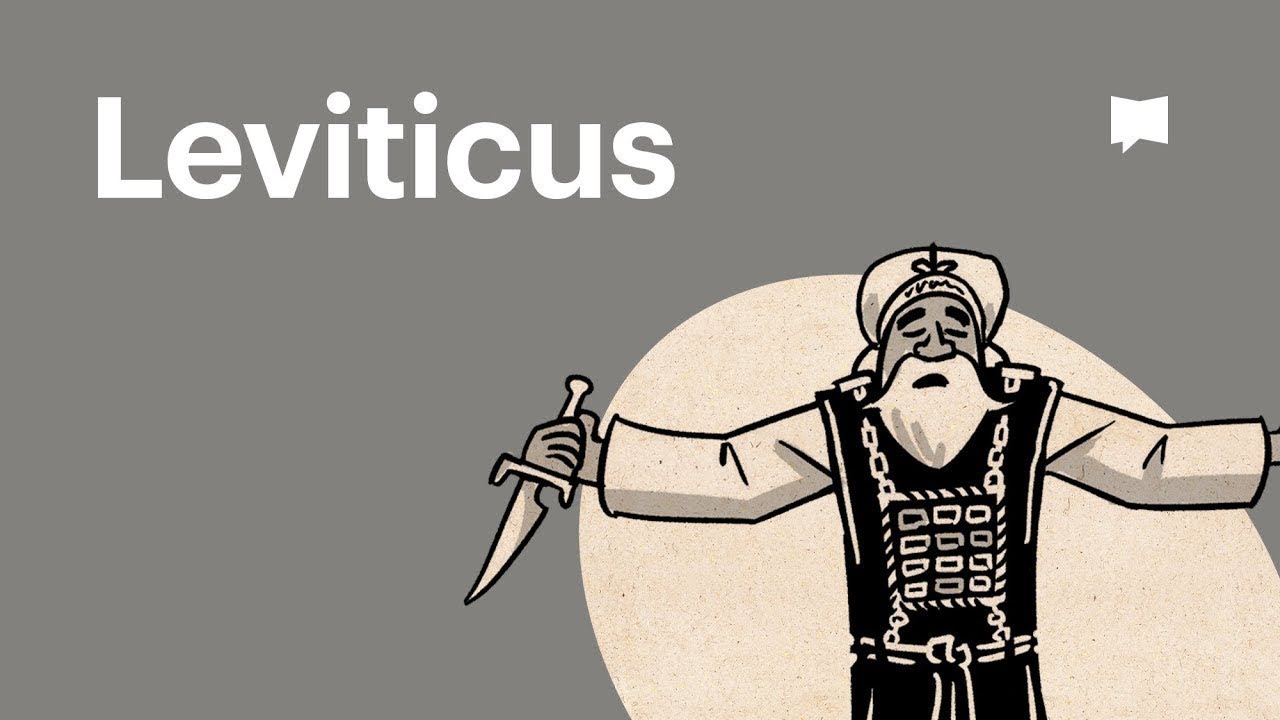
What is Leviticus About?
Leviticus, the third book of the Pentateuch in the Bible, presents a comprehensive guide to the Levitical laws and rituals of ancient Israel. 📜 It serves as a vital piece of religious, social, and legal guidance for the Israelites, providing insight into their spiritual practices and community life. But what exactly does Leviticus entail? In this article, we will explore its core themes, unique aspects, and the essential lessons derived from this historical text.
Historical Context of Leviticus
Understanding the historical context of Leviticus is crucial. It is written during the Israelites’ journey from Egypt to the Promised Land, specifically around the time they camped at Mount Sinai. This backdrop is significant as it highlights the need for order and structure in establishing a new society after generations of slavery.
The Structure of Leviticus
Leviticus is divided into several sections, encompassing laws, rituals, and guidelines for various aspects of life:
- Laws of Sacrifice (Chapters 1-7): Guidelines for offerings to God as a means of atonement and worship.
- Consecration of Priests (Chapters 8-10): Rituals for ordaining Aaron and his sons as priests.
- Purity Laws (Chapters 11-15): Regulations concerning clean and unclean foods, and bodily discharges.
- Day of Atonement (Chapter 16): A detailed account of the rituals for atoning for the sins of the entire community.
- Moral and Ethical Laws (Chapters 17-22): Instructions concerning community behavior, holiness, and relationship with God.
- Religious Festivals (Chapters 23): Celebration of significant festivals like Passover and the Feast of Unleavened Bread.
- Covenant Blessings and Curses (Chapters 26): Promises and warnings regarding obedience to God’s laws.
The Role of Sacrifices in Leviticus
One of the central themes in Leviticus is the role of sacrifices. The book outlines various offerings, including burnt offerings, grain offerings, peace offerings, sin offerings, and guilt offerings. Each serves a distinct purpose, promoting a deeper understanding of sin, repentance, and reconciliation with God.

For instance, the burnt offering signifies complete dedication to God, while a sin offering emphasizes the need for atonement for specific transgressions. By exploring these sacrificial systems, readers can glean important lessons about the significance of contrition and the desire to restore relationships within the community.
Purity and Holiness in Daily Life
Leviticus places a strong emphasis on purity and holiness, which is essential for maintaining a good relationship with God. The laws regarding what is considered clean or unclean may seem foreign to contemporary readers, but they highlight the importance of integrity in worship and daily conduct.
For example, dietary restrictions (Chapter 11) and guidelines for bodily discharges provide holistic approaches that emphasize cleanliness and ritual purity. Unlike many modern practices, these laws showcase the integration of faith into every facet of life, including diet and hygiene.
The Significance of the Priestly Class
The chapter detailing the consecration of priests offers insight into the vital role that spiritual leadership plays within a community. Priests were tasked with mediating between God and the people, enforcing the law, and performing rituals. This aspect of Leviticus highlights the connections between leadership and accountability, ensuring that spiritual guides uphold the moral standards set forth in the law.
Ethics and Morality in Leviticus
Another compelling aspect of Leviticus is its strong focus on ethical and moral mandates. The text provides numerous instructions on how to lead a righteous life, including treating others with fairness and compassion. For instance, the command to “love your neighbor as yourself” encapsulates the spirit of these ethical rulings. This core principle remains relevant across ages and cultures, resonating with modern ideas of social justice and community responsibility.
Understanding the Day of Atonement
The Day of Atonement (Yom Kippur) stands out as one of the most significant events described in Leviticus. This sacred day, outlined in Chapter 16, involves elaborate rituals aimed at cleansing the community’s sins. The ritual of sending a goat into the wilderness symbolizes the removal of sin from the people. This profound act serves as a vivid reminder of the need for accountability and reconciliation in both individual and communal contexts.
Complementary Tools for Deepening Understanding of Leviticus
When exploring what Leviticus is about, employing complementary tools and resources can significantly enhance your comprehension and engagement with the text. Here are several actionable ideas:
- Bible Study Apps: Utilize apps like YouVersion Bible to access different translations and commentaries that enhance your reading.
- Online Courses: Platforms such as The Great Courses offer in-depth courses that dissect Leviticus and its context.
- Commentaries: Consider resources like the NIV Application Commentary for scholarly insights.
- Discussion Forums: Engage with Bible study groups or online forums to discuss interpretations of Leviticus.
- Documentaries: Watch documentaries that explore the historical and cultural contexts of the Pentateuch.
- Interactive Maps: Utilize online resources that provide geographical context, helping to visualize the settings of the events described in Leviticus.
- Journaling Tools: Use structured journaling to reflect on personal insights drawn from each reading session.
- Podcasts: Tune into Bible-focused podcasts that provide fresh perspectives and discussions regarding Leviticus.
- Social Media: Follow theologians and biblical scholars on platforms like Instagram for daily quotes and insights related to Leviticus.
- Interactive Timelines: Explore timelines that place Leviticus within the broader narrative of Biblical history for better context.
Breakdown of Complementary Tools
1. Bible Study Apps
- Multiple Translations: Access various translations to understand different interpretations.
- Audio Versions: Listen to the text, enhancing auditory learning.
- Highlighting Features: Annotate key passages for easier reference during future studies.
- Integration with Community: Share insights with friends or study partners seamlessly.
2. Online Courses
- Expert Instructors: Learn from scholars who specialize in biblical studies.
- Flexible Schedules: Study at your own pace, accommodating various schedules.
- Interactive Components: Engage in discussions and quizzes that reinforce learning.
- Certification Opportunities: Earn certificates that can enhance your educational credentials.
Connecting the Teachings of Leviticus to Modern Life
While the laws of Leviticus may seem outdated to modern audiences, many teachings remain applicable. The emphasis on community responsibility, ethical behavior, and the significance of rituals still resonate with contemporary values. By recognizing this connection, individuals can draw parallels to modern practices of accountability, justice, and religious observance.
Conclusion: Embracing the Lessons from Leviticus
Ultimately, Leviticus offers invaluable insights into the theological, ethical, and social structures of ancient Israel. By studying this book, readers not only learn about the historical context but also encounter life lessons that remain relevant today. The teachings encourage self-reflection, community involvement, and accountability, helping us foster more meaningful relationships with one another and with God.
Whether you’re a member of a faith community or simply curious about ancient texts, diving into what Leviticus is about can open new avenues of understanding and personal growth. So, why not take the plunge and explore the depths of this fascinating book? You might be surprised by the insights and inspiration it brings.
This HTML structure presents a comprehensive overview of Leviticus, ensuring clarity and engagement for readers while adhering to SEO best practices, including internal and external linking strategies. 🌟
The Structure of Leviticus
What is Leviticus About? 📖
Have you ever wondered about the *significance* of the book of Leviticus in the Bible? This third book, nestled between Exodus and Numbers, is often overlooked and misunderstood. However, within its chapters lie profound teachings and guidelines that remain relevant today. Let’s delve into what Leviticus is truly about and explore its enduring impact.
Understanding the Core Themes of Leviticus
Leviticus primarily deals with **laws, rituals, and the concept of holiness**. It provides a framework for the Israelites on how to live a life that is pleasing to God, focusing on several key areas:
- **Sacrifices and Offerings**: Detailed instructions on how to conduct sacrifices.
- **Purity Laws**: Guidelines on clean and unclean animals and related dietary restrictions.
- **Holiness Codes**: Expectations of moral and ethical behavior among the community.
- **Feast Days**: Designated times of celebration and worship.
These aspects connect to the overarching theme of **holiness** and the need for the Israelites to maintain a distinctive way of life that reflects their covenantal relationship with God.
The Importance of Sacrifices and Offerings
One of the most notable sections in Leviticus is its in-depth exploration of **sacrifices and offerings**. They were not merely ritualistic but served multiple purposes:
- **Atonement**: Offerings were made to seek forgiveness for sins.
- **Thanksgiving**: Celebrating God’s provisions through gratitude offerings.
- **Community Cohesion**: Shared meals during certain sacrifices bonded the community.
In today’s context, the principle of sacrifice can be compared to various faith-based or personal growth industries, where understanding the essence behind rituals and sacrifices, such as *mindfulness practices*, can lead to deeper emotional healing and community building. Compared to merely participating in mindfulness alone, incorporating the teachings from Leviticus may offer a unique perspective on collective human experience and the need for atonement.
Modern Connections: The Relevance of Purity Laws
The **purity laws** described in Leviticus aim to distinguish between the sacred and the profane. While some may regard these as outdated, they prompt us to consider our modern views on health and ethics. For instance:
- **Dietary Restrictions**: They relate closely to contemporary trends like veganism or paleo diets, where the emphasis on purity and health resonates with spiritual principles.
- **Community Health**: Public health initiatives can reflect the desire for purity, much like Levitical laws sought the well-being of the Israelites.
This comparison illustrates not only the continuity of certain principles but also how they can guide **ethical consumption** in today’s society.
Holiness Codes: A Call to Ethical Living
Leviticus 19 delivers a powerful message through what is known as the **Holiness Code**, narrowing down moral imperatives that extend beyond mere ritual. For example:
- **Loving Your Neighbor**: “Love your neighbor as yourself” (Leviticus 19:18) highlights the importance of social ethics.
- **Justice**: Calls for honest weights and measures emphasize fairness in trade and personal interactions.
These principles resonate deeply with modern **social justice movements**, emphasizing fairness and love for others. By applying Levitical teachings to contemporary life, one can foster a more unified community and promote ethical responsibility.
Festivals as Spiritual Enhancements
The various **feast days** described in Leviticus provide a rhythm to congregational life, marking the calendar with celebrations of God’s faithfulness. Major festivals include:
- **Passover**: A remembrance of liberation from slavery.
- **Feast of Weeks**: Celebrating the first harvest.
- **Day of Atonement**: A national day of repentance.
Celebrating these occasions today can enhance community spirit. By hosting events that reflect Levitical traditions, groups can deepen their collective spirituality. Many organizations leverage loyalty and community-building software to enhance these gatherings. For instance, platforms like [Eventbrite](https://www.eventbrite.com) enable seamless event planning, making it easier to organize gatherings that reflect such traditions.
Complementary Practices to Enhance Understanding of Leviticus
To amplify the insights gained from Leviticus, consider utilizing the following complementary tools and practices:
1. **Rabbinic Literature**
Diving into rabbinic interpretations can shed light on complex laws and concepts within Leviticus. Linking traditional texts with new understandings can enrich personal study.
2. **Bible Study Software**
Integrating tools like [Logos Bible Software](https://www.logos.com) provides access to various resources:
- **Original Texts**: Access Hebrew language studies.
- **Commentaries**: Diverse interpretations from respected scholars.
- **Visual Aids**: Diagrams and maps of ancient Israel enhance contextual understanding.
- **Study Groups**: Features facilitate group discussions around Levitical themes.
3. **Local Community Groups**
Joining a study group that focuses on Levitical themes could provide practical insights and companionship in spiritual growth.
4. **Podcasts**
Listening to biblical scholars on platforms such as Spotify helps understand contemporary applications of ancient texts.
5. **Educational Workshops**
Participating in workshops or webinars focusing on biblical texts can connect teachings from Leviticus to practical living.
6. **Journaling**
Maintaining a reflective journal allows for personal engagements with the content as you explore Leviticus’ teachings.
7. **Art and Music**
Creating art or music inspired by the themes in Leviticus provides a creative outlet for understanding spiritual truths.
8. **Online Courses**
Consider enrolling in courses about biblical texts on platforms like [Coursera](https://www.coursera.org) or [edX](https://www.edx.org) to expand your understanding of Leviticus.
- **Flexible Learning**: Study at your own pace.
- **Expert Instruction**: Learn from seasoned biblical scholars.
- **Community Engagement**: Interact with other learners worldwide.
- **Variety of Topics**: Courses covering interpretation, history, and ethics can enhance contextual understanding of Leviticus.
9. **Volunteering for Community Service**
Engaging in community service can help embody the ethical teachings of Leviticus in real-world scenarios.
10. **Mindfulness Practices**
Incorporating mindfulness techniques can heighten awareness of moral responsibilities inspired by the ethical laws presented in Leviticus.
What You’ll Discover: Cultural References and Interpretations
Understanding Leviticus goes beyond just reading its chapters. Its cultural implications and interpretations have proliferated through various **literary, academic, and religious lenses**.
- **Literary Analysis**: Explore how Leviticus influences modern storytelling.
- **Academic Studies**: Scholars engage with ancient texts to highlight its historical significance.
- **Religious Studies**: Different faith communities interpret Leviticus in ways that enrich interfaith dialogue.
The work inspires discussions on morality, ethics, and spirituality which has applications in daily life.
The Lasting Impact of Leviticus
Ultimately, the teachings of Leviticus serve as a **guideline for living a holy life**, promoting connection with God while cultivating communal harmony. Understanding these principles allows individuals to draw connections to modern ethical dilemmas while fostering a more profound spiritual journey.
As you explore Leviticus and incorporate its teachings with the mentioned tools and practices, you will unlock new dimensions of understanding, contributing to personal and communal growth.
The Relevance of Leviticus Today
What is Leviticus About?
The Book of Leviticus is one of the core texts in the Hebrew Bible, offering a deep dive into religious laws and rituals that govern the lives of the Israelites. 📜 But what exactly does this book encompass, and why is it relevant even today? In this article, we will explore the main themes, laws, and significance of Leviticus, while also discussing complementary tools that enhance your understanding of its teachings.
Understanding the Structure of Leviticus
Leviticus is primarily structured around the **laws** and **rituals** that God instructed the Israelites to follow. Divided into several sections, each addresses specific aspects of life, including:
- Sacrificial Offerings: The various types of offerings (burnt, grain, peace, sin, and guilt offerings) and their significance.
- Priestly Duties: Instructions for the priests, which detail their responsibilities and how they maintain the holiness of the tabernacle.
- Purity Laws: Guidelines concerning cleanliness, including food laws, diseases, and bodily discharges.
- Festivals and Holy Days: The prescribed festivals such as Passover, Yom Kippur, and the Feast of Tabernacles.
- Moral and Ethical Laws: Guidelines on personal conduct and community relationships.
The Ritual Significance in Leviticus
One of the standout features of Leviticus is its **focus on ritual**. Rituals served not only as forms of worship but as a means to maintain a communal identity. Rituals emphasized the importance of holiness and the relationship between the Israelites and God. Compared to secular practices, the rituals in Leviticus stand out by their detailed methodologies, ensuring a complete and spiritually resonant experience.
Types of Sacrificial Offerings
Sacrifices in Leviticus serve multiple purposes, such as atonement, thanksgiving, and fellowship. Here’s a brief overview:
- Bull Offerings: Typically used for atonement of sin (Leviticus 4:3).
- Goat Offerings: Often symbolized the transfer of sin onto the animal (Leviticus 16:10).
- Grain Offerings: Representing gratitude to God for His provision (Leviticus 2:1).
- Peace Offerings: Fostered communal participation in worship (Leviticus 3:1).
The Role of the Priests
In Leviticus, priests are depicted as intermediaries between God and the people. Their duties encompass various responsibilities, and they play a crucial role in maintaining the spiritual and communal integrity of the Israelites. The **investiture** of Aaron and his sons as priests establishes a lineage crucial for the continuance of sacrificial worship. This hierarchical structure ensures that each function is performed with adherence to divine regulations.
Key Duties of the Priests
The duties outlined in Leviticus include:
- Performing sacrifices and maintaining the tabernacle.
- Teaching the laws to the people.
- Deciding matters of ritual purity.
- Leading the community in festivals and special occasions.
Purity and Holiness: A Central Theme
Leviticus underscores the concepts of **purity and holiness**. The laws regarding food consumption, bodily fluids, and other elements create a clear boundary separating the sacred from the profane. Understanding these purity laws is essential for grasping how the Israelites approached their spirituality. Unlike modern secular living, this book illustrates a life deeply integrated with divine principles.
Examples of Purity Laws
- Prohibit consumption of certain animals (e.g., pigs and shellfish).
- Regulations concerning leprosy and related skin diseases.
- Guidelines for childbirth and menstruation.
- Restrictions on contact with corpses.
Annual Festivals and Their Importance
The festivals outlined in Leviticus serve as significant communal touchstones, reinforcing shared identity and faith. They delineate times for reflection, joy, and atonement, emphasizing the rhythm of the Israelite calendar. Here are notable festivals discussed:
- Passover: Celebrating the Israelites’ exodus from Egypt.
- Yom Kippur: The Day of Atonement, a day of fasting and repentance.
- Feast of Tabernacles: A harvest festival symbolizing God’s provision.
How Festivals Reinforce Community
These festivals were intended to reinforce unity among the Israelites. When celebrated correctly, they served not only as **religious observances** but also fostered social connections and community bonding. This communal aspect contrasts sharply with many contemporary practices, which often prioritize individualism over group worship.
Connecting Leviticus with Modern Life
While Leviticus may seem steeped in ancient customs, its principles can inform contemporary life. Understanding personal and social ethics from a biblical perspective can transform how individuals engage with their communities and spirituality. But that’s not all, there are practical tools and services you can use to deepen your engagement with the themes in Leviticus!
Complementary Tools to Enhance Understanding of Leviticus
Here are several complementary tools you can use alongside studying Leviticus to enhance your understanding:
- Bible Study Apps
- Commentary Guides
- Online Courses
- Discussion Groups
- Faith-focused Podcasts
- Study Bibles
- Journals
- Virtual Pilgrimages
- Documentaries on Ancient Israel
Exploring Commentary Guides
Using Bible commentary guides can enrich your understanding of Leviticus by providing:
- In-depth analysis of verses.
- Historical context for rituals and laws.
- Different interpretations from various theological perspectives.
- Application suggestions for modern life.
Utilizing Virtual Pilgrimages
Participating in virtual pilgrimages allows you to explore biblical sites relevant to Leviticus, enhancing your understanding of the culture and environment of the time. Benefits of these experiences include:
- Interactive learning about ancient practices.
- Access to expert insights about historical locations.
- Visual imagery that brings the text to life.
- Opportunities to connect with other learners around the world.
The Enduring Impact of Leviticus
The ongoing study of Leviticus reveals its applicability even in our modern lives. By adapting its teachings, individuals can foster a profound connection to their faith, ethical conduct, and community involvement. Engaging with complementary tools can enhance this understanding and provide a practical framework for applying these age-old teachings today.
Exploring Purity and Ethics through Leviticus
Leviticus offers rich material regarding personal conduct and community ethics that remain relevant. By examining the ethical guides laid out in this text, individuals can draw parallels to today’s moral dilemmas. This exploration exemplifies the timeless nature of spiritual teachings that encourage us to live honorably.
The Legacy of Holiness in Daily Life
The call to holiness found in Leviticus encourages believers to strive for a lifestyle that reflects their values deeply. Unlike secular norms where boundaries are often blurred, Leviticus provides clear-cut instructions on what constitutes moral behavior and community integrity.
Further Resources for Studying Leviticus
For those interested in diving deeper, consider exploring more resources that complement your study of Leviticus. Engage with well-reviewed bible study guides or access educational videos on platforms like YouTube that explain its significance.
