What Is Good Friday Mean: 5 Traditions and Their Significance
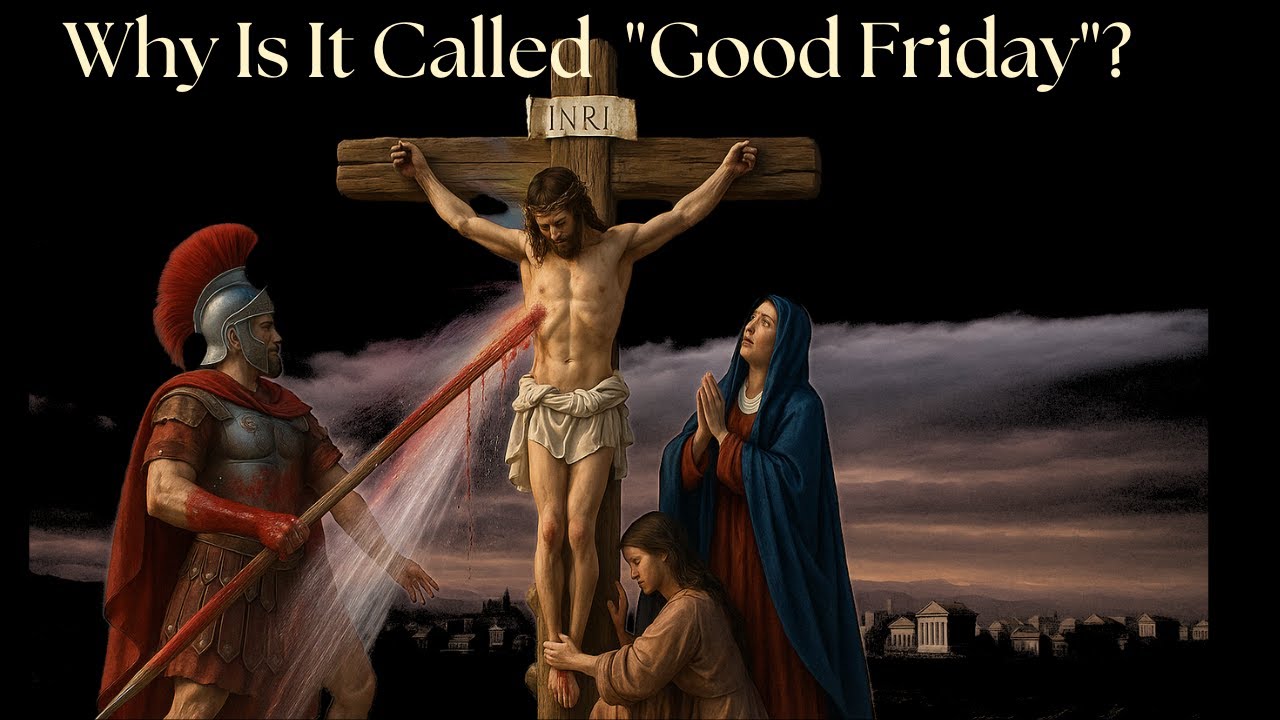
What is Good Friday Mean
Good Friday is one of the most significant days in the Christian liturgical calendar. It is a day marked by somber reflection, commemorating the crucifixion of Jesus Christ and his death at Calvary. This solemn occasion, observed during Holy Week on the Friday before Easter Sunday, holds deep theological meaning for Christians worldwide. But what does Good Friday truly represent? Let’s explore its significance, rituals, and how it connects to other important practices.
The Theological Significance of Good Friday
At its core, Good Friday symbolizes the ultimate sacrifice of Jesus, who, according to Christian belief, died for humanity’s sins. This act of love and redemption is central to Christian faith, emphasizing themes of sacrifice, forgiveness, and renewal. The name “Good” might seem paradoxical, given the day’s association with suffering and death, yet it reflects the profound goodness of Christ’s deeds and the resulting hope for resurrection. 🌅 This duality invites believers to reflect not only on Jesus’s suffering but also on the promise of eternal life through his resurrection.
The Biblical Foundation
The events commemorated on Good Friday are rooted in the New Testament, particularly in the Gospels of Matthew, Mark, Luke, and John. Each account details the trial of Jesus, his crucifixion, and the final moments leading to his death. Key scripture references include:
- Matthew 27:35-50 – Details the crucifixion and Jesus’s final words.
- Mark 15:33-39 – Discusses the supernatural events that occurred at Jesus’s death.
- Luke 23:44-47 – Highlights the impact of Jesus’s death on witnesses.
- John 19:28-30 – Covers the crucifixion’s fulfillment of prophecy.
This scriptural foundation provides believers with context for the rituals and observances associated with Good Friday.


Common Observances and Traditions
Observance of Good Friday varies among Christian denominations, yet common practices include:
- Fasting and Abstinence: Many Christians fast or abstain from specific foods as a form of penance.
- Prayer and Reflection: Services are often dedicated to meditation on the Passion of Christ, focusing on his suffering and death.
- Stations of the Cross: Enacting the final journey of Jesus, believers walk the path he took to crucifixion, stopping at various points to reflect on significant events.
- Veneration of the Cross: This practice involves honoring the cross, often during special services, signifying its importance in Christian faith.
Through these observances, followers reflect deeply on the meaning of Christ’s suffering, fostering a sense of connection to their faith and community.
How Good Friday Connects to Other Days in Holy Week
Good Friday is part of the larger narrative of Holy Week, leading to Easter Sunday. Its significance is magnified when viewed alongside:
- Palm Sunday: This day celebrates Jesus’s triumphant entry into Jerusalem, setting the stage for later events.
- Maundy Thursday: Commemorates the Last Supper, where Jesus instituted the Eucharist.
- Holy Saturday: A day of waiting and reflection as Christians anticipate the resurrection.
Understanding these connections enriches the experience of Good Friday and highlights its place in the overarching story of redemption.
Comparative Rituals and Services
When exploring rituals associated with Good Friday, it’s helpful to compare them to practice on other significant days. For instance:
- Compared to Easter Sunday: While Easter is celebratory with joyous hymns and festive gatherings, Good Friday is a stark contrast, known for its solemnity and reflection.
- Unlike Lent: Which spans several weeks of fasting and penance, Good Friday is a single day focused particularly on reflection of Christ’s sacrifice.
This comparative examination illuminates the unique essence of Good Friday and its critical role in the Christian faith.
Complementary Spiritual Tools and Resources
To enhance the observance of Good Friday, Christians can utilize various spiritual tools and resources. Here are eight ways to do this:
- Bible Study Guides: Using guides such as [The Life Application Study Bible](https://www.tyndale.com/sites/lifeapplication/) can deepen your understanding of scripture and its relevance to Good Friday.
- Prayer Apps: Apps like [Echo Prayer](https://echoprayer.com/) help organize prayers and reflections related to Good Friday.
- Devotional Books: Consider reading a Good Friday-specific devotional to guide reflections throughout the day.
- Online Sermons: Many churches offer streaming services; engaging with a sermon can provide deeper insights into Good Friday’s significance.
- Music Playlists: Create a playlist of traditional hymns and songs that reflect the solemnity of Good Friday.
- Virtual Community Groups: Participating in online discussions can enhance your understanding through shared insights.
- Art Reflection: Use religious art as a focal point for meditation during prayer times.
- Guided Meditation Apps: Using an app like [Insight Timer](https://insighttimer.com/) can facilitate deeper meditation and prayer practices centered around Good Friday.
Breakdown of Complementary Tools
1. Echo Prayer
- Organizes Prayer Requests: Helps manage prayer lists efficiently.
- Reminders: Sends notifications to remind you of pending prayers.
- Community Sharing: Allows friends to collaborate and share prayer needs.
- Reflective Journaling: Incorporates personal reflections, enriching the Good Friday experience.
8. Insight Timer
- Variety of Guided Meditations: Offers various meditations perfect for focusing on Good Friday’s themes of sacrifice and renewal.
- Expert Guidance: Learn from instructors specializing in spiritual growth and reflection.
- Community Features: Connect with others for shared experiences during Good Friday.
- Customizable Sessions: Tailor meditation lengths to fit your schedule throughout the day.
Enhancing Reflective Practices on Good Friday
Incorporating complementary tools such as Echo Prayer and Insight Timer can significantly enhance your Good Friday observances. For example, using Echo Prayer alongside your reflection can help organize your meditation on specific passages of scripture, creating a balanced approach to prayers and scripture readings. Alternatively, by using Insight Timer for guided sessions, you can navigate through your personal reflections, making the experience richer and more fulfilling.
Continued Reflection Beyond Good Friday
It’s essential to view Good Friday not as an endpoint but as a beginning. The reflections and observances can inspire and guide a believer’s journey throughout the year. Integrating tools and practices into daily life can help maintain this focus on spiritual growth, making every day an opportunity for renewal and reflection. Furthermore, understanding audience segmentation within your community can enhance how you share and reflect on these significant days. For instance, leading a community group focusing on various aspects of Holy Week can optimize engagement and spiritual enrichment.
Final Thoughts on Good Friday
Good Friday holds profound significance in the tapestry of Christian faith, inviting believers to engage in deep reflection and understanding of Christ’s sacrifice. By utilizing complementary tools and reflecting on biblical teachings, Christians can enrich their observance, ensuring the lessons of this solemn day are not lost. Whether through prayer apps or community discussions, the journey of understanding and faith continues well beyond Good Friday itself, inspiring a renewed commitment to spiritual growth and connection with the divine. Keep these insights in mind as we approach Easter, allowing them to guide your path in both faith and life.
What is Good Friday? Unpacking Its Meaning and Significance
Good Friday is a profound day on the Christian calendar, marking the crucifixion of Jesus Christ. Its significance extends beyond mere remembrance; it represents sacrifice, redemption, and hope. 🌄 Throughout this article, we will explore the biblical context of Good Friday, its traditions, and how it resonates in today’s society.
The Biblical Significance of Good Friday
Understanding what is Good Friday begins with its biblical roots. On this day, Christians commemorate the ultimate sacrifice made by Jesus on the cross. According to the Gospels (Matthew 27, Mark 15, Luke 23, and John 19), Jesus was betrayed, tried, and crucified, and his death is seen as the fulfillment of prophecy and God’s plan for salvation.
The significance of Good Friday is profound: it serves as a day of reflection and mourning, reminding believers of the depth of Christ’s love and the weight of sin that necessitated such a sacrifice.
Historical Context and Evolution
Good Friday has been observed since the earliest days of Christianity. Its origins can be traced back to the 2nd century, with the establishment of the Passion of the Lord liturgy. The term “Good” is derived from “God,” indicating its sacred nature rather than implying a festive occasion.
Over the centuries, various traditions have emerged, including the Stations of the Cross and fasting rituals, which enhance understanding and observance of this significant day. Each of these practices helps to deepen one’s connection to what is Good Friday and its message of redemption.
Good Friday Traditions Around the World
Different cultures and communities celebrate Good Friday with unique traditions that highlight its meaning. Here are a few notable examples:
- Passion Plays: Common in Europe, these reenactments depict the events leading up to Jesus’ crucifixion, allowing participants to engage with the story in a visceral way.
- Fasting and Abstinence: Many Christians observe fasting on Good Friday, refraining from eating meat to honor Jesus’ suffering.
- Veneration of the Cross: In many churches, a cross is presented for the congregation to reflect on as a symbol of sacrifice and love.
- Silent Reflection: Some communities embrace silence on this day, creating an atmosphere conducive to meditation and prayer.
The Role of Good Friday in Holy Week
Good Friday is a pivotal moment during **Holy Week**, a time that includes Palm Sunday, Maundy Thursday, and Easter Sunday. Each event builds on the others, creating a cohesive spiritual journey for believers. The connection between these days underscores the significance of what is Good Friday and its role in the overall narrative of Christian faith.
From Passion to Resurrection
What follows Good Friday is Easter, symbolizing resurrection and hope. This transition highlights the importance of Jesus’ sacrifice, allowing believers to reflect on both the sorrow of his death and the joy of his resurrection.
Understanding the Impacts of Good Friday Today
In modern times, Good Friday transcends its religious boundaries and fosters community values such as compassion and empathy. Many use this day to volunteer or engage in charitable activities, reflecting the selfless love that Jesus exemplified. This communal spirit strengthens bonds and fosters a sense of belonging.
Complementary Tools and Practices to Enhance Observance of Good Friday
To deepen one’s understanding of what is Good Friday and to enhance its observance, consider integrating various complementary tools and practices into your routine. Here are some practical ideas:
1. Prayer Apps
Using apps like YouVersion Bible App can help users focus on biblical readings relevant to Good Friday, providing guided prayers that can enrich the experience.
2. Meditation and Reflection Tools
Incorporating meditation techniques using resources like Headspace can help foster a contemplative spirit on Good Friday:
- Guided Meditations: Access specific meditations focused on themes of sacrifice and redemption.
- Breathing Exercises: Enhance focus and reflection to better understand personal emotions relating to the day.
- Daily Reminders: Set reminders for prayers or reflections to stay engaged throughout the day.
- Progress Tracking: Users can note their progress in meditation, linking personal growth to their spiritual journey on Good Friday.
3. Online Fasting Communities
Participating in online fasting groups can provide motivation and accountability, enriching the experience of fasting on Good Friday.
4. Virtual Worship Services
Many churches offer online Good Friday services, allowing individuals to connect with their faith community, even from home. This shared experience can heighten the day’s meaning.
5. Social Media Engagement
Utilizing platforms like Instagram to share personal reflections or participate in Good Friday discussions can foster community dialogue and deepen understanding.
6. Bible Study Groups
Joining or organizing study groups focusing on the significance of Good Friday can facilitate deeper discussions and broaden perspectives on its meaning.
7. Reflective Journaling
Utilize journaling to document thoughts and feelings related to Good Friday, promoting personal insights and emotional processing during this reflective time.
8. Service Projects
Engaging in outreach programs or volunteer work reinforces the themes of sacrifice and love, making Good Friday a day of action as well as reflection:
- Community Service: Participate in local charity events or food drives to help those in need.
- Acts of Kindness: Perform small acts of kindness within your community to spread love and generosity.
- Fundraising Initiatives: Organize or participate in fundraising efforts benefiting charities that resonate with the values of Good Friday.
- Group Volunteer Work: Team up with friends or family to embark on a service project, creating shared memories and a direct impact.
9. Spiritual Podcasts
Explore podcasts that discuss Good Friday specifically. Listening to insights and personal testimonies can deepen understanding and engagement.
10. Cross-Cultural Learning
Research and learn about how different cultures observe Good Friday. This knowledge enriches the experience, fostering an appreciation for the variety of traditions that exist globally.
Embracing the Spirit of Good Friday
Good Friday encourages profound reflection and connection with the core values of the Christian faith: love, sacrifice, and forgiveness. The day serves as a reminder to all believers of the magnitude of Christ’s sacrifice and what it means for humanity.
By integrating various practices and tools, you can deepen your engagement with what is Good Friday, transforming it into a day that resonates personally and spiritually. This multifaceted approach not only enriches individual faith but also fosters community spirit and connection.
For Further Reading and Exploration
To enhance your understanding of Good Friday and its practices, consider exploring the following resources:
What Does Good Friday Mean? 🌟
Good Friday is a significant day in the Christian calendar, marking the crucifixion of Jesus Christ. It’s a day of reflection, solemnity, and profound meaning for millions of believers worldwide. But what does Good Friday mean beyond the surface? Let’s delve into its historical roots, traditions, and observances. 🚦
Historical Significance of Good Friday
Good Friday falls on the Friday before Easter Sunday, commemorating the crucifixion of Jesus and his death at Calvary. Historically, this event is recorded in the New Testament of the Bible, specifically in the Gospels of Matthew, Mark, Luke, and John. It is believed that Jesus was crucified around AD 30 to AD 33 during Roman rule, symbolizing the ultimate sacrifice for humanity’s sins.
Theology Surrounding Good Friday
Theologically, Good Friday represents the paradox of sacrifice and salvation. Christians believe that through Jesus’ suffering and death, humanity received the gift of eternal life. This day prompts believers to reflect on the love and grace embodied in this significant act. Alone, these themes resonate through other cultural observances, but the essence remains unique to Good Friday.
Traditions and Observances
Throughout the world, Good Friday is observed in various ways, each rich with tradition and meaning. From solemn church services to community gatherings, individuals embrace the day with respect and reflection. Here are some notable traditions:
1. Church Services
Many Christians attend special church services on Good Friday, focusing on the Passion narrative of Jesus’ suffering. Traditional readings and hymns create an atmosphere of solemnity, encouraging reflection.
2. Fasting and Abstinence
Many believers observe fasting or abstaining from certain foods, such as meat. This practice signifies a form of penance and reflection, allowing participants to focus on spiritual matters over earthly concerns.
3. Stations of the Cross
This popular Good Friday devotion involves a series of prayers and meditative reflections at 14 stations, depicting Jesus’ journey to Calvary. This meditative practice aids in experiencing the depth of Jesus’ suffering.
4. The Crucifixion Ceremony
In some cultures, particularly within Catholic and Orthodox traditions, reenactments or ceremonies symbolizing the Crucifixion are performed. These serve to remind participants of the severity of the event.
Global Variations of Good Friday Observance
The way Good Friday is treated can vary significantly across cultures. Let’s explore a few examples:
Australia
In Australia, Good Friday is a public holiday, with most businesses closed and people engaging in reflection and community activities.
Philippines
In the Philippines, some communities hold reenactments of the crucifixion, which can involve actual physical suffering to symbolize Jesus’ pain. This level of observance is both powerful and controversial.
United States
While not all states recognize Good Friday as a public holiday, many congregations hold special events, prayers, and charity activities that emphasize community service.
Complementary Practices to Enhance Good Friday Observance
Engaging in complementary activities can further enrich the experience of Good Friday. Here are some ideas on how you can incorporate these practices:
1. Journaling
Keeping a reflective journal can enhance your understanding and feelings associated with Good Friday. Writing can help process the deep emotions surrounding the day’s significance.
2. Prayer Groups
Joining a prayer group allows for a communal experience of spirituality and reflection, where individuals can share their thoughts and prayers. Insights gathered can deepen collective faith.
3. Meditation Apps
Using meditation apps like Headspace can provide guided sessions that focus on themes of peace and reflection, complementing the solemnity of Good Friday.
4. Charity Work
Engaging in charity work can embody the spirit of sacrifice that Good Friday represents. Volunteering at local shelters can reflect the love Jesus taught through his actions.
5. Streaming Religious Content
Streaming services that offer religious content can enhance understanding through documentaries, films, and lectures focused on Good Friday’s significance. Services like Netflix often feature theological films around Easter.
6. Nature Walks
Taking a solitary walk in nature can also provide a reflective space to contemplate Good Friday, as the natural world often parallels themes of renewal and sacrifice.
7. Reading Devotions
Utilizing daily devotionals, particularly those that focus on Easter themes, provides further context and insight into the significance of Good Friday.
8. Virtual Bible Studies
Participating in online Bible study groups can enhance your understanding of the narratives surrounding Good Friday. Platforms like Zoom allow you to connect with others for detailed discussions.
9. Art Projects
Creating art that reflects themes of Good Friday can be a therapeutic and significant activity. Consider painting, drawing, or even engaging in crafts that represent your reflections.
10. Social Media Engagement
Share your thoughts or reflections about Good Friday on social media platforms, aiming to engage your community in discussion and awareness. It can be an eye-opener for many to consider the holiday’s impact.
The Importance of Good Friday in Contemporary Faith Practices
Good Friday is not just a day of remembrance; it serves an essential role in contemporary faith practices. It offers believers an opportunity to deepen their faith, promote discussions around spirituality, and engage with their communities meaningfully.
Conclusion
In understanding what Good Friday means, one realizes that it is much more than a date on a calendar; it encapsulates themes of sacrifice, reflection, and community. By actively participating in its observance and exploring complementary practices, individuals can find deeper connections to their faith and the world around them. Remember, the core of Good Friday rests not just in remembrance but in how it shapes our actions moving forward. 🌍✨
