What is Easter: 7 fascinating facts you need to know
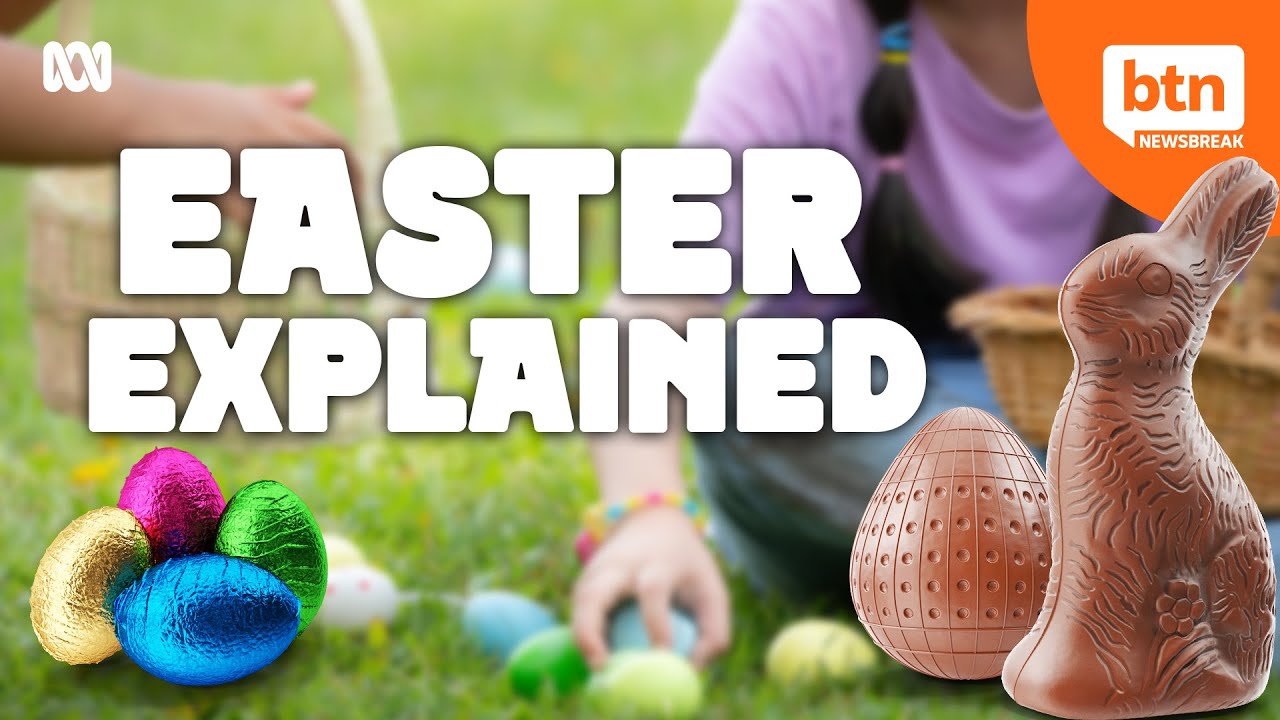
What is Easter?
What is Easter? 🎉
Easter is a significant Christian holiday that celebrates the resurrection of Jesus Christ from the dead, an event described in the New Testament of the Bible. It is a time filled with joy and renewal, symbolizing hope and new beginnings. Observed on the first Sunday after the first full moon following the vernal equinox, Easter can fall between March 22 and April 25. This dynamic festival is rich with history, traditions, and cultural significance.
The Historical Significance of Easter
Understanding what is Easter requires a look back at its origins. The roots of Easter can be traced to the early Christian community, where the resurrection of Jesus was proclaimed as foundational to the faith. Over the centuries, various traditions arose, some influenced by pre-Christian springtime festivals that celebrate rebirth.
The name “Easter” is thought to derive from “Eostre,” an Anglo-Saxon goddess associated with spring and fertility. This connection demonstrates how Easter has evolved, blending religious significance with cultural practices that vary globally.
Key Biblical Events Associated with Easter
The events surrounding Easter include:


- The Last Supper, where Jesus shared a final meal with his disciples.
- The crucifixion of Jesus, which is observed on Good Friday.
- The resurrection, celebrated on Easter Sunday, where Jesus is believed to have risen from the dead.
Common Easter Traditions
From extravagant feasts to simple family gatherings, Easter traditions vary. Here are some prevalent practices that embody the essence of Easter:
1. Easter Eggs
One of the most recognizable symbols of Easter, decorated eggs represent new life and rebirth. The tradition of egg decorating has ancient roots and can be seen in many cultures. In Christianity, eggs symbolize the resurrection of Jesus, making them a festive treat during Easter.
Families often engage in the fun activity of Easter egg hunts, where children search for hidden eggs, often filled with candies or small toys.
2. Easter Bunny
The Easter Bunny is another beloved figure. This mythical creature is believed to deliver eggs and treats to children on Easter Sunday. Much like Santa Claus, the Easter Bunny adds a touch of whimsy and fun to the holiday festivities.
Religious Observances on Easter
Many churchgoers participate in special services during Holy Week, which leads up to Easter Sunday. These services commemorate the events that defined the Holy Week, including Palm Sunday, Maundy Thursday, and Good Friday.
On Easter Sunday, churches often host sunrise services, celebrating the resurrection with hymns and prayers. The uplifting atmosphere creates a sense of renewal and joy among congregants.
The Importance of Attending Church Services
Attending church during this holy period not only enhances spiritual growth but also fosters community bonds. Many congregations come together to share meals and engage in fellowship, embodying the essence of Easter as a time for gathering and celebration.
Complementary Tools for Enhancing Easter Celebrations
While the focus remains on the traditional aspects of Easter, several modern tools and services can enhance the celebrations. Here are some ideas to integrate complementary solutions effectively:
1. Online Easter Invitations
Utilizing digital platforms like Evite to create festive invitations can save time and add flair to celebrations. Plus, tracking RSVPs becomes effortless.
2. Virtual Easter Egg Hunts
For those unable to gather in person, organizing a virtual egg hunt using platforms like Zoom can keep traditions alive, allowing family members to participate from different locations.
3. Meal Prep Services
Services like Blue Apron can simplify Easter meal preparations with pre-portioned ingredients, ensuring that families can focus on celebrating rather than cooking.
4. Online Recipe Guides
Sharing favorite Easter recipes through platforms like AllRecipes can help others discover new dishes for their celebrations. Collaborative meal preparation can be a fun way to engage family virtually.
5. Easter-themed Music Playlists
Create an uplifting Easter playlist on streaming services like Spotify. This adds a joyful ambiance to gatherings, making the atmosphere celebratory.
6. Crafts for Children
Using online resources like Pinterest, parents can find engaging craft ideas, from egg decorating to Easter-themed decorations, keeping kids entertained and involved in the festivities.
7. Charity and Donations
The spirit of Easter involves giving back. Using platforms like Charity Navigator helps families select charities to donate to as part of the holiday, reinforcing the message of kindness and compassion.
8. Easter-Themed Virtual Games
Online platforms like Board Game Arena can host themed games that encourage family bonding, enabling everyone to enjoy innocent fun in the spirit of Easter.
- Accessible and easy to join games for all ages.
- Various Easter-themed game options create a festive atmosphere.
- Encourages teamwork and family bonding, even from a distance.
- Creates memorable moments that strengthen relationships.
9. Family Storytelling Sessions
Encourage family members to share their favorite Easter memories or stories, whether in person or over a video call. This intergenerational storytelling builds connections and enriches the holiday experience.
10. Social Media Shares
Promote your Easter activities and traditions via social media. Platforms like Instagram can be used for sharing photos of decorations, egg hunts, and family gatherings, thus connecting with a broader community.
Global Variations of Easter
While Easter is rooted in Christianity, its celebrations can differ significantly around the world:
Easter in Different Cultures
Here are examples of how various countries celebrate Easter:
- Greece: In Greece, people dye red eggs, symbolizing the blood of Christ. Traditional dishes like lamb and tsoureki (sweet bread) are popular.
- Sweden: Children dress as “Easter witches,” collecting candy in exchange for their handmade artwork.
- Germany: Easter traditions in Germany often include Easter bonfires and elaborate decorated trees.
The Spiritual Meaning of Easter
For many, Easter represents hope, renewal, and the promise of eternal life. This deepens beyond merely ceremonial practices and into a personal renewal of faith. People often reflect on their spiritual lives, committing to growth and improvement as they observe the holiday.
What makes Easter particularly special is its ability to unite individuals across different backgrounds, serving as a reminder of shared beliefs in new beginnings. Its universal themes resonate widely, making it a relevant celebration for people worldwide.
Conclusion
As we’ve explored, Easter is more than just a celebration of resurrection; it encompasses deep-rooted traditions, religious observances, and a spirit of community. By integrating modern tools and practices, families can enhance their celebrations while preserving their cultural and spiritual significance. As you engage in this joyous occasion, remember that what truly defines Easter is the message of hope, renewal, and love that transcends all boundaries.
