What is a Gypsy? 7 Fascinating Facts You Should Know
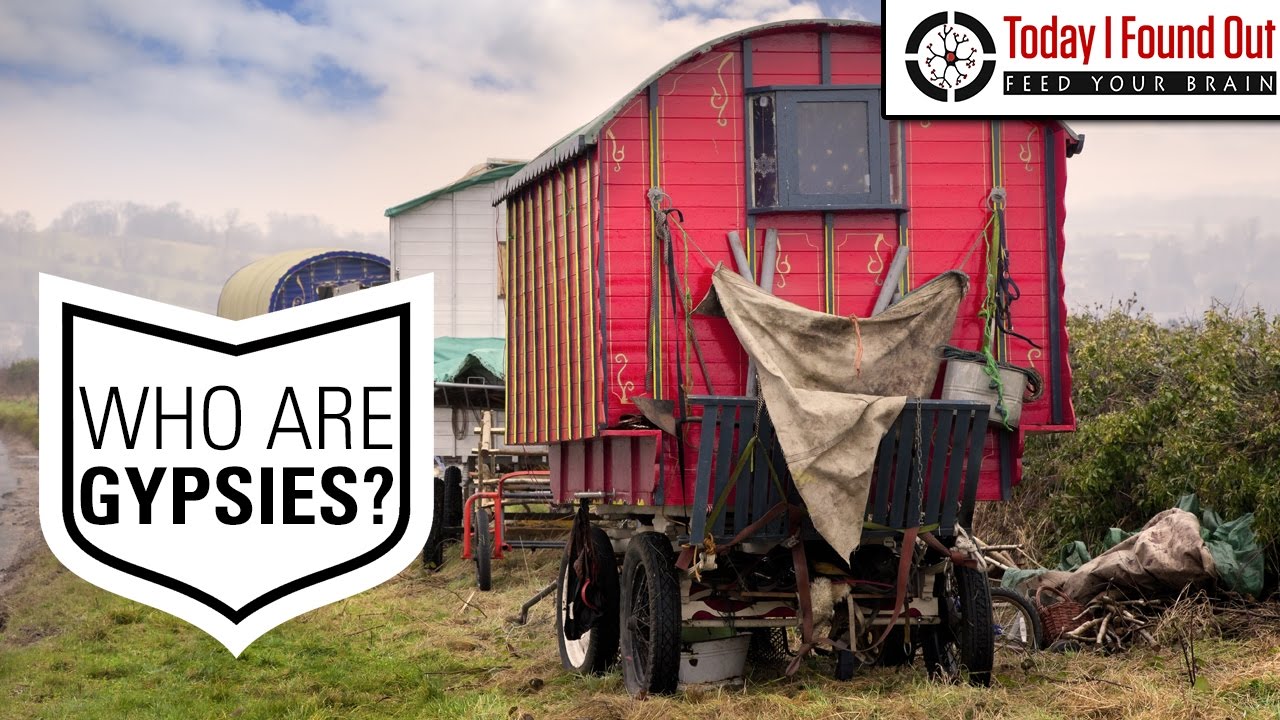
What is a Gypsy?
What is a Gypsy? 🌍
A **Gypsy**, often referred to as a Romani or Roma, represents a diverse ethnic group with a rich cultural heritage that spans across Europe and beyond. Their unique traditions, languages, and lifestyles set them apart from mainstream society. Gypsies have historically been associated with nomadic living, though this is just one aspect of their varied existence.
Origin and Historical Context
The term “Gypsy” is derived from the misconception that Romani people originated from Egypt. In reality, they are believed to have migrated from northern India around a thousand years ago. Over centuries, they have settled in various countries, each group adopting different cultural influences while maintaining their distinct identity.
Culture and Lifestyle
Gypsy culture is vibrant and multifaceted, heavily influenced by music, dance, craftsmanship, and community values. Music plays a particularly crucial role in their lives, rich with rhythm and emotion. This extensive cultural backdrop offers insights into their way of life:
- Music and Dance: Traditional Romani music, often performed during celebrations, captivates with its melodies.
- Craftsmanship: Many Gypsies are skilled artisans, specializing in handmade goods.
- Family and Community: Strong family ties and communal living are cornerstones of their social structure.
Language Diversity
Romani groups speak various dialects derived from Indo-Aryan languages. Some common dialects include Romani, which encompasses several varieties depending on the region, and is complemented by languages of the countries where they reside.


Common Misconceptions
Despite their colorful culture, Gypsies often face stereotypes and discrimination. This section will help clarify **common misconceptions** surrounding their community:
1. Nomadism
While traditionally many Gypsies were nomadic, today a significant number have settled in urban areas. Their lifestyle choices vary fundamentally based on personal circumstances and regions.
2. Criminality
Associations of Gypsies with crime are baseless and harmful stereotypes. Most Gypsies lead peaceful lives, contributing positively to society.
3. Lifestyle Choices
Romani people cherish their traditions but also adapt to contemporary society. Many Gypsies pursue education and modern careers, embracing change while respecting their heritage.
Understanding the Modern Gypsy
Contemporary Gypsies are progressively defining their identity while retaining cultural pride. Being informed about their modern-day experiences leads to better understanding and appreciation of their contributions.
Integration and Adaptation
Many Gypsy communities integrate into mainstream society, establishing businesses and participating in cultural exchanges. This phenomenon illustrates how their innovative spirit thrives amidst diversity.
Community Representation
Romani organizations play a vital role in advocating for rights and representation. They strive to eliminate prejudice and contribute positively to policy-making processes that affect their communities.
Complementary Tools and Services for Enhancing Understanding of Gypsy Culture
Utilizing complementary resources can enrich one’s understanding of Gypsy life and culture. Here are some tools and services that enhance this knowledge:
Educational Platforms
Online platforms like Khan Academy and Coursera offer courses on multicultural studies, including insights into Romani traditions and history. Engaging with these resources allows deeper appreciation and contextual understanding.
Cultural Festivals
Attending local festivals celebrating Romani culture is a fantastic way to immerse oneself in their traditions. Many festivals focus on music, dance, and crafts, providing authentic experiences.
Documentaries and Films
Films like “Latcho Drom” and documentaries on the Romani people highlight their journeys, struggles, and resilience. Viewing such media fosters empathy and knowledge about their lifestyle.
Books and Literature
Numerous books document Romani history and culture, offering in-depth perspectives. Consider exploring The Romani People for a scholarly approach.
Engagement on Social Media
Following Romani activists on platforms like Instagram and Twitter provides ongoing insights into modern Gypsy life. Engage with these communities for a deeper understanding of their current challenges and triumphs.
Culinary Experiences
Exploring Gypsy cuisine through local restaurants or cooking classes allows for a flavorful encounter with Romani culture. This offers not just nutrition but a taste of tradition.
Language Learning Apps
Using applications like Duolingo for language learning can bridge the gap between cultures. Learning Romani or the language prevalent in the region of interest cultivates respect and understanding. Start your journey with Duolingo today!
Travel Guides and Tours
Consider utilizing resources like The Culture Trip to find **ethical tours** exploring Romani heritage. These guided experiences can provide context and respect for their way of life.
Art and Craft Supplies
Engaging in crafts and activities popular within the Gypsy community enhances cultural appreciation. Resources for materials are widely available through platforms like Amazon, promoting hands-on interaction.
Virtual Reality Experiences
Emerging technologies like VR can simulate Romani living environments, providing immersive insights into their daily lives. Look for educational VR apps that showcase cultural diversity.
The Value of Understanding Gypsies in Society
Emphasizing the importance of inclusivity, recognizing Gypsy contributions fosters connections across diverse backgrounds. Engaging with their culture encourages empathy and mutual respect within society.
Creating Inclusive Communities
By understanding the challenges and joys of Gypsy life, communities can incorporate their voices into broader conversations. Inclusive practices support greater societal cohesion and mutual enrichment.
Preserving Cultural Heritage
Preservation efforts for Gypsy traditions not only honor their history but also enrich global culture. Communities that advocate for these traditions contribute to a more diverse world.
Conclusion
Understanding what a **Gypsy** truly represents goes beyond stereotypes and misconceptions. By immersing in their vibrant culture and recognizing their contributions, we can cultivate a society that values diversity and fosters inclusiveness. Whether through educational platforms or cultural experiences, our journey of discovery continues, enhancing awareness and empathy.
Cultural Identity and Diversity
What is a Gypsy? 🌍
Have you ever wondered about the term gypsy? It’s often used to describe a vibrant and diverse culture that has intrigued people for centuries. But what does being a gypsy truly mean? Let’s unravel this rich cultural identity, their traditions, and how technologies and tools can enhance the appreciation of this unique heritage.
Understanding the Term “Gypsy”
The word “gypsy” traditionally refers to members of the Romani people, an ethnic group with roots that trace back to Northern India, specifically to the Punjab region. Arriving in Europe around the 14th century, the Romani have been misunderstood and misrepresented throughout history. Despite the negative stereotypes associated with the term, being a gypsy encompasses a rich tradition of music, dance, and storytelling.
The Cultural Heritage of Gypsies
Gypsies are known for their music, which varies greatly across different regions. Traditional Romani music is characterized by its lively rhythms and is integral to festivals and celebrations. The gypsy lifestyle is often romanticized, yet it involves a strong sense of community and resilience.
Modern Gypsy Life
Today, gypsies live in various countries and often settle in both urban and rural areas. Many still maintain traditional customs, while others adapt to modern life. This duality allows for a fascinating merging of the old and the new, revealing the dynamic nature of their culture.
Misunderstandings and Stereotypes
Unfortunately, stereotypes surrounding gypsies often overshadow the beauty of their culture. Misconceptions can lead to discrimination and social exclusion. It’s important to approach the concept of a gypsy with an open mind, recognizing the diversity and richness within their identity.
How Gypsies Contribute to Society
Gypsies contribute greatly to society through their art, music, and vibrant customs. Their unique perspective and experiences enrich multicultural interactions. By embracing their heritage, gypsies advocate for cultural awareness and societal inclusivity.
Gypsy Art and Expression
Art plays a crucial role in gypsy culture. From stunning visual arts to compelling performances, gypsy artists express their stories and traditions. Utilizing tools like Canva, these artists can create visually appealing representations of their culture. Canva’s versatile platform allows gypsy artists to showcase their work digitally, enhancing their visibility and reach.
Tools to Enhance Gypsy Culture Representation
By leveraging modern technology, the gypsy community can maintain its traditions while expanding its presence. Here are some complementary tools that can enhance the use of what it means to be a gypsy:
- Social Media Platforms – Use platforms like Instagram and TikTok to showcase gypsy art, dance, and culture.
- Graphic Design Tools – Platforms like Canva for creating art and promotional materials.
- Online Learning Platforms – Websites such as Skillshare for sharing knowledge about gypsy arts and crafts.
- Music Streaming Services – Use Spotify to share traditional gypsy music and reach a wider audience.
- Community Forums – Engage with other cultures through discussions on platforms like Reddit.
- Videography Software – Use software such as Adobe Premiere Pro for documenting and sharing cultural events.
- Web Development Tools – Build websites to promote gypsy culture using platforms like WordPress.
- Content Creation Tools – Tools like Hootsuite for managing social media posts related to gypsy cultural heritage.
- Collaborative Spaces – Utilize tools like Slack to coordinate with other artists and community members.
Highlighting Graphic Design Tools
Canva:
- Easy-to-use interface for designing promotional materials.
- A vast library of templates suited for cultural events.
- Collaboration features that allow multiple users to design together.
- Accessible on different devices, facilitating flexible usage.
Using Videography Software to Accessible Gypsy Culture
Adobe Premiere Pro:
- High-quality editing features for capturing cultural events.
- A variety of effects and transitions to enhance storytelling.
- Integration with other Adobe products for seamless workflow.
- Professional-level tools that help elevate the quality of gypsy culture documentation.
The Benefits of Technology in Gypsy Culture
By using these modern tools, gypsies can share their stories more dramatically. For instance, by using what is a gypsy together with social media platforms, individuals can reach audiences globally, increasing awareness and appreciation for their culture.
Promoting Cultural Understanding
Utilizing these tools not only helps in preserving traditions but also promotes understanding. By engaging with diverse audiences online, gypsies can break down stereotypes and foster dialogue about their heritage. Imagine capturing a traditional performance on Adobe Premiere Pro and sharing it on social media; this ambition can be realized with the right technology.
Empowering Gypsy Youth
The integration of technology into gypsy culture can empower the youth by providing them opportunities to express themselves and explore their identities. Learning about digital arts through platforms like Skillshare can inspire young gypsies to keep their heritage alive while innovating within it.
Engaging with the Community
Digital platforms provide a way for the gypsy community to engage with each other and with wider audiences. Moreover, community forums allow for discussions on cultural topics, challenges, and achievements. It creates a support network that thrives on diversity and shared experiences.
The Future of Gypsy Culture
As technology continues to evolve, so does the potential for the gypsy community to thrive. By embracing modern tools while safeguarding traditional values, the future of what it means to be a gypsy looks promising. With a conscious effort to educate others and represent their culture authentically, gypsies can continue to enrich the cultural tapestry of society.
Conclusion
Essentially, understanding what it means to be a gypsy requires us to look past stereotypes and appreciate the richness of their cultural identity. By employing modern tools and embracing new platforms, the gypsy community can ensure their heritage shines brightly in the contemporary world.
Romani Contributions to Society
What is a Gypsy? A Deep Dive into the Romani Culture 🌍
Have you ever wondered about the term “Gypsy”? This term often evokes a mix of intrigue, stereotypes, and misunderstandings. In this article, we will explore the rich tapestry of the Romani people, who are often referred to as Gypsies, and uncover the truths and misconceptions surrounding their identity.
Understanding the Term: Gypsy vs. Romani
The term “Gypsy” originates from a historical misconception that these people came from Egypt, hence the name. In reality, they are part of a larger ethnic group known as the Romani people, whose roots trace back to northern India. The Romani have a diverse cultural heritage, split into various groups with distinct languages, traditions, and lifestyles.
Origins of the Romani People
Scholars believe that the Romani people migrated from India to Europe around the 11th century. Over centuries, they have encountered various challenges, including discrimination and persecution, which have shaped their culture and lifestyle. The resilience of the Romani culture is evident in their music, dance, and art, which continue to thrive today.
Demystifying Stereotypes: Common Misconceptions About Gypsies
Despite their rich cultural background, the Romani people face numerous stereotypes. Many people associate them erroneously with negative traits such as thievery or fortune-telling. These stereotypes not only obscure the essence of Romani culture but also perpetuate harmful biases. It’s essential to differentiate between the myths and the reality of what it means to be a Gypsy.
The Reality of Romani Life
Contrary to popular belief, not all Romani individuals are nomadic. While some groups do maintain a traditional traveling lifestyle, many Romani people live in permanent homes and contribute to various professions. Their diverse experiences reflect a wide range of lifestyles, thus enhancing the texture of their culture.
Romani Culture: Language, Traditions, and Art
One of the standout features of the Romani culture is its vibrant tradition of storytelling and music. The Romani language, which has several dialects, incorporates elements from various languages including Hindi and Romanian. These linguistic roots showcase the historical journeys of the Romani people.
Music and Dance
Romani music and dance are celebrated worldwide for their unique rhythms and emotional depth. Many famous artists, such as André Rieu and the Gipsy Kings, draw inspiration from Romani traditions.
- Improvisation: Romani music often features spontaneous improvisation, making every performance unique.
- Instruments: Traditional instruments include violins, guitars, and accordions, which contribute to the distinct sound.
- Dance Styles: Energetic and expressive, Romani dance incorporates intricate footwork and dramatic movements.
- Global Influence: Romani music elements can be found across various musical genres, influencing jazz, flamenco, and pop.
Embracing Romani Contributions to Society
Understanding what a Gypsy represents goes beyond stereotypes. The Romani community has made significant cultural contributions globally, from music to arts and crafts. Many Romani craftspeople are known for their expertise in metalwork, textiles, and woodworking.
Gypsy Rose Lee and the Arts
One notable figure in popular culture is Gypsy Rose Lee, an American burlesque entertainer, whose name has become synonymous with confidence and art. Lee’s influence not only reflects the struggles of being a Romani performer but also showcases the empowerment and creativity within the community.
Complementary Tools to Enhance the Understanding of Romani Culture
Exploring the culture of the Gypsies (Romani people) can be enhanced through various tools and resources that help you dive deeper into their world. Here are some complementary tools that can bring additional value:
- Depositphotos – Explore images depicting Romani culture and life.
- TED Talks – Engage with stories and discussions on Romani experiences and insights.
- YouTube – Watch documentaries and performances to appreciate Romani arts.
- Goodreads – Discover literature on Romani history and cultural studies.
- Wikipedia – Get detailed articles on Romani history and social issues.
Using TED Talks to Deepen Your Understanding
TED Talks are an excellent resource for gaining insights into various cultures, including the Romani. Listening to personal stories can enhance your understanding of their experiences. Here’s why using TED Talks is beneficial:
- Diverse Perspectives: Talks feature Romani voices sharing their stories.
- Global Reach: Connect with a worldwide audience and share knowledge.
- Inspiring Ideas: Gain insights that can fuel discussions about cultural appreciation.
- Time-Efficient: Watch engaging talks at your convenience, making learning easy.
Community and Activism: Supporting Romani Rights
The plight of the Romani people has led to activism and advocacy. Understanding what a Gypsy truly signifies can foster empathy and support for their rights. Many organizations work tirelessly to counteract discrimination and promote Romani culture. Joining these initiatives can help broaden your awareness and involvement.
Steps to Support Romani Communities
- Educate yourself and others about Romani culture.
- Engage with community-led initiatives that focus on preserving Romani heritage.
- Attend cultural events to celebrate Romani contributions.
- Advocate for Romani rights through social media and discussions.
Conclusion: Embracing the Richness of Romani Culture
Understanding what a Gypsy represents involves delving into the multifaceted identity of the Romani people. By embracing their culture, contributions, and challenges, we cultivate a more inclusive society that appreciates diversity. Moreover, using complementary tools such as TED Talks and dedicated literature can enrich your journey into the world of Romani culture.
By exploring and supporting these efforts, we can work towards combating stereotypes and fostering a deeper understanding of various cultures, particularly that of the Romani people. The journey continues, and every step towards awareness is a step towards unity. 🌈
What is a Gypsy? 🌍
Have you ever wondered about the term gypsy? This word often evokes images of vibrant cultures, travel, and a unique way of life. In this article, we will delve into the various aspects that define what a gypsy truly is and explore their rich traditions and lifestyles. By the end, you’ll not only understand what a gypsy is but also appreciate their contributions to culture and society.
The Definition of Gypsy
The term gypsy traditionally refers to the Romani people, an ethnic group with origins tracing back to northern India. They are known for their nomadic lifestyle, but it’s essential to recognize that many Romani now reside in permanent homes across Europe and the Americas. The term has sometimes been used pejoratively or inaccurately, so it is vital to approach this subject with sensitivity and respect.
Historical Background
The history of the Romani people is fascinating and intricate. They migrated from India to Europe around the 14th century. Throughout history, gypsies faced discrimination and persecution, particularly during the Holocaust. However, they have maintained a distinct culture rich in music, art, and storytelling. For a more detailed history, you can check out this Wikipedia article.
Cultural Identity
Cultural identity plays a pivotal role in the lives of gypsies. Their strong traditions include specific forms of music, dance, and dress that vary among different Romani groups.
Music and Dance
Music is integral to Romani culture, with genres such as Flamenco and Romani folk music showcasing their rich heritage. 🎶 By embracing music and dancing in festivals or gatherings, gypsies express their history and emotions.
Culinary Traditions
Food is another significant aspect of cultural identity among gypsies. Dishes like sarmale and mici reflect their diverse influences, blending flavors from various regions. The preparation and sharing of food strengthen community bonds and celebrate tradition.
Modern Lifestyle and Values
Today’s gypsies often balance traditional values with modern influences. While many embrace contemporary lifestyles, there are still strong community ties centered around family, respect, and spirituality. Understanding these values can help foster better communication and connections with the Romani people.
Common Misconceptions
Many misconceptions surround what a gypsy is, often fueled by stereotypes. It is crucial to address these myths to foster respect and understanding.
Myth #1: All Gypsies are Nomadic
Contrary to popular belief, not all Romani people live a nomadic lifestyle. While some continue to travel, many have settled in communities and lead typical lives.
Myth #2: Gypsies are Criminals
Another harmful stereotype is the association of gypsies with crime. This stigma has arisen from social prejudices and does not reflect the behavior of the majority of Romani people, who are law-abiding citizens.
Gypsy Culture in the Arts
The influence of gypsy culture extends notably into the arts. Many artists and writers draw inspiration from Romani themes, contributing notable works that celebrate their spirit.
Literature and Film
From the iconic portrayal in literary works to films that explore Romani life, these narratives play a crucial role in portraying what a gypsy truly represents. Titles such as “The Elephant Man” showcase complex characters shaped by their cultural backgrounds, enhancing the understanding of gypsy life.
Complementary Practices
Understanding gypsy traditions can be enhanced through various complementary tools and practices. Here are some ideas on how to embrace and integrate these cultural aspects with contemporary solutions.
1. Cultural Workshops
Participating in cultural workshops can provide hands-on learning experiences. Engage with local Romani communities to learn about their crafts, music, or dance traditions.
2. Music Software for Composition
Consider using FL Studio to create music inspired by gypsy themes. This versatile music production software allows you to combine traditional melodies with modern sounds. Some features include:
- User-friendly interface for beginners
- Wide range of virtual instruments
- Ability to collaborate with other musicians online
- Supports diverse genres and styles
3. Online Learning Platforms
Websites like Udemy may offer courses on Romani history and culture, providing valuable context for your understanding.
4. Documentaries
Watch documentaries that explore gypsy life for a deeper and more personal perspective. These films often showcase real stories and experiences from Romani individuals.
5. Language Learning Apps
Engaging with the Romani language through apps like Duolingo can enhance cultural connections. Learning basics can lead to meaningful interactions.
6. Community Events
Attending local festivals or events that feature Romani culture allows you to experience the community firsthand. These events often celebrate their music, food, and crafts.
7. Travel Guides
Explore regions with a high Romani presence, using resources like local travel guides to understand their lifestyle better. This direct experience can enrich your appreciation of their culture.
8. Cultural Exchange Programs
Participating in cultural exchanges can provide profound insights. Programs that foster interaction between Romani and non-Romani individuals help break down barriers. Some benefits include:
- First-hand experience of Romani traditions
- Increased understanding of cultural nuances
- Opportunities for mutual learning
- Building lasting relationships between cultures
9. Art Classes
Join art classes that focus on Romani-inspired art forms, allowing you to create with cultural significance.
10. Culinary Experiences
Take cooking classes that focus on traditional gypsy recipes to immerse yourself in their culinary traditions.
Community and Identity
The concept of community among gypsies is vibrant and deeply rooted in shared history and experiences. Family gatherings and open celebrations are common, where music and storytelling thrive. Understanding these aspects can help foster respect and appreciation for their culture.
Conclusion
Exploring what is a gypsy unveils a rich tapestry of history, culture, and identity. This article has only scratched the surface of the diverse and fascinating contributions of the Romani people. Engaging with their culture through various complementary tools and practices allows for a deeper connection and understanding, promoting respect and appreciation for their unique heritage.
Resources for Further Understanding
For those interested in diving deeper, consider exploring these resources:
- Romani Cultural and Arts Company – Focuses on arts and heritage.
- Books on Romani History – Find a variety of books that detail their culture and contributions.
- NPR Article on Romani People – Highlights contemporary issues faced by gypsies.
