What Does Logos Mean in Literature? 5 Key Insights Explained
What Does Logos Mean in Literature
Have you ever wondered what persuasive devices writers use to captivate their audience? One of the most powerful yet often misunderstood concepts is logos 📊. In literature, logos refers to the appeal to logic and reason, used to persuade the audience through rational arguments. This article delves deep into the meaning of logos in literature, exploring its significance, uses in various contexts, and how it enhances literary works.
The Historical Context of Logos
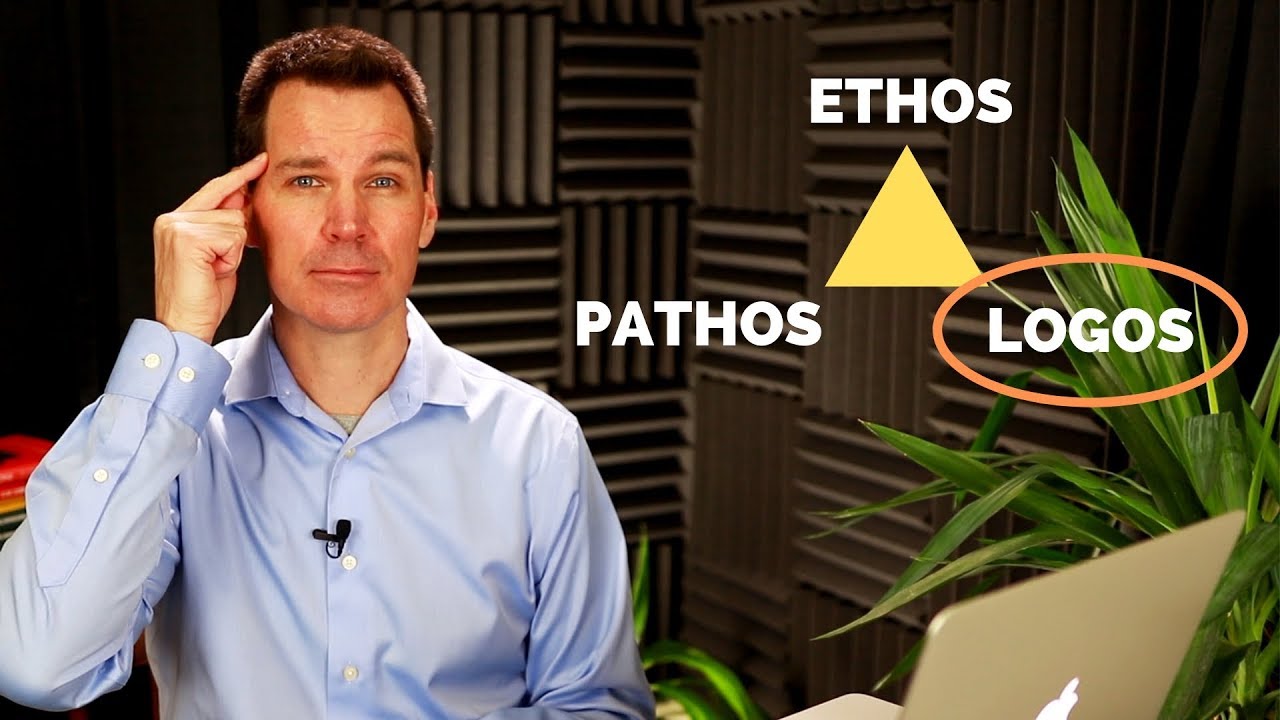
The term “logos” is derived from ancient Greek philosophy, where it signified “word,” “reason,” or “principle.” It was primarily introduced by Aristotle in his rhetorical appeals, alongside ethos (credibility) and pathos (emotional appeal). Aristotle emphasized that while pathos appeals to the audience’s emotions and ethos appeals to the speaker’s credibility, logos offers a reasoned, logical argument.
Understanding Logos in Literature
In literature, logos serves to develop arguments and deliver messages logically and convincingly. Writers utilize logos to structure their narratives or arguments in a way that the audience finds compelling and easy to follow. For instance, an author may present statistical evidence or logical reasoning to support a character’s decisions or thematic elements within the story.
Examples of Logos in Literary Works
Logos can be found in various texts across genres, including novels, essays, and speeches. Here are a few noteworthy examples:


- George Orwell’s “1984”: The logical structure of the Party’s propaganda demonstrates the chilling effects of totalitarianism, presenting facts to negate any possibility of dissent.
- Martin Luther King Jr.’s “I Have a Dream” speech: King employs logos by presenting logical arguments about equality and justice, supported by historical evidence.
- Malcolm Gladwell’s “Outliers”: Through case studies and statistics, Gladwell uses logos to dissect success and the factors influencing it.
How Logos Enhances Literature
Logos is essential for creating a strong connection between the writer’s arguments and the audience’s comprehension. It benefits literature in multiple ways:
- Clarity: By presenting clear, logical arguments, writers help readers grasp complex themes easily.
- Persuasiveness: Logical reasoning can significantly enhance the persuasive power of a narrative.
- Critical Thinking: Encourages readers to analyze and evaluate arguments logically, fostering a deeper engagement with the text.
- Immersive Narrative: When authors use logos effectively, it supports the development of a coherent narrative structure, enhancing the storytelling experience.
Using Complementary Tools with Logos
When utilizing logos in literature, there are various complementary tools that can further enhance its effectiveness. Here are some strategies:
1. Data Visualization Tools
By incorporating diagrams and charts, authors can amplify the logical arguments made in their literary works. For instance, tools like Canva can help create visual representations of data that support the narrative structure.
2. Research and Analysis Platforms
- Comprehensive Data: Provides a wealth of information to support logical arguments.
- Accessibility: Many platforms are user-friendly, making research easy for both writers and readers.
- Organized Content: Help writers structure their findings logically.
- Critical Insights: Elevates the argumentation by ensuring that the data used is relevant and accurate.
3. Writing Assistance Software
Tools like Grammarly can help writers refine their arguments and improve sentence structure, ensuring that their logical points are expressed clearly and concisely.
4. Collaboration Platforms
Using tools like Google Docs, writers can collaborate with peers to enhance the logical flow of their narratives, benefiting from diverse perspectives.
5. Outlining Tools
Platforms like MindMeister assist writers in organizing their thoughts visually, making it easier to construct logical arguments and analyze the coherence of their narratives.
6. Statistical Analysis Software
Utilizing software like Tableau makes it easy to visualize and analyze data, enabling authors to incorporate solid empirical evidence into their arguments.
7. Online Courses
Online platforms for courses on critical thinking can enhance an author’s capacity to present logical arguments effectively. Websites like Coursera offer valuable resources for developing these skills.
8. Feedback Mechanisms
- Constructive Criticism: Captures different viewpoints, ensuring logical arguments are well-rounded.
- Iterative Development: Encourages writers to refine their use of logos based on feedback.
- Clarity and Precision: Helps identify any logical fallacies within the narrative.
- Improved Engagement: Shared insights can lead to a more engaging narrative as different perspectives are integrated.
9. Editing Tools
Software like ProWritingAid allows writers to edit their work for clarity, coherence, and logical flow, enhancing the overall persuasiveness of the text.
10. Peer Review Platforms
By using platforms such as ResearchGate, authors can share their work with peers for feedback, ensuring that their logical arguments resonate with the audience.
The Importance of Audience Segmentation
Understanding your audience is crucial when employing logos effectively. By segmenting your audience, you can tailor your logical arguments to meet their specific needs and preferences. When writers adapt their use of logos for different audience segments, they enhance content effectiveness, leading to improved engagement and satisfaction.
Practical Applications of Logos
By integrating what does logos mean in literature within various contexts, writers can craft compelling narratives that not only inform but persuade. Consider the following use cases:
- In academic essays, logos is essential for presenting arguments supported by research, allowing for clearer understanding and acceptance.
- Narrative nonfiction often relies on logos to provide factual evidence, heightening the author’s credibility and engaging the reader deeply.
- In speeches, using logos can reinforce emotional appeals by grounding them in facts, creating a more compelling case for the audience.
- Creative writing can benefit from logical character decisions driven by the story’s plot, enhancing the reader’s connection to the narrative.
Conclusion
Understanding what does logos mean in literature is fundamental for both writers and readers. By mastering the art of logical argumentation, authors can create texts that resonate on an intellectual level. Combining this approach with various complementary tools can further enhance the effectiveness of logos, leading to more persuasive and impactful literature.
As you continue exploring the world of literature, consider how the principles of logos can be applied to your writing or reading strategies. The journey of mastering this powerful tool will undoubtedly enrich your appreciation of literary works.
The Role of Logos in Persuasive Writing
What Does Logos Mean in Literature?
Understanding the role of logos in literature is key for anyone seeking to improve their persuasive writing skills ✍️. In this article, we will delve into the meaning of logos, its importance in literary works, and how it can be used effectively. Together, we will explore related tools and concepts that can enhance your mastery of this rhetorical strategy.
The Definition of Logos
Logos is a term derived from Greek philosophy that refers to logic or reason. In literature, it is utilized to construct logical arguments that appeal to the reader’s rationality. This appeals to the logical side of the audience, enabling the author to present ideas systematically and persuasively. By employing logos, writers effectively persuade their audience by using facts, statistics, and logical reasoning.
The Importance of Logos in Literary Works
Logos plays a crucial role in strengthening the arguments made in literary texts. It helps authors build credibility and helps readers grasp complex ideas through rational discourse. Here are some reasons why logos is essential:
- Clarity: Logical arguments present ideas clearly and systematically, making them easier for readers to follow.
- Persuasiveness: Well-structured arguments backed by evidence engage readers and compel them to agree with the author’s perspective.
- Intellectual Engagement: Logos stimulates critical thinking among readers, encouraging them to analyze arguments rather than just accept them at face value.
Classic examples of Logos in Literature
Several renowned authors have effectively utilized logos in their works. For instance:
- George Orwell: In “1984,” Orwell uses statistics and government reports to build a logical framework explaining totalitarian control.
- Julius Caesar: In Shakespeare’s play, Marc Antony uses logos to dismantle Brutus’s arguments after Caesar’s assassination, appealing to the crowd’s reason.
How to Use Logos Effectively in Your Writing
Implementing logos in your writing involves several strategies:
- Incorporate data and statistics that support your claims.
- Use defined arguments and logical transitions between points.
- Ensure your thesis is clear and backed by rational explanation.
- Anticipate counterarguments and address them logically.
Complementary Tools to Enhance the Usage of Logos
To maximize the effectiveness of logos in literature, consider integrating the following tools:
1. Grammarly
Using Grammarly ensures your writing is free from grammatical mistakes and stylistic errors, sharpening your logical arguments.
2. Evernote
This note-taking application can help you organize your thoughts, data, and references. Here are a few benefits of integrating Evernote with your work on logos:
- Idea Organization: Keep all your research facilities in one place.
- Easy Access: Retrieve your notes across devices swiftly.
- Search Functionality: Find references and links in seconds.
- Integration: Connect with other tools and applications for a seamless writing experience.
3. Cite This For Me
Utilizing Cite This For Me helps in effortlessly managing your references to support your logical arguments.
4. Google Scholar
Access academic papers and publications for credible sources using Google Scholar.
5. MindMeister
MindMeister is a mind-mapping tool that can help visualize and organize ideas, enhancing the logical structure of your writing. This tool allows you to:
- Brainstorm: Generate and connect ideas visually.
- Collaborate: Work with others on shared maps.
- Organize Information: Clearly outline arguments and evidence.
- Accessibility: Access your mind maps from anywhere online.
6. Google Docs
Using Google Docs allows for collaborative writing, enabling real-time feedback as you incorporate logos into your arguments.
7. Zotero
This citation tool organizes research effectively. When writing arguments based on logos, proper citation is crucial.
8. Trello
Using Trello can help you manage your writing projects by laying out deadlines and organizing tasks related to research and argument development. Benefits include:
- Task Management: Keep track of what you need to write and when.
- Collaborative Features: Work with others in a shared environment.
- Visual Boards: Analyze your project layout at a glance.
- Due Dates: Set deadlines to ensure timely completion of your work.
9. Microsoft Word
This traditional writing tool has extensive formatting features to help structure logical arguments compellingly.
10. HubSpot Blog Ideas Generator
Utilize the HubSpot Blog Ideas Generator to brainstorm topics that can be approached with logos, supported by facts and data.
Common Misconceptions About Logos
Many believe that logos is solely about data presentation. However, it is equally about how these facts are integrated coherently into an argument. Logical progression and clarity are essential for effectiveness.
Conclusion
Integrating logos into your literary works can greatly enhance your argument’s persuasiveness and clarity. By utilizing additional tools and resources, you can enhance your writing efficiency and potency. Keep leveraging these strategies to craft compelling narratives that resonate with your readers’ logical and rational senses.
References and Resources
Logos Versus Other Rhetorical Appeals
Understanding What Does Logos Mean in Literature
Have you ever wondered how authors persuade their audiences not just with emotions but with well-structured arguments? 🤔 This is where the concept of logos comes into play. In this article, we will dive deep into the meaning of logos in literature, exploring its significance and applications in effective storytelling.
Defining Logos
Logos is a rhetorical device that refers to logic or reasoning employed in an argument. It forms one of the three pillars of rhetoric—alongside ethos (credibility) and pathos (emotional appeal). Authors who master logos craft persuasive and coherent arguments, allowing readers to engage with their texts intellectually.
The essence of logos lies in utilizing facts, statistics, logical reasoning, and clear arguments to construct meaningful narratives. Unlike emotional appeals, logos relies on rationality and evidence, making it an essential tool for authors who aim to convince or inform.
The Role of Logos in Literature
Logos is crucial in literature as it enhances clarity and facilitates understanding. By integrating logical arguments into their narrative structures, writers can pose questions, provoke thoughts, and stimulate readers’ curiosity. This cognitive engagement fosters a more profound connection between the text and the audience.
Types of Logos in Literature
When examining how logos functions in literature, we can identify various forms:
- Factual Evidence: Authors provide data or statistical information to support their claims, thus enhancing the argument’s credibility.
- Logical Structure: Texts that follow a logical progression or narrative structure help lead the reader through the argument.
- Reasoned Arguments: By presenting a sequence of logical reasoning, authors can guide readers to conclusions that seem inevitable.
Examples of Logos in Literary Works
To grasp the impact of logos, let’s consider some classic examples:
- George Orwell’s “1984”: Orwell employs logical arguments regarding totalitarianism, enhancing the narrative’s critique of oppressive regimes through factual evidence and logical deductions.
- Shakespeare’s “Hamlet”: Hamlet’s soliloquies often present logical considerations about life and death, drawing readers into philosophical debates about existence.
- Jane Austen’s “Pride and Prejudice”: Throughout the novel, Austen employs logical reasoning to critique social class dynamics, making her arguments about marriage and morality compelling and persuasive.
Enhancing Logos Through Complementary Tools
Using logos effectively can be enhanced with various complementary tools. Here are a few suggestions on how you can integrate these tools into your literary analysis or writing process:
- Research Software: Utilize software such as Trello for organizing research and facts systematically.
- Writing Assistance Tools: Leverage platforms like Grammarly to refine your argument’s clarity and grammatical correctness.
- Data Visualization Tools: Programs like Canva can help visualize statistical information, making logical arguments more accessible.
- Note-taking Apps: Use Evernote to capture ideas and jot down evidence supporting your literary analysis.
- Peer Review Platforms: Take advantage of platforms like Proofreading Pal to receive feedback on the logical flow of arguments in your writing.
- Online Learning Resources: Websites like Coursera offer courses that enhance understanding of rhetorical strategies, including logos.
- Discussion Forums: Engage with communities on platforms like Reddit to share insights about logos in literature.
- Outline or Mind Mapping Tools: Consider using MindMup for visualizing logical structures in your arguments.
Detailed Breakdown of Complementary Tools
1. Grammarly
- Offers real-time feedback on grammar and style, ensuring your arguments are grammatically sound.
- Enhances clarity by suggesting more concise alternatives to complex sentences, improving the logical flow.
- Provides readability scores, helping you adjust the complexity of your language based on your target audience.
- With plagiarism checking, it safeguards your originality while strengthening your arguments with proper citations.
2. MindMup
- Facilitates brainstorming and organizing thoughts logically, enhancing the clarity of your arguments.
- Allows visual mapping of concepts, enabling you to see how different pieces of information connect.
- Supports collaboration, making it easy to share your logical structures with peers for feedback.
- Encourages exploration of different angles in your arguments, leading to more nuanced conclusions.
Applying Logos in Different Contexts
When utilizing logos in your writing, it’s essential to segment your audience effectively. Different demographics may require various levels of detail or types of evidence. Adaptation can lead to:
- Enhanced engagement by tailoring arguments to specific interests or backgrounds.
- Increased persuasive power, as different audiences will resonate with different kinds of logical appeals.
- Opportunity for personalized experiences, thus making your narrative more relevant to diverse readers.
Logos in Modern Literature and Persuasion
As society evolves, so does the way writers incorporate logos into their works. Modern literature often reflects a blending of traditional narrative techniques with contemporary issues, requiring authors to be ever more logical and precise in their arguments. Examples of this can be found in:
- Political literature, where authors analyze current events and use evidence to support their viewpoints.
- Social commentary, as seen in works addressing climate change where data is essential for persuasive narratives.
- Academic writing, where rigorous logical structures are expected to uphold scholarly integrity.
Final Thoughts on Implementing Logos
The effectiveness of logos lies in its ability to clarify and elucidate arguments in literature. By combining logos with complementary tools, writers can enhance their clarity, accessibility, and impact. To maximize your effectiveness, consider various strategies: utilize writing assistants, engage with research platforms, and visualize your arguments. Each element works together to create compelling texts that resonate logically with readers, inviting them to think critically and engage with the material profoundly.
What you’ll discover next might surprise you as you delve into the interplay between logic and creativity in your writing endeavors. Remember, the journey of understanding and employing logos in literature is continuous; the more you practice, the more compelling your narratives will become! 🚀
For further reading, check out these authoritative sources on Logos or explore how it contrasts with ethos and pathos in great literary works.
Understanding Logos in Literature
Have you ever pondered how authors persuade their readers? 🤔 One key element in this process is **logos**, a crucial rhetorical device that appeals to reason and logic. But what does logos mean in literature, and how can it transform your understanding of texts? In this article, we will delve deep into the meaning of logos, its significance, examples, and how to effectively utilize it in your writing.
What is Logos?
In the realm of literature and rhetoric, **logos** refers to the appeal to reason. Derived from the Greek term for “word” or “reason,” it involves using logical arguments, facts, and evidence to persuade an audience. Unlike ethos (appeal to credibility) and pathos (appeal to emotion), logos relies on clear reasoning. By incorporating logos, authors can effectively present their arguments and influence their readers’ perspectives.
The Role of Logos in Literature
Logos plays a significant role in various genres of literature. For instance, in persuasive essays, novels, or speeches, writers utilize logical reasoning to establish a compelling case for their viewpoints. This can be seen in renowned works like Aristotle’s “Rhetoric,” where he emphasizes the importance of logical reasoning in argumentation.
How Logos Enhances Literary Works
- **Builds Credibility**: By supporting claims with well-researched facts, authors enhance their credibility.
- **Strengthens Arguments**: Logical reasoning makes arguments more robust, leading to persuasive discussions.
- **Encourages Critical Thinking**: Readers engage more critically when presented with coherent, logical arguments.
- **Facilitates Understanding**: Clear reasoning helps readers grasp complicated concepts, making literature accessible.
Examples of Logos in Literature
Now that we understand what logos means in literature, let’s explore some examples where this rhetorical device shines.
Classical Examples
In works such as **”The Declaration of Independence,”** Thomas Jefferson uses logos to outline the colonies’ grievances against King George III. By presenting logical arguments based on facts of injustice and oppression, Jefferson persuades the audience to support independence.
Contemporary Literature
In George Orwell’s **”1984,”** the use of logos is evident in Winston’s logical reasoning regarding the oppressive governmental structure. Orwell meticulously presents the contradictions in the Party’s ideologies, encouraging readers to question authority.
How to Use Logos Effectively in Your Writing
Incorporating logos into your writing is imperative for constructing persuasive arguments. Here are some strategies to employ logos effectively:
1. Use Statistics and Data
Incorporate relevant statistics to back your claims. Numbers can convey facts that are irrefutable. For example, rather than stating that “reading is beneficial,” you might say, “Studies show that individuals who read regularly perform 20% better in academic settings than those who do not.”
2. Provide Clear Examples
Illustrate your arguments with clear, relatable examples. If discussing environmental issues, cite a specific case, like the effects of pollution on health or ecosystems, to enhance understanding and appeal logically to your audience.
3. Build Logical Arguments
Ensure your statements flow logically. Begin with a claim, support it with facts, and conclude with a logical inference that makes your argument stronger and more convincing.
4. Anticipate Counterarguments
Address potential counterarguments logically. By acknowledging opposing viewpoints and refuting them with facts, you enhance your credibility and make your argument more compelling.
Complementary Tools to Enhance the Use of Logos
To further enhance your ability to utilize logos in your writing, consider employing various tools and resources that can strengthen your arguments. Here are some effective ideas on how to integrate these tools:
1. Writing Software
Writing tools like Grammarly can help check for grammatical errors and clarity. A clear argument is crucial for effective logos.
2. Research Databases
Utilizing databases such as JSTOR provides access to scholarly articles, enhancing the credibility of your claims.
- **Extensive Resource Diversity**: Access thousands of journals and articles across various disciplines.
- **Credibility Boost**: Citing peer-reviewed material enhances the legitimacy of your arguments.
- **Search Functionality**: Easily find relevant information related to your topic of interest.
- **Research History Management**: Keep track of your searches and reference materials for future use.
3. Infographic Tools
Creating visuals with tools like Canva can help present logos effectively. A well-designed infographic can convert complex data into digestible visuals.
4. Presentation Software
Use presentation tools like Slideshare to visually communicate your arguments, incorporating logos effectively with visual elements.
5. Online Citation Generators
Tools like Citation Machine ensure that your research is correctly cited, enhancing your credibility with logical argumentation.
6. Collaborative Writing Platforms
Using platforms like Google Docs enables real-time collaboration. Getting feedback on logical coherence can enhance your arguments significantly.
7. Mind Mapping Software
Tools such as MindMeister can help you organize thoughts logically, which is vital for constructing persuasive essays or arguments.
8. Public Speaking Courses
Participating in courses provided by platforms like Udemy can help you understand the practical application of logos in speech writing and presentations.
- **Expert Instruction**: Learn from experienced instructors who specialize in persuasive communications.
- **Interactive Content**: Engage in discussions and activities that stimulate critical thinking about logos.
- **Practical Application**: Gain skills applicable to both written and oral arguments.
- **Certification**: Obtain certificates that validate your commitment to improving your persuasive abilities.
9. Editing Services
Enlisting professional editors can ensure your arguments are polished and logical. Check out Editage for expert editing services.
10. Writing Communities
Joining online forums such as Reddit’s Writing subreddit provides opportunities to discuss and refine your understanding of logos with other writers.
The Importance of Audience Understanding
When employing logos, understanding your audience is essential. Tailoring your arguments to resonate with different segments can significantly enhance your effectiveness. By adapting your logical appeals to cater to the interests and understanding of your audience, you increase their engagement and satisfaction.
Conclusion
In summary, logos is a powerful tool in literature that can enhance persuasive writing significantly. By understanding what logos means in literature, utilizing examples, and effectively leveraging complementary tools, writers can articulate their arguments more logically and convincingly. Adopting these strategies not only improves writing clarity but also engages the audience, fostering critical thinking and understanding.
