The prayer of sorrow: essential, complete guide in 5 steps
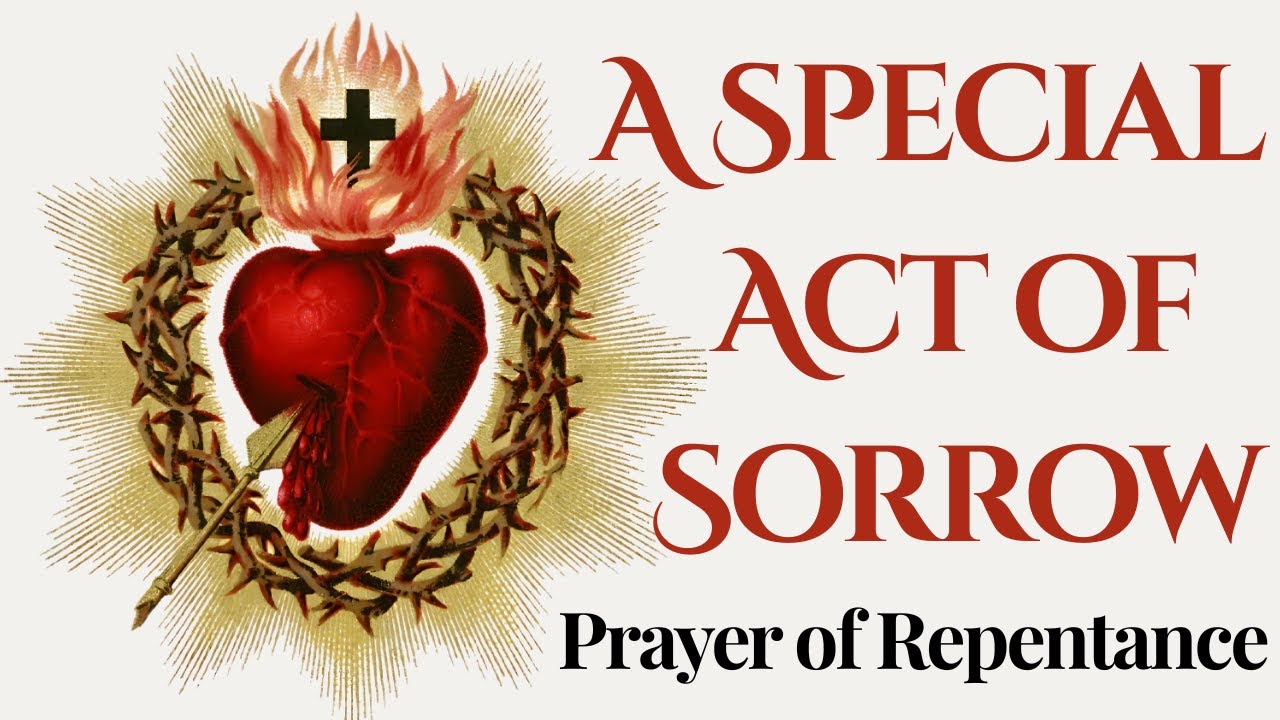
What is the prayer of sorrow?
The prayer of sorrow is a heartfelt expression of regret, accountability, and hope for renewal. Rooted in centuries of spiritual practice, it gives people a clear and dignified way to say, “I have done wrong, and I want to do better.” Whether you approach it from a Christian perspective, another faith, or simply a desire to repair relationships and grow in character, the prayer of sorrow can help you move from remorse to meaningful change.
Traditionally associated with Christian confession and penitence (often known as the Act of Contrition), the prayer of sorrow is used to acknowledge faults, ask for forgiveness, and commit to a different path. It is not only about words; it is also about attitude and action. Done thoughtfully, the prayer of sorrow helps you face your mistakes honestly, name the harm, and take the next step towards reconciliation.
Understanding the prayer of sorrow: meaning and purpose
At its core, the prayer of sorrow is a personal statement of three things: recognition of wrongdoing, a request for mercy or forgiveness, and a promise of change. In Christian life, it often accompanies sacramental confession or times of self-examination, but the underlying pattern appears in many traditions and in everyday life when we apologise with sincerity. The prayer of sorrow gathers these threads into one focused moment, helping you speak with clarity and humility.
Why is the prayer of sorrow important? Because remorse alone can be foggy and circular. The prayer gives remorse shape. It focuses the heart on responsibility rather than self-condemnation, and on future commitment rather than vague regret. For people of faith, it also restores a sense of relationship with God. For anyone, it strengthens integrity: you align your words, your conscience, and your actions.
Key elements that make the prayer of sorrow meaningful
While wording varies across traditions, the prayer of sorrow usually includes these elements:
- Honest acknowledgement: naming what went wrong without excuses.
- Contrition: genuine regret for the harm done, not just for being caught.
- Appeal for mercy: asking for forgiveness and help.
- Resolve: a practical intention to change course, make amends, and avoid repeating the harm.
- Hope: trust that renewal is possible, and that relationships can be repaired.
In Christian practice, the prayer of sorrow may also include an expression of love for God and a desire to live more faithfully. In counselling or secular settings, it might focus on empathy for those harmed and a plan to put things right. In either case, the structure helps you move forward with dignity.
How to pray the prayer of sorrow step by step
If you have never prayed the prayer of sorrow before, try this simple approach. You can speak out loud or silently; you can write it down if it helps. The important thing is to be honest, specific, and open to change.
- Pause and reflect. Find a quiet space. Breathe and become aware of the situation you want to address.
- Name what happened. State plainly what you did or failed to do. Avoid softening the language or blaming others.
- Allow real remorse. Notice how your actions affected others, your values, and your relationship with God (if you are praying as a person of faith).
- Ask for forgiveness. If praying to God, ask for mercy. If addressing another person, ask for the chance to repair trust.
- Commit to a change. Specify one or two actions you will take to avoid repeating the wrong and to make amends.
- Follow through. After the prayer, carry out your commitment. The prayer of sorrow becomes credible when paired with action.
Examples and wording: traditional and personal
A well-known Christian form of the prayer of sorrow is the Act of Contrition. One traditional version is:
“O my God, I am heartily sorry for having offended you, and I detest all my sins because of your just punishments, but most of all because they offend you, my God, who are all-good and deserving of all my love. I firmly resolve, with the help of your grace, to sin no more and to avoid the near occasions of sin.”
There are many alternative versions, and churches often provide several options. What matters is the sincerity of contrition and the resolution to change. If a formal prayer feels difficult at first, a personal version can be equally authentic. Here is a short, adaptable template:
“Merciful God, I acknowledge that I have done wrong in [name the situation]. I am sorry for the harm I have caused and for failing to live by what is right. Please forgive me and help me to repair the damage. Give me strength to change, and guide me to act with integrity and compassion.”
For those who are not religious, a personal, secular “prayer” or reflection of sorrow can be addressed to your own conscience, to those harmed, or written in a private journal. The essential elements remain the same: clear ownership, heartfelt regret, a request for understanding, and a plan for change.
When to use the prayer of sorrow
The prayer of sorrow is commonly used:
- During personal reflection at the end of the day (an “examen” or daily review).
- Before or during confession in Christian practice.
- After a conflict, argument, or hurtful remark.
- When you recognise a pattern of behaviour that needs to change.
- At significant life moments, such as before a new commitment or after a moral failure at work.
You do not need to wait for the “right moment.” The prayer of sorrow is most effective when it becomes part of a rhythm: small daily corrections prevent large moral detours.
Common mistakes to avoid with the prayer of sorrow
Even with good intentions, people can stumble in how they use the prayer of sorrow. Here are frequent pitfalls:
- Vague language: “I messed up” is less helpful than “I lied about the figures on Tuesday.” Specifics anchor change.
- Self-justification: Adding “…but they started it” undermines responsibility.
- Focusing on feelings over repair: Feeling sorry matters, but it is not a substitute for making amends.
- Perfectionism: Expecting instant transformation can lead to discouragement. Real change often happens step by step.
- Forgetting reconciliation: If safe and appropriate, apologise to the person harmed; the prayer is a beginning, not the end.
The prayer of sorrow and personal growth
Practised well, the prayer of sorrow does more than address isolated mistakes; it shapes character. It teaches humility without humiliation, courage without bravado, and compassion without sentimentality. Over time, you learn to notice small compromises early, so they do not grow into larger problems. You also discover that relationships can become stronger after honest apology and repair: trust deepens when people see consistent change.
In a Christian framework, the prayer of sorrow also renews a sense of vocation. Life becomes less about avoiding failure and more about serving others wisely and faithfully. This is why teaching on accountability often includes the call to be “salt and light” in the world—steady, preserving, life-giving influences in daily life. For a short reflection on the meaning of this call, see meaning of “you are the salt of the earth”.
Making amends: putting the prayer of sorrow into action
A sincere prayer almost always points to a next step. Consider the following as you translate the prayer of sorrow into action:
- Repair where possible: Return what was taken, correct misinformation, or offer tangible support.
- Set safeguards: If you tend to repeat a pattern, create boundaries or routines that prevent relapse.
- Ask for accountability: Invite a trusted friend or mentor to check in with you. In some traditions, a godparent or sponsor provides this steady encouragement; if you are exploring the role such mentors play, see what a godfather is.
- Be patient: People you have hurt might need time. Your task is to be consistent, respectful, and dependable.
Variations of the prayer of sorrow across traditions
Within Christianity, the prayer of sorrow appears in several forms. In the Roman Catholic Church, the Act of Contrition is widely used in confession. Anglican liturgies include corporate confessions that balance honesty, mercy, and resolve. Many evangelical communities encourage personal prayers that directly name sin and ask for renewed strength. Beyond Christianity, numerous traditions practise confession or atonement, each with its own language and symbols, yet sharing the same human need to acknowledge wrong and begin again.
If you wish to explore official sources, the Catechism of the Catholic Church explains contrition and conversion in detail (see the sections on the Sacrament of Penance). The Church of England’s Common Worship provides accessible prayers of confession that can inspire your own language.
Practical templates: try these forms of the prayer of sorrow
Here are three practical templates you can adapt. Choose one that fits your context, and adjust the tone so it feels authentic.
Short daily version
“Loving God, I am sorry for [briefly name one failure today]. Thank you for your mercy. Help me to learn from this and do better tomorrow.”
Reconciliation with another person
“I want to acknowledge that I [name the action] and that it hurt you. I am genuinely sorry. I value our relationship and ask your forgiveness. I will [say what you will do] to repair the harm and to prevent this from happening again.”
Comprehensive personal examen
“God of compassion, I come to you with a heavy heart. I have [name actions or attitudes]. I regret the harm done to others, to myself, and to my relationship with you. Please forgive me. Give me courage to apologise, wisdom to make amends, and perseverance to walk a better path. Strengthen me to choose integrity, kindness, and truth in what I think, say, and do.”
Integrating the prayer of sorrow into everyday life
To make the prayer of sorrow a healthy habit, choose a time of day and keep it simple. Many people use a short nightly review: recall one moment you handled well (gratitude), one you regret (contrition), and one practical intention for tomorrow (resolve). Others use a weekly rhythm, adding a longer reflection or speaking with a mentor. The key is consistency rather than length. A few honest lines said daily can change a life more than a long speech said once.
Consider pairing the prayer of sorrow with acts of kindness. When you resolve to speak more truthfully, also plan to affirm someone’s efforts. When you regret losing your temper, resolve to listen patiently in your next conversation. Small, specific steps build momentum.
Historical background and language notes
The classic texts of the prayer of sorrow grew out of early Christian teaching on repentance. Over time, communities added phrases that emphasised love for God, the seriousness of sin, and the hope of grace. Language has evolved—some versions speak of “detesting sins,” others prefer “deeply regretting my wrongs.” Choose language that is sincere and comprehensible to you. The purpose is not to perform a script but to tell the truth—and to let that truth set you free to live better.
Recommended external resources
- Catechism of the Catholic Church on contrition and the Sacrament of Penance – theological grounding for the prayer of sorrow and conversion.
- USCCB: Several versions of the Act of Contrition – helpful wordings for personal or liturgical use.
- Church of England: Common Worship Confession prayers – accessible English-language prayers for corporate and private use.
- Wikipedia overview of the Act of Contrition – a general reference for variations and background.
Frequently asked questions about the prayer of sorrow
Is the prayer of sorrow only for religious people?
No. While the prayer of sorrow has deep roots in Christian practice, anyone can benefit from its structure: acknowledge the wrong, express regret, ask for forgiveness, and commit to change. You can adapt the language to your worldview and still gain clarity and courage from the process.
What if I do not feel sorry enough when I pray?
Feelings can be slow to catch up with decisions. Start with honesty about what happened and a sincere intention to repair the harm. Ask for help to deepen your empathy. Often, as you act on your resolve—apologising, making amends—your feelings of contrition grow more authentic.
How often should I use the prayer of sorrow?
Little and often works best. A short daily reflection keeps you attentive and teaches you to correct course quickly. You might also use a longer version weekly, or before important conversations and decisions. Consistency matters more than length.
Is there a “right” wording for the prayer of sorrow?
No single wording is mandatory across all contexts. Many churches provide beautiful, time-tested versions, and you can also craft a sincere personal prayer. What matters is honesty, humility, and a real resolve to change.
How do I know if the prayer of sorrow has “worked”?
Look for fruit over time: greater honesty, restored relationships where possible, and habits that align with your values. You may also notice less defensiveness, deeper empathy, and practical steps to prevent repeating the harm. The prayer of sorrow is the spark; the changed life is the light.
Should I tell the person I hurt that I prayed?
If it is safe and appropriate, focus on apologising directly and making amends. You can mention that you have reflected and are committed to change, but avoid using prayer to seek credit. Let your consistent actions speak for you.
What if the other person will not forgive me?
You cannot control another person’s pace. Offer a clear apology, make amends, and respect their boundaries. Continue with your commitments to change. The prayer of sorrow is still valuable: it realigns your life with integrity, regardless of others’ decisions.
Conclusion on the prayer of sorrow
The prayer of sorrow is a simple but transformative practice. It helps you face what went wrong, ask for mercy, and take practical steps towards repair. Whether you use a traditional text or a personal version, the essence remains the same: honest acknowledgement, sincere contrition, and a credible resolve to change.
As you integrate the prayer of sorrow into daily life, you will likely notice a steadier conscience and healthier relationships. Mistakes become occasions for learning rather than spirals of shame. In faith contexts, the prayer renews your relationship with God; in any context, it strengthens character and trust.
Keep the language clear, the commitments realistic, and the follow-through consistent. Used regularly and sincerely, the prayer of sorrow brings clarity to confusion, hope to regret, and courage to take the next right step.
Above all, remember that the prayer of sorrow is not a performance. It is an honest conversation that opens the path to reconciliation—one sincere word, and one faithful action, at a time.
