The family prayer: the complete, essential guide in 7 simple steps
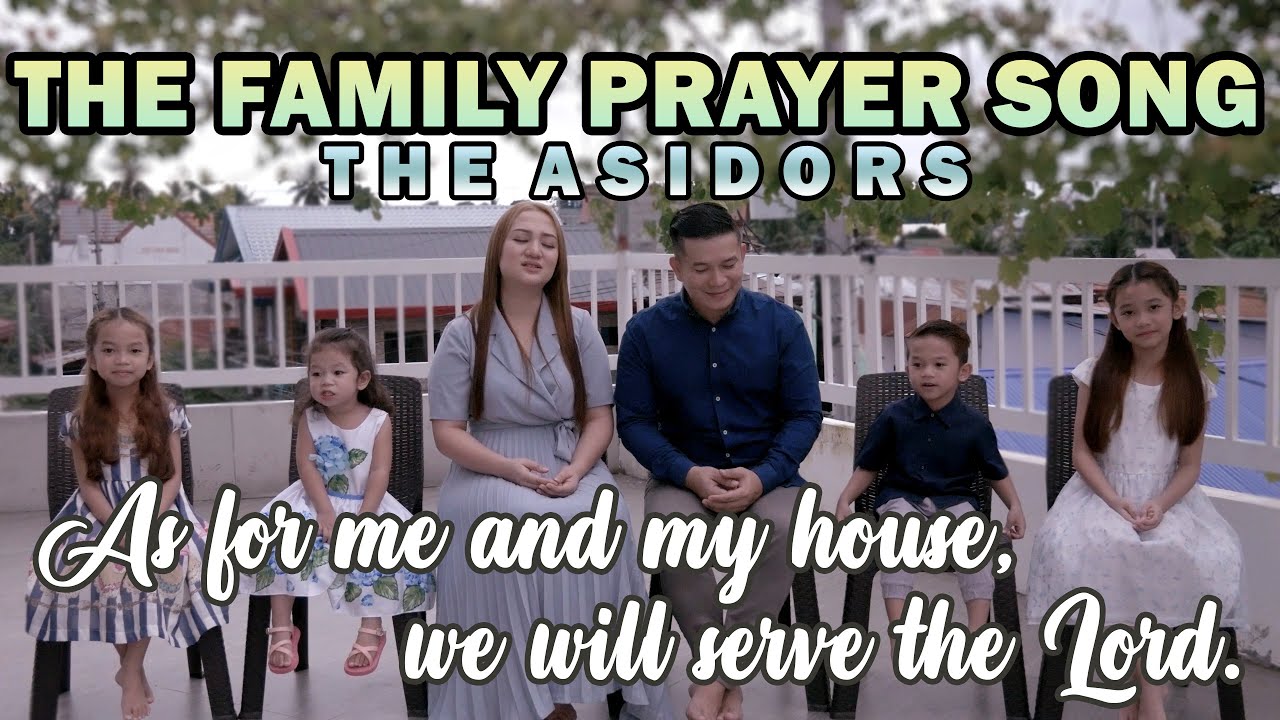
The family prayer: a simple guide for every home
The family prayer is a small, deliberate moment when a household pauses together to reflect, give thanks, and share intentions. Whether you are religious, spiritual, or simply looking for a mindful routine that reinforces connection, the family prayer can be adapted to suit your values and timetable. This guide explains what the family prayer is, why it matters, and how to start a simple practice that feels natural rather than forced.
At its heart, the family prayer is not a performance. It is a habit of attention and gratitude that helps people of all ages feel heard and supported. You can keep it brief, fit it around meals or bedtime, and make it meaningful without making it complicated. Below you will find clear steps, examples, and tips for avoiding common pitfalls.
What the family prayer is (and what it is not)
The family prayer is a regular, shared moment in which your household brings words, silence, or simple gestures to a common purpose: to express gratitude, seek guidance, remember others, and strengthen your bond. It can be spoken in your tradition’s language, in inclusive everyday speech, or even in silence with a candle as a focal point. The tone should be warm, honest, and comfortable for everyone present.
Just as importantly, the family prayer is not a test of knowledge or holiness. It is not a platform for lecturing or a rulebook that everyone must sign up to. If it starts to feel like an obligation or a source of friction, it is worth simplifying it, shortening it, or reframing it around shared values such as kindness, hope and gratitude.


A shared moment of attention
Think of the family prayer as a daily pause that reconnects you with what matters. It might be as short as ninety seconds, and still make a real difference to the atmosphere at home. Most families benefit from predictability—choosing a time and place that are easy to remember—yet staying relaxed about occasional changes.
Suitable for diverse traditions
Every household is different. Some may prefer a traditional format (for example, a set prayer such as the Lord’s Prayer, a psalm, or a sung blessing). Others may choose plain-English words or a moment of silence, ending with “Amen”, “Thank you”, or a simple phrase like “We’re in this together.” The family prayer should feel authentic to you.
Why the family prayer matters
Beyond spirituality, the family prayer has practical benefits. It gives families a daily or weekly anchor—particularly helpful in busy or stressful seasons. It also encourages a habit of gratitude and perspective, which research suggests supports resilience and wellbeing.
Relationship and emotional benefits
- Connection: Taking a minute to listen to each person’s highlight, worry, or hope encourages empathy and trust.
- Calm: A short pause can lower stress levels, especially at the end of the day.
- Belonging: A shared ritual tells every member, “You matter here,” which supports children and adults alike.
Values in action
The family prayer is a practical way to reinforce values such as kindness, forgiveness, generosity, and service. Naming these values aloud—“Today we’re grateful for…”, “Help us be patient…”—helps them stick. Over time, the family prayer becomes a steady reminder that you are part of something larger than yourself.
How to start the family prayer at home
Starting small is the smartest approach. The most successful routines are simple, brief, and repeatable. Here is a step-by-step plan to launch the family prayer in a calm and sustainable way.
- Pick a time you can keep: Mealtime or bedtime are the easiest anchors. Aim for two to five minutes.
- Choose a format: Decide whether you want a set text, free words, or a mix. Prepare a short structure everyone can follow.
- Make it visible: Light a candle, ring a small bell, or place a favourite object in the centre. A visual cue helps people shift gears.
- Invite, don’t force: Use “Would you like to add something?” rather than calling on people. Allow passers-by to listen without pressure.
- Keep language inclusive: Use words that make everyone feel safe and seen, especially in mixed-belief households.
- End positively: Conclude with one sentence of hope or gratitude, and a simple sign-off.
A simple three-minute model
Try this as a starting script for the family prayer:
- Settle: “Let’s take one deep breath together.”
- Gratitude: “One thing we’re thankful for today is… [each person adds a word or sentence].”
- Care: “We’re thinking of… [a friend, a situation, the wider world].”
- Guidance: “Help us be… [kind/patient/brave] tomorrow.”
- Close: “Amen”, “Thank you”, or your own sign-off.
If your tradition includes set prayers, you might add or substitute a known text. For background on a widely used Christian prayer, see the Lord’s Prayer overview on Wikipedia.
Adapting for different ages
- Under 6s: Keep it very short; use one-sentence prompts and simple gestures (hands over heart for “thank you”).
- 7–12s: Invite concrete examples (“Today I’m grateful for the friend who shared their pencil”).
- Teens: Offer leadership—let them choose a song, a topic, or read a short reflection. Respect if they prefer to listen.
- Adults: Share honestly but briefly. Model the tone you want—warm, real, and non-judgemental.
- Grandparents: Involve them live or by phone; their stories give depth to the family prayer and connect generations.
Common mistakes with the family prayer (and how to avoid them)
Even with the best intentions, it is easy to overcomplicate or unintentionally pressure people. Here are frequent pitfalls and straightforward fixes.
- Too long: Keep the family prayer short. Two to five minutes is usually enough, especially on school nights.
- Perfectionism: Accept imperfect attendance or contributions. A whispered “thank you” is enough.
- Preaching: Replace lectures with listening. Focus on shared gratitude and care rather than correcting behaviour.
- Inflexibility: If someone is uncomfortable with certain words, agree on alternatives that honour everyone.
- All or nothing: If you miss a day, simply start again. The power of the family prayer is in gentle consistency.
Examples of the family prayer for different moments
Use these examples as inspiration. Adapt the wording to suit your beliefs and language.
Morning (setting intention)
“God of hope, thank you for the gift of this new day. Help us to work well, be kind to those we meet, and face challenges with courage. Watch over our family and friends. Amen.”
Inclusive version: “We are grateful for a new day. May we show kindness, stay curious, and support one another. May we bring a little light wherever we go.”
Mealtime (gratitude and sharing)
“For the food before us, the friends beside us, and the love between us, we are thankful. Bless those who grow and prepare our meals, and those who have less today.”
Evening (reflection and calm)
“Thank you for today’s small joys. Forgive what we got wrong, and give us peace tonight. Be close to those who are worried or unwell.”
When someone is worried
“Loving God, we bring our worries about [exam, illness, interview]. Grant calm minds and steady hearts. Help us to support one another. Amen.”
Inclusive version: “We name our worry about [topic]. May we find calm, think clearly, and treat ourselves kindly. We will face this together.”
For wider concerns
“We remember people affected by [news event]. Stir up compassion and wise action. Show us how we can help.”
Seasonal moments
Consider brief seasonal versions of the family prayer for birthdays, holidays, or the start of school. Marking beginnings and endings helps everyone process change with hope.
Making the family prayer inclusive and respectful
Many households include people with different beliefs. The family prayer can still be a shared space if you focus on common values and use flexible language. Agree what words feel right: some may prefer “Dear God”, others “Loving Presence”, “Gracious Spirit”, or simply “We are thankful”.
Blended-belief families
Rotate who leads. One evening may include a traditional text; another may use quiet reflection. The key is mutual respect, not uniformity. If someone prefers silence, include a moment for silent intentions so they can participate in their own way.
Neurodiversity and accessibility
For family members who are sensitive to sound or changes, keep a predictable structure. Visual supports—a picture card that says “gratitude”, a sand timer, or a small object to hold—can make the family prayer more accessible.
When conflict is present
Keep the family prayer gentle and neutral during conflict. Name shared hopes (“We want to be patient and fair”), and save problem-solving for a separate conversation. The ritual should be a safe zone, not a debating chamber.
Keeping the family prayer sustainable and meaningful
Long-term routines need realism. Here are ways to keep the family prayer alive without adding pressure.
- Right-size it: On busy days, reduce it to one sentence each. On quiet days, allow a little more time.
- Share leadership: Rotate who starts, reads, or chooses a song. Ownership increases engagement.
- Refresh the format: Once a season, add a new element—a short reading, a gratitude jar, or a candle colour.
- Connect with wider resources: If your household follows a Christian path, the Church of England’s simple ideas for home worship can be helpful; see Faith at Home (Church of England).
- Celebrate small wins: Notice how the family prayer helps—better mood, smoother bedtime, more empathy. Name and celebrate those gains.
It can also help to learn a little about established texts. If you are curious about set Christian prayers used by many families, the background to the Lord’s Prayer offers useful context.
Recommended external resources
- Practical ideas for prayer and reflection at home (Church of England: Faith at Home)
- Why family rituals matter and how to build them (UNICEF)
- History and wording of the Lord’s Prayer (Wikipedia)
- Approaches to nurturing faith in everyday life (Parenting for Faith)
Related articles
Frequently asked questions about the family prayer
How often should we do the family prayer?
Daily works well for many families, but it does not need to be every day. Aim for a rhythm you can keep, such as weekday evenings or Sunday nights. Consistency matters more than frequency; the family prayer is valuable even once or twice a week.
What if someone does not believe in God?
Keep the language flexible. You can use phrases like “We are thankful”, “We hope”, or “We remember”. Include a pause for silent intentions so each person can take part in their own way. The purpose of the family prayer is shared reflection and care, not enforcing a single viewpoint.
Is it better to use set words or speak freely?
Both approaches can be helpful. Set words provide stability and make it easier to join in; free words allow you to name specific gratitude and concerns. Many families use a blend: a short repeated opening and closing, with free words in the middle.
How long should the family prayer last?
Two to five minutes is usually enough. Short and steady beats long and rare. If attention spans are short, use a simple one-minute version; on quieter days you can expand a little.
What if the children are restless or silly?
Keep it light. Invite one honest sentence from everyone and move on. Build momentum through routine and modelling rather than strict rules. Over time, the family prayer often becomes a comforting habit that children look forward to—especially if it ends with a warm tradition, like a shared song or a candle blow-out.
Can the family prayer help during difficult times?
Yes. During illness, grief, or anxiety, the family prayer offers structure and hope. Keep the words simple and compassionate, and allow space for feelings. Even a short shared silence can be deeply supportive.
Conclusion on the family prayer
The family prayer is a gentle, adaptable practice that nurtures connection, gratitude and resilience. It does not require elaborate preparation or perfect words—only a few minutes of shared attention. Practised regularly, the family prayer becomes a steadying presence, helping each person feel safe, heard and valued.
Start small, keep it kind, and make it your own. Choose a time that fits, use language that includes everyone, and allow the format to evolve as your household changes. With patience and warmth, the family prayer can turn ordinary evenings and mealtimes into moments of meaning.
When life gets busy, remember that brief is beautiful: a single sentence of thanks or hope can sustain the habit. Over months and years, the family prayer weaves a quiet thread through home life—one that strengthens relationships, guides decisions, and reminds you, daily, of what truly matters.
