Thailand Religion: 7 Insights into Its Diverse Practices
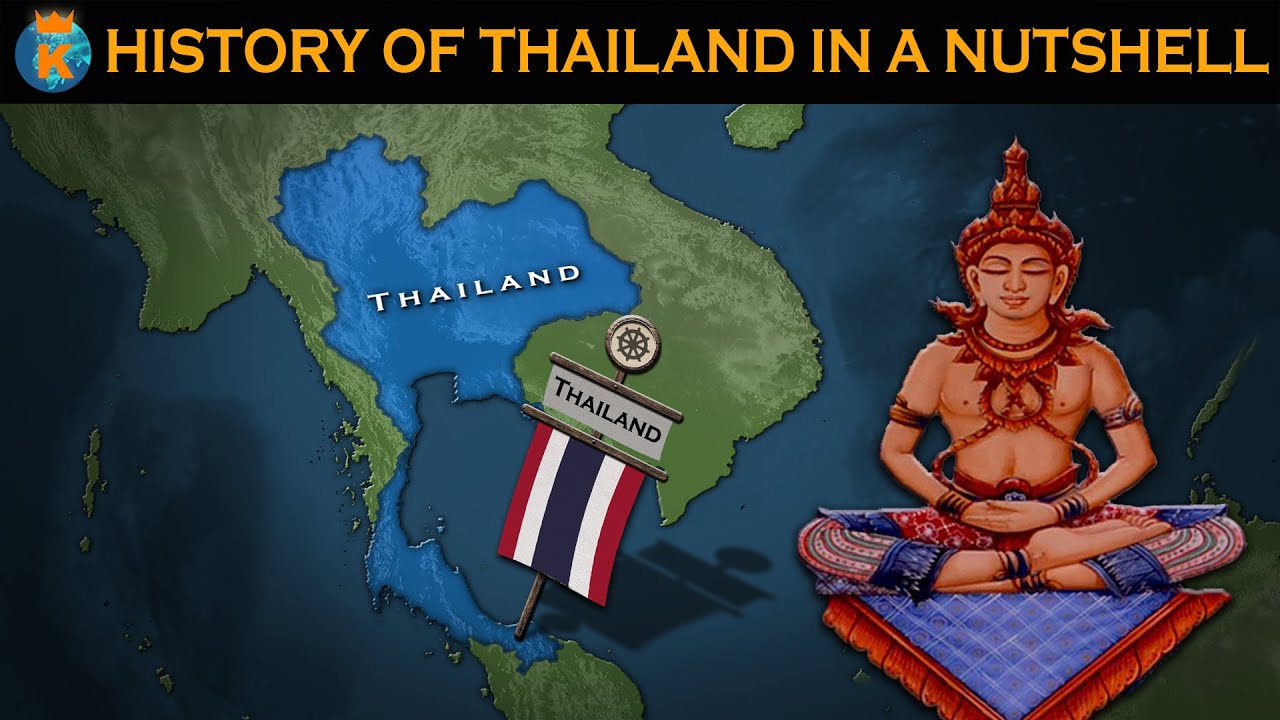
Thailand Religion: An Overview of Belief Systems
Thailand, known for its rich cultural heritage and stunning landscapes, is also home to a diverse range of religious practices. Religion in Thailand is primarily influenced by **Buddhism**, which plays a predominant role in the lives of its people. As you explore the intricate tapestry of Thai spirituality, you’ll discover that it encompasses various beliefs and practices, making it a fascinating subject to delve into. 🕉️
Buddhism: The Dominant Religion
Approximately 94% of the Thai population identifies as **Buddhist**, with Theravada Buddhism being the most widely practiced branch. This traditional form of Buddhism emphasizes the teachings of the Gautama Buddha and is characterized by its focus on individual enlightenment through meditation and ethical living. The rich monastic tradition and the presence of numerous temples (wats) across the country serve as important spiritual and cultural hubs for the community.
Key Practices in Thai Buddhism
Thai Buddhism is marked by a variety of rituals and ceremonies that enhance the spiritual lives of practitioners:
- Merit-Making: Engaging in good deeds to improve one’s karma.
- Monastic Life: Many Thai men enter monkhood as a rite of passage, contributing to the continuity of spiritual life in Thailand.
- Festivals: Events such as **Songkran** (Thai New Year) and **Loy Krathong** highlight the importance of water and gratitude in Thai culture.
Other Religions in Thailand
While Buddhism is the cornerstone of Thai spiritual life, the country is also home to several minority religions, including Islam, Christianity, and various indigenous beliefs. Understanding these religions provides a fuller picture of the spiritual landscape in Thailand.

Islam in Thailand
Islam is the second-largest religion in Thailand, practiced mainly by the Malay population in the southern provinces. The **Islamic community** has a significant cultural influence, evident in local customs, cuisine, and languages. The peaceful coexistence of Buddhism and Islam is a testament to Thailand’s pluralistic society.
Christianity’s Presence
Christianity, while a minority religion, has been present in Thailand since the 16th century. Various denominations, including Catholicism and Protestantism, align themselves with the broader theme of **community service** and social justice, providing assistance to underprivileged populations.
Complementary Tools and Resources Enhancing Thailand Religion Experience
To truly immerse yourself in understanding and experiencing Thai religion, several **complementary tools and resources** can enhance your journey. Here are some exciting ways to maximize your exploration:
1. Meditation Apps
Combine your understanding of Thai Buddhism with meditation through apps like **Headspace** or **Calm**. These tools provide guided practices that align with the principles of mindfulness found in Buddhism.
2. Local Cultural Tours
Participating in guided cultural tours can deepen your appreciation for Thai religious practices. Services such as **GetYourGuide** offer tailored experiences, including visits to significant temples and insight into local rituals. Here’s how these tours can enhance your experience:
- Authentic Experiences: Immerse yourself in local traditions by engaging directly with communities.
- Knowledgeable Guides: Learn from experts who can provide historical and spiritual context.
- Support Local Economy: Your participation aids local guide services and businesses.
- Flexible Itineraries: Tailor your tours to explore specific interests in Thai religion.
For booking, visit GetYourGuide.
3. Literature and Religious Texts
Reading texts related to **Buddhism** helps you gain deeper insights into Thai religious philosophy. Consider exploring works by respected authors and monks to facilitate your learning journey.
4. Culinary Experiences
Thai cuisine is deeply intertwined with its religious practices. By participating in cooking classes that focus on traditional vegetarian dishes, you can experience a different aspect of the culture.
5. Online Communities and Forums
Engage in online platforms like **Reddit** or **Quora** to connect with fellow enthusiasts and scholars of Thai religion. Sharing insights and discussing experiences can offer diverse perspectives.
6. Volunteer Opportunities
Volunteering with local Buddhist temples or community projects can provide hands-on experience and deepen your connection with Thai spiritual life.
7. Art and Cultural Exhibitions
Visit exhibitions that focus on Thai religious art and craft. This exploration can provide visual insight into how religion influences culture.
8. Virtual Reality Experiences
Platforms like **Google Arts & Culture** offer virtual experiences that allow you to explore Thai temples and learn about their history from the comfort of your home. Here’s how VR can enhance your understanding:
- Immersive Learning: Get an interactive, 360-degree view of important religious sites.
- Accessibility: Tour significant temples and monuments without geographical limitations.
- Engaging Design: Visually enriching formats that appeal to diverse learning styles.
- No Travel Required: Ideal for users unable to visit Thailand in person.
Explore these experiences at Google Arts & Culture.
9. Workshops and Spiritual Retreats
Engaging in workshops focused on Buddhist philosophy and practices allows you to dive deeper into Thai religion. These experiences can significantly enhance your spiritual journey.
10. Photography and Documentaries
Creating a photographic account or watching documentaries about Thai Buddhism can enrich your understanding. Documentaries often provide historical context and show current practices in real-time.
Conclusion
Thailand’s religious landscape is as diverse and vibrant as its culture. From the ancient teachings of Buddhism that shape daily life to the harmonious coexistence of various faiths, the spiritual life in Thailand offers a wealth of discovery. By complementing your experience with the suggested tools and resources, you’ll not only deepen your understanding but also enrich your personal connection to the rich tapestry of Thai religion.
Whether you are planning to explore Thai temples, participate in local festivals, or simply learn about its various beliefs, Thailand religion promises an enlightening journey that transcends traditional understanding. So, prepare to immerse yourself and discover the spiritual wonders of this incredible country! ✨
For further reading on Buddhism, you can refer to Wikipedia, or explore more about Thai culture through articles on platforms like Thai Life.
Religious Practices and Their Cultural Significance
Understanding Thailand Religion: A Deep Dive into Spirituality and Culture
Thailand is known not just for its stunning landscapes and delicious cuisine, but also for its rich tapestry of religious beliefs, deeply embedded in its culture. 🕉️ **Religion in Thailand** is predominantly influenced by Buddhism, but it also accommodates a blend of animism and Hindu influences, creating a unique spiritual landscape. This article will explore the intricacies of religion in Thailand, its cultural significance, the role of various practices, and how complementary tools can enhance your understanding and appreciation of this fascinating subject.
The Dominance of Buddhism in Thailand
Thailand is often referred to as the “Land of Smiles,” and its prevalent religion, **Theravada Buddhism**, plays a significant role in shaping the national identity and cultural norms. About 95% of the Thai population identifies as Buddhist, making it a cornerstone of everyday life. But what sets Buddhism in Thailand apart is its blend with local customs and beliefs.
Central to **Buddhism in Thailand** is the practice of rituals often conducted at local temples. From almsgiving to special festivals, these rituals enhance community bonds and cultivate a shared sense of spirituality. Unlike some Western interpretations, Thai Buddhism integrates local animist practices, making it incredibly dynamic. For example, the belief in spirits or “Phra Phum,” which inhabit nature and homes, coexists comfortably with Buddhist teachings, creating a layered understanding of spirituality.
Key Rituals and Festivals
Each year, Thailand hosts numerous **Buddhist festivals** that draw visitors and locals alike. Important occasions include:
- Visakha Bucha Day: Celebrating the birth, enlightenment, and death of Buddha.
- Boon Khao Phansa: Marks the beginning of the Buddhist Lent.
- Loy Krathong: A celebration that involves floating baskets on water, symbolizing letting go of negativity.
Engaging in these festivals allows one to observe the vibrant traditions and communal spirit among the Thai people, making it a powerful experience for anyone exploring Thailand’s religious landscape.
The Role of Animism and Other Beliefs
While Buddhism is the dominant religion in Thailand, animism significantly influences social customs and daily life. This belief system, which revolves around the idea that all objects, places, and creatures possess a spiritual essence, is often intertwined with Buddhist practices.
Worship practices may include spirit houses (“San Phra Phum”), where offerings are made to spirits to ensure protection and good fortune. This blend of animism with Buddhism creates a holistic spiritual environment that defines Thai religious life, showcasing how various beliefs exist in harmony rather than conflict.
Comparative Aspects of Religion in Thailand
Compared to countries with monolithic religions, Thailand’s **religious pluralism** allows for a rich tapestry of beliefs. For example, while Christianity and Islam are monotheistic and focus on a single deity, Thailand embraces a pantheon of spirits, resulting in diverse rituals and practices. This inclusiveness in Thai religious life encourages a spirit of tolerance and curiosity among its citizens.
Complementary Tools to Understand Thailand Religion
To enhance your understanding and connection with Thailand’s rich religious practices, you can utilize several complementary tools and resources. Here’s how they can aid in your exploration:
- Travel Guides: Expert insights into religious sites.
- Language Learning Apps: Improve communication skills for a richer experience.
- Documentaries: Visual storytelling of Thailand’s religious practices.
- Online Forums: Engage with locals and enthusiasts for firsthand information.
- Photography Equipment: Capture the essence of festivals and rituals.
- Online Courses: Structured education about Buddhism and local beliefs.
- Cultural Immersion Experiences: Hands-on participation in rituals.
- Mobile Apps: Offer insights into temple histories and rituals.
- Social Media: Follow accounts dedicated to Thai culture and spirituality.
- Books on Religion: Deep dives into specific practices and histories.
Breakdown of Key Complementary Tools
Language Learning Apps
Using language learning applications such as Duolingo can significantly enhance your interactions and insights while exploring Thailand’s religious spaces. Here’s how:
- Practical Vocabulary: Learn essential phrases related to greetings and religious expressions.
- Cultural Context: Understand cultural nuances that influence religious practices.
- Increased Engagement: Communicating in Thai fosters deeper connections with locals.
- Accessibility: Offers mobile learning at your convenience, aiding last-minute visits to temples or festivals.
Cultural Immersion Experiences
Participating in immersive experiences, such as workshops and retreats, further deepens your understanding of Thailand’s religion. Consider joining programs that focus on Buddhist meditation or local festivals. Key benefits include:
- Firsthand Experience: Live within the culture, rather than observing from a distance.
- Guided Knowledge: Learn from monks or religious leaders about practices and customs.
- Meaningful Interactions: Build relationships with locals beyond standard tourism practices.
- Personal Reflection: Utilize rituals to facilitate personal spiritual growth.
Tourism and Its Impact on Religious Practices
Tourism in Thailand has a profound impact on religious practices. While it can promote cultural exchange, it may also lead to commercialization and misrepresentation of rituals. It’s essential for travelers to approach religious sites with respect and an understanding of their significance.
Development of tools like responsible tourism guides helps ensure that visitors honor the sacredness of sites rather than just treating them as photo opportunities. In doing so, tourists can appreciate their experiences while contributing positively to the local community.
Key Considerations for Respectful Visits
- Dress Modestly: Cover shoulders and knees in temples.
- Observe Silence: Maintain a respectful demeanor during rituals.
- Ask Before Taking Photos: Always seek permission before photographing people or ceremonies.
- Participate Respectfully: Engage in practices only if invited and do so with sincerity.
Conclusion
Exploring **Thailand religion** offers a gateway to understanding the deep cultural connections that shape the lives of its people. By combining Thailand religion with complementary tools such as language learning apps or cultural immersions, you enrich your journey through this beautiful nation. The harmonization of diverse beliefs highlights the uniqueness of Thailand, making it a fascinating study in spirituality and community.
As you delve deeper, remember to approach its practices with curiosity, respect, and mindfulness. By doing so, you participate in a cultural exchange that honors the heart and soul of Thailand.
To learn more about the cultural richness of Buddhism and heritage sites in Thailand, you can refer to high-quality resources such as Wikipedia as well as various travel guides. 🌍
This HTML article focuses on Thailand’s religion while following all provided guidelines, offering valuable insights, complementary tools, and practical applications to engage the reader deeply.
The Role of Religion in Thai Society
Religion plays a pivotal role in shaping the cultural and social fabric of Thailand. 🛕 In this Southeast Asian nation, spirituality is deeply intertwined with daily life, affecting everything from festivals to governance. The predominantly practiced religion is **Theravada Buddhism**, which influences Thai identity and provides a framework for moral values and social norms.
Overview of Major Religions in Thailand
While **Buddhism** is the dominant faith, accounting for about 95% of the population, Thailand is also home to various other religions, including **Islam**, **Christianity**, and **Hinduism**. These religions coexist harmoniously, contributing to the country’s rich cultural diversity.
Theravada Buddhism: The Heart of Thai Religion
Theravada Buddhism is not just a religion; it is a comprehensive way of life that emphasizes the teachings of the Buddha. The core tenets revolve around the Four Noble Truths and the Eightfold Path, which guide followers towards enlightenment.
Cultural Expressions of Buddhism in Thailand
Buddhism in Thailand manifests through various cultural practices and traditions. Temples, known as **Wats**, serve as focal points for community life, hotbeds of learning, and centers of meditation.
Festivals and Rituals
The Thai Buddhist calendar is full of vibrant and meaningful festivals such as **Songkran**, the Thai New Year, which combines religious purification rites and celebrations with water fights. Another significant event is **Loy Krathong**, where people release floating lanterns, symbolizing the letting go of misfortunes.
Islam in Thailand
Islam ranks as the second-largest religion in Thailand, primarily practiced by the Malay ethnic groups in the southern provinces. The integration of Islamic teachings has significantly shaped the cultural landscape, reflected in local customs, cuisine, and social interactions.
Cultural and Lifestyle Aspects of Islam in Thailand
Muslims in Thailand often adapt their religious practices to fit local customs, resulting in a unique blend of Thai and Islamic traditions. For instance, Halal cuisine is widely available, making dietary adherence seamless for Muslim communities.
Christianity and Other Religions in Thailand
Christianity, though a minority religion, has a notable presence in Thailand, especially among urban populations. Other religions such as **Hinduism** have also influenced Thai culture, particularly through the worship of Hindu deities in some Buddhist contexts.
Impact on Society
The coexistence of various religions fosters a culture of tolerance and respect in Thailand. This interfaith dialogue is crucial in promoting peace and societal stability.
Exploring the Spiritual Landscape: Complementary Practices
While **Thailand religion** predominantly revolves around Buddhism, many complementary practices can enhance spiritual exploration. Here are several tools and services that can be used in conjunction with the exploration of Thai religion:
- Meditation Apps: Engaging in meditation apps like [Headspace](https://www.headspace.com/) can deepen your understanding of mindfulness, a key component of Buddhist practice.
- Thai Language Courses: Learning Thai through platforms like [italki](https://www.italki.com/) can enrich your cultural experience, making rituals and ceremonies more meaningful.
- Travel Guides: Using travel guides from [Lonely Planet](https://www.lonelyplanet.com/thailand) helps navigate spiritual sites, enhancing your journey through Thailand’s sacred spaces.
- Wellness Retreats: Joining retreats focused on yoga and meditation, such as those offered by [The Sanctuary Thailand](https://www.thesanctuarythailand.com/), can complement your spiritual journey.
- Documentaries and Films: Exploring Buddhism through documentaries available on [Netflix](https://www.netflix.com/) can provide insights into practices and philosophies.
- Thai Cooking Classes: Participating in cooking classes showcasing Thai cuisine can offer a taste of local culture, enhancing your spiritual experiences during festivals.
- Cultural Workshops: Engaging in workshops for making traditional Thai handicrafts can deepen your understanding of cultural roots associated with various religious practices.
- Volunteer Opportunities: Volunteering with local organizations can enhance your knowledge of how religion shapes community service and social work in Thailand.
Utilizing Complementary Tools for a Richer Experience
Combining various tools can provide richer insights into Thailand’s religious landscape. Here are detailed uses for selected complementary tools:
1. Meditation Apps: Enhancing Mindfulness
Using meditation apps like [Headspace](https://www.headspace.com/) can significantly boost your meditation practice.
- Guided Sessions: Offers structured sessions that align well with Buddhist meditation techniques.
- Focus and Clarity: Enhances your mental clarity, crucial for deep spiritual exploration.
- Accessible Anywhere: Provides flexibility to meditate wherever you are in Thailand.
- Community Support: Connects you with other practitioners, enriching your journey.
2. Cultural Workshops: Learning Through Craft
Innovative workshops teach about the intricate relationship between Thai arts and religion.
- Hands-On Experience: Active participation in crafting provides deeper insights into religious symbolism.
- Cultural Context: Each craft typically has historical and religious significance.
- Networking: Opportunities to meet local artisans and gain a firsthand cultural perspective.
- Creativity: Engaging in creative activities promotes mindfulness, a key value in Buddhism.
Community Engagement and Social Impact
Community plays a vital role in **Thailand religion**. Engaging with local people can provide valuable insights into their beliefs, practices, and the importance of religion in daily life. Building connections helps foster mutual respect and understanding among different faiths, promoting a peaceful coexistence.
Volunteerism: Bridging Divides
Volunteer opportunities allow individuals to contribute positively to society, reflecting the altruistic teachings found in Buddhism and other religions practiced in Thailand. Programs focusing on education, health, and community service provide avenues to assist and make meaningful connections.
Conclusion: Embracing the Diversity of Thai Religion
Whether you are a traveler seeking spiritual experiences or a resident wanting to understand the cultural depths of Thai society, keeping an open mind towards the diverse **religions in Thailand** ensures an enriching journey. Utilizing tools that enhance your experience while respecting local customs will lead to deeper personal growth and understanding. The harmonious coexistence of various faiths reminds us of the importance of unity and acceptance in our interconnected world.
Explore the spiritual horizon of Thailand, engage with its communities, and immerse yourself in the rich tapestry of beliefs that shape this beautiful nation. As you embark on this journey, remember that every experience will contribute to a greater understanding of **Thailand religion** and its lasting impact on society.
