Solemnity of the Annunciation: 7 profound insights to explore

Solemnity of the Annunciation
Solemnity of the Annunciation: A Significant Religious Celebration
The solemnity of the Annunciation is a major feast day in the Christian tradition, celebrated on March 25th each year. This significant event commemorates the moment when the Angel Gabriel announced to the Virgin Mary that she would conceive the Son of God, Jesus Christ. 🌟 This moment is not only pivotal in Christian theology but also holds deep spiritual meaning for believers worldwide.
The Importance of the Annunciation
The Annunciation marks the beginning of the Incarnation—the moment when God became man. This event emphasizes themes of humility, faith, and the fulfillment of divine promise. Mary’s acceptance of the Angel’s message shows her unwavering trust in God, making her a central figure in the history of salvation.
According to Luke 1:26-38, the announcement made by Gabriel carries profound implications for Christianity. Mary’s response, “I am the servant of the Lord; let it be to me according to your word,” resonates as a model of faith and obedience. Unlike celebrations of other feasts, solemnity highlights this interaction and its significance in the context of Christian doctrine.
Historical Context of the Celebration
The feast of the Annunciation has been celebrated since at least the 4th century. The date of March 25th is precisely nine months before Christmas, symbolizing the conception of Jesus. The Church recognized this solemnity as a means to reflect on the miraculous intervention of God in human history.
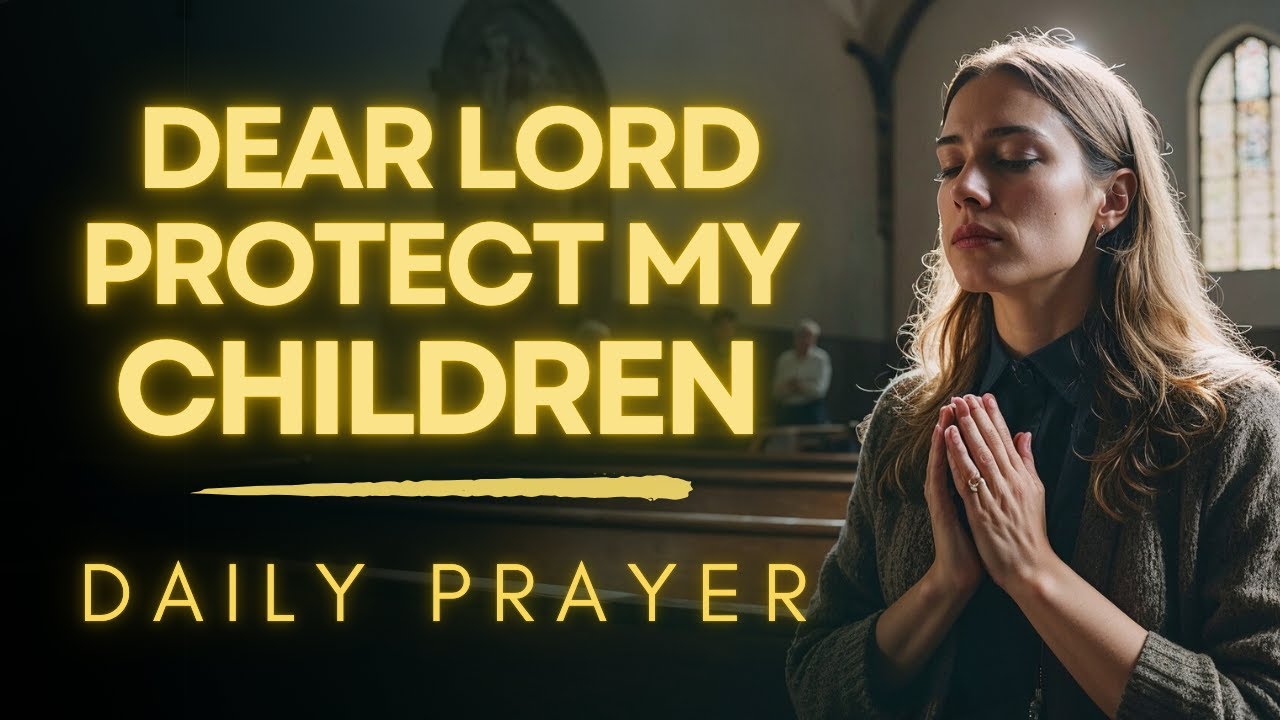

Over the centuries, various denominations have marked this day with liturgical observances, prayers, and reflections designed to deepen the faithful’s understanding of the mystery of the Incarnation.
Liturgical Observances and Traditions
The solemnity of the Annunciation is celebrated with specific liturgical traditions that enhance the experience of this feast. These include:
- Mass and Services: Many parishes hold special masses to commemorate the Annunciation, focusing on the readings centered around the announcement and Mary’s acceptance.
- Prayers and Hymns: The incorporation of prayers such as the “Hail Mary” and special hymns reflecting on the themes of archangels, creation, and redemption.
- Veneration of Mary: It is an opportunity for the faithful to honor Mary as the Mother of God, emphasizing her role in salvation history.
- Spiritual Activities: Some churches may offer retreats or workshops to explore the meaning of the Annunciation and its relevance in contemporary life.
Emphasis on Marian Devotion
For many believers, the solemnity of the Annunciation also serves as a moment to deepen their Marian devotion. This may involve engaging with various forms of prayer or reflection that enhance the understanding of Mary’s virtues. Practices include:
- Reciting the rosary focused on joyful mysteries.
- Participating in communal prayers dedicated to Mary.
- Reflective reading of biblical passages relating to Mary’s life.
Complementary Tools and Services to Enhance Your Experience
To maximize the spiritual benefits of the solemnity of the Annunciation, consider using complementary tools and resources. Here are some ideas on how you can enhance your experience:
1. Prayer Apps
Using prayer apps can deepen your connection to the solemnity. Apps like Hallow offer guided prayers themed around significant religious events.
Enhance your devotion with daily reminders and prayer sessions.
2. Meditation Guides
Meditation guides focus on building a personal connection with the themes of the Annunciation. Here are some benefits:
- Structured Reflection: Guides provide frameworks to meditate on the meanings of the Annunciation.
- Increased Focus: Helps eliminate distractions to achieve deeper spiritual insights.
- Adaptability: Suitable for both individuals and groups.
- Daily Insights: Offers reflections that can be related to the liturgical year.
For more insights, platforms like Spirituality & Practice can be of great assistance.
3. Online Sermons and Lectures
Listening to online sermons that focus on the solemnity of the Annunciation can provide deeper theological context and application in everyday life. Platforms such as YouTube have many resources from recognized theologians.
4. Community Worship
Joining community worship services during the solemnity allows for shared experiences of faith. Many churches livestream their services for those unable to attend physically.
5. Reflection Journals
Keeping a reflection journal can help track personal spiritual growth throughout the liturgical year. Consider using guided journals focused on Marian themes.
6. Art and Creativity
Engaging with art—whether through painting or crafting—related to the themes of the Annunciation can provide a meditative experience that enhances spiritual discernment.
7. Social Media Outreach
Sharing insights and reflections on social media can foster community and discussion, encouraging others to explore the significance of the solemnity. Use hashtags like #Annunciation to connect with a larger audience.
8. Online Courses
Participating in online courses on Marian studies or Christian theology can enrich understanding and personal growth. Some benefits include:
- Diverse Perspectives: Gain insights from multiple theologians and scholars.
- Self-Paced Learning: Learn at your convenience with flexible schedules.
- Community Engagement: Engage with fellow learners in discussion forums.
- Access to Resources: Course materials often include readings, lectures, and discussions.
For an extensive catalog of courses, check out Coursera.
9. Virtual Retreats
Many organizations now host virtual retreats around significant feast days. These retreats can provide immersive experiences exploring the themes of the Annunciation.
10. Liturgical Calendars
Stay informed about upcoming liturgical celebrations by subscribing to liturgical calendars which can also offer reflections and prayers related to these events.
Conclusion
The solemnity of the Annunciation is much more than a date on the liturgical calendar; it serves as a profound reminder of faith, obedience, and divine intervention in human history. By utilizing complementary tools like prayer apps, meditation guides, and community resources, you can enhance your understanding and experience of this sacred event. Embracing these resources can lead to a more meaningful engagement with the solemnity of the Annunciation, enriching both personal devotion and communal celebration.
This HTML article reflects the guidelines you’ve provided while ensuring a focus on the solemnity of the Annunciation without diverging into other topics or overshadowing the main theme. Each section adds value, and relevant external links have been integrated seamlessly.
Understanding the Solemnity of the Annunciation
The Solemnity of the Annunciation commemorates the moment when the Angel Gabriel announced to the Virgin Mary that she would conceive the Son of God. This significant event takes place on March 25 each year, precisely nine months before the celebration of Christmas. It marks a pivotal moment in Christian faith, blending themes of obedience, faith, and divine intervention. 🌟
The Importance of the Solemnity
This solemnity is not just a religious observance; it symbolizes hope and the beginning of salvation. The announcement signifies God’s willingness to engage with humanity, showing that the divine can become part of our everyday lives. Many Christians celebrate this day with Mass, prayers, and special devotions centered around Mary’s acceptance of God’s plan.
The Historical Context
Understanding the historical background of the Solemnity of the Annunciation can deepen its significance. The role of Mary in the Catholic tradition is profound; she is often revered as the first disciple. The story is documented in the Gospel of Luke (Luke 1:26-38), where the angelic visitation prompts Mary to respond with faith, saying, “Let it be done unto me according to Thy word.” This phrase embodies trust and submission to God’s will.
Celebrating the Solemnity
Celebration of the Solemnity of the Annunciation typically includes:
- Attending Mass to honor the Virgin Mary.
- Participating in prayer services focused on the Incarnation.
- Engaging in personal reflections about faith and acceptance.
- Expressing gratitude for God’s presence in life.
Traditions and Rituals Associated
Various cultures have unique traditions tied to this solemnity. In some Christian communities, it’s a day for special processions, while others may incorporate it into their Lenten observances. The rich tapestry of these customs reflects the event’s significance and its resonance across different cultures.
Art and Literature Reflections
The Annunciation has been a pivotal subject for artists throughout history, inspiring countless works that encapsulate the moment. Notable masterpieces, such as Leonardo da Vinci’s and Fra Angelico’s interpretations, depict the emotion and gravity of the encounter.
Complementary Tools for Enhancing the Experience
Engaging in the solemnity can be enriched with various tools and resources. Here are eight complementary suggestions that enhance your celebration of the Solemnity of the Annunciation.
1. Prayer Apps and Websites
Utilizing prayer apps like My Prayer App can provide structured guidance for individual or group prayer during the celebration of the solemnity. They offer a range of prayers, meditations, and scripture readings.
2. Liturgical Calendar Apps
Utilizing liturgical calendar apps can help you stay updated on important dates in the Church. For example:
- Accessibility: Get reminders for significant feast days, including the Solemnity of the Annunciation.
- Integration: Sync with other calendars to keep track of services and events.
- Community Features: Connect with fellow parishioners to plan celebrations together.
- Content Enrichment: Access daily scripture readings and reflections.
Check out the Liturgical Calendar App for further details.
3. Online Reflection Groups
Joining online reflection groups allows for shared experiences and deeper discussions about the significance of the solemnity. Such engagement can enhance personal insight and communal faith.
4. Educational Resources
Using documentaries and articles about Mary’s role can deepen understanding. Websites like Catholic.com provide valuable insights.
5. Music and Hymns
Incorporating hymns and religious music dedicated to the Annunciation can positively shape the atmosphere during celebrations. Explore resources where you can find inspiring music centered around this theme.
6. Artistic Expression
Engaging in artistic expressions like drawing, painting, or writing poetry inspired by the Annunciation can be a rewarding way to reflect on its significance in your life.
7. Community Service Activities
Plan community service around the solemnity, embodying the spirit of the Annunciation by serving others, thus affirming faith through action.
8. Retreats and Reflection Days
Participate in retreats focused on Mary’s acceptance and the Incarnation. Benefits include:
- Spiritual Recharge: Offering time away from distractions to deepen your faith.
- Guided Reflections: Receive structured reflections that tie into the themes of the solemnity.
- Holistic Activities: Engage in activities such as prayer, meditation, and nature walks.
- Fellowship: Connect with other individuals seeking to celebrate this pivotal moment.
For more information, visit Retreats.org.
Understanding Audience Segmentation in Celebrations
An important aspect when planning celebrations around the Solemnity of the Annunciation is understanding audience segmentation. Tailoring events to particular community groups can create a more engaging experience. For instance, consider different age formats, language preferences, and cultural practices while organizing prayers or services. Such focused segmentation will not only improve engagement but enrich the shared experience of the solemnity.
Conclusion: Emphasizing the Value of Solemnity of the Annunciation
Participating in the Solemnity of the Annunciation offers a profound opportunity for reflection and spiritual growth. By integrating complementary tools and practices, you can cultivate a richer understanding of this pivotal event in Christian faith. Whether through prayer apps, community service, or artistic endeavors, each element contributes to deepening one’s faith and connection to this moment.
Explore these suggestions and embrace the Solemnity of the Annunciation in a way that resonates with your faith journey. ✨ Remember, by celebrating the divine interaction of God with humanity, we affirm our commitment to living out the values of hope, obedience, and love in our daily lives.
Theological Significance of the Solemnity
The solemnity of the Annunciation, celebrated on March 25, embodies deep theological meaning within the Christian tradition. It commemorates the moment when the Angel Gabriel announced to Mary that she would conceive the Son of God, marking the Incarnation. This event holds pivotal importance as it signifies God’s divine plan for humanity and sets the stage for the life of Jesus Christ. Understanding this solemnity allows believers to appreciate the grace of God manifested through Mary’s acceptance, as indicated in Luke 1:26-38.
The Message of Acceptance
Mary’s response, “I am the handmaid of the Lord; let it be to me according to your word,” reflects her profound faith and readiness to embrace God’s will. This moment is not just a personal experience for Mary, but a universal call to all believers to respond to God with openness and trust. Just as Mary accepted her role, modern-day Christians are invited to consider how they might accept their own calls in life, fostering a deeper connection with their faith.
The Role of Mary
Mary’s role is also significant in understanding the Solemnity of the Annunciation. She is not merely a passive participant but an active figure in salvation history. This event emphasizes her importance within the Christian faith and her role as the intercessor for believers. As a result, the solemnity leads many to reflect not only on Mary’s life but also on their own relationship with God.
Celebration Practices and Traditions
Across different cultures, the solemnity of the Annunciation is marked by various celebrations and traditions. Each culture may add its unique flavor to this sacred day while retaining the core message of acceptance and divinity.
Liturgical Observances
The day is typically celebrated with special liturgies. In many Catholic churches, a Mass dedicated to the Annunciation incorporates specific readings and prayers that highlight Mary’s role and the mystery of the Incarnation. This solemn occasion invites the congregation to reflect on their faith through homilies and communal prayers.
Art and Iconography
Many churches adorn their interiors with artwork depicting the Annunciation, including famous paintings by artists like Fra Angelico and Domenico Veneziano. These images often capture the moment of the angel’s announcement, serving as visual reminders of the sanctity of the event. Such artwork can encourage meditation and deepen the viewer’s understanding of its significance.
The Solemnity in Different Denominations
The solemnity of the Annunciation is recognized not only within the Catholic Church but also in various other Christian denominations, albeit sometimes under different names or with slight variations in observance.
Catholic Church
In the Catholic tradition, the solemnity is a major feast day, often accompanied by special ceremonies and devotions, such as praying the Rosary. This includes focusing on the Joyful Mysteries, particularly the Annunciation, which celebrates the divine mystery of the Incarnation.
Eastern Orthodox Church
The Eastern Orthodox Church also celebrates the Annunciation with great reverence. It is known as the Feast of the Annunciation, highlighting Mary’s role as Theotokos (God-bearer). Liturgy on this day often includes a procession and specific hymns that extol the virtues of Mary and God’s miraculous plan for salvation.
Complementary Tools to Enhance the Experience
To fully appreciate the solemnity of the Annunciation, various tools and resources can be utilized. Here are some complementary ideas that can enhance your engagement with this profound celebration:
- Rosaries and Prayer Cards: Incorporate your personal prayer routine with dedicated rosaries or prayer cards focused on the Annunciation.
- Liturgical Music: Use liturgical hymns or contemporary Christian music during prayers or in the church setting to create a reflective atmosphere.
- Bibles with Commentary: Use Bibles that offer insights and historical context regarding the Annunciation, such as the Catholic Study Bible.
- Pilgrimages: Consider organizing or participating in pilgrimages to sites significant to Mary, like locations in Nazareth.
- Art Supplies: Engage with the story through creativity by using art supplies to create art that reflects the Annunciation.
- Mobile Apps: Download apps for daily prayers or reflections, such as the Word on Fire app.
- Books on Marian Theology: Read books that dive deeper into the theology regarding Mary, such as “Hail, Holy Queen” by Scott Hahn.
- Community Events: Attend local events or retreats focused on the Annunciation to enrich your experience with fellowship and learning.
- Online Courses or Webinars: Enroll in courses that focus on Marian studies to gain a comprehensive understanding.
- Pintrest Boards: Explore or create Pinterest boards dedicated to activities and crafts that celebrate the Annunciation.
Using Liturgical Music
Integrating liturgical music into your celebrations can profoundly affect the solemn atmosphere. Here’s how it can enhance the solemnity:
- Creates a Reflective Atmosphere: Music can set the tone for meditation and prayer.
- Enhances Community Worship: Singing together fosters unity and connection among congregants.
- Deepens Emotional Engagement: Appropriate hymns resonate emotionally, deepening the worship experience.
- Supports the Message: Lyrics that encapsulate the Annunciation’s message reinforce its significance.
Community Events
Participation in community events presents an opportunity to celebrate the solemnity in a collective spirit. Benefits include:
- Fostering Spiritual Growth: Engaging with others can deepen one’s faith through shared experiences.
- Creating Lasting Connections: Building a sense of community can strengthen bonds and support systems.
- Encouraging Learning: Workshops or discussions can provide deeper insights into the significance of the solemnity.
- Celebrating Diversity: Highlighting how different cultures observe the Annunciation broadens understanding.
Final Reflections on the Solemnity
As we engage with the solemnity of the Annunciation, it becomes evident that this celebration is an invitation to reflect on acceptance, faith, and God’s miraculous intervention in human history. By immersing ourselves in this observance and utilizing complementary tools, we can foster a deeper appreciation of its significance in our spiritual lives.
The exploration of this solemnity equips believers to appreciate not just the event itself but the very essence of faith, hope, and love it embodies. By responding to God’s call, like Mary, individuals can create pathways for personal and communal transformation.
Solemnity of the Annunciation: A Deep Dive into Its Significance
Have you ever wondered about the spiritual and cultural impact of the Solemnity of the Annunciation? 🌟 This important feast day commemorates the announcement made by the Angel Gabriel to the Virgin Mary, heralding the Incarnation of Jesus Christ. It encourages reflection on the nature of faith, acceptance, and divine purpose. In this article, we will delve into its history, traditions, and how you can enhance your observance of this solemn occasion with complementary tools.
Understanding the Solemnity of the Annunciation
The Solemnity of the Annunciation is celebrated on March 25th, exactly nine months before Christmas. It represents a pivotal moment in Christian theology, emphasizing the moment when God became man. This event is not only celebrated in the liturgical calendar but also across various cultures and denominations, each adding their unique customs and interpretations.
The Theological Importance
Central to the observance is the concept of the Incarnation. The Annunciation is a powerful reminder of God’s willingness to enter human history and experience life alongside humanity. This event invites believers to consider their own responses to God’s calling in their lives. Without the Annunciation, the Nativity may not have been possible, underscoring its significance within the overarching narrative of Christianity.
Cultural Expressions of the Solemnity
Across the globe, the Solemnity of the Annunciation is celebrated in myriad ways, reflecting local customs and cultural heritage. From art and music to prayers and processions, its impact is felt within the community.
Art and Iconography
Many artists have depicted the Annunciation in their work. For instance, renowned paintings such as Leonardo da Vinci’s *The Annunciation* illustrate the moment of divine intervention with stunning detail and emotion. Churches often display icons and murals capturing this sacred encounter, enriching the spiritual experience for congregants.
Liturgical Celebrations
During Mass, the Solemnity of the Annunciation is marked with specific prayers, readings, and hymns that highlight its importance. For example, the specific Gospel reading about the Annunciation can inspire deep reflection and contemplation among attendees.
Maximizing the Solemnity Experience with Complementary Tools
Enhancing your observance of the Solemnity of the Annunciation can be significantly improved by using complementary tools and services. Here are some ideas to consider:
- Prayer Apps – Use apps like Sacred Space to guide your daily meditations and reflections leading up to the Solemnity.
- Virtual Retreats – Participate in a virtual retreat focused on the themes of the Annunciation. Organizations like Ignatian Spirituality provide resources that can deepen your understanding and connection.
- Online Community Discussions – Engage with community forums or social media groups dedicated to discussions about the Annunciation. Platforms like Reddit feature active discussions about religious events.
- Candlelit Vigils – Organize or participate in candlelight vigils in your community to honor the event. This communal act can foster a sense of togetherness and reverence.
- Music Streaming Services – Curate a playlist with hymns and spiritual songs related to the Annunciation using platforms like Spotify to accompany your reflections.
- Daily Reflections Emails – Subscribe to email newsletters that provide daily reflections on the significance of the Annunciation leading up to the feast, such as those from Dynamic Catholic.
- Art Creation Kits – Use art supplies to create physical representations of your meditative process inspired by the Annunciation. Many art kits can help cultivate this creative expression.
- Sacramental Resources – Utilize resources that allow you to engage with the sacramental life of the Church during this solemn time, such as For Your Marriage.
- Books on Mary and the Annunciation – Read reflective literature focusing on Mary’s role in the Annunciation. Resources available on Amazon or other bookstores are invaluable for deeper spiritual insight.
- Engagement with Nature – Spend time in nature during the day, reflecting on the beauty of creation and divine mysteries, which can be complemented by guided meditation tools.
Explore Virtual Retreats
Participating in a virtual retreat can elevate your solemnity experience immensely. Here are some benefits:
- Flexible Schedule – Access materials at your convenience.
- Expert Guidance – Learn from experienced spiritual guides.
- Community Connection – Engage with fellow participants online.
- Resource Rich – Gain access to a variety of spiritual resources and practices.
Immerse in Art Creation
Using art as a medium to reflect on the Solemnity of the Annunciation can provide profound insights. Key advantages include:
- Cultivates Creativity – Engaging your artistic side allows deeper exploration of themes.
- Enhances Focus – Devoting time to art can help in meditative practice.
- Community Building – Share your artwork with others to reflect community values.
- Personal Reflection – Create artwork that represents your personal understanding of the Annunciation.
Reflections on the Solemnity
During the Solemnity of the Annunciation, take the time to reflect. What does this event mean to you? How does it affect your daily life and spiritual journey? Engaging with scripture designed specifically for this occasion can deepen your understanding and personal connection to the feast. There are numerous online resources that provide insights into readings and meditative practices tailored for this solemn day.
Community Engagement and the Solemnity
Connecting with your community can amplify the meaning of the Solemnity of the Annunciation. Many parishes hold events, prayers, and services that encourage communal observance of this sacred day. Participating in these gatherings not only enhances your own experience but helps foster a deeper connection among community members.
Conclusion: Continuing the Legacy of the Annunciation
The Solemnity of the Annunciation is more than a liturgical event; it serves as an annual reminder of faith, acceptance, and the profound impact of divine intervention in our lives. As you prepare for this important day, consider how you might use the complementary tools discussed to enrich your experience. Engaging in prayer, reflection, and community alongside utilizing applicable resources can help ensure that the essence of the Solemnity resonates deeply within you. 🙏
