Religion in Japan: 7 Unique Practices You Should Know
Religion in Japan: An Overview
Japan, a nation rich in history and tradition, is home to a fascinating blend of **religious beliefs** and practices that reflect its unique cultural heritage. 🌏 While Shinto and Buddhism are the two dominant religions, the Japanese belief system also incorporates elements from Confucianism, Taoism, and other spiritual traditions. In this article, we will explore the multifaceted world of religion in Japan, its significance in everyday life, and how it affects various aspects of Japanese culture.
Shinto: The Indigenous Faith of Japan
Shinto, often considered the indigenous religion of Japan, emphasizes the worship of kami, or spirits, which can be found in natural elements such as mountains, rivers, and trees. The profound connection between Shinto and nature fosters a respect for the environment, making it integral to Japanese identity.
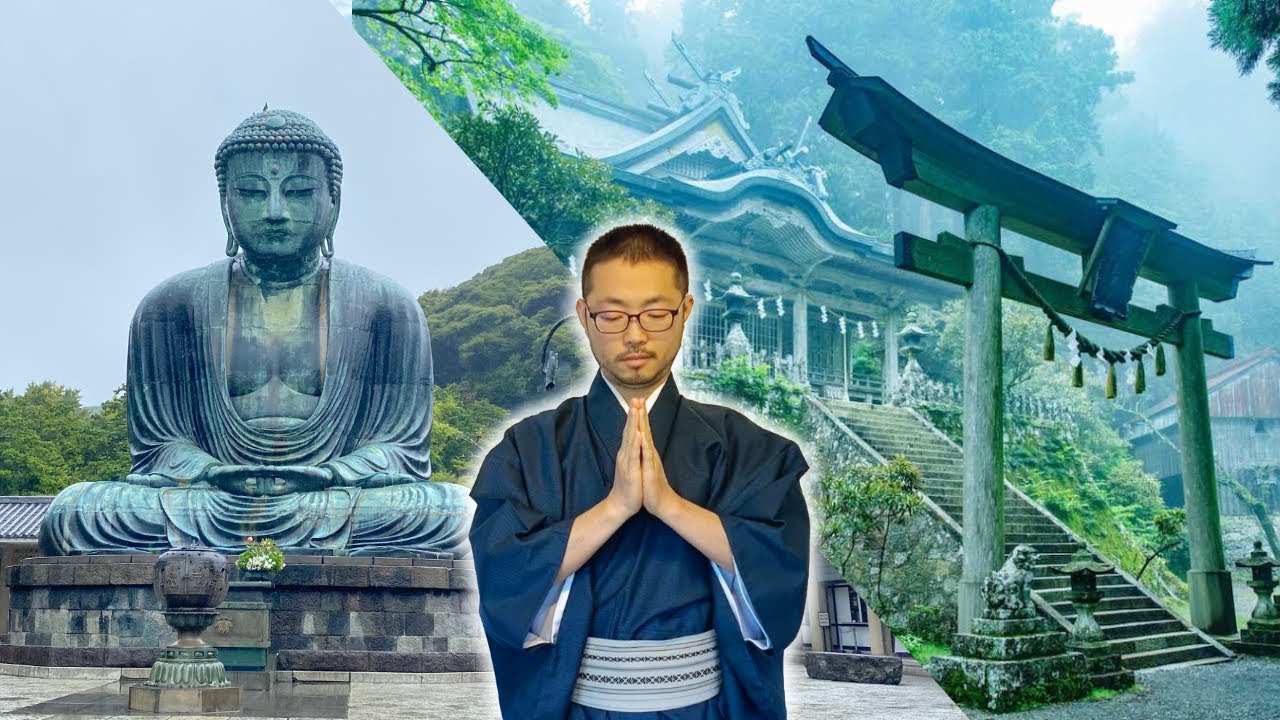
Shinto shrines, known as jinja, are characterized by traditional architecture and torii gates marking the entrance to sacred spaces. Visitors engage in rituals like purification and offerings to the kami. Unlike many Western religions, Shinto does not have a singular founder, scripture, or a dogma, allowing for a diverse set of beliefs and practices.
The Rituals of Shinto
Shinto rituals play an essential role in Japanese society. Key practices include:


- Shichi-Go-San: A rite of passage celebrated for children aged three, five, and seven.
- New Year Celebrations: Japan’s biggest holiday, where people visit shrines for blessings.
- Weddings: Many Japanese couples choose Shinto ceremonies for their nuptials.
- Festivals: Local matsuri (festivals) celebrate various kami and seasonal changes.
Buddhism in Japan: A Historical Perspective
Buddhism was introduced to Japan from Korea in the 6th century and has since intertwined with the native Shinto beliefs, leading to a distinctive evolution known as Zen Buddhism. This form of Buddhism emphasizes meditation and self-discovery, aligning with the tranquil aesthetics found in Japanese gardens and traditional tea ceremonies.
Different sects of Buddhism thrive in Japan, such as Pure Land, Nichiren, and Shingon, each offering unique teachings and practices that cater to various spiritual needs.
Buddhist Practices and Their Influence
Buddhism influences many aspects of Japanese culture, including:
- Anime and Literature: Themes of existence and impermanence are common in Japanese storytelling.
- Architecture: Temples such as Todai-ji showcase magnificent wooden structures and gardens.
- Boxing Day: The practice of visiting temples on New Year’s Eve reflects the blending of Buddhist traditions with Shinto.
- Funerals: Most Japanese funerals are conducted according to Buddhist rites, focusing on the afterlife.
Religion and Its Role in Japanese Culture
The intermingling of Shinto and Buddhism creates a unique religious landscape. Many Japanese people practice both religions simultaneously, participating in Shinto celebrations while observing Buddhist funerals. This duality allows for a rich tapestry of cultural practices that shape community and family life.
Cultural Events and Religious Festivals
Religious festivals in Japan, or matsuri, are a vivid representation of the country’s spiritual life. These events often combine elements of both Shinto and Buddhism, and they serve not only as religious observances but also as community celebrations. Major festivals include:
- Gion Matsuri: Held in Kyoto, this festival honors the kami and involves elaborate floats and processions.
- Tenjin Matsuri: Celebrated in Osaka, featuring boats and fireworks to honor the deity of learning.
- Aoi Matsuri: Involves a procession from the Imperial Palace to the Shimogamo and Kamigamo shrines.
- Oni Matsuri: A ritual of expelling evil spirits to encourage good fortune.
Modern Influences on Religion in Japan
In recent years, modern influences have led to changes in religious practices. While traditional beliefs remain strong, younger generations increasingly seek spirituality outside of formal religious structures. This trend highlights a shift towards a more personal interpretation of faith.
While some may view this as a decline in religiosity, it offers an opportunity for religions in Japan to evolve and reach new audiences. In this context, **digital tools** and online communities play a crucial role in connecting individuals with their spiritual quests.
Digital Tools to Enhance Spiritual Practices
Using technology can enhance the experience of religion in Japan. Below are ways to integrate digital tools with traditional practices:
- Use meditation apps like Headspace for guided mindfulness, promoting Zen principles.
- Explore virtual shrine tours through Google Arts & Culture, enriching cultural understanding.
- Engage with online communities focused on Shinto and Buddhist teachings.
- Utilize calendar applications to track significant religious dates and events.
Complementary Tools to Enhance Religion in Japan
While engaging with **religion in Japan**, incorporating complementary tools can deepen your understanding and experience. Here are ten ideas on how to maximize the benefits:
- Meditation Apps: Apps such as Headspace allow practitioners to enjoy guided sessions, enhancing mindfulness.
- Stay Connected: Use social media platforms like Facebook to join groups focusing on Japanese religious practices, fostering a sense of community and shared learning.
- Online Courses: Websites like Coursera offer courses about Japanese religions for further education.
- Book Clubs: Participate in virtual book clubs discussing Japanese spiritual texts or literature.
- Travel Apps: Use apps like Tripadvisor to discover sacred sites and read reviews on local temples and shrines.
- Mindfulness Journals: Maintain a digital or physical journal to reflect on personal experiences and growth in your spiritual journey.
- Virtual Reality Experiences: Experience traditional rites or culturally significant sites through virtual reality platforms like Oculus.
- Documentaries and Films: Watch explorations of Japanese culture and spirituality on platforms like Netflix to gain insights into the intersection of religion and daily life.
- Online meditation sessions: Join webinars hosted by experienced practitioners to learn directly from experts.
- Web-based discussions: Engage in discussions via forums focused on specific topics within Japanese religions.
Breakdown of Selected Tools
Meditation Apps
Apps like Headspace provide structured programs to promote mental well-being through meditation that align perfectly with Zen principles. Here are some benefits:
- Guided sessions tailored for beginners to advanced users.
- Variety of themes including stress relief, sleep improvement, and focus enhancement.
- Accessibility through mobile devices, allowing users to meditate anywhere.
- Tracking progress to help cultivate a consistent practice.
Online Courses
Enrolling in courses offered on platforms like Coursera can deepen your understanding of religion in Japan. Benefits include:
- Structured learning from experts in Japanese studies.
- Flexible schedules accommodating various time zones.
- Access to valuable resources and materials.
- The opportunity to connect with fellow students from around the globe.
Challenges Facing Religion in Japan Today
Despite its rich history, religion in Japan faces several challenges in the modern context. One significant issue is the diminishing participation in religious practices among younger generations. However, this presents an opportunity for religion to adapt and find resonance with today’s society.
The blending of conventional methods with tech-driven approaches can usher in a new era for spiritual engagement. By creating relatable experiences and discussions through social media, younger individuals can find relevance in their cultural heritage.
The Benefits of Religion in Japan
The practice of religion in Japan offers numerous benefits, both spiritually and socially. Here are some key advantages:
- Community Building: Religion cultivates a sense of belonging and community.
- Cultural Identity: Religious practices reinforce cultural heritage and traditions.
- Spiritual Well-being: Engaging in rituals fosters inner peace and mindfulness.
- Life Guidance: Ethical teachings provide moral frameworks for personal development.
In conclusion, the landscape of religion in Japan is both rich and complex, woven into the cultural fabric of the nation. By utilizing complementary tools and understanding modern shifts, individuals can cultivate a deeper connection with their spiritual heritage. The synthesis of ancient practices with contemporary insights fosters a vibrant community that honors the past while embracing the future. What you’ll discover next might surprise you as you dive deeper into the multifaceted world of Japanese spirituality.
Religion in Japan: An In-Depth Exploration 🌸
Religion in Japan is an intriguing and complex tapestry that interweaves traditional practices, spiritual beliefs, and cultural customs. Discover how the blend of Shinto and Buddhism shapes the everyday lives of millions, and how modern influences add to this rich fabric of spiritual life.
Major Religions in Japan
The landscape of religion in Japan is predominantly characterized by two major faiths: Shinto and Buddhism. Each contributes uniquely to the spiritual and cultural identity of the Japanese people.
Shinto: The Indigenous Faith
Shinto, often called the “Way of the Gods,” is Japan’s indigenous religion, deeply intertwined with the country’s ancient practices and rituals. Key aspects include:
- Spiritual Practices: Shinto includes rituals such as purification, offerings, and festivals (matsuri) celebrating seasonal changes and agricultural cycles.
- Deities: Known as kami, these spirits encapsulate natural elements and ancestors, highlighting the connection between people and nature.
- Community Focus: Shinto shrines are community hubs where people participate in various events, fostering communal ties and traditions.
Buddhism: A Cultural Pillar
Arriving in Japan from China and Korea in the 6th century, Buddhism has adapted uniquely, coexisting harmoniously with Shinto. Its significant features include:
- Variety of Schools: Multiple sects such as Zen, Pure Land, and Nichiren offer diverse practices and philosophies catering to different needs.
- Rituals and Ceremonies: Buddhist rituals for funerals play a vital role in Japanese customs, reflecting the importance of ancestral veneration.
- Art and Architecture: Buddhist influence is evident in Japan’s stunning temples, sculptures, and gardens, offering serene spaces for meditation.
The Religious Syncretism in Japan
One remarkable aspect of religion in Japan is the syncretic qualities of Shinto and Buddhism. Practices often blend, where individuals may visit Shinto shrines for blessings while also engaging in Buddhist rituals for spiritual fulfillment.
Cultural Integration
This integration manifests itself in various cultural elements such as:
- Annual Festivals: Events like the Shinto New Year (Shogatsu) and Obon, honoring ancestors, demonstrate the intermingling of beliefs.
- Weddings and Funerals: Many Japanese couples opt for elaborate Shinto ceremonies for weddings, while funerals are frequently conducted in Buddhist fashion.
Modern Religion in Japan
Today, religion in Japan is not merely a set of ancient customs but encompasses modern interpretations and practices. This evolution brings forth intriguing dynamics:
Religiosity and Daily Life
Many individuals incorporate spiritual elements into their routines, participating in shrine visits, seasonal rituals, and festivals, often blending different beliefs to suit their needs.
Secularism and Spirituality
While Japan is considered a secular nation, many find comfort in spiritual practices. The idea of spirituality often transcends formal religion, allowing diverse expressions of belief.
Influence of Religion on Japanese Culture
The influence of religion in Japan extends well beyond spirituality, permeating art, cuisine, and societal values.
Art and Aesthetics
Japanese art forms—including ink painting, tea ceremonies, and ikebana (flower arranging)—are heavily influenced by Buddhist and Shinto perspectives. The principles of harmony, simplicity, and respect for nature are paramount.
Culinary Traditions
Many traditional Japanese dishes, particularly those offered during ceremonial occasions, reflect religious significance. Foods prepared during New Year celebrations or Obon often adhere to specific rituals enhancing their spiritual meaning.
Complementary Tools to Enhance Your Exploration of Religion in Japan
Using various resources can deeply enhance your understanding and experience of religion in Japan. Here are some tools and how they can complement your exploration:
1. Online Courses on Japanese Religion
Platforms like Coursera offer courses that explore the historical and cultural contexts of Shinto and Buddhism. Completing a course offers:
- Access to expert lectures and resources.
- Flexible learning at your own pace.
- Certification for professional development.
- Interactive assignments to deepen your understanding.
2. Virtual Tours of Temples and Shrines
Websites providing virtual tours of significant temples like Kinkaku-ji enhance your appreciation of architecture and history. Benefits include:
- 360-degree visual experiences without the need to travel.
- Dive into the historical context and philosophy linked to each site.
- Insightful commentary exposing the religious significance of architectural elements.
- The ability to share experiences with friends and family through intuitive platforms.
3. Apps for Meditation and Mindfulness
Incorporating meditation into your daily routine can beautifully complement the ideals of Buddhism. Apps like Headspace provide guided meditations inspired by Buddhist principles.
4. Books and Literature
Reading literature on Shinto and Buddhism offers profound insights. Look for books like “Shinto: The Kami Way” which explore foundational concepts.
5. Documentary Series
Watching documentaries on Japanese culture and religion enriches your understanding significantly. Channels like Netflix often feature immersive series showing religious practices in action.
6. Cultural Workshops
Participating in workshops centered around Japanese crafts or spiritual practices can provide firsthand experience. Engaging in ikebana or a tea ceremony brings living traditions to life.
7. Podcasts on Japanese Culture
Perhaps you prefer audio learning. Podcasts focusing on Japanese religion and culture can offer diverse perspectives and interviews with scholars and practitioners.
8. Guided Tours to Sacred Sites
Utilizing services like Viator can provide guided experiences to sacred sites, maximizing your visit with:
- Expert local guides that offer insights into both Shinto and Buddhist traditions.
- Opportunity for questions and in-depth discussions.
- Organized itineraries to visit lesser-known but significant locations.
- Enhanced cultural experiences through structured activities with locals.
9. Interactive Websites with Community Forums
Websites that facilitate community discussions about Japanese religion can provide invaluable insights and firsthand experiences from practitioners.
10. Social Media Groups and Platforms
Engaging with communities on platforms like Facebook can foster discussions about current practices and cultural sentiment online.
Religion and Social Identity in Japan
As Japan grapples with modernity, the role of religion in Japan continues to evolve. Understanding its interaction with social identity is crucial:
Cultural Identity and Nationalism
Religious affiliations often intertwine with national identity, especially in times of crisis or celebration. Traditional festivals reaffirm cultural heritage and community bonds.
Challenges and Changes
Modern societal shifts pose challenges to religious practices, as urbanization and globalization change the landscape of belief. Nevertheless, many continue to participate in traditional rituals that honor their heritage.
Conclusion
The intricate world of religion in Japan remains a vital part of its cultural fabric. From ancient practices to modern implementations, the interplay between Shintoism and Buddhism offers timeless insights into spirituality, community, and identity. As one navigates this landscape, the available tools enhance understanding, enabling deeper connections to the vibrant cultural heritage that continues to shape Japan today. What you’ll discover next might surprise you about the rich spiritual landscape that shapes this mesmerizing nation!
Rituals and Practices
Religion in Japan: A Deep Dive into Faith and Tradition 🌸
Religion in Japan is a fascinating tapestry woven from various influences, historical events, and cultural practices. With its roots in **Shinto**, **Buddhism**, and even Western religions, Japan’s spiritual landscape offers rich avenues for exploration. But what makes this blend unique? Let us delve into the diversity of beliefs and how they continue to shape Japanese society today.
Historical Context of Religion in Japan
Understanding religion in Japan requires a brief look at its history. Shinto, the indigenous faith, has existed for centuries, while Buddhism was introduced in the 6th century from Korea. Over time, these two religions have coexisted, influencing each other in various ways. This historical backdrop is vital in recognizing how modern beliefs have evolved.
Shinto: The Indigenous Faith
Shinto, meaning “the way of the gods,” is **Japan’s oldest religion**. It centers around kami, the spirits associated with natural elements, ancestors, and sacred places. Traditional rituals, such as matsuri (festivals), play a vital role in Shinto practice, fostering community bonds and celebrating seasonal changes.
Importance of Rituals and Festivals
Shinto rituals often involve purification, offerings, and prayer. Festivals like Aoi Matsuri and Gion Matsuri are significant events that involve processions and celebrations, emphasizing community and harmony. Understanding these practices deepens one’s appreciation of the spiritual significance communicated through Japan’s festivals. 🌟
Buddhism: A Major Influence
Buddhism arrived in Japan during the **Asuka period** and has grown to incorporate various schools, including Zen and Pure Land. It often complements Shinto practices, leading to unique syncretism in religious observances and spiritual life. This duality is evident in daily practices, where individuals might visit both a Shinto shrine and a Buddhist temple.
Meditation and Mindfulness
The teachings of Buddhism particularly emphasize meditation and mindfulness, which can enhance one’s spiritual journey. By integrating techniques such as zazen (sitting meditation), individuals can find peace and insight, thus enriching their understanding of both Buddhism and Shinto. This practice complements the spiritual rituals performed in Shinto by bringing a sense of inner calm and focus.
Religious Practices in Everyday Life
Religion in Japan is not confined to temples and shrines; it penetrates daily living. Births, marriages, and funerals often intertwine Shinto and Buddhist rituals. This seamless integration illustrates the profound respect Japanese culture has for tradition and spirituality.
Family and Ancestors
One of the key features of religion in Japan is the emphasis on honoring ancestors. Families maintain **altars** called **butsudan**, where they offer prayers to deceased relatives. This practice underscores the importance of familial bonds and respect for one’s heritage.
Modern Influences on Religion in Japan
In contemporary society, the influence of Western religions is also evident, though they coexist rather than replace traditional practices. Many Japanese celebrate Christmas, and the New Year often includes elements from various belief systems, showcasing religious pluralism.
Complementary Tools to Enhance Religious Engagement
To enrich the experience of exploring religion in Japan, consider integrating various complementary tools and resources. These can enhance understanding and provide practical ways to engage with religious practices. Here are a few noteworthy tools:
1. Meditation Apps
Using meditation apps like Headspace can help deepen the mindfulness aspects associated with Buddhism in Japan. Regular meditation enhances spiritual understanding and complements religious practices.
2. Travel Guides
Planning visits to historical sites and temples is greatly facilitated by travel apps such as Tripadvisor. These guides provide:
- Directions and hours of operation for various sites.
- Reviews and recommendations from other travelers.
- Historical context and significance for different places of worship.
- Suggestions for nearby attractions and events.
3. Language Learning Platforms
Learning Japanese through platforms like Duolingo can enhance understanding of religious texts and facilitate deeper conversations about culture and beliefs.
4. Cultural Events Calendars
Staying updated with cultural events and festivals through local websites can enrich your experiences while visiting Japan. These calendars provide insights into when and where significant religious events are taking place, allowing for immersive engagement.
5. Documentary Series and Films
Watching documentaries or films that explore Japanese culture and religion, such as through platforms like Netflix, can provide visual context to the practices and beliefs discussed.
6. Community Forums
Engaging with communities on platforms like Reddit can offer insights into personal experiences and knowledge sharing regarding religious practices in Japan.
7. Journaling Tools
Utilizing digital journaling apps can enhance personal reflection on religious practices, allowing users to track their spiritual growth and insights gained through engagement with Japanese religion.
8. Local Tours and Experiences
Participating in guided tours focused on spirituality, like those organized through Airbnb Experiences, offers unique insights into local customs. Benefits of these tours include:
- Opportunity to interact with local practitioners.
- Experiencing rituals firsthand.
- Learning about the history and significance of various sites.
- Building connections with fellow travelers sharing similar interests.
9. Podcasts
Listening to podcasts that discuss spirituality, such as “On Being,” can enhance understanding of religious themes and contemporary issues related to religion in Japan.
10. Online Courses
Consider enrolling in online courses about Japanese religion through platforms like Coursera. This can equip learners with in-depth knowledge and critical thinking skills concerning the complexities of religion in Japan.
The Interplay of Religion and Culture
The relationship between religion and Japanese culture is intricate and multilayered. **Cultural practices**, such as art and cuisine, are heavily influenced by religious beliefs. For instance, certain culinary practices during religious festivals highlight the connection between food and spirituality.
Art and Expression
Japanese art forms, from traditional painting to contemporary installations, often reflect religious themes, highlighting the aesthetic experience associated with spirituality. By observing these artworks, one gains a deeper understanding of how religion informs artistic expression.
Religious Pluralism and Acceptance
Overall, Japan exemplifies a form of **religious pluralism** where **coexistence** is a central theme. Unlike many cultures that may rigidly classify spiritual beliefs, Japanese society often embraces multiple faiths without conflict. This acceptance fosters a unique environment where individuals can explore and practice their spirituality freely.
Conclusion: Embracing Spiritual Diversity
Religion in Japan offers a valuable perspective on spirituality, where the coexistence of different beliefs invites exploration and appreciation. By leveraging various tools and resources, such as meditation apps and local tours, individuals can engage more deeply with these rich traditions. As you embark on your spiritual journey in Japan, remember that every temple, festival, and practice tells a story worth discovering. What you’ll discover next might surprise you… 👀
Religion in Japan: A Comprehensive Exploration 🌸
Religion in Japan is a complex tapestry woven from various traditions, cultures, and beliefs. From *Shinto* to *Buddhism*, the spiritual landscape is rich and diverse, providing uplifting experiences that resonate through daily life. Have you ever wondered what shapes these traditions? Let’s delve deep into the role of religion in Japan and uncover how it interacts with contemporary life.
Historical Background of Religion in Japan
Religion in Japan can be traced back thousands of years. Initially dominated by *Shintoism*, the indigenous faith characterized by animism and nature worship, it was later influenced by *Buddhism*, which arrived from Korea in the 6th century. This historic blend created a unique coexistence where both religions thrived, contributing aimed aspects to Japanese culture. For a deeper understanding of Shinto, you can explore the Shinto Wikipedia page.
The Major Religions of Japan
Shinto
Shinto is considered the native religion of Japan. It is deeply embedded in Japanese culture, focusing on ritual practices and the connection to kami (spiritual beings or gods). Shinto shrines can be found throughout the country, acting as places of worship and community gathering. The simplicity and closeness to nature set it apart from other religious practices.
Buddhism
Introduced in the 6th century, Buddhism has also greatly influenced Japanese society. The religion emphasizes the path to enlightenment, with various sects such as Zen and Pure Land offering different practices and philosophies. Unlike Shinto, which is more ritualistic, Buddhism encourages introspection and personal growth.
New Religious Movements
In addition to Shinto and Buddhism, Japan is home to several new religious movements, which often blend traditional practices with modern beliefs, catering to contemporary spiritual needs. These movements can offer innovative approaches to personal well-being.
Cultural Influences of Religion
The influence of religion in Japan extends beyond the spiritual realm; it infiltrates daily life, art, festivals, and even governance. The well-known *Gion Matsuri* and *Aoi Matsuri* festivals highlight the deep-rooted Shinto traditions, reflecting community values and cultural heritage.
The Interplay of Religion and Daily Life
Religion in Japan is not merely confined to temples and rituals. It plays a vital role in major life events—from births to marriages and funerals. Surprisingly, many Japanese people may not strictly adhere to one religion but often participate in rituals from both Shinto and Buddhism, showcasing a flexible approach to spirituality.
Complementary Tools to Enhance Your Religious Journey in Japan
Incorporating complementary tools can enrich your exploration of religion in Japan. Here are some practical ideas on how these tools can enhance your experience:
1. Meditation Apps
Using meditation apps like Headspace can complement your spiritual practices, allowing for relaxation and mindfulness, reflecting Buddhist principles. By using meditation alongside religion in Japan, you can achieve a deeper understanding of self-awareness.
2. Cultural Tours
Joining cultural tours, such as those offered by Japanican, can provide firsthand experiences of religious sites. These tours can deepen your appreciation of how religion influences local customs. Here’s how they enhance your experience:
- **Guided Insight**: Expert guides offer rich background information on religious practices.
- **Access to Rituals**: Participate in ceremonies that might be inaccessible on your own.
- **Cultural Understanding**: Get a true sense of how religion shapes Japanese identity.
- **Community Interaction**: Engage with locals to appreciate contemporary beliefs and practices.
3. Language Learning Apps
Learning Japanese can enhance your experience significantly. Apps like Duolingo help you understand the language and context behind religious dialogues and texts. This not only facilitates deeper engagement but also enriches spiritual dialogue.
4. Online Forums and Communities
Joining online communities such as those on Reddit can connect you with individuals interested in religion in Japan. Discussing your insights and experiences can further deepen your understanding.
5. Documentaries and Books
Exploring documentaries and literature about Japanese religions can provide extensive backgrounds and nuanced perspectives. Platforms like Amazon have vast selections. Reading about religion in Japan broadens your pre-visit knowledge.
6. Virtual Reality Experiences
Utilizing virtual reality experiences can simulate visits to shrines and temples. This novel approach engages senses in a way that simply reading cannot. Tools like Oculus can bring rituals right to your home.
7. Nature Retreats
Engaging with nature through retreats can complement your spiritual journey. Locations like Koyasan offer meditative experiences entrenched in both Shinto and Buddhist traditions.
8. Journaling Apps
Using journaling apps such as Day One allows you to document your spiritual journey. This reflective practice strengthens insights gained through religion in Japan. Here’s how journaling enhances your experience:
- **Tracking Growth**: Monitor personal developments over time through reflections.
- **Clarifying Thoughts**: Writing helps articulate your beliefs and experiences.
- **Creating a Narrative**: Over time, you build a compelling story of your spiritual journey.
- **Prompting Insights**: Journaling can spur deeper self-inquiry and realization.
9. Guided Tarot or Oracle Reading
Integrating tarot readings can provide additional layers of insight and spiritual guidance. While it may appear distinct from traditional religion, tarot can provoke introspective insights, facilitating growth alongside established practices in Japan.
10. Art Therapy Classes
Participating in art therapy can foster creativity, aligning with spiritual expression. Traditional Japanese art forms resonate deeply with cultural understandings of life and spirituality.
The Role of Religion in Modern Japanese Society
In contemporary Japan, the relevance of religion can sometimes seem overshadowed by modernization. However, rituals and traditions persist, adapting over time. Many Japanese still visit shrines for New Year blessings or partake in Matsuri festivals, preserving cultural ties while evolving with societal changes.
Conclusion
Religion in Japan showcases a fascinating blend of ancient traditions and modern influences. It’s a living practice that encapsulates the essence of Japanese culture. As interest in spirituality grows worldwide, exploring Japan’s religious landscape offers glimpses into the human spirit’s enduring quest for meaning. So, will you embark on this enriching journey? 🌏
