Prophets in the Bible: 7 Key Figures You Should Know
Prophets in the Bible
Prophets in the Bible: Messengers of Divine Guidance ✨
Throughout the scriptures, prophets in the Bible stand out as pivotal figures tasked with conveying God’s messages to humanity. From warning their people of impending doom to inspiring them with visions of hope, these prophets play a monumental role in Biblical history and theology. 📖 But what exactly do we mean when we refer to prophets, and how can understanding their importance enhance our spiritual journey? Stick with us as we delve into the lives, messages, and impact of these ancient messengers.
Understanding the Role of Prophets
A prophet, in the Biblical sense, is someone who speaks on behalf of God. They are believed to receive revelations that guide their communities, often calling for repentance, reminding the faithful of God’s laws, and forecasting significant events. Understanding the context in which these prophets operated helps in grasping their relevance today.
The Major Prophets
The Bible identifies several key figures as major prophets. These individuals not only delivered God’s messages but also shaped the spiritual and social landscapes of their times.
Isaiah: The Visionary
Isaiah is known for his profound messages of hope and redemption. His prophetic vision speaks about the coming Messiah and the establishment of God’s kingdom. Unlike modern motivational speakers, Isaiah’s message often juxtaposed themes of judgment with those of grace, urging his listeners toward a deeper understanding of justice and mercy.


Jeremiah: The Weeping Prophet
Jeremiah is often referred to as the “weeping prophet” due to his sorrowful messages concerning the impending destruction of Jerusalem. He preached that true repentance leads to restoration and revival, making his words resonate even today amid crises of faith.
Ezekiel: The Symbolic Messenger
Ezekiel utilized vivid symbolism and dramatic imagery to communicate God’s intentions, often acting out scenarios to illustrate his prophetic messages. This unique approach allows readers to see the deep emotional and spiritual struggles of the Israelites during their exile.
The Minor Prophets: Voices of Warning and Hope
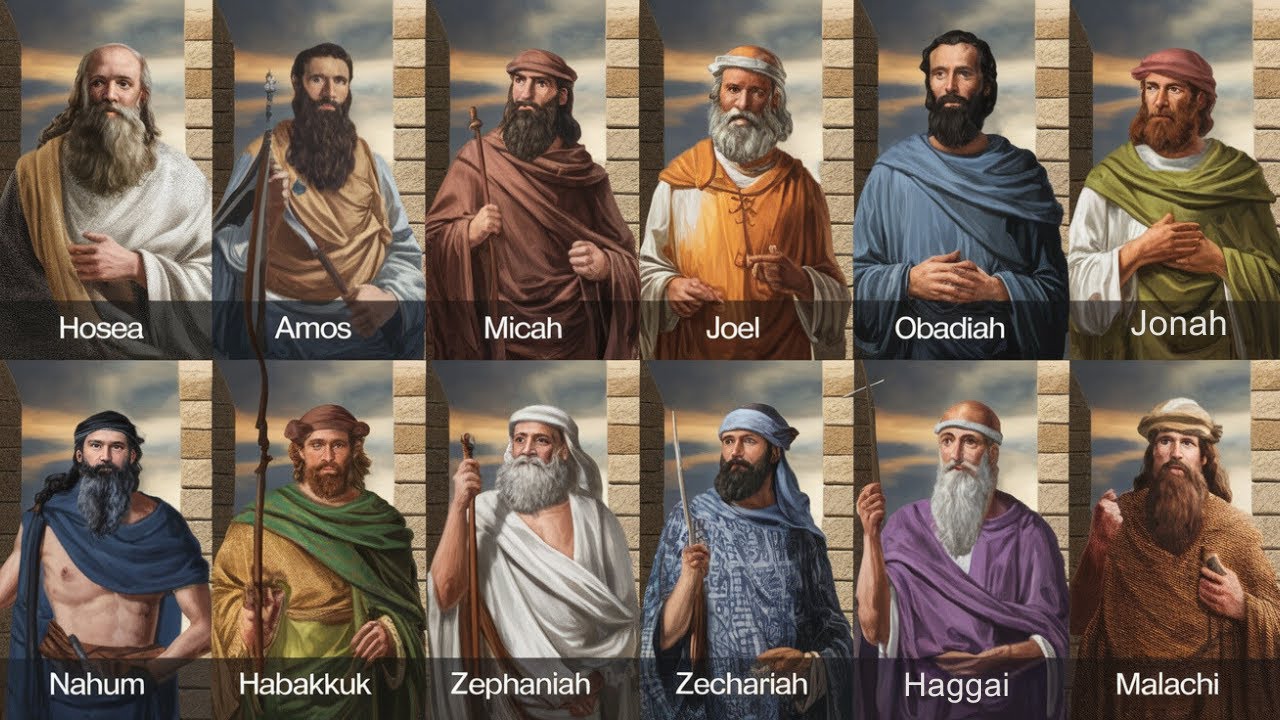
In addition to the major prophets, several minor prophets contributed significantly to the Biblical narrative. Though their books are shorter, their messages remain impactful.
Hosea: Love and Faithfulness
Hosea’s life story is a powerful metaphor for God’s relationship with humanity. His marriage to an unfaithful wife symbolizes Israel’s infidelity to God. This themes of love and faithfulness guide modern believers to reflect on their commitments.
Malachi: A Call to Return
As the last book in the Old Testament, Malachi ends the prophetic voice by calling the Israelites back to sincere worship. His straightforward exhortations challenge us to evaluate our own spiritual practices, ensuring they align with our declarations of faith.
Benefits of Engaging with Prophets in the Bible
Studying the lives and messages of the prophets provides profound insights into spiritual life, ethics, and communal responsibilities. Below are key benefits of integrating the teachings of prophets into your faith journey:
- Guidance: Prophets provide crucial insights into God’s will, helping believers navigate complex life choices.
- Encouragement: Their messages often uplift, inspiring hope and faith during difficult times.
- Community Awareness: Prophets frequently addressed societal issues, prompting communities to seek justice and mercy.
- Personal Reflection: The prophetic narratives encourage self-assessment and spiritual growth.
Complementary Tools to Enhance Understanding of Prophets
To deepen your understanding of the prophets in the Bible, consider integrating the following tools and resources into your study routine:
1. Bible Study Software
Using software like Logos can greatly enhance your exploration of the Biblical texts. With features like parallel translations and original language studies, you can gain richer insights into prophetic writings.
2. Online Study Groups
Joining an online study group can create a collaborative learning environment, allowing for discussions about the context and applications of prophetic messages. Platforms like Zoom help facilitate these collective explorations effectively.
3. Devotional Apps
Apps such as YouVersion provide daily verses and reflection prompts, aligning with the teachings of prophets to encourage daily spiritual engagement.
4. Thematic Bible Studies
Thematic Bible studies can help focus on specific aspects of prophets, such as justice or mercy, providing a framework to analyze their messages through a contemporary lens.
5. Audio Resources
Listening to podcasts or lectures centered on Biblical prophets, such as those found on platforms like Spreaker, brings the text to life, making it relatable and accessible.
6. Christian Literature
Diving into books authored by Biblical scholars can provide context and interpretations of the prophets, enhancing understanding beyond surface-level readings.
7. Bible Mapping Tools
Utilizing maps through services like Ancient Maps can visualize the geographical context in which prophets delivered their messages, adding depth to your understanding.
8. Study Guides
- Structured Learning: Guides offer a framework for examining the life and messages of each prophet, ensuring thorough comprehension.
- Discussion Questions: They often include questions that prompt personal reflection and group discussion.
- Application Principles: Many guides suggest practical applications of prophetic messages for everyday living.
- Biblical References: They link to specific scriptures, allowing for easy follow-up and deeper study.
9. Sermon Series
Following sermon series focused on prophets helps reinforce the teachings within a communal worship setting, allowing for shared learning experiences.
10. Visual Aids
Using infographics or illustrated study materials can help visualize complex themes presented by the prophets, making them more digestible.
Connecting Prophets to Modern Life
The relevance of the prophets extends beyond ancient texts. Today, their teachings can inspire social justice, community accountability, and personal integrity. By reflecting on the challenges faced by the prophets and their unwavering commitment to their messages, modern individuals can cultivate resilience and purpose.
Using Prophets to Inform Personal Practice
Incorporating lessons from prophets can reshape how one interacts with God and fellow humans. For example, by aligning personal ethics with the justice preached by prophets like Amos, individuals can become advocates for change within their communities. 💪
Conclusion: The Lasting Impact of Prophetic Messages
The words of prophets in the Bible continue to resonate today, providing guidance and inspiring action. Engaging with their messages, supported by various tools and resources, can enrich spiritual growth and community involvement. As you dive deeper into the study of these incredible figures, you may find that their messages are not only relevant but transformative in how you approach faith and sense of purpose.
For further exploration of the backgrounds and teachings of these biblical figures, consider accessing comprehensive resources on platforms like Bible Gateway or engaging with interactive Biblical courses from Udemy. Happy studying!
The Role of Prophets in the Bible
Prophets play a vital role in the biblical narrative, acting as intermediaries between God and humanity. ✨ Their messages often include guidance, warnings, and predictions about the future, reflecting the will of God. Prophets are pivotal for understanding the spiritual context of many events within the Bible, making their insights invaluable for people across generations.
What is a Prophet?
A **prophet** is defined as a person who is regarded as an inspired teacher or proclaimer of the will of God. The role typically includes delivering revelations and teachings to God’s people. Prophets in the Bible carry different titles and play various roles, including:
- Deliverers of prophecies
- Advisors to kings
- Advocates for social justice
- Symbols of faithfulness to God
Key Biblical Prophets and Their Messages
The Bible outlines numerous prophets, each with unique messages and missions. Below are some of the most significant prophets and their contributions:
1. Moses: The Lawgiver
Moses is one of the central figures of the Old Testament, chosen to lead the Israelites out of Egypt and receive the Law from God. His teachings emphasize obedience and faithfulness, establishing foundational principles for the Israelite nation.
2. Isaiah: The Visionary
Isaiah’s prophecies reflect a profound vision of God’s holiness and the coming of the Messiah. He speaks extensively on themes of comfort, redemption, and divine judgment, making him a pivotal prophetic figure.
3. Jeremiah: The Weeping Prophet
Known as the “Weeping Prophet,” Jeremiah’s messages focus on repentance and the impending doom due to idolatry and unfaithfulness among the people. His emotional depth offers a unique perspective on God’s relationship with Israel.
4. Ezekiel: The Watchman
Ezekiel serves as a watchman for the house of Israel, delivering prophecies that include both doom and hope. His visionary experiences and symbolic actions emphasize the necessity of obedience to God’s commands.
5. Daniel: The Interpreter
Daniel stands out for his role in interpreting dreams and visions, focusing on the sovereignty of God over human kingdoms. His prophetic insights are critical in understanding eschatological events.
The Function of Prophets: Guidance and Revelation
The function of prophets extends beyond mere divination; they provide critical **guidance** and **revelation** to their communities. By serving as God’s spokespeople, prophets enable individuals to navigate challenging moral dilemmas and societal issues.
Complementary Tools to Enhance the Understanding of Prophets in the Bible
To deepen one’s understanding of prophets in the Bible, it’s valuable to utilize various tools. Here are idea-enhancing tools that complement the study of prophets, showcasing their advantages:
- Bible Study Apps – Use apps like YouVersion to access multiple translations and resources that explain the context of prophecies.
- Commentaries – Detailed commentaries can provide extensive background and analysis of prophetic literature. Tools like Logos Bible Software aid in comprehensive textual studies.
- Online Courses – Websites offering theological courses can expand understanding of prophetic messages, such as those found on Coursera.
- Podcasts – Engaging Bible-oriented podcasts can provide insightful and contemporary takes on biblical narratives.
- Streaming Documentaries – Documentaries provide visual narratives that enhance understanding of the historical context surrounding prophets.
- Discussion Forums – Engaging in forums, such as those on Reddit, allows individuals to discuss and debate interpretations.
- Social Media Groups – Joining Facebook groups dedicated to biblical studies helps connect with others for shared learning.
- Study Guides – Comprehensive study guides, such as those offered by ThoughtCo, can help in focusing on specific prophets and their messages.
Exploring Selected Complementary Tools
1. Bible Study App: YouVersion
- Access to multiple versions of the Bible for comparative study.
- Daily reading plans that include prophetic books.
- Community features for discussion and insights.
- Annotations and highlights for personal reflections on prophecies.
2. Video Documentaries: History Channel
- Offers visually rich representations of biblical events.
- Contextualizes the lives of prophets within historical frameworks.
- Engages viewers with expert interviews and archaeological findings.
- Supports a deeper understanding through narrative-driven approaches.
Engaging with Prophetic Texts
Studying the prophets in the Bible can be both enlightening and transformative. Consider utilizing several methods to enhance your engagement:
- **Meditating on Key Verses:** Focus on specific messages from the prophets to develop personal insights.
- **Participating in Group Studies:** Engaging with peers can reveal diverse interpretations and deepen understanding.
- **Creating Personal Reflections:** Journaling your thoughts on prophetic themes encourages personal connection.
- **Connecting Current Events:** Relate prophecies to modern-day occurrences for relevant spiritual applications.
The Lasting Impact of Prophets
Prophets in the Bible continue to influence spiritual thought and practice today. Their messages on justice, mercy, and faith resonate with contemporary believers seeking guidance. As you explore the teachings of prophets, you discover timeless principles that challenge and inspire.
Conclusion
While engaging with the teachings of prophets in the Bible, it is essential to remember their core messages of guidance and revelation. By using complementary tools effectively, you can significantly enhance your understanding and spiritual growth. Seek to delve deeper, ask questions, and allow the wisdom of the prophets to guide your journey.
Understanding the Role of Prophets in the Bible
Prophets in the Bible serve a vital purpose in conveying God’s messages to His people. 📖 These individuals not only predicted future events but also provided guidance, encouragement, and correction. In this article, we will take an in-depth look at the characteristics, roles, and significance of prophets, and how they can be used alongside complementary tools to enhance understanding and engagement with biblical teachings.
Characteristics of Prophets in the Bible
Prophets were known for several distinctive traits that set them apart from ordinary individuals. Key characteristics include:
- Divine Calling: Prophets were called by God to fulfill their mission, often receiving direct revelations.
- Communication Skills: They possessed the ability to communicate God’s messages clearly and powerfully.
- Courage: Many prophets faced persecution and opposition but remained steadfast in their duties.
- Moral Integrity: Prophets upheld high ethical standards and called others to return to righteousness.
The Role of Prophets in Biblical Narratives
Throughout the Bible, prophets occupy a central role in God’s plan. Notable figures like Moses, Isaiah, and Jeremiah significantly influenced the history of Israel by:
- Providing Guidance: Prophets offered divine direction to leaders and the community during times of crisis.
- Foretelling Future Events: Many prophecies came to pass, demonstrating God’s sovereignty and fulfilling His plans.
- Warning Against Sin: Prophets often called out transgressions and urged repentance, seeking to lead people back to faithfulness.
Famous Prophets in the Bible
To appreciate the role of prophets better, let’s delve into the lives of some significant figures:
Moses
Moses is perhaps one of the most recognized prophets in the Bible. He led the Israelites out of Egypt and received the Ten Commandments directly from God. His unique relationship with God highlighted the importance of obedience and faith.
Isaiah
Isaiah is known for his powerful visions and messages of hope, emphasizing God’s promise of salvation. His prophecies about the coming Messiah are foundational in both Jewish and Christian contexts.
Jeremiah
Known as the “weeping prophet,” Jeremiah delivered messages of warning and hope to a rebellious nation. His life exemplifies the challenges faced by those called to speak God’s truth.
How Complementary Tools Enhance Understanding of Prophets in the Bible
Utilizing various tools can significantly enhance your study of prophets in the Bible. Here are some ideas on how to use these tools effectively:
- Biblical Commentaries: Combine insights from commentaries to deepen your understanding of prophets’ messages and historical contexts.
- Online Bible Platforms: Use platforms like Bible Gateway for easy access to different translations and interpretations.
- Study Guides: Implement study guides focused on prophetic literature to navigate key themes and theological concepts.
- Audio/Video Resources: Engage with recorded sermons or lectures that explore the lives of prophets in detail. YouTube offers a range of videos that can bring these stories to life.
- Scripture Memory Apps: Use apps like ScriptureMemo to memorize key verses from prophetic books.
- Discussion Groups: Join or form discussion groups that focus on exploring the role of prophets within biblical texts.
- Devotional Books: Utilize devotional resources that dive deep into the themes present in prophetic writings.
- Online Courses: Enroll in courses about biblical prophets from platforms like Coursera, which often offer structured learning paths.
- Social Media Communities: Follow pages dedicated to biblical studies on platforms like Facebook for daily insights and discussions.
- Interactive Maps: Utilize maps that outline significant locations from the lives of prophets. This tool can provide geographical context, enhancing comprehension.
Using Biblical Commentaries for Profound Insights
Biblical commentaries serve as invaluable resources when studying the prophets. Here’s how:
- In-Depth Analysis: Commentaries provide detailed explanations of prophetic texts, shedding light on cultural and historical backgrounds.
- Contextual Understanding: They help readers grasp the context in which the prophets delivered their messages, enhancing interpretation.
- Diverse Perspectives: Many commentaries include various viewpoints, allowing readers to see a full spectrum of theological insights.
- Application Suggestions: They often suggest practical applications of prophetic teachings in modern contexts.
Enhancing Learning with Online Bible Platforms
Tools like Bible Gateway allow users to:
- Access Multiple Versions: Read different translations side by side for better comprehension.
- Search Functionality: Quickly locate specific verses related to prophets.
- Audio Features: Listen to the Bible being read, which can aid auditory learners.
- Save Preferences: Bookmark passages or notes for future reference.
The Impact of Prophets in Contemporary Faith Practices
Understanding the role of prophets in the Bible brings valuable insights into modern faith practices. Believers often find inspiration and guidance through prophetic messages, encouraging personal reflection and moral living. By integrating these teachings into daily life, individuals can cultivate a stronger spiritual foundation.
Benefits of Engaging with Prophetic Teachings
Studying the messages of prophets emphasizes several key benefits:
- Spiritual Growth: Engaging with prophetic messages nurtures deeper faith and personal development.
- Community Engagement: Prophets often called for collective action and repentance, fostering unity within communities.
- Moral Direction: Their teachings continue to challenge individuals to live righteously.
- Hope and Encouragement: Prophets offered hope, reminding believers of God’s promises.
Conclusion
The study of prophets in the Bible unfolds a tapestry of divine wisdom, guidance, and challenges that resonate through the ages. The combination of traditional biblical study with complementary modern tools enhances understanding and engagement. By applying these insights, readers can deepen their relationship with scripture and cultivate a more profound spiritual journey.
