Prayer to holy mary: essential, practical guide in 5 steps
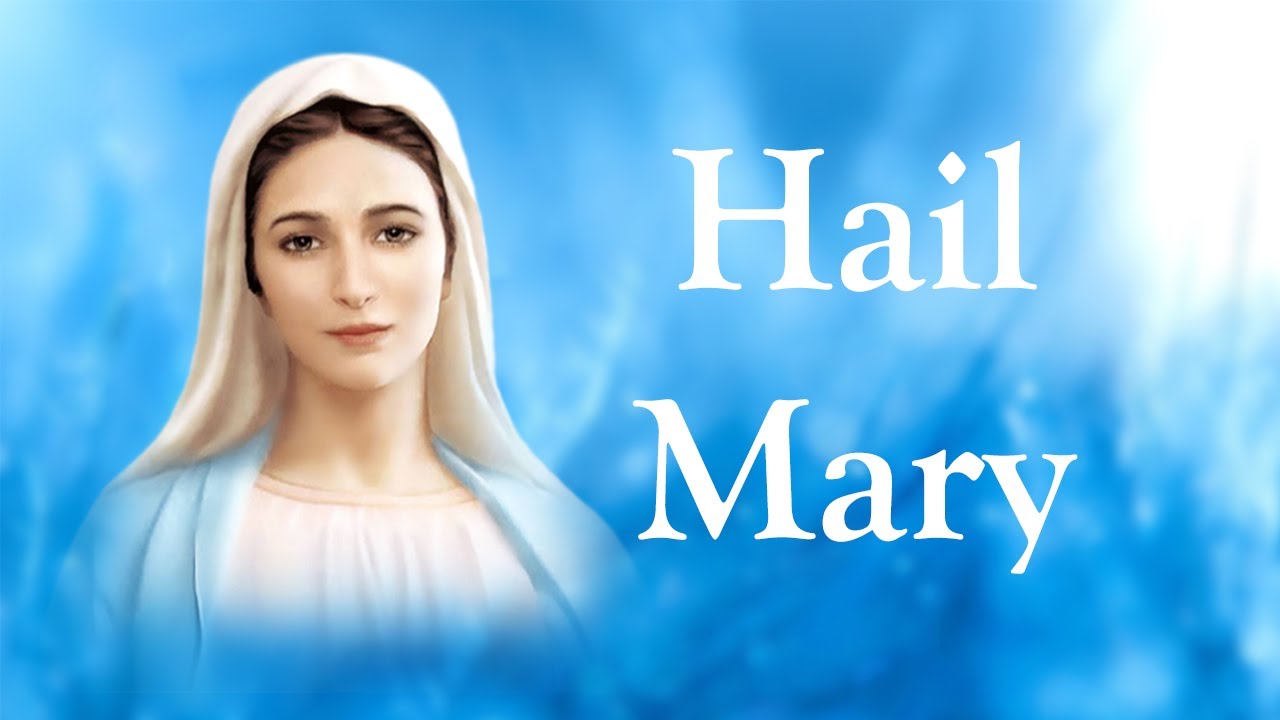
Prayer to holy mary: meaning, history, and how to pray
A prayer to holy mary is one of the most recognisable practices in Christian spirituality, especially within Catholic and Orthodox traditions. For many, it is a gentle, steady way to draw near to Christ by asking His mother to pray for us. If you are curious about where this devotion comes from, what it means, or how to begin, this guide will walk you through the essentials of prayer to holy mary with clarity and respect for different backgrounds.
Whether you grew up with the Rosary or are discovering it for the first time, prayer to holy mary is not about replacing God but about seeking the intercession of the one who said “yes” to God in a unique and wholehearted way. Think of it as asking a trusted friend to pray with you—someone who points you back to Jesus. In what follows, we will explore the biblical roots, well-known texts such as the Hail Mary, simple steps to begin, practical examples, and common mistakes to avoid.
Origins and meaning of prayer to holy mary
The practice of prayer to holy mary is grounded in Scripture, tradition, and centuries of Christian reflection. The central idea is intercession: we ask Mary to pray for us, just as we might ask a friend or a church community to pray. In the Gospels, Mary is presented as the model disciple—one who listens, trusts, and keeps God’s word. Her words in the Magnificat (Luke 1:46–55) are a hymn of praise that Christians still pray today.
Two key biblical moments are often highlighted. First, the Annunciation (Luke 1:28), where the angel greets Mary, “Hail, full of grace,” acknowledging God’s unique favour in her life. Second, the Visitation (Luke 1:42), where Elizabeth, filled with the Holy Spirit, exclaims, “Blessed are you among women, and blessed is the fruit of your womb!” These lines shape the familiar Hail Mary, the most common prayer to holy mary used by millions worldwide. For a concise overview of the Hail Mary’s development, see the Hail Mary entry on Wikipedia.

Historically, the early Church affirmed Mary’s unique role by calling her Theotokos, “God-bearer” or “Mother of God,” at the Council of Ephesus (AD 431). This title protects the truth about Christ: that He is truly God and truly man. The Catechism of the Catholic Church explains how Christians understand the Hail Mary and Marian intercession in paragraphs 2676–2679; you can read the official text at the Vatican website: Catechism on the Hail Mary.
The Hail Mary (Ave Maria)
The best-known prayer to holy mary is the Hail Mary, prayed either on its own or within the Rosary. It weaves together the angelic greeting and Elizabeth’s blessing, followed by a simple request for Mary’s prayers “now and at the hour of our death.” In short, it praises God’s work in Mary and asks her to intercede for us. Many people learn it as children; others discover it later in life and find it a calm, steady rhythm for daily prayer.
The Rosary and Marian intercession
Beyond individual phrases, the Rosary offers a structured way to meditate on the life of Christ with Mary. While praying the Hail Mary repeatedly, you ponder “mysteries” from the Gospels, such as the Annunciation, the Crucifixion, or the Resurrection. In that sense, prayer to holy mary in the Rosary is thoroughly Christ-centred: every bead leads back to Jesus. For a practical introduction, the Catholic Bishops’ Conference of England and Wales provides a helpful guide: The Holy Rosary: how to pray.
How to pray: a simple prayer to holy mary step by step
If you are new to devotion, here is a gentle, practical way to begin. Keep it simple. The goal is to pray with sincerity and focus, not to achieve a certain number of words.
- Find a quiet moment. Sit comfortably. You might light a candle or hold a small cross or rosary beads if you have them.
- Set your intention. Think of what you want to bring to God today: gratitude, sorrow, a loved one’s needs, or guidance. Offer that intention within your prayer to holy mary.
- Open with a sign of reverence. Many begin with the Sign of the Cross, acknowledging the Trinity.
- Say the Hail Mary slowly. If you know it, pray it attentively. If you prefer, pray in your own words, asking Mary to pray with you and for you.
- Rest in silence for a moment. Give space for God to speak to your heart. Prayer to holy mary often carries you into a deeper awareness of Christ’s presence.
- Close with gratitude. Thank God for the time of prayer, and if you wish, entrust your day to Mary’s maternal care.
As you grow comfortable, you can add more structure, such as a decade of the Rosary, or combine prayer to holy mary with a short Gospel reading. The UK bishops’ guide linked above provides an accessible framework for the Rosary, and you can also consult the Catechism sections on prayer and intercession for broader context.
A short daily prayer to holy mary (example)
“Holy Mary, Mother of God, be with me today. Help me to listen to your Son, to trust when I am anxious, and to love those in front of me. Pray for me now and always. Amen.”
Keep a simple text like this on your phone or a small card. Returning to a brief prayer to holy mary at the start or end of the day can give rhythm and peace to your spiritual life.
A longer prayer to holy mary for specific intentions (example)
“Mary, Mother of Mercy, I entrust to you the needs of my family. You know our worries and hopes. Please pray for [name or situation], that we may receive wisdom, patience, and strength. Lead us closer to Jesus, your Son, and help us to do whatever He tells us. Amen.”
When a situation weighs on your heart, a heartfelt prayer to holy mary like this can be a healing way to place everything before God.
Using a prayer to holy mary within the Rosary
If you wish to make the Rosary part of your routine, begin with one decade (one Our Father, ten Hail Marys, one Glory Be). Focus on a single mystery—perhaps the Annunciation—and offer your prayer to holy mary for a person or need. Over time, you may build up to a full set of mysteries, but there is no pressure; faithfulness is more important than length.
When to use a prayer to holy mary in daily life
You can integrate prayer to holy mary into ordinary moments. Think of it not as “extra” but as a way of bringing everyday life to God with Mary’s prayerful support.
Moments of gratitude and praise
After receiving good news or witnessing a small kindness, let your heart lift in thanks: “My soul magnifies the Lord,” Mary says in the Magnificat. A short prayer to holy mary can help you echo that gratitude in your own words.
Times of need or protection
When anxiety rises or you feel overwhelmed, pausing for a gentle prayer to holy mary can be calming. Many find comfort in simply repeating the Hail Mary slowly, allowing its familiar cadence to steady the mind.
Family and community settings
Parents and grandparents often introduce children to the Hail Mary at bedtime or before meals. Small parish groups may pray a decade of the Rosary together. In these settings, prayer to holy mary helps unite hearts and gives a shared language of faith.
Common misconceptions about prayer to holy mary
It is important to understand what Christians mean—and do not mean—when engaging in prayer to holy mary. The distinction between worship and veneration is key. Worship (adoration) belongs to God alone. Veneration (honour) recognises God’s work in Mary and seeks her prayers, much as we might ask any devout person to pray for us. The Church uses technical terms—latria for worship given to God alone, and hyperdulia for the unique honour given to Mary—but the everyday idea is straightforward: we don’t replace God; we ask for help drawing closer to Him.
Another misunderstanding is that prayer to holy mary is “unbiblical.” In fact, the Hail Mary directly quotes Scripture (Luke 1:28, 1:42), and Mary’s role at the wedding at Cana (John 2:1–12) is often cited as an illustration of intercession: she brings a need to Jesus and tells the servants, “Do whatever he tells you.” In all authentic devotion, Mary points us to her Son.
Tips to deepen your devotion using a prayer to holy mary
Like any spiritual practice, growth comes through small, consistent steps. Here are practical suggestions to help you settle into a sustainable rhythm with prayer to holy mary.
Set a gentle rhythm
Begin with one minute a day—yes, just one. After a week, increase to three or five. A short daily prayer to holy mary can be more transformative than occasional marathons that leave you exhausted.
Pray with Scripture
Before or after your prayer, read a brief Gospel passage involving Mary—Annunciation (Luke 1), Visitation (Luke 1), the Nativity (Luke 2), the wedding at Cana (John 2), or Mary at the Cross (John 19). Let the scene guide your reflection and shape your prayer to holy mary.
Use music and art
Sacred music such as “Ave Maria” or icons of the Annunciation can open the heart. Looking at a painting or listening to a hymn can slow you down and make your prayer to holy mary more contemplative.
Journal your intentions
Keep a small notebook. Write the names and situations you are praying for. Each time you say a prayer to holy mary, review your list briefly. Over time, you will notice patterns and answered prayers, which nourish gratitude and faith.
Common mistakes to avoid when using a prayer to holy mary
- Treating it as a “magic formula”. The words matter, but the heart matters more. A prayer to holy mary is not a spell; it is a humble request for intercession and a pathway to Jesus.
- Neglecting Christ. Genuine Marian devotion is always Christ-centred. If a practice distracts you from Christ, recentre your prayer to holy mary by meditating on a Gospel mystery.
- Overcomplicating your routine. Trying to do too much too soon can lead to frustration. Start small. A simple, sincere prayer to holy mary each day is better than elaborate plans you can’t sustain.
- Forgetting balance. Marian prayer belongs within a wider life of faith: Scripture, the sacraments (for those in sacramental traditions), service to others, and personal prayer.
- Comparing yourself to others. Your path is your own. Allow your prayer to holy mary to develop at a pace that fits your circumstances.
Recommended external resources
- Practical guide to the Rosary (Catholic Bishops’ Conference of England and Wales) — clear steps, mysteries, and helpful tips for praying with Mary.
- Catechism on the Hail Mary (Vatican) — official teaching on the meaning and structure of the Hail Mary and Marian intercession.
- Background and history of the Hail Mary (Wikipedia) — useful overview of the text, origins, and usage across Christian traditions.
Related articles
Frequently asked questions about prayer to holy mary
Is prayer to holy mary the same as worship?
No. In Christian teaching, worship belongs to God alone. Prayer to holy mary is a request for her intercession—asking her to pray for us, as we might ask a trusted friend or a community to pray. This honour given to Mary points us to Christ, not away from Him.
Do I need a rosary to say a prayer to holy mary?
No. A rosary can help with focus and rhythm, but you can pray anywhere without any objects. If you find it helpful, start with one decade using your fingers, then consider a set of beads later.
What if I forget the words of the Hail Mary?
Don’t worry. Speak to God from your heart and ask Mary to pray with you. Over time, you can learn the traditional wording. You can also keep a small card in your wallet or a note on your phone with the text.
Can non-Catholic Christians say a prayer to holy mary?
Many do, though practices vary among denominations. Some Christians are comfortable with Marian intercession; others prefer to pray directly to God without invoking saints. If you’re exploring, approach gently and focus on how prayer to holy mary can deepen your relationship with Christ.
When is the best time of day to pray?
The “best” time is the time you will actually keep. Morning and evening are common choices. Try linking a short prayer to holy mary with daily habits—after your first cup of tea, during a commute, or before bed.
How long should it take?
There is no rule. One sincere minute can be meaningful. If you choose the Rosary, a full set of five decades might take 15–25 minutes, but you can start with a single decade and build from there.
Conclusion on prayer to holy mary
At its heart, prayer to holy mary is simple: it is the humble request that the mother of Jesus pray for us and guide us towards Him. Rooted in Scripture and sustained by centuries of Christian devotion, it offers a reliable way to bring our joys and concerns before God with serenity and trust.
Whether you begin with a single Hail Mary or slowly learn the Rosary, let your prayer to holy mary be sincere, steady, and Christ-focused. Don’t worry about having the perfect words; speak honestly, ask for Mary’s intercession, and allow her example—listening, trusting, and saying “yes”—to shape your daily life.
If you’re new to
