Prayer for the sick people: 10 essential, effective prayers
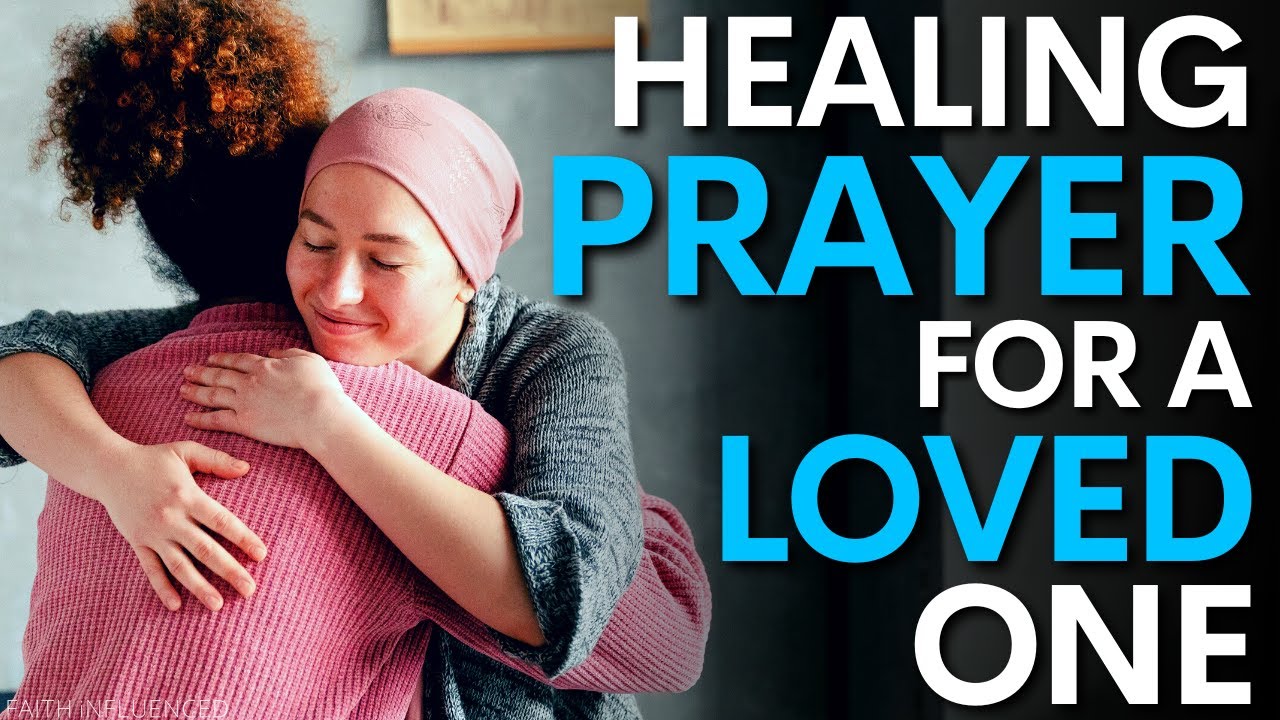
Prayer for the sick people: a compassionate guide to comfort, hope and healing
When someone we love is unwell, many of us instinctively turn to prayer for the sick people as a way to offer comfort, express care, and find our own sense of steadiness. However you understand prayer—whether as a conversation with God, a mindful intention, or a moment of focused compassion—it can bring reassurance, meaning, and a sense of connection in difficult times. This guide explains what prayer for the sick people involves, why it matters, and how to practise it thoughtfully, with examples, practical tips, and common pitfalls to avoid.
While the language and traditions may differ across faiths and cultures, the heart of praying for those who are unwell is remarkably similar: to ask for healing, to uphold dignity, and to surround people with love. Below, you will find structured steps, short model prayers, and advice for individuals, families and communities who want to offer support with kindness and respect.
What is prayer for the sick people?
Prayer for the sick people is a thoughtful, intentional act of asking for help, comfort or healing for those facing illness, injury, or fragility. In many Christian traditions it is called intercessory prayer. Other religions and spiritual paths have their own forms, from Buddhist metta (loving-kindness) to Islamic du’a to Jewish mi shebeirach. Some people who are not religious also find value in a quiet moment of focused goodwill or a compassionate intention directed towards someone who is unwell.
At its best, prayer for the sick people recognises the person behind the diagnosis. It supports the whole person—body, mind and spirit—without replacing responsible medical care. It can be offered privately, shared with close friends and family, or spoken aloud in a faith community, hospital chapel, or at home.

Why prayer for the sick people matters
Prayer can help ill people and their loved ones feel less alone. It provides language for hope, a framework for gratitude amidst hardship, and a way to express care when words are hard to find. Even when health outcomes are uncertain, the act of praying can calm anxiety, encourage resilience, and strengthen relationships. Many people also report that it helps them make sense of suffering and holds space for sorrow without losing sight of dignity and meaning.
Importantly, prayer for the sick people should sit alongside, not replace, good medical support. In the UK, person-centred care is emphasised across services. For example, the NHS sets out practical, compassionate approaches to end-of-life and palliative care that families may find helpful to read alongside prayer and pastoral support: NHS guidance on end of life care.
Core principles for thoughtful prayer
Start with consent and respect
Before offering prayer for the sick people, ask permission. Respect the person’s beliefs and boundaries. Some may appreciate a prayer spoken aloud; others prefer a silent intention or a written message they can read in their own time.
Be compassionate and specific
Short, sincere words are enough. If you know the person’s situation, you can gently include details without oversharing. Focus on comfort, courage, skilled care, and peace, rather than only on outcomes.
Hold hope without pressure
Hope matters, but avoid implying that recovery depends on a person’s faith or effort. Prayer for the sick people should never add spiritual pressure or guilt.
Combine prayer with practical care
Bring a meal, offer a lift, help with childcare, or sit quietly in companionship. Practical support and prayer belong together.
Protect privacy
If sharing a prayer request, check what is appropriate to share. Respect confidentiality, especially on social media or in group settings.
How to lead prayer for the sick people: step by step
- Prepare your heart: Take a breath, become present, and set a gentle intention to care for the person who is unwell.
- Begin with gratitude: Acknowledge what is good—skilled clinicians, supportive friends, small moments of relief.
- Name the person: If appropriate, say their name and, with permission, a brief description of their situation.
- Ask simply: Request comfort, strength, wisdom for carers, and clarity for decisions. Keep it short and sincere.
- Invite peace: Ask for calm during treatment, rest at night, and hope that is kind and realistic.
- Close gently: A simple “Amen”, “Let it be so”, or a short silence is enough.
For communal settings, consider including a moment of silence so people can pray in their own words. You might also offer an optional response such as, “God of compassion, hear our prayer.”
Short examples of prayer for the sick people
A simple, general prayer
God of compassion, hold [Name] in your care today. Bring relief from pain, courage for the next step, and wisdom to those who treat them. Give peace to [Name] and to those who love them. Amen.
For medical teams
Gracious God, bless the hands, minds and hearts of all who care for [Name]. Grant insight, patience, and skill. Sustain them through long hours and complex choices. Amen.
When words are few
Holy One, be near. Be light in darkness, calm in fear, and rest in weariness for [Name]. Amen.
Interfaith-friendly wording
Source of life, surround [Name] with strength and calm. May those who care for them have clarity and kindness. May healing and comfort be close. Amen.
For families and carers
God of mercy, uphold this family as they support [Name]. Give them patience, gentleness, and the rest they need. Help them to feel your love in each small step. Amen.
For chronic illness
God who stays, be present with [Name] in the long days of treatment and limitation. Bring moments of relief, trusted companions, and a steady hope. Amen.
For end-of-life peace
God of tenderness, grant [Name] comfort and dignity. Calm fear, soothe pain, and hold them in love. Be close to those who keep vigil. Amen.
Bible verses and traditional words often used in prayer for the sick people
Many people find strength in familiar texts. Some widely used lines include:
- Psalm 23: “The Lord is my shepherd… you are with me.”
- Psalm 46: “God is our refuge and strength, a very present help in trouble.”
- Matthew 11:28: “Come to me, all you who are weary… and I will give you rest.”
- James 5:14–15: Encouragement to pray for the sick and seek anointing.
For a range of ready-to-use prayers, the Church of England offers a helpful collection: Church of England prayers for the sick and those who care for them.
Common mistakes in prayer for the sick people
- Making promises you cannot control: Avoid implying guaranteed cures or that enough faith will ensure a specific outcome.
- Oversharing details: Share only with permission, and only what is necessary for others to pray well.
- Using blame-tinged language: Steer clear of wording that suggests illness is a punishment.
- Monopolising the moment: Keep it concise. Good prayer is not a speech.
- Forgetting practical help: Prayer for the sick people is most authentic when paired with tangible acts of kindness.
Group and church settings: leading communal prayer for the sick people
In a service or small group, balance warmth with sensitivity. Use first names only with permission, and avoid identifiable details if the gathering includes people who do not know the person well. Consider lighting a candle, allowing a minute of silence, or inviting people to write names on cards that are placed in a bowl of prayer. If your tradition includes anointing with oil, see a reputable overview such as Anointing of the Sick for context and historical background, and always follow your denomination’s guidance.
Community life also shapes how we care. Jesus’ call to be a gracious presence in the world inspires practical support as well as prayer; for a thoughtful reflection, see the meaning of “salt of the earth” and consider how everyday kindness can sustain people during illness.
Supporting children and families with prayer for the sick people
Children benefit from simple, honest language. You might say: “Grandad is poorly, and we’re asking God to help him and keep him comfy.” Keep prayers short and concrete—asking for good sleep, kind doctors, and small joys. Encourage children to draw or write a simple prayer and place it somewhere special at home.
Families often lean on godparents and wider community in times of illness. If you are exploring support roles, this overview of what a godfather does explains how sponsors can encourage faith and practical care across a child’s life—a reminder that support during sickness is a shared responsibility.
Integrating prayer with medical care
Prayer for the sick people can complement medical treatment by reducing stress and strengthening supportive relationships. Always encourage adherence to clinical advice and appointments. Where palliative care is involved, resources such as the WHO fact sheet on palliative care help families understand aims and options. Clergy, chaplains and faith leaders can work alongside clinicians to provide holistic care, especially when navigating complex decisions or anticipatory grief.
Crafting your own words for prayer for the sick people
Many people prefer words that fit their voice. A simple structure can help:
- Address: “Loving God” or “Source of life”.
- Gratitude: One specific thank-you (e.g., “for today’s good news from the nurse”).
- Ask: One or two clear requests (comfort, courage, wisdom, rest).
- Hope: Acknowledge uncertainty; ask for peace in the waiting.
- Close: “Amen” or a moment of silence.
Keep it brief, sincere and kind. If you are writing a card, a few lines are usually enough. If you are visiting someone in hospital, ask if they would like you to pray there and then, or to keep them in your prayers later.
When prayer feels difficult
Illness can leave people exhausted or angry; prayer for the sick people may feel hard. It is acceptable to sit in silence, to say “I do not know what to pray,” or simply “Be near.” In Christian tradition, the Lord’s Prayer is often used when words won’t come. In other contexts, a few quiet breaths with a compassionate intention can be equally meaningful. Grief, frustration and fear can be part of honest prayer.
Examples for specific situations
Before surgery
God of all wisdom, steady [Name] and guide the surgical team. May the procedure go smoothly, recovery be protected, and comfort be close. Amen.
During chemotherapy or long treatment
Faithful God, strengthen [Name] through each stage of treatment. Ease side effects, guard their mental health, and provide good rest. Surround them with patient companions. Amen.
For mental health challenges
God of kindness, bring clarity and calm to [Name]. Ease anxiety, lift low mood, and connect them with people who understand. Give them patience with themselves. Amen.
Etiquette and language tips for prayer for the sick people
- Ask first: “Would you like me to pray with you now, or later on my own?”
- Use person-first language: “person living with cancer” rather than defining them by the diagnosis.
- Avoid clichés: Steer clear of phrases that minimise pain or rush people to feel positive.
- Follow up: A short message the next day can mean a lot.
Recommended external resources
- Church of England: prayers for the sick and those who care – sample prayers and liturgical resources.
- NHS: end of life care overview – clear guidance on support, choices, and services.
- World Health Organization: palliative care fact sheet – aims and principles of holistic care.
- Wikipedia: Anointing of the Sick – background on a widely practised Christian rite.
Frequently asked questions about prayer for the sick people
What should I say if I feel nervous about praying?
Keep it simple. One or two sentences are enough: thank God for the person, ask for comfort and strength, and close with “Amen.” If you are not religious, you can express a mindful intention of care in your own words.
Is it okay to pray for healing while also accepting uncertainty?
Yes. Many people pray for recovery while acknowledging that outcomes are not guaranteed. Honest prayer can hold hope and uncertainty together without pressure or blame.
How long should a bedside prayer be?
Usually under a minute. Short prayers respect the person’s energy and the hospital environment. You can always say you will keep praying for them afterwards.
Can I share someone’s situation with a prayer group?
Only with permission. Confirm what you may share and with whom. Keep details minimal and avoid identifying information if the person prefers privacy.
What if our beliefs differ?
Offer prayer for the sick people in a way that respects their beliefs. You could say, “I’m holding you in prayer in the way I know,” or offer a quiet moment of goodwill if explicit prayer would be uncomfortable for them.
Does prayer replace medical care?
No. Prayer can support well-being, but it should never replace professional assessment, treatment or medication. Encourage appointments and follow clinicians’ advice.
Conclusion on prayer for the sick people
At its core, prayer for the sick people is an act of love. It brings calm to anxious moments, language to voiceless fears, and solidarity to those who feel alone. Whether you use ancient prayers, your own words, or a quiet intention, the aim is the same: to uphold dignity, invite peace, and ask for skilled, compassionate care.
Use simple, respectful language; seek consent; and keep practical support close at hand. Draw on trusted resources, from local faith leaders to national health guidance, and remember that honest hope can coexist with uncertainty. Let prayer for the sick people be steady, kind and real—rooted in care that listens as well as speaks.
If you take one thing away, let it be this: small, sincere prayers—offered thoughtfully and paired with everyday acts of help—can make a real difference for those who are unwell and for the people who love them.
