Prayer for the sick and family: 7 essential prayers—complete guide
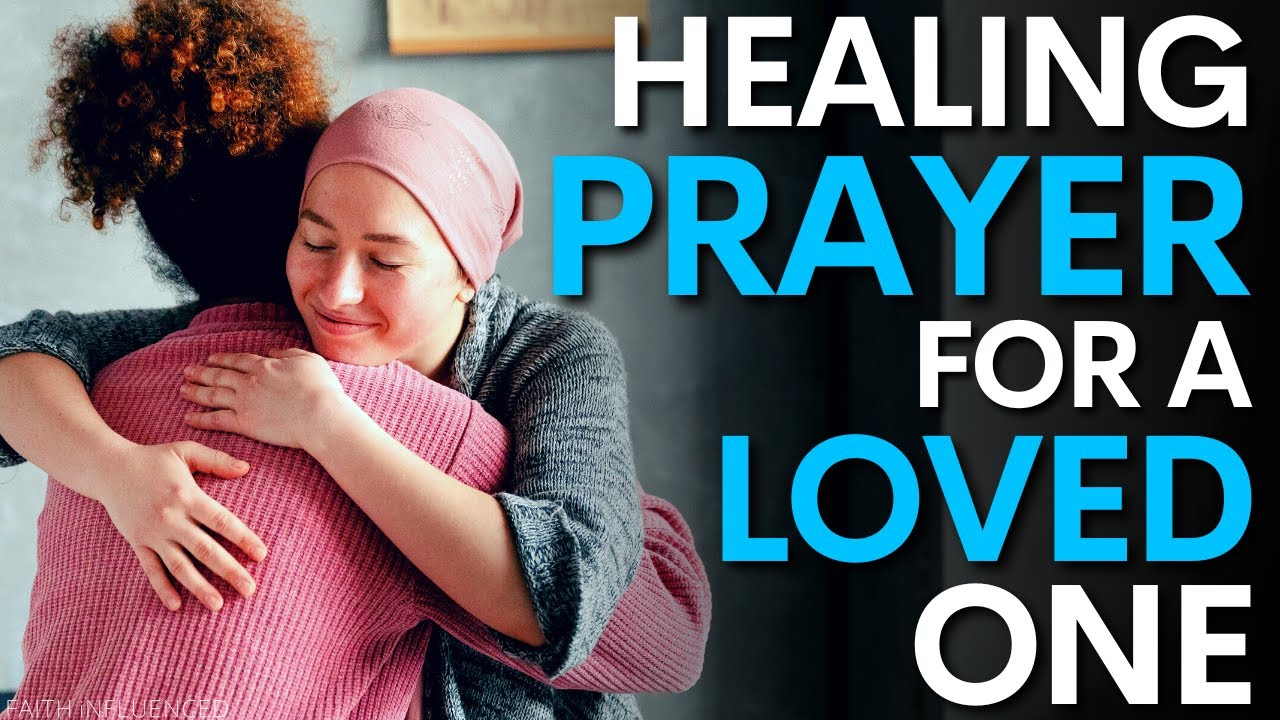
Prayer for the sick and family
When illness enters a home, it affects everyone. A thoughtful prayer for the sick and family can provide calm, solidarity, and hope during uncertain times. Whether you are religious, spiritual, or simply open to reflection, prayer can be a compassionate way to support a loved one’s well-being and to hold a family together through difficulty.
This guide explores what a prayer for the sick and family is, why it matters, and how to approach it with sensitivity. You will find practical steps, gentle sample prayers, and tips that respect different traditions and personal beliefs. The aim is not to replace medical care or professional advice, but to offer a complementary, human way of expressing love, concern, and resilience.
What is prayer for the sick and family?
At its simplest, a prayer for the sick and family is the act of setting aside a moment to speak from the heart—aloud or silently—on behalf of someone who is unwell and the relatives supporting them. For many, prayer is directed to God; for others, it is a reflective pause, an intention, or a mindful practice that gathers strength and courage for the road ahead.
People often turn to a prayer for the sick and family because it creates a shared focus on care and comfort. It can be a daily habit, a one-off gathering before treatment, or a regular rhythm during long-term illness. Depending on your tradition, it might include scripture, silence, music, or simply a few honest sentences spoken together.


Importantly, prayer is inclusive. A prayer for the sick and family can be adapted across Christian denominations and other faiths, and it can be approached in a non-religious way by framing it as a moment of gratitude, hope, and encouragement. The central idea remains the same: to hold the person who is ill in kindness and to support the family around them.
The spiritual and emotional purpose
Spiritually, prayer is a way of expressing reliance on something larger than ourselves. Emotionally, it can de-stress the mind, remind a family of its shared values, and reduce the sense of isolation that often accompanies illness. A structured time of reflection helps people articulate what is hard to say and reassures the person who is ill that they are not facing it alone.
Inclusivity across traditions
Different traditions bring varied expressions—anointing with oil, lighting a candle, reading a psalm, or simply resting in silence. If your family includes people of different beliefs, agree in advance on language that feels respectful to each person. A prayer for the sick and family is most powerful when everyone feels safe and heard.
Why prayer for the sick and family matters
Illness can disrupt routines, strain relationships, and challenge emotions. A consistent prayer for the sick and family can anchor the day. It offers a sense of stability and purpose, even when circumstances are unpredictable. It also gives family members a constructive way to channel worry, reducing the buildup of unspoken fear or guilt.
Benefits for the person who is ill
- Comfort and reassurance that others are standing with them.
- A focus on hope, gratitude, and small daily wins during treatment or recovery.
- A practical rhythm—such as a short evening prayer—that becomes part of a healing routine.
Benefits for caregivers and relatives
- A shared language for concern and love, reducing misunderstandings.
- Permission to pause and breathe, even when care duties feel relentless.
- Opportunities to involve wider family or close friends, strengthening support networks.
Used sensitively, prayer encourages empathy. It can also guide helpful action. After a prayer for the sick and family, many people feel more focused on what to do next—making a meal rota, organising transport to appointments, or simply making time to sit together.
How to lead a prayer for the sick and family
Leading a prayer for the sick and family does not require special training. The key is to keep it warm, simple, and honest. Here is a practical, flexible approach you can adapt to your situation.
Preparing the space and time
- Agree a time that suits the person who is unwell—energy levels vary throughout the day.
- Choose a quiet, comfortable spot. A living room, bedside, or even a garden bench can all work.
- Keep the gathering short. Five minutes is often enough, especially when someone is fatigued.
- Invite participation. Let people read, sit in silence, or simply listen—no pressure.
A simple structure for group prayer
- Welcome: One person sets a calm tone and briefly states the purpose.
- Gratitude: Name a few things you appreciate today, however small.
- Petition: Ask for strength, comfort, wisdom for clinicians, and peace for the household.
- Specifics: Mention upcoming treatments, pain management, or a practical need.
- Blessing: Offer a short closing sentence or silence to conclude.
You might draw inspiration from familiar phrases. For example, reflecting together on the meaning of “you are the salt of the earth” can encourage family members to bring steadiness and kindness to daily life, especially during illness.
Respecting medical care and safeguarding
Prayer and medical care are partners, not competitors. Keep medically accurate expectations, follow doctors’ advice, and never substitute prayer for treatment. If you are in hospital, you can request spiritual care. See the NHS information on NHS chaplaincy services for multi-faith support, whether you are a patient or a family member. For broader context on serious illness and comfort-focused care, the WHO overview of palliative care is helpful.
Sample wording: prayer for the sick and family
Use these examples as starting points. Adapt names, beliefs, and details to fit your situation. There is no single “right” prayer for the sick and family—sincerity matters more than perfect words.
Short prayer for immediate comfort
“God of compassion, hold [Name] in your care today. Ease pain, quiet worry, and bring calm to this room. Give us, their family, patience and gentleness. Guide those who treat [Name], and help us notice each small sign of strength. Amen.”
Prayer during hospital visits
“Loving God, we entrust [Name] to your kindness. Thank you for the skill of nurses and doctors. We ask for clarity in decisions, rest between procedures, and steady recovery. Keep our family united, speaking kindly and supporting one another. Let hope take root here. Amen.”
Prayer for carers and siblings
“Source of strength, bless those who care day and night—parents, partners, children, and friends. When we feel weary, renew us. When we forget ourselves, remind us to rest. Hold siblings who are worried or confused; give them comfort and good friends to listen. May our home be a place of peace. Amen.”
Prayer for long-term illness
“Faithful God, we ask for endurance in what is ongoing and hard. Give [Name] steady courage for today’s tasks and freedom from fear about tomorrow. Teach us to pace ourselves, to accept help, and to celebrate small improvements. Knit our family together in patience and hope. Amen.”
Prayer for a child who is unwell
“Gentle God, be close to [Name], your little one. Calm their body, soothe their fears, and surround them with people who know how to help. Give their family strength, rest, and moments of delight even now. May love be the loudest voice in our home. Amen.”
Prayer when you don’t know what to say
“God, you know our needs before we speak. We are tired and worried. Sit with us in this silence and carry us when we cannot carry ourselves. Help us to find the next right step. Amen.”
If your family includes godparents or close family friends in a mentoring role, consider inviting them to participate. This brief overview of the role of a godfather may help frame supportive involvement with sensitivity and respect.
Common mistakes to avoid in prayer for the sick and family
- Over-promising outcomes: Avoid implying that a specific result is guaranteed. Focus on presence, courage, and care.
- Lengthy gatherings: Keep it brief, especially if someone is fatigued or in pain.
- Speaking for others: Offer space for silence; do not pressure anyone to pray aloud or agree with your wording.
- Ignoring practical needs: Let prayer lead to action—meals, rest breaks, and transport help.
- Using insensitive language: Avoid blaming or suggesting that illness reflects a lack of faith.
- Forgetting consent: Always check with the person who is ill before organising a group prayer. Their comfort is paramount.
Done well, a prayer for the sick and family is gentle, inclusive, and rooted in care. It respects the person’s boundaries and honours the reality of the situation.
Blending prayer for the sick and family with daily routines
Many people find it helpful to build a small rhythm. For example, a one-minute morning prayer, a short evening reflection, and a weekly moment to name specific needs. You might place a simple card with your chosen words near the kettle or by the bedside. Small rituals—lighting a candle, playing soft music, or pausing for silence—can signal that this is time to be fully present.
If you appreciate scriptural themes that inspire everyday goodness, reflecting on the meaning of “you are the salt of the earth” can reinforce the idea that quiet acts of love preserve and strengthen family life, especially during illness.
Recommended external resources
- Church of England prayers for the sick – a selection of established prayers you can adapt for various situations.
- NHS chaplaincy services – information on multi-faith support available in hospitals across the UK.
- WHO overview of palliative care – helpful background on comfort-focused care during serious illness.
- Marie Curie guidance on spiritual support – practical ideas for spiritual care at home or in hospital.
Related articles
Frequently asked questions about prayer for the sick and family
How long should a family prayer last?
Short is usually best—between one and five minutes—especially if someone is in pain or fatigued. You can always have several brief moments across the day rather than one lengthy gathering.
What if family members have different beliefs?
Agree on inclusive language beforehand and keep the focus on support, hope, and care. You can include space for silence so each person can reflect or pray in their own way. The goal of a prayer for the sick and family is unity, not uniformity.
Is it appropriate to pray in hospital?
Yes, provided the person who is ill is comfortable with it and clinical care is not interrupted. Keep it quiet and brief. Hospital chaplaincy teams can also assist with multi-faith support.
Can children take part?
Yes, in simple ways that suit their age. Invite them to share what they are thankful for or to say a short line like “Help [Name] feel better.” Always provide reassurance and keep expectations gentle and age-appropriate.
What should I do if I feel emotional while praying?
It is natural to feel emotional. Pause, breathe, or sit in silence for a few moments. Tears can be part of healing. A prayer for the sick and family does not have to be perfectly composed—authenticity matters more than polished words.
How often should we pray together?
Choose a sustainable frequency—daily, a few times a week, or before key appointments. Consistency often helps, but flexibility is equally important when dealing with changing energy levels and medical schedules.
Conclusion on prayer for the sick and family
Illness touches the whole household. A genuine prayer for the sick and family offers comfort, perspective, and togetherness. It does not need to be long or complicated. A few sincere words—anchored in kindness and backed by practical support—can make a real difference to morale and connection.
Approach each moment with care: focus on hope, avoid pressure, and respect the wishes of the person who is unwell. Remember that medical care and spiritual care are complementary. Seek professional support when needed, and use prayer as a steady way to express love and courage during hard days.
By adopting a simple rhythm, inviting participation, and keeping language inclusive, your prayer for the sick and family can become a gentle thread that holds the family together—one small, faithful step at a time.
