Prayer for sick person in english: 10 essential, practical prayers
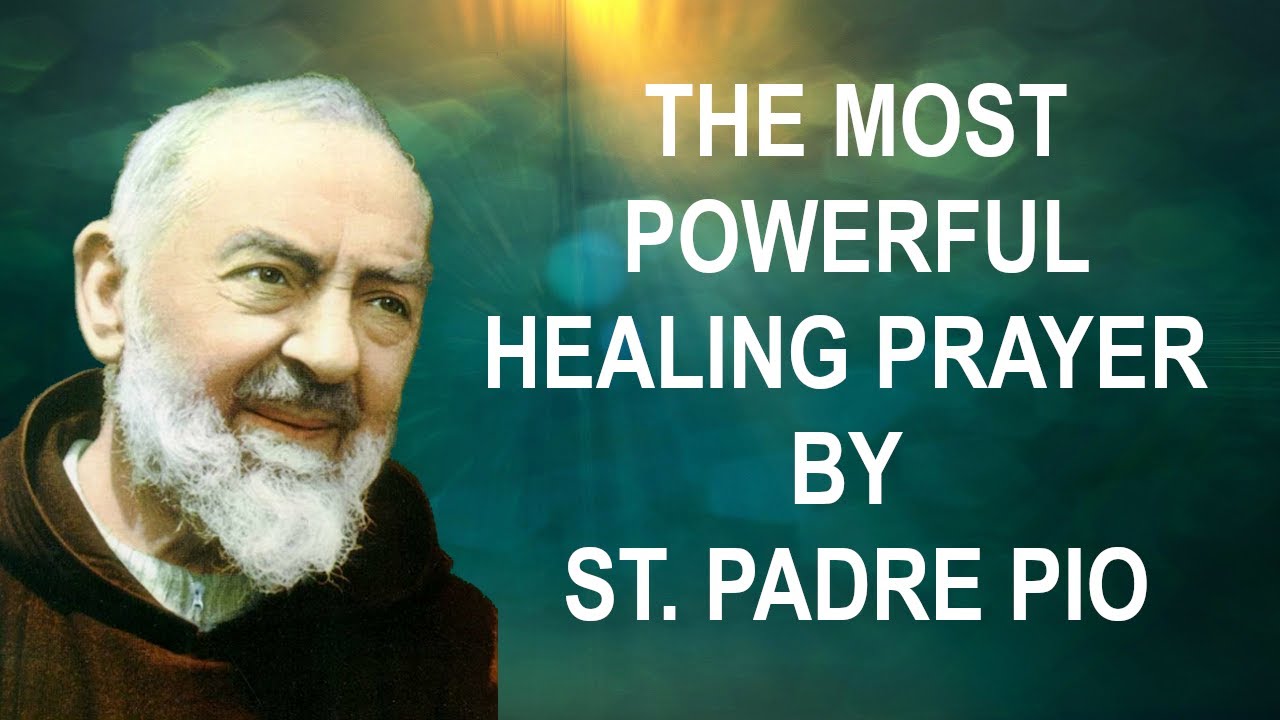
Prayer for sick person in english: compassionate words and practical guidance
When someone we love is unwell, finding the right words can feel daunting. A simple and sincere prayer for sick person in english can offer comfort, hope, and connection—whether you are at the bedside, on the phone, or sending a message from afar. This guide will help you understand what such a prayer is, how to shape your words with warmth and clarity, and how to pray respectfully for people of different beliefs.
Below you’ll find principles, examples, and practical tips for crafting a prayer for sick person in english that is thoughtful and compassionate. You’ll also discover how to avoid common mistakes, use short Bible verses if appropriate, and adapt your language for hospital settings, chronic illness, and children.
What is a prayer for sick person in english?
A prayer for sick person in english is a spoken or written address to God (or, for some, a reflective message of hope) asking for healing, comfort, and strength for someone who is ill. While many traditions include set forms of prayer, there is no single “correct” wording. The heart of the prayer matters most: empathy, sincerity, and a focus on the person’s wellbeing.
People use a prayer for sick person in english to express care, to seek peace in uncertainty, to ask for wisdom for medical teams, and to affirm dignity and hope. Whether religious or simply reflective, the act of pausing, naming the need, and speaking words of kindness can itself be deeply healing.


Core principles of a helpful bedside prayer
Before you begin, it helps to keep a few principles in mind.
- Keep it short. Ill people tire easily. A gentle prayer of 30–90 seconds is often enough.
- Be specific but sensitive. Name the person, the situation, and simple hopes (e.g., restful nights, steady recovery). Avoid medical detail unless invited.
- Comfort over certainty. Focus on comfort, presence, courage, and wise care rather than promising outcomes you cannot know.
- Use everyday English. A prayer for sick person in english should be clear and human, not formal or overly poetic unless that style helps the person.
- Respect their beliefs. Ask permission before praying aloud. If they are of a different faith—or none—adapt your language to what is meaningful for them.
- Include caregivers. Briefly pray for family and clinicians, acknowledging their skill and fatigue.
- Offer follow-up. If appropriate, end by asking if they’d like you to check in again or keep praying.
How to write a simple prayer for sick person in english
You do not need to be a poet or theologian to write a heartfelt prayer for sick person in english. A few guiding steps will help you shape words that feel personal and kind.
A five-step structure you can trust
- Address: Begin simply: “God,” “Loving God,” “Heavenly Father,” or “Lord, have mercy.” If praying with someone who prefers non-religious language, try: “God of love and peace,” or “Source of all comfort.”
- Thanks: Express brief gratitude—for the person’s life, the care team, a good sign today, or the strength they’ve shown.
- Ask: Name the request: relief from pain, calm in anxiety, wisdom for decisions, and healing in body, mind, and spirit.
- Trust: Acknowledge uncertainty while entrusting the person to God’s care. Words like “Be near,” “We trust your goodness,” or “Hold them in your peace” are gentle and honest.
- Close: End with “Amen,” or with a simple statement like “We hold these hopes before you.”
Applied to a prayer for sick person in english, this structure keeps you grounded and avoids rambling. It also works well for group settings or written cards.
Example prayers for different situations
Below are sample wordings you can adapt. Each example keeps the tone simple, compassionate, and realistic.
Short daily prayer for healing
“Loving God, thank you for [Name]. Bring calm to their mind, ease to their body, and strength for today. Guide the hands and wisdom of all who care for them. Surround them with your peace and steady their recovery. Amen.”
Before surgery or a procedure
“God of mercy, be close to [Name] as they face this operation. Give courage in fear, rest in waiting, and skill to the surgical team. Guard them through the procedure and grant safe recovery. Hold their loved ones in assurance and hope. Amen.”
Chronic illness or long recovery
“Faithful God, in long days and slow steps, strengthen [Name]. When pain rises, bring relief; when hope dips, renew it. Provide patient care, wise treatment, and companions who understand. Let small gains build into lasting health. Amen.”
For a child who is unwell
“Gentle God, draw near to [Name]. Comfort their worries and ease their body. Give patience and courage to their family, and wisdom to doctors and nurses. Fill this room with kindness, playfulness, and peace. Amen.”
When you can’t be there in person: a text or message
“Holding you in prayer today, [Name]—asking God to bring rest, relief, and bright moments of hope. You’re not alone. Amen.”
This concise format is ideal when sending a prayer for sick person in english by text, email, or card, especially when energy is low.
For anxiety and sleeplessness
“God of peace, quieten [Name]’s thoughts and guard their rest. Ease the tension in body and mind. Let night bring comfort and morning bring new strength. Amen.”
End-of-life comfort
“Compassionate God, be tender with [Name] in this time. Ease pain, soften fear, and fill these days with love, reconciliation, and peace. Hold their family in your care and keep vigil with them in hope. Amen.”
Using scripture and tradition wisely
If the person welcomes it, a short line of scripture can enrich a prayer for sick person in english. Select verses that emphasise presence, courage, and peace rather than triumphalism. For example, “The Lord is my shepherd; I shall not want” (Psalm 23) or “My peace I give to you” (John 14:27). Quote briefly; the aim is comfort, not a sermon.
Traditional prayers, such as the Lord’s Prayer, can be soothing due to their familiarity. In a hospital or hospice, ask if the person would like to say a line with you, and move slowly. Familiar rhythms help when concentration is limited.
Praying with people of different beliefs
A respectful prayer for sick person in english begins with consent. Ask, “Would you like me to pray for you?” Accept “no” graciously, and consider a neutral alternative such as, “I’m keeping you in my thoughts,” or, “I’m wishing you peace and strength.” If they prefer a different religious address (e.g., “Compassionate Creator”), use language that honours their tradition while staying sincere.
Remember, the goal is care. Even when beliefs differ, simple hopes—relief from pain, calm in fear, gratitude for good care—remain meaningful and unifying.
Common mistakes to avoid
- Overpromising. Avoid guarantees like “You will be healed by tomorrow.” Instead, focus on presence, courage, and wise care.
- Lengthy speeches. A prayer for sick person in english that is brief and clear is kinder than one that exhausts the listener.
- Blaming language. Never imply illness is a punishment or a test they must pass. Suffering needs compassion, not explanation.
- Centred on you. Keep the person and their needs centre-stage. This is not the time for your story unless they invite it.
- Medical detail. Resist summarising diagnosis or speculating about treatment. Pray for wisdom and care; leave specifics to clinicians.
Practical tips for hospital or home visits
- Ask first. “Would now be a good time for a short prayer?” Consent matters.
- Mind the space. In shared wards, keep your voice low and your prayer modest in length.
- Touch with permission. If appropriate, ask if you may hold a hand. Otherwise, remain close and attentive.
- Use names wisely. Naming the person and maybe one or two carers (e.g., “the nurses on this ward”) personalises your prayer for sick person in english.
- Offer ongoing care. Conclude with a simple, “Would you like me to keep praying?” and honour their answer.
Adapting tone and language
The best prayer for sick person in english fits the person’s context:
- For pain: Emphasise relief, rest, and gentleness.
- For fear: Emphasise presence, courage, and peace.
- For loneliness: Emphasise companionship, love, and connection.
- For complex treatment: Emphasise wisdom, steady progress, and skilled hands.
In all cases, avoid jargon. Words like “comfort,” “steadiness,” “peace,” and “strength” are universally understandable and appropriate for a prayer for sick person in english.
When you’re not sure what to say
Silence can be a gift. You might begin, “I don’t have many words, but may I offer a short prayer for sick person in english?” If they agree, say a few lines—then pause. Let the quiet uphold the moment. If tears come, allow them; they, too, are a kind of prayer.
Supporting the wider circle
Illness strains relationships, finances, and emotions. Consider including family and carers in your prayer for sick person in english. Ask for strength for spouses, patience for parents, and resilience for friends. You might also pray for wise decisions, good communication with doctors, and practical help at home.
Praying in this wider way reflects the broader Christian call to be a positive presence in the world. If you’re exploring what that looks like in everyday life, you may find this short reflection helpful: living as “salt of the earth”.
Writing your own words: a quick template
Here’s a capsule template you can adapt on the spot for a prayer for sick person in english:
- Address: “Loving God,”
- Thanks: “Thank you for [Name] and for those who care for them.”
- Ask: “Please bring relief from pain, courage in fear, and wisdom for treatment.”
- Trust: “Be near to [Name] today and keep them in your peace.”
- Close: “Amen.”
Small adjustments help the same structure suit different faith backgrounds. For example, replace “Loving God” with “God of compassion” or “Source of hope” if that feels more comfortable in context.
Respectful language in mixed-faith families
In some families, grandparents or godparents play a strong supportive role. If you are a godparent wondering how best to support a child through illness, clarity about your role and the promises you made can guide both your prayer and your practical help. For a refresher on what that involves, see this primer on the meaning of being a godfather.
In a mixed-faith gathering, consider offering to pray silently or using inclusive language: “We ask for peace, courage, and good care,” followed by a quiet “Amen” that those who wish can echo.
Recommended external resources
- Church of England: Prayers for the Sick – a collection of short, pastoral prayers suitable for different situations.
- NHS: Visiting someone in hospital – practical guidance to help you support a loved one respectfully and safely.
- Marie Curie: Spiritual care and terminal illness – sensitive advice on spiritual and emotional support at end of life.
- 24-7 Prayer: Help me pray – simple frameworks and ideas for those new to prayer or returning to it.
Frequently asked questions about prayer for sick person in english
How long should a prayer be when someone is ill?
Short is kind. Aim for 30–90 seconds. A gentle prayer for sick person in english that is clear and calm is better than a long one that tires the listener. You can always offer to pray again another time.
What if the person is not religious?
Ask permission and adapt your language. You can still offer hopes for peace, strength, and good care. If religious wording feels uncomfortable to them, use inclusive phrases like “May you have rest, relief, and steady recovery.”
Can I pray for healing without making false promises?
Yes. Focus on presence, courage, and wise care. A thoughtful prayer for sick person in english can ask for healing while acknowledging uncertainty: “Bring the best possible recovery, and hold [Name] in your peace.”
Is it appropriate to include medical details?
Usually not. Keep your prayer general (e.g., “guide the doctors and nurses” and “grant effective treatment”). Avoid sharing private medical information, especially in group settings.
What if emotions rise and I start to cry?
That’s human. Pause, breathe, and continue simply. Tears can make a prayer feel authentic. If needed, shorten your words to a calm closing like, “Hold [Name] in your peace. Amen.”
Should I use traditional prayers or my own words?
Either is fine. Familiar prayers can be greatly comforting, especially if concentration is limited. Your own words make a prayer for sick person in english personal and specific. You can also blend both: a short personal prayer followed by the Lord’s Prayer.
Can I send a prayer by text or card?
Absolutely. A brief, heartfelt message can mean a great deal, especially when energy is low. Keep it short, kind, and free from pressure to reply.
Conclusion on prayer for sick person in english
A caring prayer for sick person in english does not need complex language or firm promises. It needs empathy, clarity, and a focus on the person’s immediate hopes: relief from pain, calm in anxiety, and the steady support of loved ones and skilled clinicians. A few well-chosen words—spoken gently and respectfully—can bring real comfort, even amid uncertainty.
Whether you are at a bedside, writing a card, or sending a message, the simple structure here will help you shape a sincere prayer for sick person in english. Keep it short, keep it kind, and seek consent. If the person welcomes it, a familiar verse or traditional prayer can help, but your own honest words will always have value.
Above all, remember that you are not trying to fix everything; you are bearing witness to care and hope. In this way, every prayer for sick person in english becomes part of the wider web of compassion that sustains people through illness and recovery alike.
