Prayer for a sick person to get better: 5 essential, practical steps
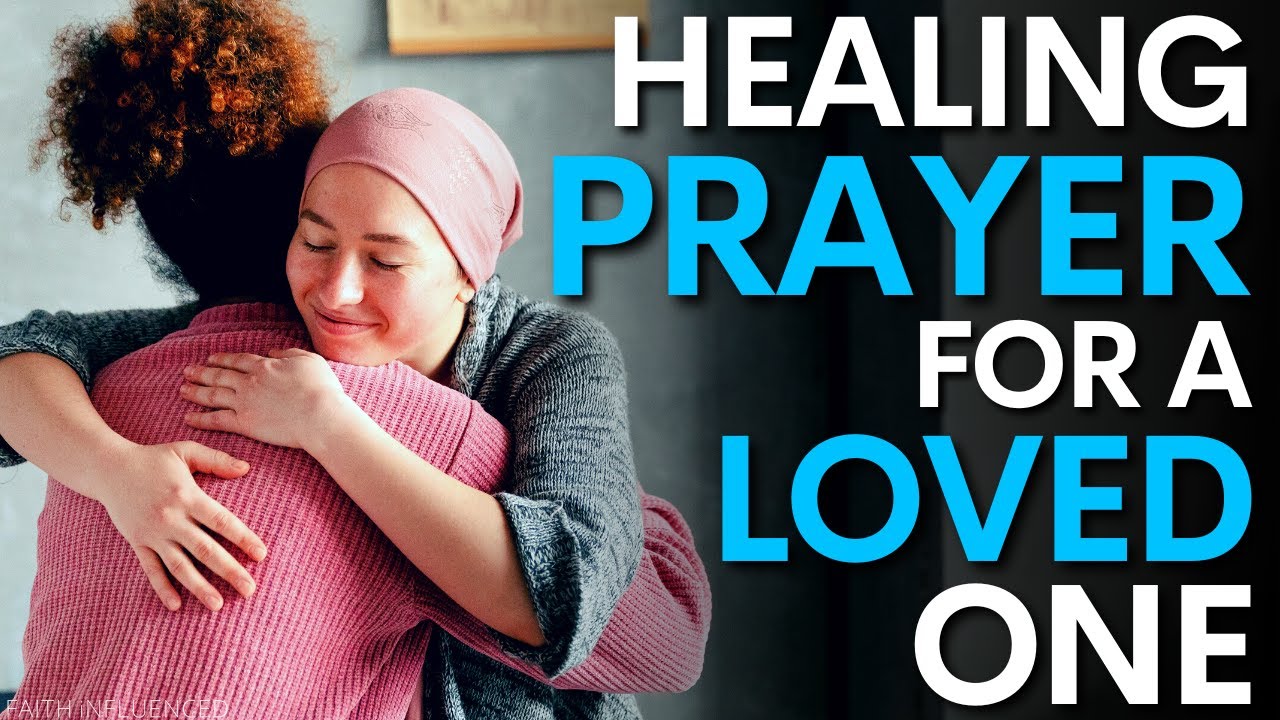
Prayer for a sick person to get better: guidance, examples and compassionate support
Whether you are keeping vigil at a bedside or quietly lighting a candle at home, a prayer for a sick person to get better can be a powerful expression of love, hope and solidarity. Many people find that speaking from the heart brings comfort both to the one who is unwell and to those who care for them. This guide explains how to shape thoughtful words, how to offer them with sensitivity, and how to combine prayer with practical help.
At its best, a prayer for a sick person to get better blends kindness, honesty and trust. You do not need to be a theologian to pray well. You simply need intention, attention and compassion. The ideas below can help you express these in a way that respects your beliefs and the wishes of the person who is ill.
What do we mean by prayer for a sick person to get better?
Put simply, a prayer for a sick person to get better is a spoken or silent appeal for healing, comfort and strength. It may be addressed to God in a specific religious tradition, to a higher power, or phrased as a mindful intention rooted in care and goodwill. Across cultures, people pray in hospitals, homes, places of worship and online communities when someone they love is unwell.
Beyond asking for recovery, a prayer for a sick person to get better often includes gratitude for the person’s life, acknowledgement of their struggle, and support for family, friends and medical teams. It can be a structured text from a prayer book, or a few heartfelt words you compose yourself. In every case, its purpose is to bring presence, peace and courage.

How a prayer for a sick person to get better supports healing
Prayer is not a substitute for medical treatment, but it can sit alongside it. Many people report that saying or receiving a prayer for a sick person to get better helps them feel calmer, less alone and more hopeful. Those feelings can make practical decisions easier, encourage rest, and sustain patience during long treatments.
Compassionate words may also reduce anxiety for loved ones. When relatives and friends feel more settled, they are often better able to offer steady, practical care. If you are visiting someone in hospital, pairing your prayer with good information about ward rules and timings can help your support land well; for guidance, see the NHS page on visiting someone in hospital.
Core elements of an effective prayer for a sick person to get better
There is no single “right” way to pray. Still, certain elements make a prayer for a sick person to get better feel grounded, humane and respectful:
- Name the person. Using their name acknowledges their dignity and uniqueness.
- Be specific but realistic. Mention the situation (for example, an upcoming operation) without making promises you cannot keep.
- Ask for what helps most: healing, relief from pain, wise clinicians, restful sleep, resilience for carers.
- Include gratitude. Thankfulness for small wins can lift spirits.
- Keep it brief. Especially at a bedside, short prayers are considerate and easier to receive.
- Respect consent. Always ask if the person is happy for you to pray with or for them.
- Stay inclusive if needed. When people of different beliefs are present, choose words everyone can embrace.
Step-by-step: writing your own prayer for a sick person to get better
Use these simple steps to shape a prayer for a sick person to get better that feels personal and sincere:
- Pause and breathe. Take a slow breath. Hold the person gently in your mind.
- Address the Divine or your chosen source of hope. This could be “Loving God”, “Merciful One”, “Healer of all”, or “Source of life”. If you prefer a secular tone, open with “With care and hope, I hold [Name] in my heart.”
- Name the person and the need. “We pray for [Name] as they face [treatment/condition].”
- Ask specifically. “Grant skill to those who treat them; bring relief from pain, courage for the day and restful sleep at night.”
- Include others. “Strengthen their family and friends, and help us be steady in our support.”
- Add gratitude and trust. “Thank you for small improvements and for all who care. Keep our hope alive.”
- Close simply. “Amen”, “So be it”, or “With love, we let this prayer rest.”
Short examples you can use or adapt
If you are pressed for time or unsure where to start, these short models can help. Use them as written or as a template to compose your own prayer for a sick person to get better.
A simple Christian prayer
Loving God, we lift up [Name] to you. In your mercy, bring healing to their body, peace to their mind and courage to their spirit. Guide the hands and minds of those who care for them, and strengthen their loved ones. We thank you for every sign of hope. Amen.
An interfaith or inclusive prayer
Source of life and love, hold [Name] in your kindness. Grant relief from pain, clarity for decisions and steady progress towards recovery. May those who support [Name] be patient, wise and compassionate. For every small step forward, we are grateful. So be it.
A secular, mindful intention
With care and hope, I hold [Name] in my thoughts. May they feel supported, may treatments be effective, and may rest come easily. I will show up with patience and kindness, and I am grateful for those who do the same.
For a child
Tender God, please comfort [Name]. Ease their worries, make their body strong again, and fill their days with gentle joys. Be close to those who love them and to everyone looking after them. Amen.
For hospital staff alongside the patient
God of wisdom, bless [Name] and all who care for them today. Grant clear minds, steady hands and compassionate hearts to the team. May [Name] rest well and gain strength. Thank you for the skill and dedication of healthcare workers. Amen.
Before a procedure
Merciful One, we ask for calm for [Name] and skill for those performing this procedure. Bring a good outcome, swift recovery and peace to everyone waiting. We place our trust in your care and in the hands of the team. Amen.
Common mistakes to avoid when offering a prayer for a sick person to get better
Even the most heartfelt intentions can misfire without a little care. When you offer a prayer for a sick person to get better, try to avoid these pitfalls:
- Overpromising. Avoid saying “You’ll be better by Friday” or “This will cure you.” Leave room for uncertainty and for medical realities.
- Centred on yourself. Keep the focus on the person who is unwell, not on your own beliefs or opinions.
- Unwanted preaching. If someone declines prayer, respect that fully. Another form of support may be more welcome.
- Lengthy monologues. In clinical settings, short and gentle is considerate.
- Ignoring professional advice. Prayer complements treatment; it does not replace it. Encourage adherence to medical guidance.
Practical ways to accompany your prayer
Prayer and practical kindness belong together. When you say a prayer for a sick person to get better, ask what small, steady actions you can take as well:
- Offer specific help. Meals, lifts to appointments, childcare or pet care are tangible gifts.
- Agree communication rhythms. Ask how often and by which channel the person wants updates or messages.
- Prepare for visits. Check ward rules and timing to ensure your visit is restful, using the NHS page on visiting someone in hospital.
- Use trusted texts. If you or the person welcome Christian resources, the Church of England provides carefully worded prayers for the sick and those who care for them.
- Look after mental wellbeing. Illness strains minds as well as bodies. For practical tips on supporting someone emotionally, see Mind’s guidance on supporting someone else.
- Connect with chaplaincy. Hospitals usually have multifaith chaplaincy services who can visit, listen and pray on request.
Good words are better when matched by steady presence. You might find it helpful to reflect on ordinary goodness and encouragement—often described as being the “salt of the earth”. For a thoughtful exploration of this phrase, see our article on the meaning of ‘salt of the earth’, and consider how practical generosity can flavour your support day by day.
Sometimes extended family or godparents play a special role when someone is unwell, especially for children. If you are new to this tradition, you may appreciate a clear overview of what a godfather means and how godparents can offer spiritual and practical care alongside parents.
When words are hard to find
In crisis, language can feel out of reach. Here are gentle prompts that can unlock a prayer for a sick person to get better when you feel stuck:
- “I don’t have the right words, but I bring my love and hope for [Name] today.”
- “Hold [Name] close. Bring rest, relief and courage for this hour.”
- “Give wisdom to everyone making decisions and patience to those who wait.”
- “Thank you for those who care and for each small step towards recovery.”
It can help to keep a small notebook of phrases, text messages and blessings. Then, when you come to speak a prayer for a sick person to get better, you have words ready for anxious moments.
Adapting tone and content to the person
A respectful prayer for a sick person to get better reflects the person’s beliefs, personality and wishes. Consider:
- Belief and language. Use names for God or spiritual terms that the person prefers—or keep it inclusive if that feels right.
- Length and timing. Short prayers may be best when the person is tired. Ask what they would like.
- Privacy. Some people prefer silent prayer or for you to pray at home rather than at the bedside.
- Focus. In acute pain, ask for immediate relief; in long-term illness, ask for resilience, good sleep and steady hope.
- Community. If appropriate, invite others to join a chain of quiet support, respecting confidentiality.
Balancing hope and honesty
It is natural to want to fix what hurts. A wise prayer for a sick person to get better holds both hope and honesty. You can ask boldly for recovery while acknowledging fear, frustration and fatigue. Many find it helpful to include lines such as “Be near us when we feel afraid” or “Help us bear what we must, and change what can be changed.”
For broader background on how different traditions understand prayer—as petition, intercession, thanksgiving and presence—the BBC’s overview of Christian prayer practices provides accessible context. Even if your approach is secular, the structure of such prayers can inspire clear, compassionate wording.
Recommended external resources
- Church of England: topical prayers for the sick and carers – Short, sensitive texts you can use or adapt.
- NHS: visiting someone in hospital – Practical guidance for planning visits that truly help.
- Mind: supporting someone else – Tips for emotional support and looking after yourself while caring.
- BBC: what is prayer? – Clear background on prayer’s forms and purposes.
Related articles
Frequently asked questions about prayer for a sick person to get better
Does a prayer for a sick person to get better replace medical treatment?
No. Prayer is a spiritual and emotional support, not a medical intervention. The most compassionate approach is both-and: pray with sincerity, and follow professional advice on diagnosis, treatment and recovery.
What if the person I’m praying for does not share my beliefs?
Ask respectfully what would help. You might offer a moment of quiet, a secular blessing, or a simple message of goodwill. Keep your words inclusive. A gentle, non-religious intention can still bring comfort without imposing on anyone’s beliefs.
How long should a bedside prayer be?
Often, 20–60 seconds is enough at a bedside. People who are unwell may be tired or in pain. You can always pray longer at home. Short, sincere words are more valuable than long speeches.
What if I become emotional or cry while praying?
That is human. Pause, breathe and continue if it feels right, or close simply with “Amen” or “With love, we hold you.” Emotion can communicate care, but keep the focus on the person who is unwell rather than on your own feelings.
Can I text or send a recorded prayer?
Yes, if the person would welcome that. Ask first. A short message such as “Holding you in prayer at 8pm each night for steady strength and good rest” can be uplifting. For recorded messages, keep them brief and gentle.
What should I pray when there is no improvement?
Hold steady. Keep asking for relief, wisdom for clinicians and resilience for the person and their carers. Include honesty: “We are exhausted and afraid—please be near.” Support can also shift towards comfort and presence when cure is uncertain.
Is it appropriate to invite others to join a prayer chain?
Yes, with the person’s consent. Respect privacy and share only what they are happy for others to know. Clear, accurate updates help supporters pray thoughtfully and avoid rumours or pressure.
Conclusion on prayer for a sick person to get better
At heart, a prayer for a sick person to get better is an act of love. It says, “You matter. We are with you.” When those words are careful, compassionate and combined with practical help, they can bring real comfort in hard times. You do not need perfect phrases; you need presence, patience and hope.
As you support someone through illness, keep your prayer simple and sincere. Name what hurts, ask for what helps and give thanks for small mercies. Blend your prayer with practical kindness, sensible information and respect for everyone’s beliefs and boundaries.
Whether you draw on historic texts, inclusive language or a few plain words of your own, a prayer for a sick person to get better can steady hearts and strengthen resolve. May your words—and the love behind them—be a quiet light for the days ahead.
