Pentecost Definition: 5 Key Facts You Must Know Today
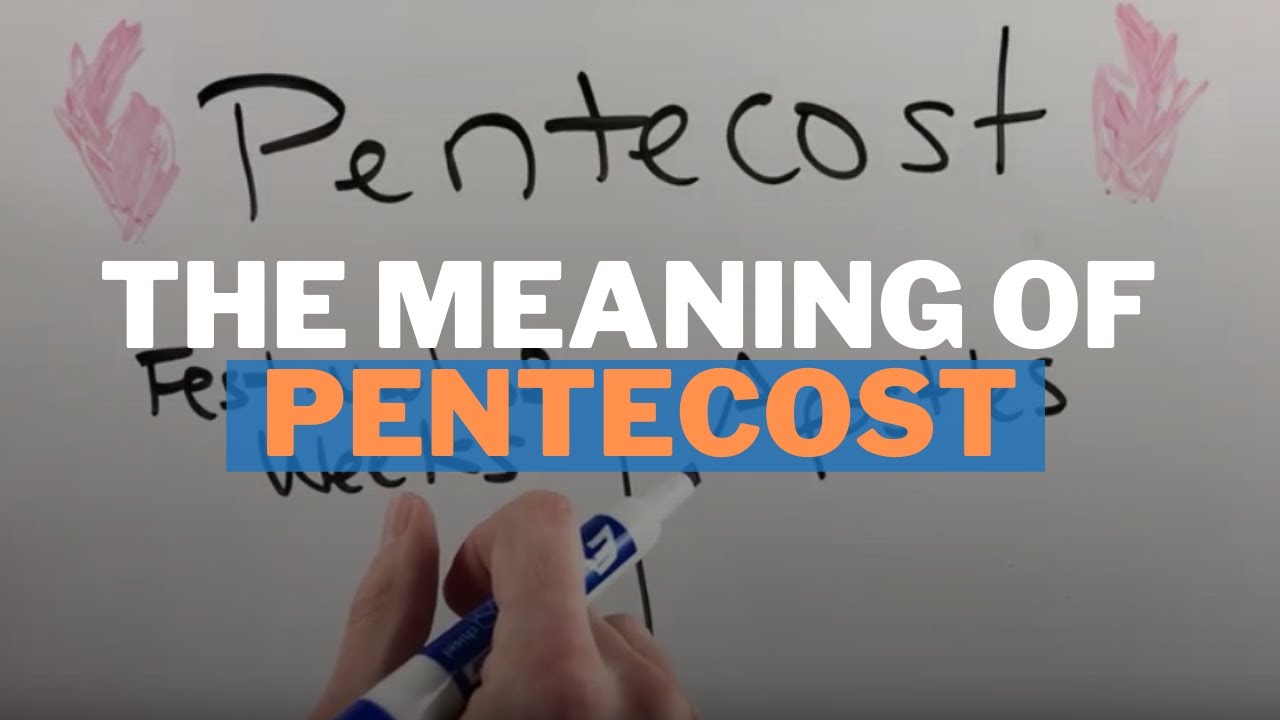
Pentecost Definition: Understanding Its Significance
Have you ever wondered about the origins of Pentecost? This significant event in the Christian calendar marks the descent of the Holy Spirit upon the apostles. 🌟 Often celebrated fifty days after Easter, Pentecost not only commemorates the birth of the Church but also signifies the fulfillment of Jesus’ promise to send the Comforter. By exploring the definition of Pentecost, we delve into its historical context, theological importance, and cultural expressions.
The Historical Context of Pentecost
The term “Pentecost” originates from the Greek word “Pentēkostē,” meaning “fiftieth.” Historically, it refers to the Jewish festival of Shavuot, which celebrates the harvest and commemorates the giving of the Torah at Mount Sinai. This connection highlights the dual significance of Pentecost as both a Jewish and Christian observance. The timing of Pentecost, occurring 50 days after Passover, creates a rich tapestry of religious meaning.
Pentecost in the New Testament
In the book of Acts (Acts 2), the apostles experience a dramatic transformation as the Holy Spirit descends upon them, enabling them to speak in various tongues. This miraculous event symbolizes the beginning of the Church’s mission to spread the Gospel. Here, we see that Pentecost serves as a turning point—a moment that unites diverse cultures through faith. This phenomenon draws comparisons to other religious celebrations, like the Jewish Shavuot, but it stands unique for its emphasis on the Holy Spirit.
The Theological Importance of Pentecost
From a theological perspective, Pentecost signifies the empowerment of believers. The presence of the Holy Spirit acts as a guide, comforter, and enabler for Christians in their daily lives. ✨ Beyond the historical events, it showcases the idea that believers are not alone; they are equipped with divine support to fulfill their spiritual mandates. This empowerment distinguishes Pentecost from other events, like Christmas, which celebrates the birth of Jesus but lacks the active engagement of the Holy Spirit.

Celebrating Pentecost Today
Modern celebrations of Pentecost vary significantly across different Christian denominations. From vibrant church services filled with song and celebration to quiet reflection and prayer, the implications of Pentecost are honored in many ways. In some traditions, red vestments and decorations symbolize the fire of the Holy Spirit, drawing visual parallels to the biblical account of tongues of fire resting upon the apostles. 🔥
The Role of Pentecost in Church Growth
Interestingly, Pentecost is seen as the catalyst for the first significant wave of evangelism in Christianity. The apostles, filled with the Holy Spirit, preached to people from many nations. This aspect illustrates how Pentecost can be leveraged for church growth. By understanding its definition and significance, churches today can create programs and services that resonate with the spirit of evangelism initiated during that historic event.
Complementary Tools to Enhance Understanding of Pentecost
Adding to our understanding of Pentecost, there are various tools, resources, and practices that enrich the experience of this significant event. Here are some effective ways to utilize complementary tools alongside your exploration of Pentecost definition:
- Bible Gateway – Utilize online Bibles to read passages on Pentecost in various translations.
- Blue Letter Bible – Explore biblical commentaries and scholarly articles that provide in-depth insights.
- LDS Perspectives on Pentecost – Gain diverse views and interpretations to widen your understanding.
- Books on Pentecost – Read recommended literature focused on the theological implications of Pentecost.
- YouTube Sermons – Watch sermons and discussions related to Pentecost to engage in a lively, visual dialogue.
- Singing in the Spirit – Engage with music apps to enrich the worship experience during this festive time.
- Faithlife Bible – Download Bible study tools specifically on Pentecost to aid your personal study.
- Book Swapping – Exchange books related to our discussed themes to build community knowledge about Pentecost.
- Kindle Books – Utilize e-readers for accessibility and convenience while reading works on Pentecost.
- Community Gatherings – Attend local gatherings to celebrate and discuss the relevance of Pentecost.
Deep Dives into Complementary Tools
1. Blue Letter Bible
- Provides access to original language texts, aiding deeper scriptural understanding.
- Includes numerous commentaries that offer historical and contextual insights.
- Allows users to take notes and compare scripture passages seamlessly.
- Utilizes tools that link Hebrew and Greek words to their meanings.
2. Community Gatherings
- Facilitates the sharing of personal Pentecost experiences, promoting unity among believers.
- Encourages discussion around modern applications of Pentecost teachings.
- Can initiate local charity events, embodying the spirit of giving from the festival.
- Fosters networking and support, further enhancing community engagement.
How Audience Segmentation Influences Pentecost Experiences
When approaching Pentecost definition, it’s essential to consider how different audience segments interpret its meaning. By adapting messages for children, youth, and adults, churches can enhance engagement. For instance, integrating interactive elements for kids, like crafts, captivates their attention while teaching them about the Holy Spirit.
Developing targeted messages based on age and interest not only amplifies participation but also creates a more personal and memorable experience. When individuals feel connected to the teachings, the impact of Pentecost increases, fostering a deeper commitment to their faith.
The Role of Music and Art in Pentecost Celebrations
Artistic expressions play a vital role in the celebration of Pentecost. Incorporating music, dance, and visual arts into services can convey the spirit of the occasion. 🎶 Many churches see an increase in attendance when they feature musicians and artists who creatively express the themes of Pentecost. This inclination towards visual and auditory engagement sets a vibrant tone in worship settings.
By merging Pentecost definition with music and art, churches can create a multi-sensory experience that resonates deeply with attendees. Opportunities for communal participation, such as group singing or art showcases, can enrich the understanding and significance of this sacred event.
Conclusion
As we reflect on the Pentecost definition and its deep historical and theological significance, it becomes clear that the impact extends far beyond the initial event. The incorporation of various complementary tools enhances our understanding and celebration of Pentecost, thereby fostering community and deeper faith. By embracing different resources and approaches, individuals and communities can cultivate a richer, more meaningful experience during this sacred observance. Whether through music, community gatherings, or resourceful tools, the essence of Pentecost continues to inspire and empower believers today.
Historical Context of Pentecost
**Pentecost** is a significant festival in the Christian calendar, celebrated fifty days after **Easter Sunday**. Its origins can be traced back to the Jewish festival of Shavuot, which commemorates the giving of the Torah at Mount Sinai. ⛰️ During Shavuot, Jewish people celebrate the harvest of the first fruits, which is often associated with gratitude for divine blessings. This historical backdrop is crucial for understanding the transformation of Pentecost from a Jewish celebration into a cornerstone of Christian belief.
The Transformation from Shavuot to Christian Pentecost
As Christianity emerged from Judaism, the significance of Pentecost evolved. **Pentecost** became the moment when the Holy Spirit descended upon the apostles, as recorded in the Book of Acts (Acts 2). This event marked the birth of the Christian Church and the beginning of its global mission. The connection between the Jewish Shavuot and Christian Pentecost highlights the continuity of faith and the fulfillment of religious prophecies.
Understanding the Pentecost Definition
In simple terms, **Pentecost** is defined as the **Christian celebration** of the Holy Spirit’s descent upon the apostles. It is celebrated on the 50th day after Easter and symbolizes the **empowerment of believers** to carry out the message of Christ. Its definition encapsulates a variety of themes, including the **coming of the Holy Spirit**, the gift of tongues, and unity among believers. 🔥
Key Aspects of Pentecost
- The Holy Spirit’s Descent: Considered the critical event during Pentecost, where the apostles spoke in various languages, allowing them to spread the message beyond cultural barriers.
- Empowerment for Ministry: Pentecost equipped the apostles and followers of Jesus with the strength necessary for preaching, teaching, and performing miracles.
- Community Formation: The day symbolizes the formation of a community of believers unified in faith, serving as the foundation for the Church.
Key Differences: Pentecost vs. Other Christian Celebrations
Unlike **Christmas** and **Easter**, which celebrate the birth and resurrection of Jesus Christ, respectively, **Pentecost** focuses on the **empowerment of the Church** through the Holy Spirit. While Christmas emphasizes joy and the arrival of divine hope, and Easter reflects on the victory over death, Pentecost encourages believers to take an active role in spreading that hope. This difference captures the essence of why Pentecost holds a unique and vital place in Christian doctrine.
Complementary Practices During Pentecost
While the core celebration of Pentecost revolves around the events of Acts 2, additional practices enhance the observance. Here are some ideas for activities that align with the Pentecost definition:
- Conducting a prayer service that emphasizes the work of the Holy Spirit.
- Hosting a community outreach program to reflect the spirit of service.
- Engaging in multilingual worship to honor the diversity reflected in the Pentecost event.
- Encouraging sharing personal testimonies to inspire others.
- Using visual symbols, such as flames or dove imagery, to represent the Holy Spirit.
- Organizing a youth event that focuses on the empowerment theme of Pentecost.
- Offering classes or discussions on the importance of the Holy Spirit in personal faith.
- Creating art projects that symbolize the gifts of the Holy Spirit, such as fruits and virtues.
Example 1: Prayer Services
Conducting a prayer service that emphasizes the work of the Holy Spirit invites the participation of individuals across the faith community. Here, participants can seek personal empowerment, reflect on their spiritual gifts, and foster a greater connection to the Church. For instance, integrating elements from Prayer Station can enhance the atmosphere and structure of the event.
Example 2: Community Outreach
Hosting a community outreach program encourages believers to extend the message of love and unity. This practice not only exemplifies the teachings of Pentecost but also helps bridge gaps between different community groups. By connecting this outreach to tools like Eventbrite, congregations can better organize and promote their efforts, reaching a wider audience.
Theoretical Implications of Pentecost
When examining the **Pentecost definition**, one may consider the broader implications of the Holy Spirit’s arrival. This event is often viewed as the **beginning of evangelism** and the spread of Christianity. The empowerment received by the apostles signifies that the early Church was intended to be a dynamic movement rather than a static institution. This understanding can shape how believers engage with their faith today.
Practical Applications of the Pentecost Spirit
The **Pentecost spirit** can inspire various practical applications in contemporary society, such as:
- Volunteering: Use the empowerment of Pentecost to engage with local charitable organizations.
- Mentorship: Encourage church members to mentor younger individuals, passing on spiritual wisdom.
- Community Development: Actively participate in initiatives that promote equality and justice.
Complementary Tools to Enhance Understanding of Pentecost
Beyond the definition, there are tools and services that can enrich the understanding and celebration of **Pentecost**. Here are some complementary tools that can enhance your experience:
- Online Bible Study Platforms such as Bible Gateway.
- Podcasts focused on Christian teachings like Christian Podcast.
- Digital prayer apps that facilitate collective prayers.
- Social media groups for community interaction and sharing experiences.
Complementary Tool 1: Online Bible Study Platforms
Bible Gateway is an online platform that allows users to interact with biblical texts easily:
- Access to multiple translations of the Bible.
- Tools for studying scripture contextually.
- Features for creating custom Bible reading plans.
- Incorporation of commentaries for deeper understanding.
Complementary Tool 2: Digital Prayer Apps
Using digital prayer apps can enhance your spiritual journey, especially during Pentecost. These apps typically offer:
- Community prayer features that connect believers.
- Scheduled reminders for daily prayers.
- Access to a library of prayers and liturgies.
- Tracking spiritual growth and milestones.
Insights on Pentecost and Audience Engagement
Understanding the **Pentecost definition** also ties closely to how the message resonated with different audience segments at that time. The multilingual aspect of Pentecost highlights the inclusivity of the message of Christ and emphasizes the importance of **tailoring messages** to various groups. This becomes crucial in today’s world, where diverse audiences require tailored approaches for effective communication.
Connect and Share: Building Community on Pentecost
Pentecost encourages a sense of belonging and community. By sharing stories and experiences during this celebration, believers can strengthen their communal bonds. Connecting with others online through platforms like Facebook can enhance community engagement, making the spirit of Pentecost live on beyond the church walls. 💬
Final Thoughts on Embracing Pentecost
As you delve deeper into the meaning and celebration of **Pentecost**, remember that it is more than just a day on the calendar; it represents a powerful transformation in the lives of believers. By incorporating complementary tools and engaging actively in community practices, one can fully embrace the richness of this celebration. Whether it’s by studying the Bible online or participating in outreach efforts, the spirit of Pentecost invites all to share in the mission of faith.
Theological Implications of Pentecost
Pentecost Definition: Understanding Its Significance 🎉
Pentecost is a pivotal moment in Christianity, celebrated fifty days after Easter. It commemorates the descent of the Holy Spirit upon the apostles, marking the birth of the Church. This event isn’t just a historical milestone; it holds deep theological implications for believers and signifies a transformative experience. In this article, we’ll explore the definition of Pentecost, its significance, and how various complementary tools can enhance our understanding and experience of this holy day.
Pentecost: What Is It? 📖
The term “Pentecost” comes from the Greek word “pentēkostē,” meaning “the fiftieth.” It refers to the feast that occurs five weeks after Easter Sunday. Originally, Pentecost was also a Jewish harvest festival celebrated to thank God for the harvest. In a Christian context, however, it has come to signify the day when the Holy Spirit was sent to the apostles, as described in the Book of Acts (Acts 2:1-4).
The Significance of Pentecost in Christianity
Celebrated by Christians worldwide, Pentecost represents more than just a historical event. It is recognized as:
- The “Birthday of the Church”: With the Holy Spirit’s arrival, the apostles began to preach and spread the teachings of Jesus Christ.
- A Fulfillment of Jesus’ Promise: Jesus assured His disciples that they would receive the Holy Spirit, which is the comforter and helper (John 14:26).
- A Call to Witness: The Holy Spirit empowered the apostles to speak in various languages, facilitating the spread of Christianity across diverse cultures.
The Role of the Holy Spirit on Pentecost
On Pentecost, the Holy Spirit manifested as flames of fire and filled the apostles, enabling them to communicate effectively with people from different nations. This phenomenon signifies the breaking down of barriers and the universal call of the Gospel. The empowerment provided by the Holy Spirit serves as a crucial foundation for Christian teachings, suggesting that believers are equipped to perform spiritual gifts such as preaching, healing, and prophesying.
Complementary Tools for Understanding Pentecost’s Impact
While a solid understanding of Pentecost is essential, utilizing complementary tools can provide enriched experiences. Here are some ideas on how to integrate additional resources:
- **Biblical Commentaries**: Utilizing tools like Blue Letter Bible can give deeper insights into the scripture references associated with Pentecost.
- **Online Courses**: Platforms such as Udemy offer courses on the significance of Pentecost that help explain its theological relevance.
- **Social Media Groups**: Engaging in communities on Reddit or Facebook focusing on theology can enhance discussions surrounding Pentecost.
- **Podcasts**: Listening to theology-focused podcasts can provide a different perspective on Pentecost’s impact today.
- **Study Bibles**: Using a study Bible with commentary, such as the ESV Study Bible, can enhance personal study of the Pentecost narrative.
- **Documentaries**: Watching documentaries about early Christianity provides a visual understanding of Pentecost’s significance.
- **Apps**: Downloading apps that focus on daily devotionals and prayer specifically tied to Pentecost can deepen personal spiritual practices.
- **Theological Blogs**: Following blogs or online publications dedicated to spiritual topics can provide consistent insights and discussions on the implications of Pentecost.
Example of Integration: Biblical Commentaries
Utilizing resources like Blue Letter Bible allows users to:
- Access different translations of the Bible to compare interpretations of Pentecost.
- Study theological essays that delve deeper into the significance of the Holy Spirit’s arrival.
- Engage with commentaries that discuss historical and cultural contexts of the early Church.
- Utilize integrated tools for taking notes while studying Biblical texts.
Maximizing the Benefits with Podcasts
Listening to targeted theology podcasts can enhance understanding in multiple ways:
- Providing diverse theological perspectives on the meaning of Pentecost.
- Facilitating discussions on practical applications of the Holy Spirit in contemporary life.
- Encouraging critical thinking and personal reflection on spiritual matters.
- Offering insightful interviews with theologians and pastors on trending topics in Christianity.
The Impact of Pentecost on Modern Christianity
Pentecost’s influence extends far beyond its historical roots. Today, many congregations celebrate this event with vibrant services filled with praise, worship, and discussions around the gifts of the Spirit. Events such as “Pentecost Sunday” emphasize the work of the Holy Spirit in the lives of believers.
How to Celebrate Pentecost in Your Community
Many communities hold special services and gatherings to commemorate Pentecost. Here are some ideas for celebration:
- Community Service: Organizing outreach programs to serve those in need echoes the empowerment of Pentecost.
- Prayer Services: Hosting prayer vigils can invoke the Holy Spirit’s presence in a communal setting.
- Workshops: Create workshops that teach about spiritual gifts as mentioned in the New Testament.
- Cultural Events: Celebrate diversity through festivals that recognize the many languages and cultures within the community.
The Reflection of Pentecost in Personal Spiritual Life
Understanding Pentecost can have profound implications on personal faith. Reflecting on the empowerment from the Holy Spirit encourages believers to:
- Engage in evangelism: The call to share one’s faith more actively.
- Pursue Spiritual Growth: Seeking out spiritual gifts can help believers discover their unique contributions to the Church.
- Enhance Worship Experiences: Embracing the Holy Spirit can lead to more dynamic and vibrant worship services.
Pentecost and the Concept of Spiritual Gifts
The gifts of the Holy Spirit, which are referenced in passages like 1 Corinthians 12:4-11, gained prominence through the events of Pentecost. These gifts, which include wisdom, knowledge, and healing, are key to empowering the believer’s role within the Church. Each individual is equipped differently, underscoring the importance of community and collaboration in spiritual endeavors.
Connecting with Others: The Community Aspect of Pentecost
Pentecost’s significance also lies in its calling for unity among believers. The early Church thrived on communal living and shared experiences that were characterized by love and support, and this is often commemorated today in communal worship settings. Modern-day churches often encourage people to gather, pray, and discuss the implications of their faith in light of the Holy Spirit’s work.
Conclusion
Understanding the definition of Pentecost provides more than just historical knowledge; it cultivates spiritual growth and community engagement among believers. By utilizing complementary tools, such as biblical commentaries and engaging podcasts, one can greatly enrich their appreciation and understanding of this pivotal celebration in the Christian faith.
Common Practices Celebrating Pentecost
Pentecost Definition: Understanding This Important Christian Festival
🔥 Pentecost is a significant celebration in Christianity, marking the descent of the Holy Spirit upon the apostles. This event is often considered the “birthday of the Church.” But what does this really mean, and how does it enhance our understanding of Christian teachings? Let’s delve into the details to uncover the definition of Pentecost and its implications for believers today.
What is Pentecost?
The term Pentecost originates from the Greek word ‘Pentekostē,’ which means “the fiftieth.” This festival occurs **fifty days** after Easter. It is celebrated by Christians to commemorate the moment when the Holy Spirit descended upon Jesus’ disciples, empowering them to spread His teachings to the world. This event is recorded in the Book of Acts, Chapter 2, where it describes the apostles receiving the Holy Spirit and beginning to speak in different languages.
Historical Context of Pentecost
Pentecost has roots in the Jewish festival of Shavuot, which celebrates the giving of the Torah. Early Christians adapted this festival to celebrate the coming of the Holy Spirit, linking it to the fulfillment of Jesus’ promise to send a Helper to guide them (John 14:16). This connection not only demonstrates the continuity of promise but also emphasizes the transformation of the Mosaic law into a more profound spiritual understanding revealed through the Holy Spirit.
Significance of Pentecost in Christianity
Pentecost holds deep significance in the Christian faith. It signifies the initiation of the Church’s mission to evangelize and the empowerment of believers to live out their faith actively. The event illustrates several key themes:
- Empowerment: The apostles were filled with boldness and the ability to communicate across language barriers, emphasizing the universality of the gospel.
- Community: Pentecost underscores the idea of coming together as a unified body, fostering community among believers.
- New Covenant: The arrival of the Holy Spirit represents the new covenant, changing how individuals relate to God.
How is Pentecost Celebrated Today?
Today, various Christian denominations celebrate Pentecost in diverse ways, making it a *vibrant* and *joyful* occasion.
- Many churches hold special services, emphasizing the themes of the Holy Spirit’s work among believers.
- Congregations may engage in music, prayers, and readings that highlight the event’s significance.
- Some traditions incorporate the use of red clothing or decorations, symbolizing the fire of the Holy Spirit.
The Role of the Holy Spirit in Pentecost
The Holy Spirit’s role is central to the understanding of Pentecost. Upon their gathering, the apostles experienced a remarkable event; tongues like flames appeared, resting on each of them. This symbolizes the empowerment they received to share their faith. The Holy Spirit provides believers with spiritual gifts that enable them to serve and lead within their communities.
Understanding the Spiritual Gifts
At Pentecost, individuals not only received the Holy Spirit but were also endowed with spiritual gifts, which are instrumental in the functioning of the Church. These gifts include:
- Wisdom: The ability to make wise decisions grounded in faith.
- Teaching: Gifted communicators of the gospel, able to instruct others in their faith.
- Healing: The ability to pray for and see physical or emotional healing in others.
Complementary Tools and Resources to Enhance Understanding of Pentecost
To deepen your understanding of Pentecost, various tools and resources can complement the basic definition and enrich your experience. Here are some practical applications:
1. Attend a Webinar or Seminar on the Holy Spirit
Participating in online seminars focused on Pentecost and the Holy Spirit can provide deeper insights from expert theologians. Websites like Theology School offer numerous resources.
2. Engage in Community Discussions
Joining local church groups or online forums can help individuals discuss their understanding of Pentecost more deeply.
- Facilitates Learning: Engaging with others can enhance knowledge through diverse perspectives.
- Builds Relationships: Strengthening bonds with fellow believers matters during this celebration.
- Community Involvement: Opportunities for volunteering or active participation within the church community.
- Inspiration: Hearing testimonies of how the Holy Spirit has impacted lives can be uplifting.
3. Read Relevant Scripture
Diving deeper into biblical texts, particularly the Book of Acts and the Gospels, can foster a richer understanding of Pentecost. Resources like Bible Gateway provide various translations and commentaries.
4. Create Art or Journal
Expressing one’s understanding of Pentecost through art or journaling can be a powerful way to connect spiritually. Consider creating a piece that reflects your insights about the Holy Spirit.
5. Use Online Courses
Platforms such as Udemy provide courses focused on Christian theology that include extensive lessons on pivotal events like Pentecost.
6. Participate in Pentecost Services
Attending a Pentecost service can provide firsthand experience of the celebration, including worship and teaching. Look for local churches that have special services designed for this occasion.
7. Explore Historical Context
Understanding the historical and cultural context surrounding Pentecost can enhance your appreciation of its significance. Resources like History.com offer valuable insights.
8. Leverage Social Media for Community Feedback
Social media platforms can be an excellent venue for exploring discussions about Pentecost from diverse perspectives.
- Real-Time Engagement: Share thoughts and experiences with a broader audience.
- Access to Global Views: Engage followers who may have different cultural expressions of Pentecost.
- Resource Sharing: Easily share videos or articles that explain Pentecost more profoundly.
- Support Systems: Create connections with others who share this belief.
9. Plan Family Activities
Involve family members in activities that celebrate Pentecost, such as preparing special meals or organizing community service. Making the event a family affair can strengthen bonds while teaching younger generations about its significance.
10. Reflect Through Prayer
Creating a dedicated time for prayer surrounding Pentecost allows individuals to seek understanding and guidance from the Holy Spirit.
Pentecost and Audience Segmentation
Understanding how to cater Pentecost teachings to different audiences is vital for effectively sharing the message with diverse groups. This can lead to enriched experiences and increased engagement. For instance:
- For children, use storytelling methods and interactive activities that illustrate the Holy Spirit’s impact.
- Younger adults may enjoy modern worship experiences like music concerts that celebrate Pentecost themes.
- Senior groups can benefit from quiet reflection and discussions focused on the historical aspects of the celebration.
Connecting with the Community After Pentecost
Once the celebrations have ended, maintaining connections and community efforts is essential. This ongoing commitment reflects the true spirit of Pentecost, enabling believers to continue spreading the teachings they share. As you implement these tools and strategies, you’ll find that Pentecost is not simply a moment in time but a continuous journey of faith and communal strength.
So, what will you do to deepen your understanding of Pentecost this year? The journey of learning and connection will undoubtedly enrich your faith experience!
