Novena prayer to our lady of sorrows: essential practical 9-day guide

The novena prayer to our lady of sorrows: meaning, prayers, and how to pray it
The novena prayer to our lady of sorrows is a nine‑day devotion that invites you to meditate on the Virgin Mary’s seven sorrows and to seek God’s grace through her motherly intercession. Rooted in centuries of Christian tradition, this practice helps people who are carrying grief, anxiety, or difficult decisions to find comfort, courage and hope. Whether you are new to Catholic devotions or returning to prayer after a long time, the novena prayer to our lady of sorrows offers a gentle, structured way to bring your needs to God.
In this guide, you will find a clear explanation of what the novena is, its biblical background, why it matters, and practical steps for praying it at home, at church, or online. You will also find a simple template you can follow, tips to avoid common mistakes, and links to trusted resources. By the end, you will be ready to pray the novena prayer to our lady of sorrows with confidence and peace.
What is the novena prayer to our lady of sorrows?
A “novena” is a set of prayers offered for nine consecutive days, usually for a particular intention. The novena prayer to our lady of sorrows focuses on Mary in her role as Mother of Sorrows, reflecting on seven moments of profound suffering that she endured alongside her Son, Jesus. This devotion is sometimes called the “Seven Dolours” or “Seven Sorrows” novena.
Brief history and theology
Devotion to Our Lady of Sorrows grew in the Middle Ages and was especially nurtured by the Servite Order. Mary’s sorrow is not the helpless grief of a bystander; it is the courageous, faithful “yes” of a mother who stands with her Son. Meditating on her sorrows helps believers unite their own trials to Christ’s saving love. For background on the title and feast, see this overview on Our Lady of Sorrows (Wikipedia). For Mary’s place in Christian belief, the Catechism of the Catholic Church on Mary and the Church (Vatican) gives helpful context.

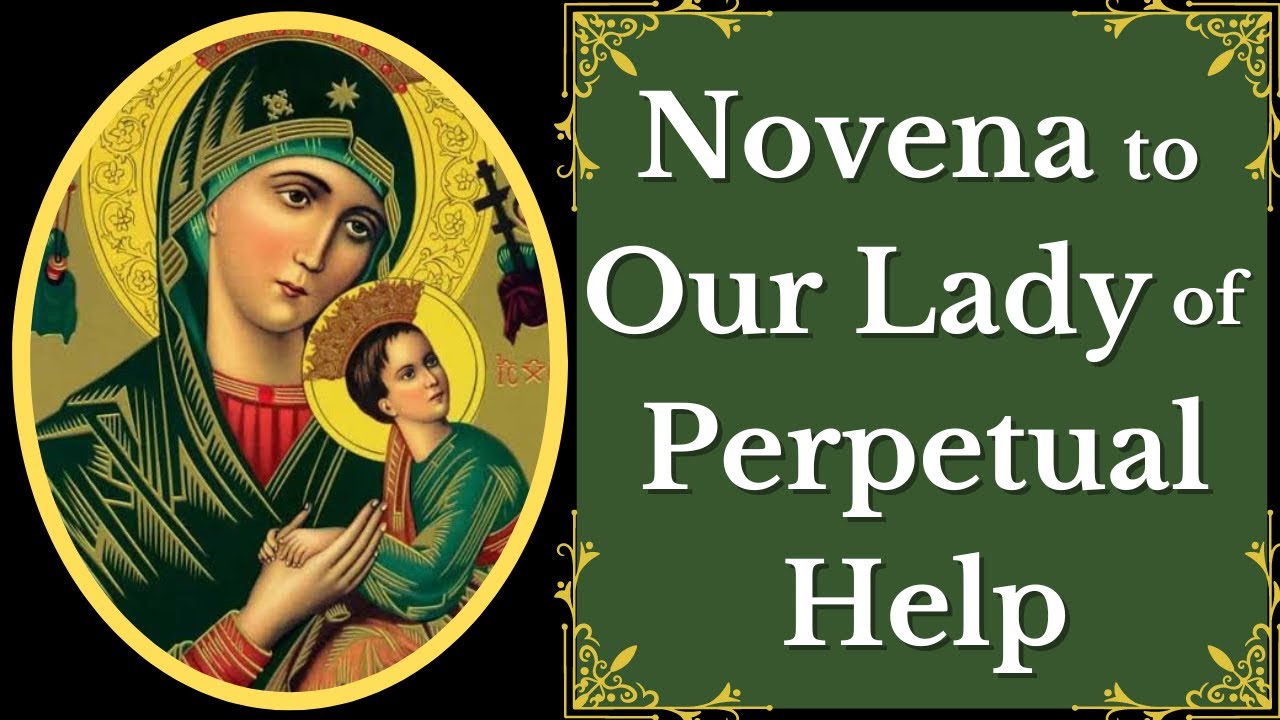
The Seven Sorrows that shape this devotion
The traditional seven sorrows that guide reflection in the novena are:
- The Prophecy of Simeon (Luke 2:34–35): Mary is told a sword will pierce her soul.
- The Flight into Egypt (Matthew 2:13–15): The Holy Family flees danger and lives as refugees.
- The Loss of the Child Jesus in the Temple (Luke 2:41–50): Days of searching end in both relief and mystery.
- Mary Meets Jesus on the Way to Calvary (traditional via the Stations of the Cross): Sorrow meets sacrificial love.
- The Crucifixion and Death of Jesus (John 19:25–30): Mary stands by the cross, steadfast in faith.
- The Body of Jesus is Taken Down from the Cross (the Pietà): A mother’s tender grief.
- The Burial of Jesus (John 19:40–42): Love accompanies the Lord even into the tomb.
These scenes give the novena a narrative thread. Day by day, you walk with Mary through fear, loss, confusion, and steadfast love. In this way, the novena prayer to our lady of sorrows becomes a school of compassion and perseverance.
Why people turn to the novena prayer to our lady of sorrows
People often choose this novena when they or someone they love is wounded by grief, illness, family conflict, anxiety, or a seemingly impossible situation. The devotion creates space to be honest with God while also cultivating trust. As you dwell with Mary in her sorrows, you learn how a Christian can be both deeply compassionate and quietly courageous. Many find that this prayer softens the heart, strengthens patience, and inspires practical acts of charity—becoming, as Jesus says, the “salt of the earth”. If you are curious about that scriptural image, you might enjoy this short reflection on the meaning of “salt of the earth”.
Spiritual fruits of the novena prayer to our lady of sorrows
Traditionally, people speak of spiritual “fruits” that often grow through this novena: compassion for those who suffer; resilience in trials; purity of intention; deeper union with Christ; and a realistic, hopeful view of life. The novena prayer to our lady of sorrows does not erase pain—rather, it illuminates it with God’s presence and gives you wisdom to carry it well.
How to pray the novena prayer to our lady of sorrows step by step
You can pray alone or with others. The following structure is simple and flexible. If you miss a day, do not panic; pick up where you left off or add an extra day at the end.
- Set your intention. Name the person or situation you are praying for. Keep it concise and honest.
- Choose a time and place. A quiet corner, a candle, or a favourite chair can help you focus.
- Begin with the Sign of the Cross and a brief moment of silence.
- Opening prayer. Ask God for the grace to pray with Mary and to grow in trust.
- Scripture or reflection. Read a short passage related to the day’s sorrow or offer a brief personal reflection.
- Meditate on one sorrow each day. Picture the scene and notice what stirs in your heart.
- Prayers. Many people pray one Our Father and seven Hail Marys in honour of the seven sorrows; you can adapt this according to your time.
- Petition. In your own words, present your intention to God through Mary’s intercession.
- Closing prayer. Thank God for the graces of the day and ask for perseverance.
- Conclude with the Sign of the Cross.
A simple nine‑day schedule
Here is a straightforward plan you can follow during the novena prayer to our lady of sorrows:
- Day 1: Prophecy of Simeon – Offer for clarity amidst uncertainty.
- Day 2: Flight into Egypt – Pray for refugees, migrants, and families under stress.
- Day 3: Loss of Jesus in the Temple – Intercede for those who feel spiritually lost.
- Day 4: Mary Meets Jesus on the Way to Calvary – Ask for courage to accompany the suffering.
- Day 5: Crucifixion – Pray for those facing terminal illness or profound loss.
- Day 6: Jesus is Taken Down from the Cross – Remember grieving parents and bereaved families.
- Day 7: Burial of Jesus – Entrust the departed to God’s mercy.
- Day 8: Review the Seven Sorrows – Gather insights, offer thanks for hidden graces.
- Day 9: Entrustment – Place yourself and your intention into Mary’s care and God’s will.
A sample template for the novena prayer to our lady of sorrows
This is a simple, original template you can adapt. Keep your tone conversational; God understands your heart.
Opening prayer
“In the name of the Father, and of the Son, and of the Holy Spirit. Amen. Lord Jesus Christ, you shared our suffering and made it the path to life. With Mary, your Mother, who stood faithfully beneath the cross, teach me to trust your love in all things. Through her prayers, grant me the grace I need today.”
Scripture or reflection
Read a few verses connected to the day’s sorrow, or offer a brief reflection such as: “Mary, you faced this sorrow with quiet faith. Help me to face my challenge with the same trust.”
Prayers in honour of the Seven Sorrows
Pray the Our Father once. Then, if you wish, pray the Hail Mary seven times, slowly, thinking of the day’s sorrow. You may add a short refrain like: “Mother of Sorrows, pray for us.”
Petition
“Mother of Sorrows, I entrust to you [state intention briefly]. Please intercede for us, that we may receive the grace we most need—and above all, the grace to do God’s will.”
Closing prayer
“Heavenly Father, you gave Mary to be our mother. Through her compassion, draw me closer to Jesus. May the Holy Spirit strengthen me in faith, hope, and charity. Amen.”
Conclude with the Sign of the Cross. This flexible outline keeps the heart of the novena prayer to our lady of sorrows while allowing you to personalise the language.
Tips, common mistakes, and gentle corrections
- Keep it simple. A short, sincere prayer is better than a long, distracted one.
- Avoid rushing. Take a short pause of silence after Scripture or each Hail Mary.
- Do not treat it as a “transaction.” The novena is a pathway to trust, not a magic formula.
- If you miss a day, resume peacefully. Consistency matters more than perfection.
- Use a journal. A sentence a day can help you notice subtle graces.
- Share wisely. If you pray as a family, keep the language accessible and the time manageable.
- Link prayer to action. Consider a small act of mercy each day in honour of Mary’s sorrows.
Praying with family, parish, or online
Some parishes lead this devotion in September (the month of Our Lady of Sorrows) or during Lent. You can also pray with friends on a video call. In families, godparents sometimes lead the prayers for their godchildren; if that is new to you, here is a simple explainer on the role of a godfather. For a clear outline of the Seven Sorrows devotion, the US Conference of Catholic Bishops: Seven Sorrows of the Blessed Virgin Mary page is helpful.
How the novena prayer to our lady of sorrows complements other devotions
Many people combine this novena with the Rosary or the “Rosary of the Seven Sorrows,” a chaplet that meditates on each sorrow with seven Hail Marys. If you already pray the traditional Rosary, you may dedicate one decade to your intention during the novena. Others like to add a simple fast (for example, skipping snacks or choosing a meatless meal) as a quiet form of solidarity.
If you are new to meditative prayer, start gently: read one passage from the Gospels and sit quietly for a minute. Over days, you will notice that the novena prayer to our lady of sorrows trains your heart to recognise God’s presence, not only during prayer but also in daily routines, conversations, and choices.
Recommended external resources
- Background on the title “Our Lady of Sorrows” (Wikipedia) – history, imagery, and feast days.
- Catechism of the Catholic Church: Mary, Mother of Christ and of the Church (Vatican) – theological context for Marian devotion.
- USCCB guide to the Seven Sorrows devotion – structured outline and prayers.
- EWTN: Seven Sorrows Rosary – chaplet form often prayed alongside the novena.
Related articles
Frequently asked questions about novena prayer to our lady of sorrows
Is the novena prayer to our lady of sorrows only for Catholics?
No. While the devotion is rooted in Catholic tradition, any Christian who wishes to reflect on the Gospel through Mary’s perspective can pray it. The novena prayer to our lady of sorrows draws you into Christ’s own suffering and love, which Christians of many backgrounds honour.
What if I miss a day during the novena?
Simply resume on the next day. You can add an extra day at the end to complete nine days. The point of the novena prayer to our lady of sorrows is steady, trusting prayer—not perfectionism.
How long should each day’s prayer take?
Anywhere from 10 to 25 minutes, depending on how many prayers and readings you include. If time is short, keep to a brief Scripture verse, one Our Father, and a few Hail Marys. The novena prayer to our lady of sorrows works best when it is realistic and regular.
What is the difference between this novena and the “Rosary of the Seven Sorrows”?
The Rosary of the Seven Sorrows is a chaplet with a set number of prayers for each sorrow, often prayed in a single sitting. The novena prayer to our lady of sorrows spreads reflection over nine days with a focus on a specific intention. Many people combine both practices.
Can I offer the novena for someone else?
Yes. Intercession is at the heart of this devotion. You can pray the novena prayer to our lady of sorrows for a loved one, a family, your parish, or a global concern. Be specific in your intention and keep the person’s dignity and privacy in mind.
When is the best time of year to pray it?
Any time you need it. Popular moments are September (the month of Our Lady of Sorrows), the Lenten season, and times of bereavement or stress. The novena prayer to our lady of sorrows is especially consoling after a loss.
