Mennonites vs Amish: 7 Surprising Differences Explained
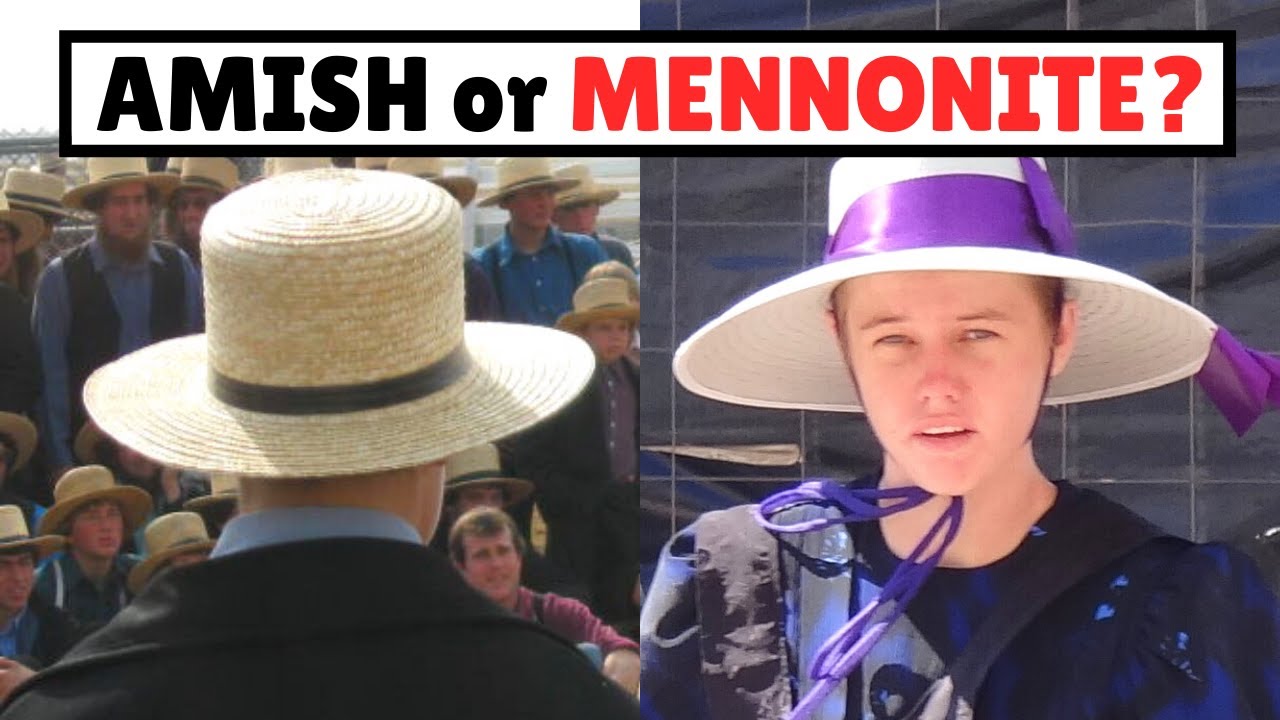
Mennonites vs Amish: A Comparative Analysis
Have you ever pondered the differences between the Mennonites and the Amish? 🤔 These two groups are often perceived as similar due to their shared *Anabaptist* roots, yet they embody distinct lifestyles, beliefs, and practices. Understanding these differences can enlighten one’s perspective about their rich cultural heritage, values, and community dynamics. This article delves deep into the various aspects of Mennonites and Amish, illustrating how they compare and contrast, emphasizing their unique contributions to society.
Historical Background
Mennonite Origins
The **Mennonites** trace their origins back to the early 16th century in Europe, founded by leaders like Menno Simons. Initially a reaction against the Catholic Church, they embraced a theology of adult baptism, pacifism, and community.
Amish Origins
In contrast, the **Amish** originated in the late 17th century when Jakob Ammann led a faction of Mennonites who desired a stricter community and theological adherence. This led to distinct cultural practices that emphasize plain living and separation from modern society.
Core Beliefs and Practices
Mennonite Beliefs
Mennonites advocate for active participation in mainstream society while adhering to their **Christian beliefs**. They strongly emphasize education, community service, and charity, often participating in social justice initiatives. Unlike the Amish, they may use technology in moderation and wear modern clothing.


Amish Beliefs
In contrast, the Amish focus heavily on maintaining a simple lifestyle, practicing *non-resistance*, and exhibiting a strong sense of community. They often reject many modern conveniences, including electricity and vehicles, which reinforces their dedication to separation from the world.
Community and Lifestyle
Mennonite Communities
Mennonites tend to have a more diverse range of communities. From urban to rural settings, their gatherings allow for cultural exchanges that can lead to a richer understanding of various societal issues. Their adaptability to modern life enables a vibrant community life characterized by mutual aid and support.
Amish Communities
Amish communities typically reflect a homogeneous nature, where Ordnung (a set of rules governing behavior) plays a critical role in maintaining order. **Each community is self-sufficient**, emphasizing farming and craftsmanship while limiting interaction with outsiders, thus preserving their traditions and identity.
Education and Employment
Mennonite Education
Mennonites often value education highly. Many attend public schools, and higher education is common among them. They believe education allows them to better serve their communities and participate effectively in modern society.
Amish Education
In contrast, Amish education usually extends only through the eighth grade, primarily to prepare children for farming and trades. This emphasis on practical skills rather than academic achievement is aimed at preserving their way of life and protecting their beliefs against the influences of the outside world.
Technology Usage
Mennonites and Technology
Mennonites generally embrace technology, using tools like computers, social media, and cars, albeit with caution. They believe that technology can enhance community interaction and help spread their values. This balanced approach allows them to remain deeply engaged with modern society.
Amish and Technology
Conversely, the Amish maintain a strict policy against various modern technologies. For instance, many do not use electricity or own automobiles. Instead, they rely on horse-drawn buggies and kerosene lamps, viewing technology as a potential hindrance to their spiritual focus and community unity. 📉
Similarities Between Mennonites and Amish
Despite their differences, Mennonites and Amish share several core values:
- Pacifism: Both groups uphold non-violence and peaceful conflict resolution.
- Community Support: They emphasize community, supporting one another in both good times and bad.
- Faith-Based Living: Their lives are centered around faith, with strong ties to their theological beliefs.
- Simple Lifestyles: Both maintain a lifestyle that prioritizes simplicity and humility.
Mennonites vs Amish: Market Comparison
Products and Services
When it comes to products, both Mennonites and Amish offer authentic handmade goods such as furniture, quilts, and jams, all reflecting their artisanal skills. Here’s how they compare:
- Amish Furniture: Known for its durability and timeless design, Amish-made furniture is highly sought after and considered a worthwhile investment.
- Mennonite Jams: Mennonites often produce a variety of jams, jellies, and canned goods that are organic and home-made, making them a healthier choice compared to commercial brands.
Complementary Tools for Enhancing your Understanding of Mennonites and Amish
To deepen your appreciation for Mennonites and Amish culture, consider integrating these complementary tools into your exploration:
- Documentary Films that present visual narratives of daily life.
- Books on Amish/Mennonite Culture: Literature provides deep insights into their practices.
- Workshops or Classes to learn handmade crafts.
- Online Forums for discussions with community members.
- Cooking Classes featuring traditional recipes.
- Local Tours of Amish and Mennonite communities.
- Social Media Pages that highlight daily living.
- Craft Workshops: Attend workshops to embrace and understand their art.
- Field Trips to local farms.
- Podcasts focusing on Amish and Mennonite lifestyles.
Benefits of Craft Workshops
Joining craft workshops allows you to engage directly with Amish and Mennonite culture. Here’s how:
- Gain hands-on experience in traditional crafts.
- Learn the history and significance behind various art forms.
- Meet community members and understand their way of life.
- Take home unique creations made during the workshop.
Benefits of Local Tours
Participating in local tours opens a gateway to discovering cultural nuances. Consider the following advantages:
- Explore authentic lifestyles and practices in firsthand experiences.
- Engage with local businesses offering goods and services.
- Participate in family-style meals and community events.
- Gain insights into agricultural practices that reflect sustainable living.
Conclusion: Lasting Impact and Mutual Respect
In conclusion, the significance of understanding the differences and similarities between **Mennonites** and **Amish** can lead to a greater appreciation of their contributions to society. Living distinctive lifestyles rooted in faith and community, both groups provide valuable lessons about simplicity, mutual aid, and harmony. Whether you’re exploring their crafts or engaging in community events, the experiences you gain will serve to enrich your understanding of these unique cultures. But that’s not all; by engaging with these complementary tools and resources, the journey into the fascinating world of Mennonites and Amish lifestyles can become even more profound and enjoyable!
For a deeper engagement with this subject, explore more about these communities by visiting related pages like the Mennonite Wikipedia Page and the Amish Network.
Cultural Beliefs and Practices
Mennonites vs Amish: A Comparative Exploration
Have you ever wondered about the differences and similarities between the **Mennonites** and the **Amish**? 🤔 These two groups are often compared due to their shared Anabaptist roots, yet they display distinct cultural beliefs, practices, and lifestyles. In this article, we will dive deep into what makes each community unique, how they align, and how they stand apart, while also exploring tools and resources that enhance the experience of understanding these fascinating cultures.
Historical Background
Both the Mennonites and the Amish trace their origins to the Protestant Reformation in the 16th century. The Amish, founded by Jacob Ammann in the late 17th century, sought a more rigorous adherence to *Biblical teachings*. In contrast, the Mennonite Church’s roots are associated with Menno Simons, who emphasized separation from mainstream society without the retreat into total isolation. The split reflected their differing approaches to living out faith.
Foundational Beliefs
Both groups advocate for peace, baptism, and a lifestyle rooted in simplicity. However, their interpretations vary significantly, and these differences underscore much of their lifestyle choices. For example, the Amish generally adhere to a more stringent set of rules, known as *Ordnung*, which governs their daily lives, while the Mennonites tend to embrace a doctrine that allows for varying degrees of modernity.
Cultural Lifestyle
When it comes to daily life, the choice between Mennonites vs Amish is fascinating. Mennonites typically integrate more with the outside world, often engaging in broader education systems and embracing technologies, whereas the Amish often maintain a strong commitment to traditional practices. This cultural divergence shapes their community structures, work habits, and social interactions.
Community Structure
The Mennonites often have more structured community governance and engage in various economic activities such as farming, craftsmanship, and even business entrepreneurship. In contrast, Amish communities are generally more self-sufficient and rely heavily on farming and handwork. The communal aspect of both groups strengthens their beliefs, with close-knit relationships forming the backbone of their societal structures.
Religious Practices
Religious gatherings vary significantly between the two. Mennonites frequently meet in church buildings and partake in contemporary worship styles, while the Amish typically engage in worship at homes, emphasizing a more simplistic approach. This distinction is more than just physical; it influences how each group interprets their faith and community involvement.
Job Roles and Gender Norms
In Mennonite communities, there’s generally more flexibility regarding job roles and gender participation in the workforce. Women may have opportunities for employment outside the home or within cooperative businesses and church-affiliated organizations. In contrast, Amish communities often have more defined roles, particularly in terms of traditional gender assignments, with women primarily managing household duties and men engaged in farming or trades.
Family and Social Structure
Family life also reflects the core values of each tradition. Mennonites often embrace larger family units but also engage significantly in broader community contexts. Conversely, the Amish prioritize self-containment, which influences their social interactions, emphasizing close family ties and community support over external relationships.
Education Perspectives
Mennonites tend to pursue formal education beyond the eighth grade and often incorporate various educational methods, including self-management principles. The Amish, however, typically prioritize education up to the eighth grade, focusing on practical skills relevant to their lifestyle. This difference impacts community roles and shape future generations’ perspectives. How fascinating is that?
Technological Acceptance
One of the major differentiators is the level of technology acceptance. **Mennonites** are generally more open to integrating modern technology, from farms using advanced machinery to businesses utilizing digital tools. On the other hand, **Amish** communities strictly limit technology usage, often using horse-drawn buggies and avoiding electricity in their homes. This adherence to a simpler way of life fosters a unique community atmosphere, but it can also create challenges in our tech-driven world. 💻
Complementary Tools for Understanding Mennonites and Amish
Using tools can enhance your understanding of Mennonites and Amish communities. Here are ideas on how to incorporate useful resources alongside your exploration of these cultures:
- Documentary Films: Use documentaries to visualize their way of life.
- Books and Literature: Reading about specific communities can provide deeper insights.
- Language Learning Apps: These can help with learning Pennsylvania Dutch, common in Amish communities.
- Cooking Classes: Engage with traditional Mennonite and Amish recipes to appreciate their food culture.
- Online Forums: Engage in discussions with knowledgeable individuals to clarify queries.
- Cultural Tours: Experience firsthand visits to Amish farms or Mennonite communities to grasp their daily lives. Learn more about tours in Pennsylvania.
- Nonprofit Organizations: Get involved with or donate to groups supporting these communities.
- Virtual Reality Experiences: Use technology to explore immersive experiences of Amish life. Visit Oculus for options.
- Community Workshops: Attend to learn traditional crafts and farming techniques.
- Sustainable Practices Guides: Investigate resources on sustainable farming and living that reflect Mennonite and Amish values.
Utilizing Books and Literature
- Deep Insights: Literature often dives into cultural nuances, providing a wealth of information.
- Historical Context: Many books discuss the history and evolution of these communities, offering perspective.
- Personal Stories: Family narratives humanize cultural practices, making them relatable.
- Guides to Interaction: Specific guides can help understand how to engage respectfully with these communities.
Leverage Virtual Reality Experiences
- Immersive Learning: Virtual Reality can make the cultural experiences more tangible and engaging.
- Accessibility: Glimpse into their world from anywhere—perfect for those unable to travel.
- Cultural Appreciation: Experience daily life in a completely immersive format.
- Interactive Innovations: Engaging in life’s rituals, activities, and social dynamics can enrich understanding.
Mennonites vs Amish in Commerce
When it comes to commerce, the Mennonites are more prominent in the marketplace, often engaging in various businesses and leveraging modern marketing. They may operate retail outlets, restaurants, and artisanal crafts that attract a diverse clientele. Conversely, the Amish usually focus on smaller-scale farming and craftsmanship, often selling goods at local markets, which maintains their traditional focus and community-oriented sales approaches.
Farming Practices
A significant aspect of both groups revolves around their approach to farming. Mennonites often employ more modern agriculture techniques, thereby increasing yields and efficiency. Conversely, the Amish tend to rely on traditional farming methods, emphasizing sustainability and a closer relationship with the land.
Shared Values and Areas of Cooperation
Despite their differences, **Mennonites vs Amish** share a profound commitment to community service, faith, and fostering peace. During crises, such as natural disasters, both groups often collaborate on humanitarian efforts, demonstrating that their core values unite them even amid varying lifestyles.
Community Service Initiatives
Working together on projects such as disaster relief, the Amish and Mennonites show their dedication to helping others, proving that when it comes to community welfare, their values align closely. They participate in various initiatives, including food drives, building projects, and educational programs that benefit the broader society around them.
Conclusion
In exploring the complexities of **Mennonites vs Amish**, we uncover a tapestry woven with differences and similarities that enrich our understanding of these vibrant communities. From their historical roots to modern practices and social structures, both groups exemplify unique ways of preserving their culture against the backdrop of an ever-evolving world. Whether it’s through community cooperation or personal choices, the Mennonites and Amish provide us with insightful examples of living with purpose and connection. As you ask questions and explore their lives, you’re not only learning about their past but also gaining insights that could enhance your approach to community, simplicity, and faith in daily life.
For further reading on Mennonites and Amish, consider checking [Wikipedia on Amish](https://en.wikipedia.org/wiki/Amish) and [Mennonite Central Committee](https://www.mcc.org).
History.com on Mennonites offers a rich source of historical context.
Explore more about [Amish culture through this Detailed Guide](https://www.tripsavvy.com/amish-culture-5073607).
Community Structures and Social Life
Mennonites vs Amish: Understanding Two Unique Communities
Have you ever wondered about the differences between Mennonites vs Amish? 🤔 Both groups share similar roots in Anabaptism, yet their lifestyles, beliefs, and practices are notably distinct. This article delves deep into these differences and explores how each community interacts with modern society, their belief systems, and the complementary tools that can enhance their way of life.
Historical Background
The Mennonites and the Amish trace back to the Anabaptist movement of the 16th century in Europe. Both groups emerged in the wake of the Protestant Reformation, advocating for adult baptism and a separation from state churches. However, their paths diverged significantly, resulting in unique cultural identities and practices.
Beliefs and Values
At the core, both communities value simplicity, community, and a deep faith. The Mennonites typically embrace a more progressive approach to modern technology and education, whereas the Amish often resist many technological advances, believing that these can lead to moral decay. This fundamental difference shapes their communities significantly.
Religious Practices
Mennonites generally allow for a range of interpretations of scripture and tend to be more open to discussion within their churches. Conversely, the Amish practice conservative Christianity with a strict adherence to traditional customs. While both groups prioritize community worship, the way they engage with the world around them highlights their differing philosophies.
Community Structure
The community structures of Mennonites vs Amish are tailored to support their specific lifestyles. Mennonites may live in more integrated communities, participating in modern society while maintaining their distinctive culture. In comparison, Amish settlements are often more isolated, fostering a tighter-knit group that adheres closely to communal guidelines.
Social Life and Interactions
Social life in the Mennonite community can often include participation in local events, while Amish members lead a more insular social life, finding pleasure in traditional gatherings such as barn raisings or quilting bees. Despite these differences, both communities emphasize strong familial bonds and community support.
Economics: Work and Lifestyle
The economic approaches of Mennonites and Amish highlight their differences further. Mennonites may engage in diverse professions, including teaching, healthcare, and business. On the other hand, Amish typically focus on agriculture and craftsmanship, emphasizing skills passed down through generations.
Tools of Trade
Both communities utilize tools and equipment relevant to their work. For example, the Amish may prefer hand tools and horse-drawn equipment to maintain their commitment to a simpler way of life. Contrastingly, Mennonites often embrace more modern technology within their trades, thereby increasing efficiency while still preserving their values. This strategic use of tools is essential for both groups, with Mennonites vs Amish offering distinct tools suited to their respective lifestyles.
Complementary Tools for Enhanced Living
Exploring how to integrate tools and practices can enhance the understanding of Mennonites vs Amish. Below are some ideas on how to pair complementary tools that cater to both communities:
- Traditional Farming Equipment
- Simple Living Apps
- Community Agricultural Cooperatives
- Cottage Industries
- Resource Sharing Platforms
- Volunteering Networks
- Preservation and Cooking Classes
- Community Event Organizers
- Homemade Crafts Marketplaces
- Transportation Alternatives
2. Simple Living Apps
- These applications can help individuals track their daily activities and commitments, ensuring they maintain focus on important community values.
- Users can set reminders for community events or lantern lighting, integrating their faith into their technology use.
- They can also facilitate easier sharing of resources among community members.
- Simple living apps align well with both groups’ ethos, promoting thoughtful living rather than distraction.
8. Community Event Organizers
- Utilizing platforms to organize communal gatherings fosters stronger relationships within the community.
- Events can be tailored to reflect both Mennonite and Amish traditions, offering a blend of their rich heritage.
- Organizers can streamline logistics, promoting efficient planning and execution of events.
- Such gatherings can become occasions for sharing ideas and strengthening ties, enhancing community support.
Cultural Expressions
When discussing Mennonites vs Amish, one cannot overlook their rich cultural expressions. From music to crafts, both communities maintain traditional forms of expression, albeit through different lenses. The Amish often showcase their art through quilt-making and woodworking, while Mennonites may incorporate modern artistic influences into their crafts.
Music and Worship
Music plays an essential role in both communities. The Amish often lean towards traditional hymns without instrumental accompaniment, providing a sense of solemn fellowship. Conversely, many Mennonite communities embrace a variety of musical expressions, including contemporary Christian music.
Education Systems
The educational philosophies of Mennonites and Amish differ as well, which impacts their youth significantly. Most Amish children attend one-room schoolhouses until the age of 14, focusing on basic education and practical skills. On the other hand, many Mennonites pursue further education, as they typically value academic achievement.
Adapting to Change
The degree to which each community adapts to external changes varies significantly. The Mennonite approach tends to be more flexible, as many embrace technology to enhance their daily lives. Meanwhile, the Amish often resist changes that could disrupt their community values.
Intercommunity Relations
The relationships between the two groups are generally amicable, although challenges persist. Mennonites may often act as a bridge between the broader society and the Amish, helping to facilitate understanding and communication. Despite their differences, both communities share a commitment to their faith and an emphasis on community support.
Conclusion
The exploration of Mennonites vs Amish reveals a complex interplay of traditions, beliefs, and lifestyles. Both communities offer valuable insights into simplicity, faith, and community, albeit in their unique ways. By understanding these differences and the ways they complement each other, one can appreciate the richness each group adds to the tapestry of society.
As you discover more about these communities, consider how integrating modern tools can enhance your understanding and engagement with both Mennonites and Amish. Whether through shared resources, community events, or simple living applications, the journey towards understanding their unique lifestyles can be both enriching and enlightening. But that’s not all—exploring these paths can lead to a deeper appreciation of the values they stand for, while enhancing your own community connections.
