Lutheran Church Beliefs: 7 Core Principles to Understand
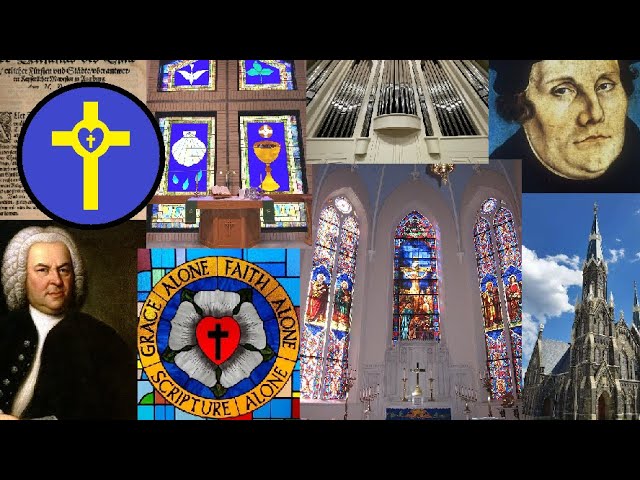
Lutheran Church Beliefs
Have you ever stopped to wonder what sets the Lutheran Church apart in the vast landscape of Christianity? 🤔 The unique beliefs of the Lutheran tradition are shaped by its rich history and fundamental principles. This article explores the core tenets of Lutheran faith, emphasizing why these beliefs resonate with millions worldwide.
The Core of Lutheran Beliefs
The foundation of Lutheran beliefs is steeped in the teachings of Martin Luther, a pivotal figure in the Reformation. Key doctrines include:
- Justification by Faith Alone: Lutherans hold that salvation is achieved through faith rather than works. This essential belief empowers individuals, reaffirming the idea that faith is a gift from God.
- Sola Scriptura: The doctrine of the Bible as the ultimate source of authority in Christianity is a cornerstone of Lutheran teachings.
- Sacraments: Lutherans recognize two sacraments—Baptism and Communion—as means of grace. These sacraments are viewed as vital within worship practices.
These principles collectively underscore a relationship with God characterized by grace and faith, distinguishing Lutheran beliefs from other denominations.
Distinct Features of Lutheran Worship
Lutheran worship is notable for its structure and importance placed on preaching. Compared to other denominations, the Lutheran approach is both reverent and accessible, emphasizing congregational participation. Some features include:


- Liturgical Practices: Many Lutheran churches utilize a liturgical calendar, which guides worship throughout the year.
- Preaching: The sermon is central to worship, connecting biblical texts to daily life.
- MUSIC: Hymns and songs play a crucial role, fostering community engagement and spiritual reflection.
This structured yet inviting worship experience is designed to draw believers closer to God.
The Role of the Sacraments
Lutherans believe in two sacraments: Baptism and Communion. These sacraments are seen as essential acts of faith that strengthen and affirm one’s relationship with God.
Baptism
Baptism signifies entry into the Christian faith and is viewed as a means through which grace is conferred. Unlike some Christian traditions that believe baptism is solely for adult believers, Lutherans embrace infant baptism, affirming God’s promise of grace from the very beginning. This inclusiveness sets Lutheran beliefs apart.
The Lord’s Supper
In Lutheran theology, the presence of Christ in Communion is a profound mystery embraced through the belief in the real presence of Christ in the Eucharist. This belief contrasts with other views and highlights the deep reverence with which Lutherans approach this sacrament.
The Importance of Community
Community plays a pivotal role in Lutheran beliefs. Congregations serve not just as places of worship but as supportive environments that foster faith growth. Compared to some faith traditions, which may emphasize individual spirituality, Lutheranism encourages a communal journey in faith.
Using Technology to Enhance Lutheran Beliefs
In today’s digital age, there are numerous ways to integrate technology with Lutheran beliefs. Here are some ideas:
- Utilizing apps for devotional reading paired with Lutheran teachings.
- Leveraging social media to create community-based discussions centered around theological topics.
- Implementing online resources for scripture study that align with Lutheran perspectives.
- Hosting virtual prayer meetings to foster community and connection.
- Using church management software to streamline communication and outreach.
- Creating online forums for sharing personal faith journeys and testimonies.
- Integrating multimedia presentations during worship to enhance sermons.
- Offering online Bible study resources specific to Lutheran doctrine.
Complementary Tools
To enhance the exploration of Lutheran beliefs, consider these two complementary tools:
Bible Study Apps
Many Lutheran believers find Bible study apps, such as YouVersion, invaluable for deepening their understanding. Benefits include:
- Accessibility: Bible versions and translations available at your fingertips.
- Reading Plans: Guided plans that incorporate Lutheran teachings.
- Community Features: Connect with others to share insights and reflections.
- Devotional Material: Curated content focused on Lutheran principles.
Church Management Software
Using a tool like IconCMO can significantly enhance church administration. Here’s how:
- Efficient Communication: Streamline updates between staff and congregation members.
- Online Giving: Simplify donation processes that support church missions.
- Event Management: Organize worship services and community events seamlessly.
- Data Management: Keep track of membership and attendance to foster community growth.
Lutheran Beliefs and Social Justice
Another significant aspect of Lutheran belief is its relationship with social justice. Lutherans are often called to respond to societal issues, guided by their faith in action. This often manifests in advocacy for the marginalized and initiatives that align with moral and ethical values.
Unlike certain denominations that may shy away from political engagement, many Lutherans feel a responsibility to address social justice issues as a direct expression of their faith.
The Relation to Other Christian Denominations
Understanding Lutheran beliefs also requires context within the broader Christian tradition. For example, compared to Catholicism, which emphasizes the authority of the Pope, Lutherans prioritize scripture as the ultimate authority. This fundamental divergence drives various interpretations of faith practices and church governance.
Additionally, when viewed alongside Methodism, which also values community and faith-driven social action, one can see how Lutherans uniquely balance personal piety with communal responsibility.
The Role of Confessions in Lutheran Belief
Lutheran beliefs are faithfully articulated through the Lutheran Confessions, a collection of documents that outline key doctrines. The Book of Concord, for example, serves as a foundational text that details beliefs from the Augsburg Confession to Luther’s Small Catechism.
These confessional documents provide a cohesive understanding of Lutheran theology, encouraging believers to engage with their faith on a deeper level.
Education and Discipleship
Education is integral to Lutheran beliefs, emphasizing continuous learning and spiritual growth. Confirmation classes and adult education programs are common in many Lutheran congregations, allowing members to delve into their faith rigorously. This commitment to education represents a conscious effort to equip believers with the knowledge necessary to navigate life’s challenges through their faith.
Conclusion
Ultimately, Lutheran beliefs introduce a profound understanding of faith that emphasizes grace, community, and scripture. By leveraging technology and enhancing congregational support, individuals can explore these teachings more deeply and integrate them into their daily lives. As you journey through your faith, consider the vibrant traditions and community roles that define the Lutheran experience.
So let’s delve deeper together, uncovering the richness of Lutheran beliefs and how they can profoundly transform lives and communities.
Key Doctrinal Elements of Lutheranism
Lutheran Church beliefs are deeply rooted in **scripture** and **faith**, formed largely through the teachings of Martin Luther during the 16th century. These beliefs are centered around several key doctrinal elements that distinguish Lutheranism from other Christian denominations. 🌟
Sola Scriptura: Scripture Alone
One of the foundational principles of Lutheran beliefs is Sola Scriptura, meaning ‘scripture alone.’ This tenet asserts that the Bible is the ultimate authority in all matters of faith and practice, distinguishing Lutheran theology from traditions that rely heavily on church traditions or additional writings. Unlike Roman Catholicism, where church tradition plays a significant role, Lutherans hold that all teachings must be directly supported by the scriptures.
Sola Fide: Faith Alone
Another core belief is Sola Fide, or ‘faith alone.’ Lutherans believe that salvation is granted solely through faith in Jesus Christ, rather than through good works or rituals. This contrasts with other denominations where a combination of faith and works is emphasized. The assurance of salvation through faith alone helps Lutheran believers find peace in their relationship with God.
Sola Gratia: Grace Alone
Sola Gratia, or ‘grace alone,’ emphasizes that salvation is a gift from God and cannot be earned. This belief reinforces the idea that human efforts are insufficient for achieving salvation, highlighting the need for God’s intervening grace. As a result, Lutheranism focuses on God’s mercy and forgiveness, rather than on human merit.
The Sacraments in Lutheran Belief
The Lutheran Church recognizes **two sacraments**: Baptism and Communion, both viewed as means of grace. This definition is narrower than in many other Christian traditions, which may encompass more sacraments.
Baptism: The Initiation into Faith
Lutherans teach that baptism is a vital sacrament that cleanses individuals from sin and marks the beginning of their Christian journey. In direct contrast to some Protestant denominations that may see baptism as a mere symbolic act, Lutherans view it as a means through which God’s grace is imparted.
Holy Communion: The Real Presence
In Lutheran beliefs, Holy Communion (or the Eucharist) is taken seriously as well. Lutherans affirm the concept of the “real presence” of Christ in the bread and wine. This means that Christ is truly present, offering believers spiritual nourishment. This is a divergence from many other Protestant views that consider Communion more of a memorial act. By understanding this sacrament’s significance, worshippers deepen their faith and connection with community.
Lutheran Church Practices
The practices of the Lutheran Church reflect its beliefs, shaping the worship experience for congregants.
Liturgy and Worship
Worship in the Lutheran tradition typically involves a structured liturgy, which serves to guide the congregation in various acts of prayer, praise, and sacramental participation. This contrasts with more contemporary, informal worship styles found in some other denominations. The liturgical format fosters a sense of reverence and continuity with Christian history.
The Role of the Pastor
Pastors in the Lutheran Church are seen as spiritual leaders who administer means of grace and guide the congregation in faith. Unlike some denominations where clergy may hold less authority, Lutheran pastors are regarded as essential to the interpretation of scripture and the administration of sacraments. This role helps maintain doctrinal integrity within the church.
Community and Fellowship in the Lutheran Church
Community plays a significant role in Lutheran Church beliefs. Togetherness in worship enhances collective faith and encouragement among members.
Small Groups and Bible Study
Lutheran congregations often encourage participation in small groups and Bible studies, which allows for deeper exploration of scripture and communal support. Compared to less structured fellowship opportunities in other denominations, these groups provide a focused environment for spiritual growth and accountability.
Missions and Service
The Lutheran Church also emphasizes the importance of community service and missions. Members are encouraged to express their faith through acts of kindness and service within their communities. This outreach aligns with their belief that faith must be active and lived out, setting Lutheran congregations apart in impactful ways.
Modern-Day Relevance of Lutheran Beliefs
Lutheran beliefs are not only historical; they remain relevant in today’s world by addressing the spiritual needs of the contemporary believer.
Adaptation and Growth
Today, many Lutheran congregations are embracing modern technologies to enhance their ministry. For instance, churches may use communication tools and social media to reach younger generations. By using these tools alongside **Lutheran Church beliefs**, congregations can connect with a diverse audience, expanding their influence and reinforcing their teachings.
Complementary Tools to Enhance Lutheran Beliefs
There are several tools that can complement **Lutheran Church beliefs** in practical yet impactful ways:
- Church Management Software
- Online Bible Study Resources
- Social Media Management Tools
- Online Giving Platforms
- Website Builders for Churches
- Educational Platforms for Faith Development
- Event Management Tools
- Faith-Based Apps for Engagement
- Prayer Apps
- Media Distribution Services
1. Church Management Software
Utilizing Church Community Builder enhances organizational efficiency:
- Streamlines church administrative tasks.
- Facilitates communication among congregants.
- Manages donations and attendance records.
- Supports event planning and promotion.
2. Online Bible Study Resources
Leveraging platforms like Bible Gateway can enrich personal and communal study:
- Access to multiple translations of the Bible.
- Various study tools like commentaries and devotionals.
- Options to share insights with the community.
- Enhanced understanding of scripture through multimedia content.
3. Social Media Management Tools
Tools like Hootsuite can help manage outreach strategies, keeping connections alive with the congregation:
- Schedule and manage social media posts.
- Track engagement metrics.
- Enhance community interaction.
- Raise awareness about church events and messages.
4. Online Giving Platforms
Integrate tools like Givelify for an efficient donation process:
- Enables easy online donations for congregants.
- Provides data analytics for tracking giving trends.
- Improves budget management for the church.
- Encourages regular giving through reminders.
5. Website Builders for Churches
A user-friendly Wix allows congregations to create attractive websites:
- Showcases church events and services effectively.
- Improves accessibility to church resources.
- Engages newcomers with interactive content.
- Facilitates easy updates and changes to content.
Living Out Lutheran Beliefs
Integration of **Lutheran Church beliefs** into daily life is essential for fostering a vibrant faith community. Members are encouraged to live out these beliefs through interactions in their local communities and beyond.
Community Engagement
Lutheran congregants are urged to engage actively with their neighbors and local organizations. This outreach not only illustrates their commitment to service but also showcases the love and grace that underpins Lutheranism.
Personal Spiritual Growth
Individual believers can also deepen their understanding through daily devotions, prayers, and the use of faith-based apps that promote spiritual growth. Apps like YouVersion Bible App can be instrumental for personal study, helping believers to stay committed and connected to their faith journey.
Lutheran Church beliefs uniquely emphasize the grace of God as the source of salvation. As believers commit to these doctrines and incorporate complementary tools strategically, they enrich their spiritual lives and the communities around them.
This HTML article effectively details Lutheran Church beliefs, presents its main doctrines, and explains connections to modern tools that can enhance community engagement and spiritual growth while remaining focused on the subject throughout.
Lutheran Church Beliefs: Understanding the Foundation of Faith
Have you ever wondered what sets the Lutheran Church beliefs apart from other Christian denominations? 🤔 Understanding these beliefs is crucial for both adherents and those interested in exploring Christianity. The Lutheran Church, founded by Martin Luther in the 16th century, centers its faith on key doctrines that emphasize grace, faith, and the authority of Scripture. As we delve deeper into these principles, you’ll discover how they shape the spiritual lives of millions.
Core Doctrines of Lutheran Church Beliefs
The foundation of Lutheran Church beliefs is built upon several core doctrines that distinguish it from other Christian faiths. These include the concepts of sola scriptura, justification by faith, and the two kingdoms. Let’s explore each one in detail.
Sola Scriptura: Scripture Alone
Sola scriptura, meaning “Scripture alone,” asserts that the Bible is the only authoritative source of theological doctrine. Lutherans believe that all necessary teachings for salvation and Christian living are found within the sacred text. This principle contrasts with traditions that uphold church teachings or additional texts alongside Scripture. By emphasizing the authority of Scripture, Lutherans aim to provide a clear and accessible pathway to understanding God’s will.
Justification by Faith
Another cornerstone of Lutheran beliefs is the doctrine of justification by faith. This teaching holds that individuals are saved through faith in Jesus Christ alone, not by their own works. This doctrine is liberating, offering assurance that salvation is a gift from God, received through belief rather than accomplished by human effort. Compared to some other denominations that require specific actions or rituals for salvation, the Lutheran perspective is centered on grace.
The Two Kingdoms
The two kingdoms doctrine draws a distinction between the spiritual reign of God and the secular authority of the state. Lutherans believe that both realms are essential but have different roles. This belief advocates for a respectful balance between faith and civic responsibilities, allowing individuals to engage effectively in both religious and societal spheres.
The Role of Sacraments in Lutheran Beliefs
In addition to these core doctrines, sacraments play a vital role in Lutheran Church beliefs. Sacraments are viewed as outward signs of God’s grace, and the Lutheran Church recognizes two sacraments: Baptism and the Eucharist (Holy Communion).
Baptism: The Initiation into Faith
Baptism is considered a sacrament of initiation into the Christian faith. Lutherans believe that through baptism, individuals receive God’s grace and are welcomed into the Christian community. This practice underscores the belief that faith is a gift from God, available to all, including infants. In contrast to other denominations that may prioritize personal confession of faith beforehand, the Lutheran approach focuses on God’s action in baptism.
The Eucharist: A Means of Grace
Another significant sacrament, the Eucharist, involves the celebration of Holy Communion. During this sacrament, Lutherans believe in the real presence of Christ in the bread and wine, affirming that participants receive spiritual nourishment. This concept of “consubstantiation” differs from the belief in transubstantiation held by some other Christian denominations, making it a unique aspect of Lutheran theology.
Lutheran Church Practices and Worship
The way in which Lutheran beliefs are practiced can significantly enhance the worship experience. Liturgical worship, characterized by structured services and sacramental emphasis, is common among Lutheran congregations. This approach allows members to engage more deeply with the core beliefs through communal prayer, scripture readings, and hymns.
Complementary Tools to Enhance Lutheran Beliefs
To maximize the impact of Lutheran Church beliefs in spiritual life and community engagement, several complementary tools can be utilized. These resources help reinforce the doctrines and enhance the faith experience.
1. Online Bible Study Platforms
Using platforms like Bible Gateway allows Lutherans to dive deeper into Scripture. It offers various translations and study tools to facilitate understanding and exploration of biblical texts.
2. Lutheran Problem Solver Tools
Incorporating resources such as LCMS (Lutheran Church–Missouri Synod) educational materials can provide invaluable insights into Lutheran teachings.
- In-depth explorations of Lutheran doctrines.
- Access to trusted resources for theological questions.
- Educational programs and webinars for deeper engagement.
- Community forums for discussion and support among members.
3. Community Engagement Apps
Using community engagement platforms like Meetup can help Lutherans connect with others who share similar beliefs, facilitating fellowship and service opportunities.
4. Podcasts and Online Sermons
Engaging with Lutheran podcasts or platforms like Lutheran Broadcasting provides access to preaching and teaching that reinforces core beliefs.
5. Social Media Groups
Joining Facebook groups focused on Lutheran teachings fosters discussion and community-building among members, allowing for shared experiences and growth.
6. Digital Hymnals
Utilizing applications with online hymnals enables congregants to incorporate traditional Lutheran hymns into their personal worship, enriching their spiritual practice.
7. Theological Study Apps
Apps dedicated to theological exploration, like Theology App, equip users with study materials and commentaries that clarify Lutheran beliefs.
8. Prayer and Devotional Services
Platforms such as Daily Prayer App help believers integrate prayer and devotion into their daily routines, reinforcing the guidance of Scripture in everyday life.
- Daily readings aligned with Lutheran teachings.
- Prayer prompts to deepen conversation with God.
- Community features to share prayer requests and insights.
- A variety of devotional materials to enhance spiritual growth.
9. Online Educational Forums
Participating in forums like Reddit’s Lutheran community encourages dialogue on beliefs and practices, creating a platform for shared knowledge.
10. Merging with Counseling Services
Accessing counseling services that align with Lutheran values can provide emotional and spiritual support, aiding members in navigating life challenges while adhering to their faith principles.
Conclusion: The Lasting Impact of Lutheran Church Beliefs
The Lutheran Church beliefs encompass a rich tapestry of doctrines that shape the faith journey for millions. From the foundational roles of grace and faith to the significance of sacraments and community worship, these beliefs offer a profound understanding of the Christian experience. By exploring complementary tools, Lutherans can enhance their understanding and application of these doctrines in everyday life. So, whether through online studies, community platforms, or devotional apps, there are countless ways to deepen your engagement with the Lutheran faith and enrich your spiritual journey.
Embrace the wisdom of Lutheran beliefs, and consider integrating tools that will help you understand and live out these profound convictions.
