Is Smoking a Sin? 5 Reasons to Consider in 2025
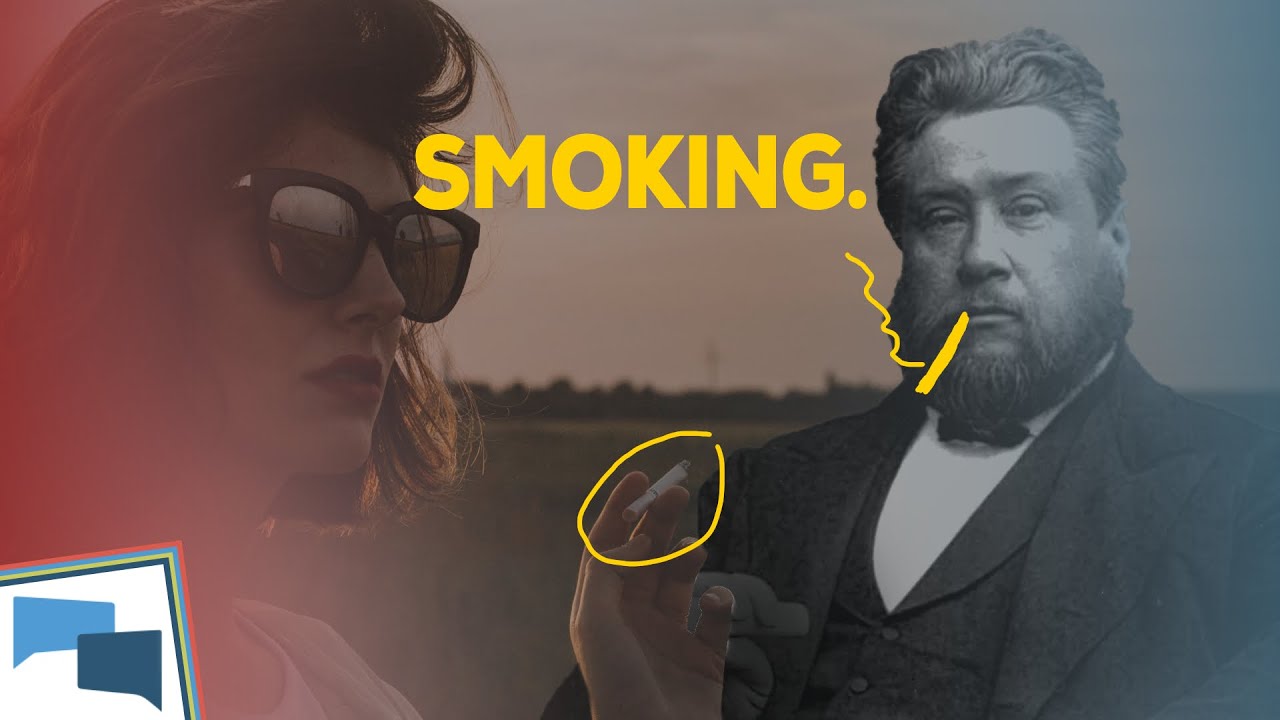
Is Smoking a Sin?
Is Smoking a Sin? 🤔
Every day, millions of people light up a cigarette. But is smoking a sin? This question goes beyond personal choice and delves into moral, health, and societal perspectives. Throughout this article, we will explore various angles on this contentious topic, and hopefully, by the end, you will have a clearer understanding of whether smoking is inherently sinful.
The Health Implications of Smoking
Let’s start with the facts. Smoking is scientifically proven to have detrimental effects on health. These include increased risks of lung cancer, heart disease, and respiratory illnesses. The question arises, does damaging one’s health to this extent align with moral values?
The Centers for Disease Control and Prevention highlights that smoking is the leading cause of preventable death in the United States. Whether one believes in a moral code or not, the health risks associated with smoking might lead many to consider it sinful, as it goes against the principle of caring for one’s body.
Religious Perspectives on Smoking
When examining whether smoking is a sin, religious doctrines often come into play. Different faiths hold varying views regarding smoking. For example, many interpretations of Christianity suggest that the body is a temple and should not be defiled. This leads some adherents to view smoking as a violation of this principle. On Wikipedia, you’ll find that sin is typically understood as an offense against divine law.


Christian Views
In Christianity, self-destructive behaviors, such as smoking, may be seen as sinful because they disregard God’s will for health and wellness. Conversely, some Christians might argue that moderation is key, and smoking does not constitute a sin unless it leads to addiction.
Islamic Perspectives
In Islam, smoking is generally considered haram (forbidden) due to the damage it causes to one’s body. Islamic teachings often emphasize the importance of preserving health. Major Islamic scholars have issued fatwas declaring smoking to be sinful.
Societal Implications of Smoking
Beyond personal beliefs and health issues, society also plays a crucial role in the discussion surrounding smoking. The growing stigma against smoking can often lead individuals to feel judged or marginalized. This societal perspective can lead to the conclusion that smoking might be sinful in terms of its impact on community health and public welfare.
Smoking and Addiction
Another aspect to consider is the addictive nature of smoking. Nicotine dependency often complicates the moral conversation surrounding smoking, as individuals may feel trapped in their habit. This raises the question: can a person truly be sinful for something they are addicted to? Experts argue that understanding addiction as a disease shifts the moral responsibility in some ways.
Comparative Analysis: Smoking vs. Other Enjoyments
It’s also essential to compare smoking with other habits or enjoyable activities that may have adverse effects. For instance, consuming excessive amounts of alcohol can lead to health issues and social problems. However, these activities are often more socially acceptable. Is smoking judged more harshly due to its visible effects?
Similar Products and Alternatives to Smoking
In recent years, vaping and e-cigarettes have gained popularity as alternatives to traditional smoking. Compared to smoking, these alternatives are often marketed as less harmful. However, discussions about whether they are truly a better option continue. Is smoking still a sin if one has switched to vaping? While they may have fewer health risks, the same moral implications may linger, depending on individual beliefs.
Complementary Tools to Support Healthier Choices
For those seeking to quit smoking or reduce harm, there are several complementary tools that can enhance the journey towards better health and lifestyle choices. Here are some suggestions to consider:
1. Support Groups
Joining support groups can provide a robust community that encourages motivation and accountability while attempting to quit smoking.
2. Mobile Apps
There are many mobile applications designed to help smokers track their habits and cravings. One excellent example is QuitNow!, a free app that…
- Provides daily tips and motivational quotes to keep users inspired.
- Tracks the time since your last cigarette, showcasing progress visually.
- Offers community support features with forums to connect with others.
- Includes an extensive library of cessation resources and articles.
3. Professional Counseling
Hiring a professional counselor specializing in addiction can be highly beneficial for managing cravings and establishing healthy coping mechanisms.
4. Nicotine Replacement Therapy
This therapy involves using patches, gums, or lozenges containing nicotine to ease withdrawal symptoms while quitting.
5. Meditation Apps
Incorporating mindfulness techniques through apps like Headspace can greatly help reduce stress and cravings.
6. Health Blogs and Online Communities
Participating in health-focused blogs allows sharing experiences and gathering advice from others navigating similar journeys.
7. Fitness Programs
Joining a local fitness program can divert focus from smoking to healthier lifestyle choices.
8. Educational Workshops
Attend workshops on the dangers of smoking and techniques for quitting. For more resources, explore SmokeFree.gov which offers…
- Evidence-based methods to help smokers quit successfully.
- Webinars with experts in smoking cessation.
- Personalized quit plans to adapt to individual needs and lifestyle.
- Access to contests and motivational challenges to enhance user engagement.
9. Healthy Cooking Classes
Engaging in cooking classes can encourage a healthier lifestyle and distract from smoking cravings.
10. Journaling Tools
Using journals to track progress can provide insights into emotional triggers and habits surrounding smoking.
Developing Personal Insights on Smoking
Ultimately, individual beliefs surrounding smoking may vary widely. Personal experiences, health implications, and moral beliefs all play significant roles in forming one’s views on whether smoking is a sin. As views evolve, it is essential to keep an open mind and recognize the complexity of the issue.
Final Thoughts
As you reflect on whether smoking is a sin, consider its health implications, societal views, and personal beliefs. By fostering a conversation around this topic, we can learn from each other and ultimately strive for healthier choices. Remember, seeking complementary tools can significantly impact your journey toward making more informed lifestyle decisions.
Is Smoking a Sin? Insights and Reflections 🌱
Have you ever pondered the moral implications of smoking? The question, “Is smoking a sin?” weighs heavily on the minds of many, especially those considering the impact of this habit on their lives and society at large. This article delves deep into the multifaceted nature of smoking, intertwining health implications, ethical viewpoints, and potential alternatives. Let’s navigate this complex issue together.
Understanding the Ethical Dilemma of Smoking
At the core of the question, “Is smoking a sin?” lies an ethical dilemma. Many argue that smoking harms not only the individual but also those around them. The act of smoking raises questions about personal freedom versus societal responsibility. Some religious and ethical frameworks may label smoking as sinful due to its implications for health and well-being.
Religious Perspectives
Different religions offer varying stances on smoking. For example:
- Christianity: Certain denominations view smoking as harmful, opposing any actions that jeopardize health.
- Islam: Smoking is generally discouraged due to its damaging effects on the body.
- Buddhism: Often advocates for a lifestyle free of addictions, which could incorporate a stance against smoking.
Health Implications of Smoking
When discussing “Is smoking a sin?“, it’s crucial to consider the substantial health risks associated with smoking. Cigarettes contain thousands of chemicals, many of which are toxic and lead to serious health problems such as:
- Lung cancer
- Heart disease
- Respiratory disorders
- Weakened immune system
The links between smoking and health issues are well-documented. According to the Centers for Disease Control and Prevention, smoking remains the leading cause of preventable death in the U.S.
Cultural and Societal Views on Smoking
Culturally, smoking is perceived differently across various societies. In some cultures, smoking is part of social rituals, while in others, it may be stigmatized. The viewpoint on whether smoking is a sin can change dramatically based on social norms and pressures.
Impact of Stigmatization
Stigmatization can lead to feelings of shame in smokers, influencing their mental health. The perception of smoking as a sin can be a powerful deterrent for some, while for others, it may lead to rebellion against societal expectations.
Alternative Smoking Products: A Comparative Perspective
With growing awareness about the dangers of traditional smoking, alternatives such as e-cigarettes and nicotine patches have gained popularity. While these methods come with their own risks, they often provide a perceived safer alternative to conventional smoking.
Compared to traditional cigarettes, alternative smoking products like vaping devices often claim to reduce harmful chemicals inhaled. But is the transition to these alternatives addressing the core issue or merely providing a different avenue of potentially sinful behavior? For example:
- Unlike traditional cigarettes, vape pens may deliver nicotine with fewer harmful chemicals, which can appeal to those trying to quit smoking.
- Compared to smoking, nicotine patches allow for a regulated intake of nicotine, potentially reducing addiction.
Complementary Tools to Enhance Your Journey
In the endeavor to quit smoking or transition to safer alternatives, several tools can enhance your experience and effectiveness. The following options work well in synergy with the question “Is smoking a sin?“, providing support and resources:
- Nicotine Replacement Therapy: This includes gums and lozenges, helping reduce withdrawal symptoms.
- Health Tracking Apps: Monitor your progress and manage cravings—perfect for individuals who are on the fence about their smoking habits.
- Online Support Groups: Find community and motivation without judgment. Websites like QuitNow offer daily encouragement.
- Educational Resources: Platforms like the Smokefree.gov website provide vital information on quitting and understanding the implications of smoking.
- Mindfulness Apps: Use tools like Headspace to cultivate awareness around smoking triggers.
Practical Examples of Combining Tools
By utilizing the combined power of smoking cessation tools, you can enhance your quitting strategy. Here are some strategies to make that synergy work:
1. Use Health Tracking Apps with Online Support Groups
By using health tracking apps alongside online support groups, you will achieve more efficient results when trying to quit smoking. The app generates data you can share for accountability, while the group provides emotional support.
2. Nicotine Replacement Therapy and Mindfulness
Implementing nicotine replacement methods while using mindfulness applications can create a dual approach. This combination allows for manageable physical symptoms and helps maintain mental clarity and calm during challenging cravings.
- Enhances awareness of triggers.
- Meets cravings with controlled nicotine intake.
- Guides emotional responses with mindfulness techniques.
- Aims for holistic improvement in quitting success.
3. Leverage Educational Resources and Online Communities
By combining online educational resources with community support, you’ll gain insights into your journey while staying motivated through shared experiences.
Responses from Smokers: Attitudes and Beliefs
How do those who smoke perceive the idea of smoking as a sin? Attitudes vary widely. Some might acknowledge it as harmful but struggle with cessation due to addiction, while others may embrace smoking as part of their identity, resisting the notion of sin associated with it.
Personal Testimonies
Personal experiences illuminate the diverse thoughts among smokers. For instance, Jane, a former smoker, stated, “I battled with the guilt of smoking, especially when considering my children’s future.” In contrast, Steve, an occasional smoker, remarked, “I see it as a vice, but not necessarily a sin.” These perspectives show the complexity of beliefs surrounding smoking.
Advocacy and Public Health
Public health campaigns have aimed to reduce smoking through laws and education. These measures have undoubtedly decreased smoking rates, but the question remains: does reducing smoking equate to a moral victory in the context of sin?
Effectiveness of campaigns can be linked back to the messaging surrounding sin versus personal choice, creating a nuanced conversation among health advocates and the public.
Final Thoughts and Continued Exploration
The debate on “Is smoking a sin?” remains rich and varied, marked by health implications, cultural beliefs, and personal stories. Understanding the broader context of smoking and its perceptions can empower individuals to make informed choices about their habits and health. So, what will you take away from this exploration? Your awareness and actions could make a significant difference, for yourself and those around you. Let’s continue to examine and reflect on this critical topic together.
The Role of Education and Awareness
Is Smoking a Sin? A Comprehensive Exploration
Is smoking a sin? 🤔 This question transcends mere preference and delves deep into moral, religious, and societal dimensions. Throughout this article, we will examine the implications of smoking within various contexts, guiding you through insights that highlight relevant points without overwhelming you with unrelated topics.
Understanding the Concept of Sin
Before we can determine if smoking is a sin, we need to unpack what we mean by “sin.” Traditionally, a sin is viewed as a transgression against divine law, ethical standards, or community norms. Different cultures and religions may define sin variably, leading to differing opinions on smoking.
For example, in Christianity, sin might be defined in terms of actions that separate an individual from God. By contrast, other religions may approach sin with a more holistic lens, emphasizing the impact of one’s actions on the community and one’s self.
Religious Perspectives on Smoking
When evaluating smoking through a religious lens, it is essential to recognize that beliefs differ widely across faiths.
- Christianity: Many Christian denominations view smoking as detrimental to the body, which is often referred to as the “temple of the Holy Spirit.” This perspective may not explicitly label smoking as a sin, but it raises questions about its morality.
- Islam: In Islam, while there isn’t a unanimous stance, smoking is often discouraged due to health concerns. Some scholars describe it as haram (forbidden), particularly due to its health risks.
- Buddhism: Buddhism tends to emphasize mindfulness and the impact of one’s actions. Smoking may be viewed negatively as it can lead to addiction and harm.
Moral and Ethical Considerations
Aside from religious views, moral evaluations of smoking prompt us to consider good versus bad behavior. Is smoking an act of self-harm? Does it harm others through secondhand smoke? These questions invoke deeper ethical considerations.
The Health Perspective
From a health standpoint, the risks associated with smoking are well-documented. The World Health Organization (WHO) estimates that smoking kills more than 8 million people each year. These statistics not only raise alarm bells but also lead many to view smoking as a public health crisis rather than a mere personal choice.
Health issues linked to smoking include:
- Cancer (especially lung cancer)
- Heart disease
- Respiratory disorders
- Reduced life expectancy
The question arises: does the potential for extensive harm classify smoking as a sin? Might it qualify as an immoral action against oneself and society? Exploring these ideas further enhances our understanding of whether smoking stands as a sin in various contexts.
Social Implications of Smoking
Smoking’s impact extends beyond individual health, touching on broader social issues such as economic costs and public perceptions. Society often bares the burden of smoking through healthcare costs and lost productivity—factors that amplify the debate on whether smoking is, indeed, a sin.
Economic Costs of Smoking
The economic ramifications of smoking affect communities. Consider the following:
- Costs incurred from healthcare treatment due to smoking-related illnesses.
- Productivity losses as smokers may take time off work due to health issues.
- Financial burdens on family and friends who may need to support those dealing with addiction.
These points foster discussions about collective responsibility in relation to smoking. If smoking not only harms individuals but drains societal resources, can it be reasonably categorized as a sin in the economic sense?
Comparative Views: Smoking and Other Substances
To deepen our understanding of smoking’s moral implications, it’s worth comparing smoking with other similar substances, such as alcohol or recreational drugs.
Comparative Analysis: Alcohol vs. Smoking
Alcohol use is another area of scrutiny regarding moral and ethical behavior. Like smoking, alcohol consumption has significant health implications. However, societal attitudes toward alcohol are often more permissive.
- Unlike smoking, which is often viewed as self-destructive, alcohol consumption can sometimes be framed as a part of cultural traditions or social gatherings.
- Smoking is frequently associated with negative health outcomes, while moderate alcohol use may not incur the same immediate stigma.
This juxtaposition raises questions about societal norms and how they influence perceptions of sinfulness. Why is smoking often more condemned than drinking in certain contexts?
Complementary Tools to Enhance Your Journey in Understanding Smoking
While pondering the question “is smoking a sin,” there are various complementary tools you can utilize to further enhance your understanding and awareness. The following ideas can help you on this reflective journey:
- Health Tracking Apps: Use apps like MyFitnessPal to monitor lung health and overall wellness.
- Online Support Groups: Engaging with platforms like QuitNet can provide community support to those pondering the sinful nature of smoking.
- Meditation Guides: Apps such as Headspace can promote mindfulness that may assist in considering your choices around smoking.
- Educational Resources: Websites dedicated to smoking cessation will help you understand the risks better.
- Health Blogs: Following reliable health blogs can provide ongoing insight on smoking and its implications.
- Religious Counsel: Consulting clergy or spiritual advisors can give perspective on sin from a religious viewpoint.
- Counseling Services: Professional services can help explore psychological aspects related to addiction.
- Documentaries: Watching films about smoking can provide emotional and intellectual perspectives that add depth to the discussion.
- Health Education Programs: Participating in workshops focused on smoking can further your understanding of its impacts.
Detailed Look at Complementary Tools
Online Support Groups
- Provides community support to individuals contemplating quitting or understanding their smoking.
- Encourages sharing experiences to highlight the personal and collective struggle.
- Access to resources and guidance from those who have successfully quit smoking.
- Creates a space for discussing underlying issues related to addiction.
Explore communities like QuitNet for valuable support.
Meditation Guides
- Promotes mindfulness techniques that can help individuals reflect on their smoking habits.
- Encourages relaxation, which may reduce the urge to smoke.
- Enhances self-awareness regarding the reasoning behind smoking.
- Provides a broader perspective on health and well-being.
Consider trying Headspace to integrate meditation into your routine.
The Path Forward: Navigating Choices
Ultimately, the decision of whether smoking is a sin will depend heavily on personal beliefs, societal norms, and health considerations. Understanding these nuances provides a clearer picture of the stakes involved. How we engage with smoking reflects broader concerns about health, personal autonomy, and ethical behavior.
Now it’s your turn to reflect. Consider your values, health, and perceptions surrounding smoking. What choices will you make moving forward? By engaging in this contemplation, you enrich not only your understanding of smoking as a potential sin but also how it fits within your lifestyle and choices.
