Is Jewish a Race or Religion? 5 Key Insights Explained
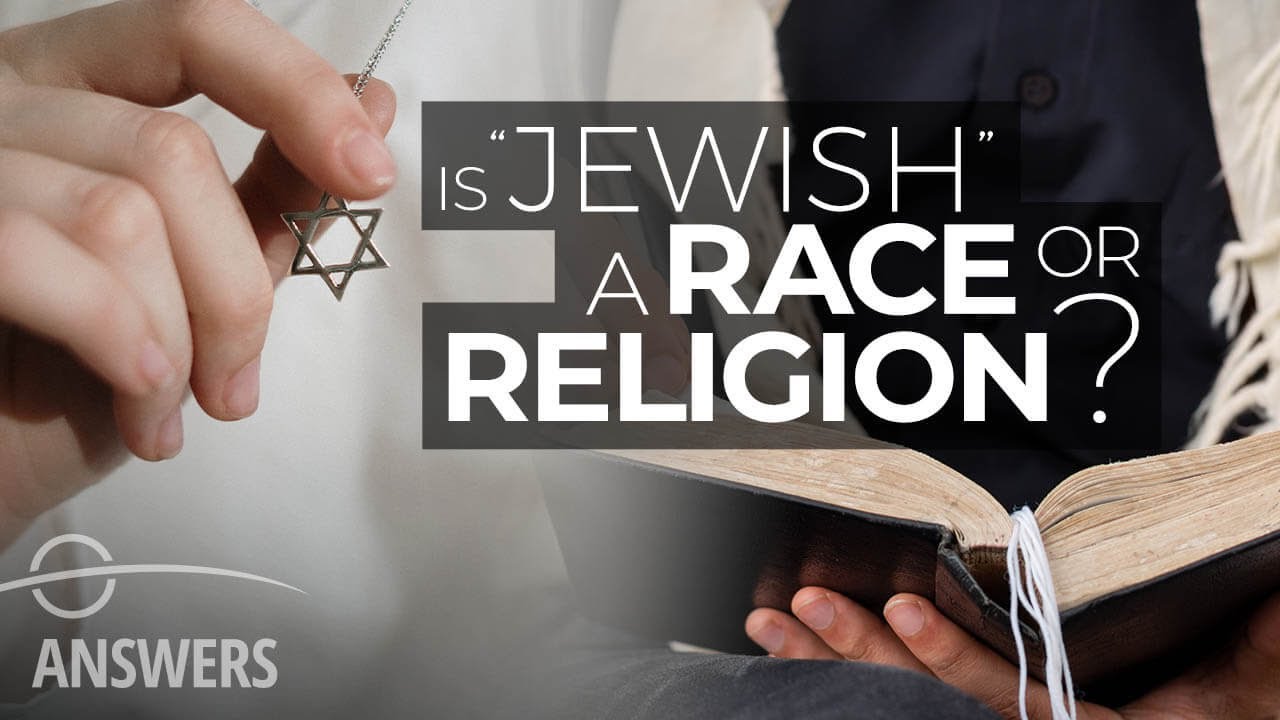
Is Jewish a Race or Religion?
Is Jewish a Race or Religion? 🤔
The question of whether being Jewish is a race or religion has fascinated scholars, community leaders, and individuals alike. What makes this question especially intriguing is that Jewish identity encompasses a rich tapestry of cultural, historical, and religious dimensions. While some may see it strictly as a religion, others assert a racial or ethnic dimension, giving rise to a complicated discussion. So, what’s the truth behind this multifaceted identity? Let’s dive deeper into this topic.
Understanding Jewish Identity
Jewish identity intertwines various elements, including cultural heritage, religious beliefs, and historical context. To grasp the complexities, we should consider the following aspects:
Religious Aspects
Judaism, the religion associated with the Jewish people, has a rich tradition that encompasses rituals, ethics, and a spiritual worldview. Those who identify as Jewish often practice the faith through various customs and observances, such as the Sabbath, dietary laws, and significant life events like Bar and Bat Mitzvahs. These religious observances create a bond among community members, reinforcing their identity.
Cultural and Ethnic Dimensions
On the other hand, many Jews identify with the cultural aspects of being Jewish, such as language, customs, and shared history. This cultural identity often transcends religious practice. For instance, Jews may identify as culturally Jewish even if they do not adhere to religious observances. This duality introduces the question: can Jewish identity exist independently of religion?

Historical Context
The historical narrative of the Jewish people, from ancient times through the diaspora to modern Israel, has shaped what it means to be Jewish today. The suffering endured during events like the Holocaust has also impacted identity, fostering a sense of unity and resilience among Jews worldwide.
Jewish Identity: A Race or Ethnicity?
When discussing Jewish identity as a race or ethnicity, it’s important to consider scientific perspectives and societal definitions. Here are some enlightening views:
Genetic Studies
Recent genetic research indicates that individuals of Ashkenazi, Sephardi, and Mizrahi descent share certain genetic markers, suggesting a common ancestry. Some argue that this scientific evidence leans towards classifying Jews as a distinct ethnic group. However, the race concept is controversial; it is often viewed as a social construct rather than a rigid biological classification.
Social Constructs and Identity
While genetic studies provide insight, it’s crucial to recognize that identity cannot be confined to biological aspects alone. Many people define themselves as Jewish based on personal beliefs, family heritage, and shared cultural experiences rather than strict racial categorizations.
The Intersection of Race, Culture, and Religion
Understanding Jewish identity calls for a recognition of the intersections between race, culture, and religion. These elements contribute to a complex and often overlapping identity. For instance, an individual may identify as ethnically Jewish while practicing another faith or attending cultural events without religious observance. This dynamic reflects the broader reality of human identity, which often resists simple classification.
Addressing Common Misconceptions
In the discourse surrounding whether Jewishness is a race or religion, several misconceptions arise:
Myth: All Jews Are Religious
This myth overlooks the diverse range of beliefs and practices among Jews. Many Jews adopt secular lifestyles while still identifying strongly with their heritage.
Myth: Jewish Identity Is Monolithic
Jewish identity varies significantly across different communities, including Orthodox, Conservative, Reform, and secular Jews, revealing a rich internal diversity.
Complementary Perspectives to Enhance Understanding
To further explore the nuances of Jewish identity, consider the following complementary tools and resources:
Documentaries and Literature
Engaging with documentaries or books about Jewish life can enhance your understanding of what being Jewish entails. Titles such as “The Jewish Story” provide visual perspectives on cultural identity.
Online Journals and Articles
Dialogues and scholarly articles on platforms like JSTOR can offer academic insights into the complexities of Jewish identity, bringing different viewpoints to the forefront.
How to Explore Jewish Identity Further
Here are some clear ideas to effectively use tools and resources to deepen your exploration of Jewish identity:
- Join discussion forums on platforms like Reddit’s Judaism community to explore diverse opinions on Jewish identity.
- Read autobiographies or memoirs from prominent Jewish figures to gain personal insights into the experience of being Jewish.
- Attend community events or lectures in your area that focus on Jewish culture and identity, enabling direct engagement with the subject matter.
- Utilize streaming services like Netflix to access documentaries and series about Jewish history and culture.
- Explore college courses on Jewish studies through platforms like Coursera that offer a structured educational approach to understanding Jewish identity.
- Dive into Jewish texts, such as the Torah, to understand foundational religious principles that resonate with cultural identity.
- Engage with local synagogues or community centers that offer resources and programs aimed at fostering understanding among various beliefs and backgrounds.
- Participate in social media campaigns or movements advocating for Jewish rights and representation, enhancing your understanding of contemporary issues.
- Collectively explore ideas around anti-Semitism by reading scholarly articles that tie together race, identity, and religion.
- Utilize podcasts that cover modern Jewish experiences to maintain an ongoing dialogue about identity and culture.
Examples of Jewish Identity in Society
Jewish identity manifests in various social contexts, providing opportunities for community connection and cultural appreciation. By engaging with Jewish cultural products, you can witness these expressions firsthand.
Art and Music
Jewish artists and musicians often express their identities through their work, reflecting themes of faith, history, and community. Exploring the contributions of Jewish composers or writers expands your understanding of how Jewishness infuses cultural landscapes.
Culinary Traditions
Jewish culinary traditions, from bagels to matzo ball soup, highlight the intersection of culture and community. Exploring these dishes not only connects you to Jewish heritage but also showcases the way food becomes a vessel for cultural expression.
Jewish Identity and Social Issues
Modern Jewish identity also grapples with social justice issues. Engaging with initiatives that promote tolerance, diversity, and heritage preservation can provide a deeper insight into the implications of Jewish identity today.
Advocacy Groups
Organizations such as the Anti-Defamation League (ADL) work to combat anti-Semitism and promote pluralism in society, emphasizing how Jewish identity plays a role in broader social concerns.
Concluding Remarks
The question of whether being Jewish is a race or religion opens up a profound exploration of identity. It reflects not just personal belief systems, but also deep-rooted cultural, historical, and social dimensions. Embracing the complexities of Jewish identity provides a richer, more nuanced understanding of individuals and communities alike. As you explore this subject further, remember that every experience can contribute to your appreciation of Jewishness in all its forms.
The Dual Nature of Jewish Identity
Is Jewish a Race or Religion? Exploring Identity
What if you could delve deeper into the intricate identity of a people and their beliefs? 🕵️♂️ The conversation around whether Jewish identity is rooted more in race or religion is a rich, complex discourse dating back centuries. This article aims to unravel these aspects, addressing common misconceptions and providing clarity.
The Meaning of Jewish Identity
At its core, Jewish identity encompasses both ethnic and religious dimensions. To understand this duality, it’s essential to define what it means to be Jewish—a blend of culture, tradition, and belief systems.
Jewish as a Religion
Judaism, as a religion, is founded on a belief in one God and the observance of religious laws derived primarily from the Torah. The practices can vary significantly among different Jewish communities, leading to diverse interpretations and ways of life.
Jewish as an Ethnic Group
On the other hand, Jewish identity as an ethnic group involves shared ancestry, cultural practices, and historical experiences. Many Jews consider themselves part of a distinct people, with a rich heritage that transcends religious beliefs.
The Historical Context
Understanding how Jewish identity has been perceived throughout history is vital. The Jewish people have faced varying definitions based on the sociopolitical climate, from being seen as a race during the Nazi regime to being recognized as a cultural group in more modern settings.
Historical Undercurrents
From the Diaspora to the Enlightenment, the evolving narrative around Jewish identity reflects broader societal changes. The question of race vs. religion has often been a socio-political tool to delineate boundaries.
Modern Perspectives
Today, the discourse continues, with many Jews identifying simultaneously as part of a religion and an ethnic group. This duality complicates how both outsiders and insiders view Jewishness.
Judaism vs. Jewish Ethnicity
It’s important to differentiate between being Jewish by religion (those who practice Judaism) and being Jewish by ethnicity (those who may not practice the religion but identify culturally or historically). This distinction plays a crucial role in societal understanding.
The Role of Cultural Identity
Cultural practices, from cuisine to holidays, form a core part of the Jewish identity, regardless of religious observance. For example, celebrating Passover is an expression of cultural identity that resonates with Jews worldwide.
Cultural Traditions
- Jewish culinary practices, like challah bread and matzo ball soup, reflect shared traditions.
- Festivals such as Hanukkah and Yom Kippur underscore cultural and religious significance.
- Language plays a pivotal role, especially with Yiddish and Hebrew serving as backdrops for Jewish cultural expression.
- Art, literature, and music also contribute to a robust cultural identity, encapsulating the experiences of Jewish life.
The Intersection of Race and Religion
To further expand on the topic, we must consider how race and religion can intersect. Not every Jewish person adheres to the same beliefs or practices, and attitudes towards these identities can vary widely.
Defining Racial Identity Among Jews
In many contexts, Jewish identity can also be viewed through the lens of race, particularly in discussions of anti-Semitism, where Jewish people have been categorized racially, often with detrimental effects.
How do Others View Jewish Identity?
The perception of Jewishness varies globally, with some cultures recognizing it as a national identity and others strictly as a belief system. This variability complicates the conversation around whether Jewish identity should be viewed as a race or a religion.
The Outsider’s Perspective
Understanding how non-Jewish communities perceive Jewish identity is vital for contextualizing prejudice and stereotypes. Here, inaccuracies can lead to harmful generalizations and discrimination.
Complementary Tools and Resources
Strengthening your understanding of Jewish identity can be significantly enhanced through various educational tools and resources.
1. Documentaries and Films
Engaging documentaries and films can offer visual and narrative insights into Jewish history and culture, such as “The Jewish People: A Story of Survival.” These aids provide deeper comprehension, allowing viewers to grasp cultural nuances.
2. Educational Workshops and Seminars
Participating in workshops can broaden perspectives by directly engaging with Jewish educators and community members. Platforms like Chabad offer educational resources that explore Jewish beliefs and practices in-depth.
- Learn directly from knowledgeable sources.
- Utilize interactive experiences to deepen understanding.
- Engage in discussions that illuminate various aspects of Jewish identity.
- Access supplementary materials that enhance the learning journey.
3. Online Courses
Websites such as Skillshare provide structured online courses on Jewish traditions, offering interactive platforms to learn at your own pace.
4. Books by Jewish Authors
Reading works by Jewish authors can provide personal insights into the complexities of Jewish life. Titles like ‘The Chosen’ by Chaim Potok delve deep into the nuances of Jewish identity.
5. Cultural Festivals and Events
Attending Jewish cultural festivals, such as Hanukkah celebrations, will enhance your understanding of community practices. These events provide insights into the shared cultural heritage of the Jewish people.
6. Travel Programs
Consider travel programs that focus on Jewish heritage and history. Organizations like Jewish Travel arrange tours focused on significant locations that characterize Jewish history, enhancing your firsthand understanding.
7. Volunteer Opportunities
Engaging with local Jewish communities through volunteer opportunities is another practical approach. Many organizations welcome volunteers, allowing direct interaction with Jewish culture and traditions.
8. Social Media Groups
Joining online groups allows for interaction with other individuals questioning and exploring the complexities of Jewish identity. Platforms like Facebook offer various groups where discussions about being Jewish as a race or religion take place.
- Participate in open discussions about identity.
- Connect with people from diverse backgrounds.
- Share experiences and resources regarding Jewish culture.
- Access a breadth of knowledge from group members.
9. Podcasts on Jewish Life
Listening to podcasts can offer fresh perspectives and discussions on Jewish identity, available on platforms like Podcast Platform. They allow you to explore complex themes in your own time and space.
10. Jewish Community Centers
Local Jewish community centers often offer various resources, from educational programs to community engagement events. These centers can serve as hubs for learning and interaction.
Final Thoughts on Jewish Identity
In the rich tapestry of human identity, the question of whether Jewish identity is best defined as a race or religion continues to invoke thought and discussion. Acknowledging the multifaceted nature of Judaism encourages a deeper understanding and respect for the diversity within this identity.
