Is Easter a Pagan Holiday? 5 Surprising Facts Uncovered
Is Easter a Pagan Holiday?
Is Easter a Pagan Holiday? 🌼
The question of whether Easter is a pagan holiday often stirs curiosity and debate among historians, theologians, and everyday people alike. This exploration dives into the origins, traditions, and modern interpretations of Easter, shedding light on its complexity and potential connections to pagan customs. What you’ll discover might surprise you as we navigate through time and culture!
Understanding Easter’s Origins
Easter’s roots can be traced back to early Christian traditions, specifically celebrating the resurrection of Jesus Christ. However, the timing of this festival coincides with ancient spring celebrations, leading many to wonder about its potential pagan influences. Let’s take a closer look at these ancient traditions.
Pagan Influences on Easter
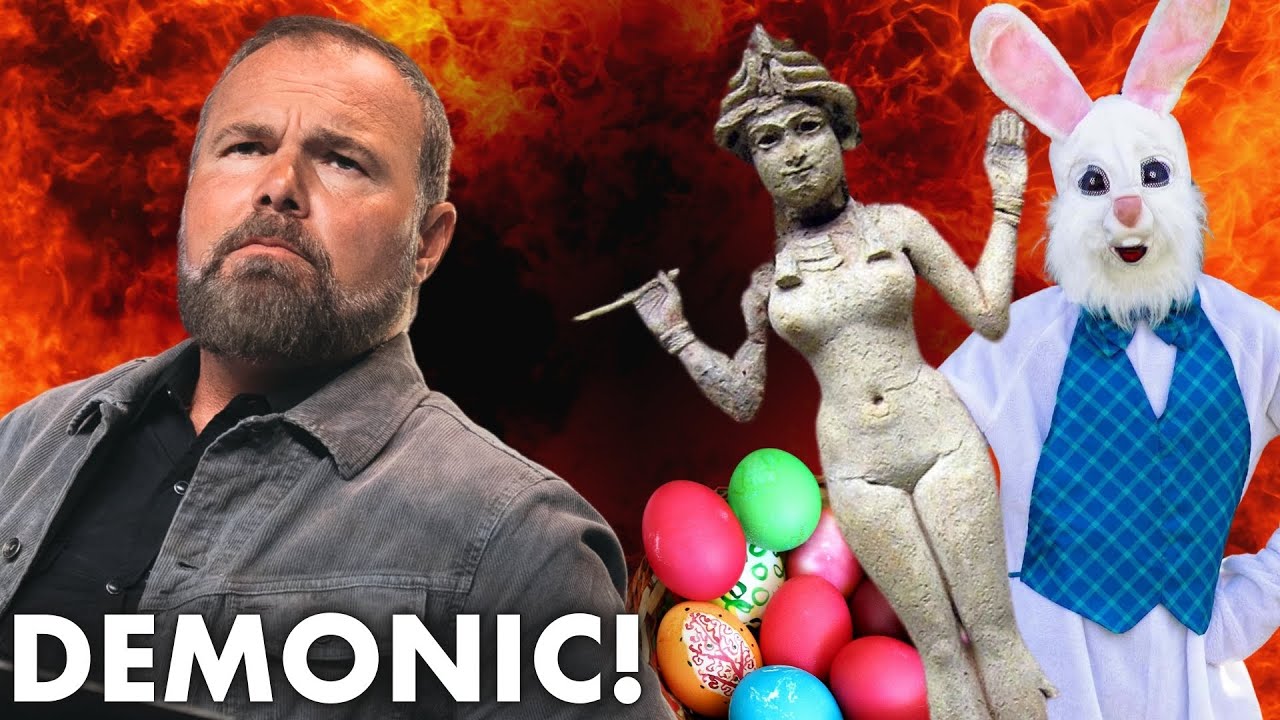
Various scholars suggest that the name “Easter” may be derived from Ēostre, a goddess of spring and fertility worshiped by the Anglo-Saxons. This fertility connection is reflective of the themes of rebirth and renewal that are also prominent in Christian Easter celebrations. Aspects of Easter, such as eggs and bunnies, are symbolic of fertility and have been adopted into modern traditions.
Key Traditions and Their Significance
Many Easter traditions may indeed have pagan origins. Here are some key elements:

- Easter Eggs: Originally a symbol of fertility, eggs were used in various springtime rituals.
- The Easter Bunny: Similarly, this symbol is linked to fertility and rebirth.
- The Timing of Easter: The date of Easter is determined based on the lunar calendar, reminiscent of ancient pagan practices regarding seasonal cycles.
Contrasting Christian and Pagan Elements
While both Christian and pagan traditions celebrate rebirth, their interpretations vary significantly. Christian Easter centers on the resurrection of Christ, emphasizing themes of forgiveness and salvation. In contrast, pagan traditions focus on celebrating nature’s renewal and fertility. Understanding these differences is crucial in appreciating the cultural evolution of Easter.
Modern Celebrations of Easter
Today, Easter is celebrated differently around the world. Various customs, from sunrise services to egg hunts, reflect both its Christian and potential pagan roots. Whether you celebrate Easter as a religious holiday or a secular event, it remains a significant time of year for many.
Is Easter Truly a Pagan Holiday?
Ultimately, the categorization of Easter as a pagan holiday largely depends on perspective. While there are pagan connections, the holiday has evolved to represent a variety of meanings and traditions. As such, it can be both a religious event and a cultural celebration. Understanding this duality enhances awareness of how customs can interweave over time.
Enhancing Your Easter Experience
To maximize the significance of Easter in your life, consider incorporating complementary practices that resonate with personal beliefs and values. Below are some imaginative ideas to enrich your Easter celebrations:
1. Explore Easter-Themed Crafts
Get inventive with DIY Easter decorations and crafts, bringing a personal touch to the festivities. Crafting can be a delightful way to engage with family and commemorate the season.
2. Integrate Traditional Foods
Cuisine plays a significant role in any holiday celebration. Prepare traditional Easter dishes that focus on seasonal ingredients, provided they reflect your cultural heritage. *Consider using [Family Cookbook Project](https://www.familycookbookproject.com/) to document your family’s favorite recipes.*
- Preservation of Recipes: Gather family recipes that are passed down through generations.
- Shared Cooking Experience: Foster connections by cooking together with family members.
- Documenting Tradition: Create a lasting cookbook that honors the family’s Easter culinary legacy.
- Recipe Sharing: Use the Project to share recipes with friends and extended family.
3. Participate in Local Easter Events
Many communities celebrate Easter through events such as parades or festivals. Engaging in local activities can deepen your connection to the holiday and create lasting memories with family and friends.
4. Charity and Giving Back
Easter can also be a time for reflection and generosity. Consider volunteering or donating to those in need, symbolizing the spirit of renewal and compassion.
5. Focus on Nature and Renewal
Spring is synonymous with rebirth and growth. Spend time outside appreciating the beauty of nature and the changes that it brings during this time of year.
6. Spiritual Reflection
For those who celebrate the religious aspects of Easter, incorporating moments of prayer, meditation, or spiritual reflection can enhance the personal significance of the holiday.
7. Learning About Cultural Variations
Different cultures celebrate Easter uniquely. Exploring and embracing these variations can enrich your understanding of the holiday’s depth and diversity.
8. Create a Family Easter Tradition
Consider launching a new family tradition that captures the essence of Easter while keeping it relevant to your family’s values. This could be anything from an annual family picnic to a community service project.
9. Share Historical Context with Children
Educating children about Easter’s history and significance can foster appreciation. Utilizing storybooks or educational resources can make this learning experience engaging.
10. Give Thoughtful Easter Gifts
Consider giving gifts that reflect the spirit of the season, such as thoughtful books, handmade crafts, or local artisan items that symbolize your values. This personal touch can enhance the meaning of the holiday.
Understanding the Dissonance
Some people may feel conflicted about the origins of Easter due to its intertwining of pagan and Christian elements. To navigate this, focus on the essence you wish to embrace. Understanding the background can clarify what symbols and practices hold meaning for you personally.
The Role of Community in Easter Celebrations
Joining hands with your community during Easter can fortify bonds and foster a spirit of togetherness. Whether through churches hosting events or neighborhood gatherings, these shared experiences can amplify the joy of the season.
Reflecting on Personal and Cultural Identities
As you participate in Easter traditions, consider what the holiday means to you personally. This reflection can yield insights into your belief systems, the significance of the symbols you honor, and how you connect with the broader community. Understanding both the religious and potential pagan aspects can create a more coherent picture of this multifaceted celebration.
Conclusion
Whether one sees Easter as pagan, Christian, or a wonderful blend of both, it remains a holiday rich in history, culture, and meaning for many. By embracing the traditions and exploring complementary practices, we can all find our own unique way to celebrate this vibrant occasion. The ongoing dialogue surrounding Easter encourages continuous exploration and appreciation of its evolving significance in our lives. Happy Easter! 🌷
Is Easter a Pagan Holiday? 🐣
Have you ever wondered about the true origins of Easter? Is it purely a Christian celebration, or does it have deeper, more ancient roots? This article dives into the fascinating history and various interpretations of Easter, shedding light on the claim that it may be a pagan holiday.
The Historical Overview of Easter
Easter, celebrated by Christians worldwide, commemorates the resurrection of Jesus Christ. However, the timing and many associated customs of Easter raise questions about its origins. The *Council of Nicaea* in 325 AD established a formula for determining Easter’s date, which falls on the first Sunday after the full moon following the vernal equinox. This means Easter does not have a fixed date and can be celebrated as early as March 22 and as late as April 25.
Pagan Influences and Spring Equinox Celebrations
The connection between Easter and pagan traditions is often linked to *spring equinox* festivities. Many ancient cultures celebrated the onset of spring, symbolizing rebirth and renewal. For instance, the *Saxons* honored the goddess Eostre, celebrating fertility and new life during this season. The name “Easter” itself is believed to have originated from her name.
Symbolism in Easter Traditions
Many Easter symbols carry roots that predate Christianity, making the discussion of Easter as a pagan holiday more intriguing:
- Eggs: Associated with fertility, eggs have been a symbol of rebirth in numerous cultures.
- Rabbits: The early connection of rabbits with fertility also ties into pagan customs.
- Bonfires: Lighting fires during spring festivals was common in many pagan traditions to celebrate the return of warmth and growth.
Exploring the Arguments
The debate regarding whether Easter is a pagan holiday often hinges on interpretations of various aspects of its celebration. Let’s look at some key arguments surrounding this topic.
Christian Perspective
Many insist that Easter’s significance comes solely from its Christian foundations. The resurrection of Jesus is viewed as a foundational event in Christianity, overshadowing any past pagan connections. However, the blending of festivals can be interpreted as an effort by early Christians to convert pagan communities by incorporating their customs into a Christian context.
Pagan Perspective
On the other hand, proponents of the pagan perspective argue that Easter embraces many *pre-Christian* customs that were retained and adapted. They highlight how Christian practices have often adopted symbolism from earlier beliefs, blending them into new contexts. This viewpoint suggests that certain Easter traditions may not be originally Christian but rather inherited from pagan roots.
The Cultural Impact of Easter
Regardless of its origins, Easter has grown into a complex holiday that represents more than just religious significance.
Global Celebrations and Variations
Different cultures incorporate unique practices into their Easter celebrations. For example:
- In Spain: The *Semana Santa* (Holy Week) features elaborate processions and traditional costumes.
- In the United States: Easter egg hunts and the Easter Bunny have become popular family activities.
- In Italy: The *Scoppio del Carro* (Explosion of the Cart) is a fascinating Easter tradition involving fireworks and a cart filled with fireworks.
Connecting Easter with Contemporary Traditions
As Easter has evolved, many contemporary customs have emerged, celebrating family and community. This shift indicates a broader cultural interpretation that transcends religious practice.
Complementary Tools and Traditions Around Easter
To enhance your Easter experience, consider integrating various complementary activities and tools that align with the holiday’s themes of renewal and celebration.
Art and Craft Tools for Easter Celebrations
Embracing creativity during Easter can add an extra layer of joy. Engaging in art and craft projects can foster meaningful connections and create lasting memories.
1. DIY Easter Egg Decorating Kits
- Encourages creativity.
- Brings friends and family together.
- Produces beautiful decorations for the holiday.
- Can be a fun activity for children and adults alike.
2. Spring Floral Arrangements
Creating floral arrangements can invigorate your home, reflecting the beauty of spring.
- Helps celebrate the season of renewal.
- Provides a sensory experience with colors and scents.
- Can double as Easter brunch centerpieces.
- Encourages enjoyment of nature’s beauty indoors.
3. Community-Based Activities
Participating in local events, such as Easter egg hunts or community gatherings, can strengthen bonds within your community and enhance the holiday experience.
4. Ancestor Recognition Rituals
A tradition of honoring ancestors can bring a deeper meaning to the holiday, reflecting on heritage and family history.
5. Yoga and Mindfulness Tools
Engaging in yoga or mindfulness practices helps reflect on personal growth and the themes of rebirth associated with Easter.
6. Cooking and Baking Tools
Bringing family together through cooking or baking traditional Easter dishes can create cherished memories and delicious meals.
7. Storytelling Sessions
Sharing stories, whether they are personal anecdotes or traditional narratives, enhances connection and understanding between generations.
8. Digital Video Call Platforms
Using platforms like [Zoom](https://zoom.us/) allows families and friends separated by distance to connect and celebrate together. Here’s how it enhances your celebration:
- Provides a virtual space for sharing experiences.
- Enables participation in family traditions through online activities.
- Allows for real-time interaction during celebrations.
- Facilitates a broader sense of togetherness despite geographical barriers.
9. Gardening Tools
As Easter symbolizes new life and rebirth, engaging in gardening presents a physical connection to the season’s themes.
10. Meditation Applications
Using apps like [Headspace](https://www.headspace.com/) can guide mindfulness practices, reflecting on Easter’s purpose and personal growth.
The Significance of Analyzing Easter’s Roots
Understanding whether Easter is a pagan holiday provides insights into the holiday’s evolution and significance in contemporary society. The dialogue surrounding its origins encourages individuals to reflect on cultural identity and the blending of traditions.
Key Takeaways
While the origins of Easter raise intriguing questions, this holiday encompasses a wide range of meanings and practices. From cherished family traditions to community gatherings, the essence of Easter lies in celebrating new life, hope, and renewal.
Final Thoughts
As you celebrate Easter, consider the rich tapestry of its history and the diverse traditions that have emerged. Whether viewed through a *Christian lens* or as a continuation of ancient practices, Easter remains a time of joy, reflection, and togetherness.
The Connection to Pagan Traditions
Is Easter a Pagan Holiday? 🐣
Is Easter a pagan holiday? It’s a question that stirs a lot of debate among historians, theologians, and cultural enthusiasts alike. Understanding the historical roots of Easter can provide a clearer perspective on its significance and how various traditions have evolved. This article delves into the origins, practices, and implications of Easter, alongside its connections to pagan festivals.
The Historical Background of Easter
Easter, celebrated predominantly by Christians, commemorates the resurrection of Jesus Christ. However, its timing and some customs align closely with pre-Christian, pagan celebrations of spring. For instance, the word “Easter” itself is believed to derive from the Old English word Ēastre, which is linked to a goddess of fertility and spring.
Pagan Festivals and Spring Celebrations
Many cultures have celebrated the arrival of spring as a time of renewal and fertility. For example, the ancient Greeks honored the goddess Aphrodite during the spring season, while the Romans celebrated Floralia, a festival dedicated to flowers and fertility. These rites often included feasting, planting, and various forms of merriment.
Easter’s Fusion of Traditions
The convergence of Christian beliefs and pagan traditions has led to a unique cultural tapestry in the celebration of Easter. While Easter’s religious significance is rooted in the resurrection, the timing of the festival coincides with earlier springtime rites. This blending raises the question: Is Easter simply a continuation of these pagan practices?
Rituals and Symbols
Several modern Easter customs can be traced back to ancient pagan traditions. For example, the Easter egg, a symbol of new life, may originate from the pagan custom of decorating eggs to celebrate spring. Additionally, the Easter Bunny, often linked to fertility due to its prolific nature, is another remnant of these earlier festivities.
Comparative Analysis of Easter and Other Celebrations
When comparing Easter to other spring celebrations, it becomes evident that they share common themes of rebirth and renewal. Let’s take a look at how various traditions align:
- Ostara: A pagan festival celebrated around the same time, honoring the spring equinox.
- Passover: A Jewish festival celebrating liberation, which often coincides with Easter.
- Vernal Equinox: A celebration of balance and new beginnings in many cultures.
Unlike these festivals, Easter focuses explicitly on the Christian narrative of resurrection, yet retains secular practices that make it familiar to a broader audience.
The Role of Cultural Adaptation
As cultures evolved, many pagan rituals were absorbed into Christianity, aiding in its spread. This phenomenon of cultural adaptation explains how certain pagan elements remain in the Easter celebration. By understanding this cultural interplay, individuals can appreciate the rich history behind what Easter represents today.
Complementary Tools and Services
To further enhance your understanding of Easter’s history and its ties to paganism, consider using various tools and resources available. Here are some suggestions:
- Online Courses: Explore sites like Coursera for courses on cultural history.
- Documentaries: Watch informative documentaries on platforms like Netflix.
- History Books: Dive deeper with books on the history of Easter or pagan traditions.
- Discussion Forums: Join forums related to religious studies to engage with others on this topic.
- Podcasts: Listen to enlightening podcasts that discuss Easter’s origins.
- Online Museums: Visit virtual museum exhibits that focus on Easter and its history.
- Mobile Apps: Use apps that provide interactive timelines of Easter’s evolution.
- Blogs and Articles: Read expert blogs that explore Easter from historical viewpoints.
Using Documentaries to Enhance Understanding
Documentaries can illuminate the intricate details of Easter’s evolution. Here are some advantages of using them:
- Visual Learning: Engaging visuals can help illustrate complex historical narratives.
- Expert Insights: Documentaries often feature scholars and historians sharing their expertise.
- Cultural Context: They provide context about various cultures and their traditions related to Easter.
- Accessibility: Easily accessible across multiple platforms, making it convenient to learn.
Exploring Online Courses
Online courses can offer structured content that delves into Easter traditions in greater depth. Here are some benefits:
- Self-Paced Learning: Flexibility to learn at your own pace, fitting into your schedule.
- Diverse Topics: Courses available on various aspects of Easter and pagan customs.
- Interactive Elements: Many courses include discussions and quizzes for engagement.
- Credible Sources: Often authored by respected historians and educators.
Easter’s Current Significance
Today, Easter is celebrated globally with diverse interpretations and traditions—ranging from religious observances to secular family gatherings. The symbols of new life represented by eggs, flowers, and bunnies persist in modern festivities, showcasing how these traditions have been embraced across cultures.
Modern Practices Intertwined with Tradition
While the religious aspect remains profound for many, secular practices have gained popularity, making Easter a communal celebration. Families partake in egg hunts, festive meals, and cultural events that revolve around themes of rebirth and hope.
The Importance of Understanding Easter’s Roots
Understanding whether Easter is a pagan holiday involves recognizing its layered history. The relationship between pagan customs and Christian traditions can foster a deeper appreciation for the diverse ways people celebrate life and renewal. This knowledge enriches not only individual understanding but also the communal experience of Easter festivities.
Encouraging Exploration of Origin Stories
By exploring the background of Easter, participants can find commonalities with other cultures and traditions around the world. This exploration encourages greater inclusivity and appreciation of various histories, helping to bridge cultural gaps.
Using Technology to Enhance Your Easter Knowledge
As you dive into the exploration of whether Easter is a pagan holiday, leveraging technology can enhance your learning experience. Pair ebooks, videos, and interactive applications with your research to create a comprehensive understanding of Easter’s evolution.
Integrating Technology in Learning
Engage with interactive timelines and databases, which offer visual representations of historical events related to Easter and pagan celebrations. By utilizing resources such as History.com, you can access well-researched articles and documentaries that further enrich your insights.
The Cultural Legacy of Easter
The cultural legacy of Easter continues to influence various aspects of society, from art to community gatherings. As we analyze this legacy, it is essential to recognize the intertwined pathways that have shaped modern traditions, helping us navigate the complexities of faith, culture, and history.
Final Thoughts: Embracing the Diversity of Easter
Ultimately, the question of whether Easter is a pagan holiday is not solely about delineating religious lines, but understanding the rich tapestry of human culture. Embracing this complexity allows individuals to celebrate Easter with a more profound sense of connection to the past and the communities that observe it today. What you’ll discover next might surprise you, as Easter continues to adapt and thrive in a diverse world.
Cultural Interpretations and Celebrations
Is Easter a Pagan Holiday? Uncovering the Truth
When spring arrives, so does the celebration of Easter 🐣, a time associated with renewal and joy. However, this holiday raises an intriguing question: is Easter a pagan holiday? Understanding the origins and cultural significance of Easter can shed light on its connections with pagan traditions and how they blend with Christian beliefs.
Understanding Easter’s Roots
Easter, as celebrated today, is deeply intertwined with Christian traditions, particularly commemorating the resurrection of Jesus Christ. Nevertheless, its roots stretch far beyond this religious context, intertwining with various ancient fertility festivals celebrated during the spring equinox.
Many scholars point to the celebration of Ostara, a pagan festival honoring the goddess of spring and fertility, as one of Easter’s significant influences. This association has led to arguments that link Easter to pagan traditions. To explore this comparison, let’s look closer at Ostara and its key features:
- Ostara celebrated the balance of light and dark during the equinox.
- It involved symbols of fertility, such as eggs and hares, similar to Easter’s traditions.
- Many pagan rituals during Ostara focused on planting and renewal.
- The timing of both holidays aligns closely with the spring equinox, signifying rebirth.
The Transformation of Traditions
The blending of pagan rituals into early Christian practices is not unique to Easter. As Christianity spread, many customs were adapted or adopted to make the religion more appealing to converts. This phenomenon, known as cultural syncretism, has marked the integration of various elements into religious observances.
Symbols and Their Meanings
Eggs and rabbits are two of the most prominent symbols associated with Easter. Traditionally, these symbols represent fertility and rebirth, clearly linking back to pagan practices. Eggs, particularly, symbolize new life, while rabbits are known for their prolific breeding. But how do these symbols translate into today’s celebrations?
In the context of Easter:
- Egg decorating and hunting have become popular traditions, blending both pagan and Christian elements.
- Chocolate and candy eggs symbolize the sweetness of new life and joy.
- Games and festivities revolve around egg rolling, often interpreted as symbolic of the stone rolling away from Jesus’s tomb.
The Role of Folklore
Another layer to consider is the rich folklore surrounding Easter. Various stories and legends have been attached to the holiday over time, contributing to the belief that it has pagan origins. For instance, the Easter Bunny is often viewed as an anthropomorphic representation of the hare, a figure prominent in various fertility myths across cultures.
Legitimate Arguments on Pagan Influences
Adherents of the idea that Easter has pagan roots argue that the holiday’s date can also trace back to pagan astrological events. The use of the lunar calendar to determine the date of Easter is another potential link to ancient practices. In contrast, others argue that while some traditions may share similarities, the core message of Easter is distinctly Christian.
Comparative Analysis: Pagan vs. Christian Interpretations
When comparing the two interpretations, several aspects emerge:
- Nature of the Celebration: Pagan practices celebrate fertility and natural cycles, whereas Easter primarily commemorates the resurrection.
- Calendar Alignment: Both share timing with the equinox, but Easter’s timing is determined by a combination of lunar and solar calendars.
- Symbolism: Fertility symbols like eggs take on new meanings within the Christian context, representing new life through Christ.
- Rituals: While both embrace exuberance and festivity, the underlying messages differ considerably.
Modern-Day Easter Celebrations
Today, Easter is celebrated with a mix of religious observances and secular traditions. While Sunday services, reflection, and prayer remain at the heart of Easter for many Christians, festivities include egg hunts, family gatherings, and public parades that reflect a blend of cultural expressions.
Complementary Tools for Enhancing Easter Celebrations
Optimizing your Easter celebration can involve engaging with various complementary tools and services that strengthen the themes of renewal and joy. Here are some suggestions:
1. Easter-Themed Decorations
Consider using Easter-themed decorations to create a festive atmosphere, such as wreaths or table centerpieces that reflect the holiday’s spirit.
2. Easter Meal Planning Apps
Utilize meal planning apps, like Mealime, to simplify the process of preparing traditional dishes.
- Save time with pre-designed meal plans.
- Tailor recipes to specific dietary requirements.
- Generate shopping lists for easy grocery visits.
- Share plans with family members to involve everyone in meal prep.
3. Community Events
Look for local community events that celebrate Easter, such as fairs or church gatherings where you can participate and meet others, enhancing the communal spirit. 🐇
4. Crafting Workshops
Engage in crafting workshops that focus on creating Easter decorations or gifts, adding a personal touch to your celebrations.
5. Family Game Night
Incorporate traditional games or celebrations that promote family bonding, intertwining past traditions with present joy.
6. Easter Book Clubs
Start a book club focusing on Easter themes or stories, fostering engagement and learning about the holiday’s significance.
7. Online Webinars
Take part in webinars that explore historical perspectives on Easter, enhancing your understanding and providing conversation topics for gatherings.
8. Gardening Apps
Consider using gardening apps, such as PlantNet, to inspire your spring planting efforts and capture the spirit of renewal.
- Identify plants and flowers that symbolize spring renewal.
- Receive seasonal gardening tips directly on your device.
- Engage your family in planting, reflecting the theme of growth.
- Document the growth process to create fun memories associated with Easter.
9. Online Recipe Websites
Explore popular recipes on sites like Food Network to create festive meals and desserts.
10. Virtual Prayer Groups
Join virtual prayer groups to celebrate Easter with others, sharing faith and families’ values in this charitable time.
The Global Perspective of Easter
As a widely celebrated holiday, Easter takes on various forms worldwide, adapting to local cultures and customs. Understanding these differences not only broadens your knowledge but also helps appreciate how the essence of renewal is perceived globally.
Regional Celebrations
In various parts of the world, Easter festivities can exhibit unique characteristics:
- In Italy: Processions and theatrical representations of Jesus’s journey play an essential role, showcasing local traditions.
- In Australia: The Easter Bilby has become a popular alternative to the Easter Bunny, reflecting efforts to promote native wildlife.
- In Poland: Easter Monday, known as Śmigus-Dyngus, includes playful water fights, reviving old customs.
- In Greece: Traditional red-dyed eggs symbolize the blood of Christ, highlighting cultural significance intertwined with religious rituals.
Symbolic Reflections on Easter
Ultimately, the doubt surrounding whether is Easter a pagan holiday leads to a richer understanding of how meanings and traditions intertwine. It reflects our cultural narratives and shows the evolution of beliefs over time. Understanding these connections can deepen appreciation for one’s personal or communal practices during this significant time.
So as you celebrate, remember the spirit of renewal—whether you see Easter through a pagan lens, a Christian perspective, or a blend of both. By engaging with this rich tapestry of traditions, you connect more deeply with the essence of the season and its potential for new beginnings. 🌷
