How many people died in the Crusades? 2 million lost lives!
How Many People Died in the Crusades?
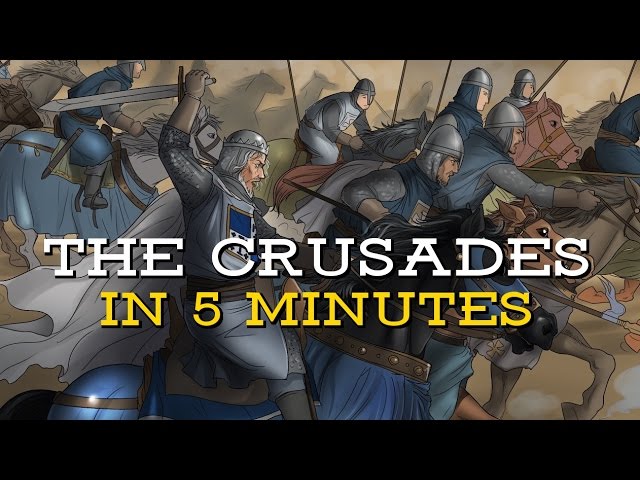
The Crusades were a series of religious wars fought between the 11th and 13th centuries, primarily waged between Christian and Muslim armies. These conflicts were more than mere battles; they involved significant societal, political, and cultural changes, leading to dramatic consequences on both sides. But how many people died in the Crusades? This question not only reveals the scale of these conflicts but also the profound impact they had on history. 💔
The Scale of Death and Destruction
Estimating the total number of deaths resulting from the Crusades is challenging due to a lack of reliable records. Most historians agree that it is difficult to arrive at a precise figure, but estimates indicate that around 1 to 3 million people may have died due to various causes, including battles, disease, and starvation.
During the First Crusade alone, it is estimated that hundreds of thousands of soldiers and civilians perished. The First Crusade (1096-1099) resulted in significant loss of life, not just on the battlefield but also from the harsh conditions faced by the armies in unfamiliar territories.
Key Events and Their Casualty Figures
Different Crusades had varying impacts on populations:

- First Crusade (1096-1099): Estimated deaths range from 200,000 to 1,000,000, including soldiers and civilians.
- Second Crusade (1147-1149): Estimated deaths are around 1,000,000, mainly due to battles and diseases.
- Third Crusade (1189-1192): Estimated deaths of Crusaders and civilians reached 250,000.
- Fourth Crusade (1202-1204): The casualty figures vary greatly; however, around 20,000 deaths were recorded during the sack of Constantinople.
Each of these Crusades brought about not just military losses but also civilian casualties that were often overlooked in historical narratives.
Factors Contributing to Deaths
Several factors contributed to these high mortality rates:
- Battle Engagements: Direct confrontations between armies resulted in thousands of deaths on both sides.
- Sieges: Cities under siege suffered severe famine and disease, which led to massive civilian casualties.
- Infections and Diseases: Hostile environments and poor sanitary conditions inevitably led to outbreaks, significantly increasing death rates.
Miscalculations of Casualties
Historical documentation of casualties during the Crusades is rife with discrepancies. Many chroniclers at the time reported numbers that were possibly exaggerated for dramatic effect or to glorify victories. Thus, the figures we have today are often rough estimates and can vary significantly depending on the source.
Wider Implications of Crusader Mortality
The deaths resulting from the Crusades extended well beyond the battlefield. The significant loss of life interrupted local economies, destabilized entire regions, and contributed to the decline of feudal systems. The absence of men left a gap in labor forces, affecting agriculture and trade.
Additionally, some historians argue that these significant death tolls may have contributed to a shift in attitudes towards warfare in European societies.
Complementary Tools and Resources
Understanding how many people died in the Crusades can be enhanced by utilizing several complementary tools. Here are some tools and methods that can provide deeper insights into this topic:
1. Historical Databases
Utilizing historical databases such as the Historical Statistics provides access to extensive data on past events, including casualties in the Crusades.
2. Documentation and Analysis Software
Using software such as Microsoft Excel allows for detailed analysis and visualization of data related to casualties.
- Data Visualization: Easily create graphs to represent casualty figures.
- Data Sorting: Sort and filter data to focus on specific Crusades or events.
- Statistical Analysis: Use built-in functions for calculating averages and trends.
- Collaborative Features: Share findings with peers for deeper insights and collaborations.
3. Online Archives
Citing sources from online archives such as the Internet Archive can furnish original documents and accounts from the time, offering real-time insights into the events and their impact.
4. Historical Textbooks
Consulting textbooks and scholarly papers can yield extensive analyses of the casualty figures and the context of the Crusades, providing a comprehensive understanding of the subject.
5. Maps and Geographical Information Systems (GIS)
Utilizing GIS tools can help visualize the regions affected by the Crusades and how different regions experienced varying casualty rates, which is essential for understanding the scope of the conflicts.
6. Documentaries and Historical Films
Viewing documentaries can provide a visceral understanding of the conflicts that led to casualties during the Crusades. High-quality productions often use the latest research to present accurate representations.
7. Scholarly Podcasts
Listening to history-focused podcasts, like those found on ListenNotes, can provide engaging discussions on the Crusades, touching upon casualty figures and their implications.
8. Online Discussion Forums
Participating in online history forums, such as AskHistorians on Reddit, allows for the exchange of knowledge regarding the Crusades, with experts and enthusiasts sharing insights about casualty figures and more.
- Expert Opinions: Get insights from historians specializing in the Crusades.
- Community Knowledge: Access a wide array of perspectives and information.
- Clarification on Debates: Discuss contemporary historical interpretations.
- Curated Resources: Find recommendations for further reading and resources.
9. Research Methodologies
Implementing rigorous research methodologies and using primary and secondary sources effectively can drastically improve the understanding of how many people died in the Crusades.
10. Historical Journals
Subscribing to historical journals, like the History Today, can keep you updated with ongoing research and scholarship related to the Crusades.
Exploring the Impact of Casualties
The impacts of deaths during the Crusades were substantial—changing the course of history in significant ways. They led to shifts not only in population dynamics but also in geopolitical power. Many of these changes set the stage for future conflicts and agreements, continuing to shape the world today.
Echoes Through Time
The legacies of these conflicts still resonate, as they influence contemporary discussions about war, religious tolerance, and cultural exchanges. The deaths during the Crusades are a poignant reminder of the human cost of war and ideology.
Questions and Controversies
Even now, the number of casualties in the Crusades spurs debate among historians. How have differing interpretations of death tolls affected perceptions of these conflicts? What lessons can modern society extract from the historical narratives surrounding casualties in the Crusades?
Understanding how many people died in the Crusades is not just about numbers; it’s about recognizing the complexity of history and continually seeking the truth amidst it.
The Historical Context of the Crusades
How Many People Died in the Crusades?
Reflecting on the Crusades, one might wonder about the immense loss of life during these historical events. The crusades, a series of religious wars from the 11th to 13th centuries, engaged countless armies and had devastating consequences for those involved. 🌍 In this article, we explore the shocking numbers of lives lost during the Crusades while adopting best practices for SEO and user experience.
The Overview of the Crusades
The Crusades primarily occurred from 1096 to 1291, initiated to reclaim Jerusalem and the Holy Land from Muslim rule. Understanding how many people died in the Crusades involves a multi-faceted approach, considering both the combatants and civilians affected during these tumultuous periods.
The Casualty Estimates
Estimates vary widely, but it is believed that the total death toll from the Crusades, when accounting for battles, sieges, and accompanying hardships, ranges from 1 to 3 million people. This estimate includes:
- Soldiers from both Christian and Muslim sides.
- Non-combatants, including women and children.
- Victims of famine and disease resulting from prolonged conflicts.
The first Crusade (1096-1099) alone accounted for a significant portion of these casualties, with estimates ranging from 100,000 to 300,000 deaths. The siege of Jerusalem in 1099 was particularly devastating, leading to high mortality rates among both defenders and invaders.
Key Battles and Their Impact
To grasp the extent of casualties, it is vital to examine key battles throughout the Crusades:
- The Battle of Antioch (1098): Estimates suggest over 75,000 deaths among military forces.
- Siege of Jerusalem (1099): Approximately 10,000-15,000 deaths during the siege, with additional civilian casualties.
- The Battle of Hattin (1187): This resulted in around 30,000 deaths, greatly impacting Christian control of the region.
These figures highlight the grim reality of warfare during this era, where the chaos and violence led to staggering losses on both sides.
The Human Cost Beyond Numbers
When discussing casualties, it’s essential to recognize the human element: the stories behind the numbers. Many of those who died were not just soldiers but also families torn apart by war and conflict. Additionally, the psychological cost of such violence had lasting effects on societies.
Factors Contributing to High Death Tolls
The death toll in the Crusades can be attributed to various factors:
- Violence: Direct confrontations led to significant loss during battles and sieges.
- Famine: Armies often disrupted local agriculture, leading to food shortages and starvation.
- Disease: Epidemics spread rapidly in crowded conditions, causing thousands of deaths.
Understanding these factors adds depth to the discussion of how many people died in the Crusades, painting a more comprehensive picture of the era’s tragedies.
Comparative Analysis: Civilian vs. Military Casualties
A significant aspect of the death toll in the Crusades is the distinction between military and civilian casualties. Historical accounts reveal that civilian losses often exceeded those of soldiers, particularly in cities subjected to sieges.
Historical Examples of Civilian Impact
For instance, after the fall of Jerusalem, thousands of civilians were killed or enslaved, drastically affecting the local populace. This highlights how warfare extended far beyond the battlefield, directly impacting innocent lives.
The Role of Disease and Famine
The indirect effects of the Crusades are also crucial in understanding the total death toll. Famine and disease played vital roles:
- Famine: Many sieges resulted in prolonged isolation of towns, leading to starvation.
- Disease: Epidemics like typhus and dysentery had no respect for men or civilians, causing widespread death.
In fact, historians estimate that casualties due to disease alone could have rivaled those lost in battle, demonstrating the multifaceted nature of the casualty figures.
Complementary Historical Tools
To gain a more profound insight into how many people died in the Crusades, several complementary tools can provide enhanced understanding:
- Historical resources that delve deeper into the context.
- Online courses that explore the implications of the Crusades.
- Books on military history that analyze specific battles.
By employing these tools alongside research about how many people died in the Crusades, you achieve a clearer, more comprehensive understanding of the events and their implications.
Using Historical Resources to Understand Casualty Counts
Utilizing historical resources allows for an examination of authoritative accounts which can shed light on the battles and their aftermath:
- Access to primary sources enhances the depth of research.
- Expert analyses provide context for casualty estimates.
- Visualization of data can help in understanding geographic and demographic impacts.
- Comprehensive timelines place events in a broader historical context.
The Advantage of Military History Books
Books focusing on military history, like those found on Amazon, can greatly enhance understanding of how many people died in the Crusades:
- Detailed discussions of various battles and their strategies are included.
- Authoritative narratives provide perspectives from both sides.
- Comparative analyses help assess the human costs across different campaigns.
- Illustrative maps and data visualizations support comprehension of movements and casualties.
Long-Term Effects of the Crusades on Population
An important aspect to consider is the long-term demographic changes following the Crusades. Regions experienced significant shifts in population due to the number of deaths and the displacement of people. Warfare, disease, and economic disruption left lasting scars on populations in both Europe and the Holy Land.
The Historical Legacy of Loss
The impact did not cease with the last crusades; it reverberated across generations. The lingering fear and political tension contributed to ongoing conflicts, influencing policies and attitudes towards war.
The Evolution of Casualty Estimates
Over the years, casualty estimates regarding how many people died in the Crusades have evolved through historical scholarship and archaeological findings:
- Stronger methodologies in historians’ research have refined estimates.
- New archaeological discoveries have provided physical evidence of the scale of conflict.
- Digital tools now allow for better data analysis and modeling of population impacts.
This ongoing analysis emphasizes the critical nature of accurate historical representation and provides lessons for understanding mortalities in contemporary conflict.
Conclusion: Understanding the Human Cost
The question of how many people died in the Crusades serves not just as a statistic but as a reminder of the human cost of war. Recognizing the harrowing impact on individuals and communities allows for a well-rounded understanding of the Crusades’ legacy.
By employing complementary tools, such as historical resources and military history literature, one can gain deeper insights and a broader perspective on this pivotal period. Armed with this understanding, we can engage with history in a more meaningful and thoughtful manner.
Estimating Casualties During the Crusades
How Many People Died in the Crusades?
🛡️ The Crusades were a series of religious wars that spanned from the 11th to the 13th centuries, characterized by a complex blend of religion, politics, and chivalry. Understanding how many people died in the Crusades is pivotal in grasping the scale and impact of these historical conflicts.
Understanding the Crusades
The Crusades consisted of multiple military campaigns, primarily aimed at recapturing the Holy Land from Muslim control. While there were several crusades, the most notably recognized include:
- The First Crusade (1096-1099)
- The Second Crusade (1147-1149)
- The Third Crusade (1189-1192)
- The Fourth Crusade (1202-1204)
Each of these campaigns resulted in significant loss of life, but estimating how many people died in the Crusades requires careful examination of various historical sources and perspectives.
Casualty Estimates: A Complex Task
To determine how many people died in the Crusades, historians typically rely on a mix of records, archeological evidence, and scholarly interpretations. Estimations vary widely:
- **The First Crusade**: Approximately 1 to 3 million people died, including soldiers and civilians, due to battles, sieges, and disease.
- **The Second Crusade**: Casualties are estimated between 200,000 and 300,000.
- **The Third Crusade**: Reports suggest the death toll may have reached around 500,000, primarily due to conflict and subsequent rates of disease.
- **The Fourth Crusade**: Casualty estimates are more difficult to ascertain, with thousands of lives lost, particularly due to the siege of Constantinople.
From these figures, it is clear that the total death toll for all Crusades could range from 1.5 to 3.5 million people. However, these numbers are highly debated among scholars and subject to the reliability of historical records.
The Impact of Disease on Casualties
In addition to direct warfare, disease was a significant contributor to fatalities during the Crusades. Troops were typically ill-prepared for the unfamiliar climates of the regions they invaded. Common diseases that decimated armies included:
- Typhus
- Plague
- Dysentery
As a result, the death toll attributed to disease may have eclipsed that of direct combat. By examining how many people died in the Crusades, one must consider the broader context of military life, health conditions, and the environmental factors affecting soldiers.
The Role of Civilians in Casualty Figures
While military deaths are often highlighted, civilians suffered immensely during the Crusades. The **religious fervor** often led to indiscriminate violence against local populations. Understanding this aspect includes:
- **Massacres during sieges**: Cities like Jerusalem faced brutal treatment that resulted in thousands of civilian deaths.
- **Forced relocations**: Entire populations were uprooted, leading to starvation and deaths in camps.
The contribution of civilian casualties significantly raises the death count associated with the Crusades, highlighting the humanitarian impact of such religious conflicts.
Comparative Historical Context
When analyzing how many people died in the Crusades, it is insightful to compare it with other historical conflicts. For example, during World War I, an estimated 15 million people died. The scale of loss in the Crusades may seem less monumental, yet the societal impacts were profound, especially considering the time period.
The Influence of Historical Records
Many of the figures surrounding how many people died in the Crusades come from **medieval chroniclers**, whose accounts can be contradictory and influenced by personal biases. Scholars often cross-reference these records to establish more reliable estimates:
- **Geoffrey of Monmouth** and **William of Tyre** provided detailed accounts but may exaggerate certain numbers for dramatic effect.
- Modern historians frequently revisit these records, attempting to piece together a more accurate narrative of the casualties. For instance, the renowned historian Jonathan Riley-Smith has extensively analyzed these historical documents.
The methodology in compiling these casualty estimates helps illustrate how historians arrive at their numbers regarding how many people died in the Crusades.
Modern Perspectives on the Crusades
Modern scholars often reflect on the impact of the Crusades through a lens of **cultural integration**. This has sparked debates about how the combined losses not only transformed the landscape of warfare but also influenced trade, communication, and cultural exchanges.
By understanding the estimated death toll during this tumultuous era, we can better appreciate the dynamics of past conflicts and their long-lasting effects on modern society.
Using Complementary Tools for Historical Research
While exploring how many people died in the Crusades, utilizing complementary tools can enhance your understanding of historical contexts and provide deeper insights. Below are some tools that can assist in this journey:
- Historical Databases: Use databases like JSTOR for peer-reviewed articles and historical documents related to Crusade casualties.
- Digital Archives: Resources like HathiTrust offer scanned historical texts providing valuable insight into personal accounts of the Crusades.
- Mapping Tools: Platforms such as Google Earth can help visualize the geographic spread of the Crusades, facilitating better understanding of battlefield strategies and civilian areas affected.
- Online Courses: Websites offering courses on medieval history can help contextualize Crusade figures, enhancing the overall understanding of how many people died in the Crusades.
Enhanced Research with Digital Archives
Using digital archives like HathiTrust can significantly aid in your research on how many people died in the Crusades:
- Access to primary sources: Explore firsthand accounts and chronicles from the period for authentic information.
- Comprehensive archives: A vast collection of documents that can provide varied perspectives on the impact of the Crusades.
- Search functionalities: Easily locate information relevant to casualties and military strategies across multiple texts.
- Historical maps and diagrams: Visual aids enhance comprehension of the geographical expanse and contextual background of the Crusades.
Benefits of Historical Databases
Exploring databases like JSTOR when investigating how many people died in the Crusades can be very beneficial:
- Research versatility: Access numerous articles related to different aspects of the Crusades, from economics to theology.
- Scholarly credibility: Utilize peer-reviewed articles that lend authority to your findings on death tolls and historical contexts.
- Diverse viewpoints: Encounters with varying interpretations can offer a broader perspective on the events.
- Search customization: Tailor your searches to focus on specific crusades or particular aspects of casualty rates.
Conclusion and Reflections on the Crusades
The complexities surrounding how many people died in the Crusades reveal much about the destructive nature of these historical events. By exploring both military and civilian casualties and examining various historical records, a more nuanced understanding of the Crusades emerges. This journey through history emphasizes the need to view such events in their full human context—a critical perspective that enhances our comprehension of the past. The legacy of the Crusades continues to inform our contemporary discussions about conflict, religion, and humanitarian efforts.
The Impact of Disease and Starvation
How Many People Died in the Crusades?
🌍 The Crusades were not just historical wars; they were monumental events that forever reshaped societies. The question of how many people died in the Crusades is complex, involving multiple factors and estimates.
Understanding the Crusades
The Crusades were a series of religious wars fought between Christians and Muslims from the late 11th to the late 13th centuries. Primarily, they were aimed at reclaiming the Holy Land and were marked by both military engagements and significant cultural exchanges. To grasp the impact of death during this period, we must consider several key factors.
Death Tolls: A Complicated Estimate
The estimated number of deaths resulting from the Crusades varies widely. Scholars suggest that, in total, anywhere between 1 to 3 million people might have died due to warfare, disease, and famine. This figure encompasses soldiers and civilians alike, making the exact toll difficult to pinpoint.
The First Crusade
During the First Crusade (1096-1099), which began with the infamous People’s Crusade, estimates indicate that between 100,000 to 200,000 individuals perished. This included both combatants and innocent civilians. Many did not make it to Jerusalem and were instead victims of starvation and disease along the long journey.
Subsequent Crusades
Later crusades, such as the Second (1147-1149) and Third Crusades (1189-1192), also took a heavy toll. The Third Crusade, led by renowned figures like Richard the Lionheart, resulted in the deaths of approximately 100,000 people, including soldiers and non-combatants.
The Role of Disease
Diseases played a significant role in the mortality rates during the Crusades. Infectious diseases such as typhus, dysentery, and the plague caused numerous fatalities, often more than battle itself. Troops moved through unsanitary conditions, and medical knowledge of the time was limited.
Starvation and Famine
Additionally, starvation was a cruel companion to soldiers and civilians alike during these campaigns. Warfare devastated local areas, making food scarce and exacerbating suffering. The Siege of Jerusalem in 1099 resulted in severe famine, leading many to perish from hunger even before the battle commenced.
From Conflict to Aftermath
After the main conflicts of the Crusades, casualties continued to rise through skirmishes and reprisals. Understanding this ongoing toll emphasizes the crucial question: how many people died in the Crusades, extending beyond the battlefield and revealing the profound human cost of these religious conflicts.
Historical Context and Perspectives
The death toll also reflects varied perspectives. For instance, Christian chroniclers often downplayed the Muslim death toll while emphasizing martyrdom, whereas Islamic sources highlighted the losses inflicted by the Crusaders. This bias affects historical accounts regarding how many people died in the Crusades.
Complementary Insights for Understanding the Crusades
Many tools and resources can help deepen our understanding of this era. Here are some complementary methods to explore these historical events and their impacts more effectively:
- Digital Archive of Crusader Records: A collection of historical documents offering insights into the administrative and social aspects during the Crusades.
- Interactive Maps: Exploring geographical changes during the Crusades can help visualize troop movements and battles.
- Documentary Film Series: These can provide visual context and personal stories from the time, making the subject more relatable.
- Online Courses: Structured learning about the Crusades may offer detailed analytics about casualties and experiences.
- Historical Fiction: Reading fiction that incorporates these events may provide emotional depth to the facts.
- Podcasts on Historical Events: Engaging narratives can spark curiosity and offer fresh perspectives on the Crusades.
- Research Databases: Scholarly articles and papers can dive deeper into specific battles, deaths, and their causes.
- Virtual Reality Experiences: Immersive VR can recreate significant events from the Crusades and allow for firsthand exploration.
Online Courses: A Focused Learning Approach
Online courses about the Crusades can enhance understanding through structured content. Here are some advantages:
- Access to expert analyses on varying viewpoints.
- Interactive forums for discussions with peers and instructors.
- Multimedia resources that engage different learning styles.
- Self-paced learning that can fit into a busy schedule.
Documentary Film Series: Visual Engagement
Documentaries provide captivating visual storytelling. Here are key advantages:
- Brings historical contexts to life through reenactments.
- Incorporates expert interviews that add credibility to narratives.
- Accessible for wide audiences, regardless of historical background.
- Can provoke thoughtful discussions about moral and ethical implications of the Crusades.
The Modern Relevance of Crusade Deaths
Understanding the death toll during the Crusades is crucial, even today. By evaluating how many people died in the Crusades, we can glean lessons about conflict, the human capacity for violence, and the importance of historical memory.
Reflections on Warfare and Humanity
Research on this topic can engage modern audiences in discussing current conflicts. It encourages examination of humanitarian impacts, similar to the effects witnessed during the Crusades.
External Resources for Continued Research
For further reading and detailed exploration, here are some authoritative sources:
- Wikipedia: Crusades – A comprehensive overview of the Crusades, including causes, key figures, and impacts.
- History.com: Crusades Overview – An informative resource covering major events and historical significance.
- Encyclopedia Britannica: Crusades – Detailed articles and insights into the various Crusades.
- Archaeology Magazine: The Crusades – Insights and discoveries related to the Crusades in archaeology.
Conclusion
Understanding the death toll in the Crusades is essential to grasping the full impact and historical significance of these events. By delving into the complex interplay of warfare, disease, and starvation, we uncover not only the numbers but also the profound human stories that shaped history.
