Greek Orthodox Easter: 7 Traditions You Need to Know
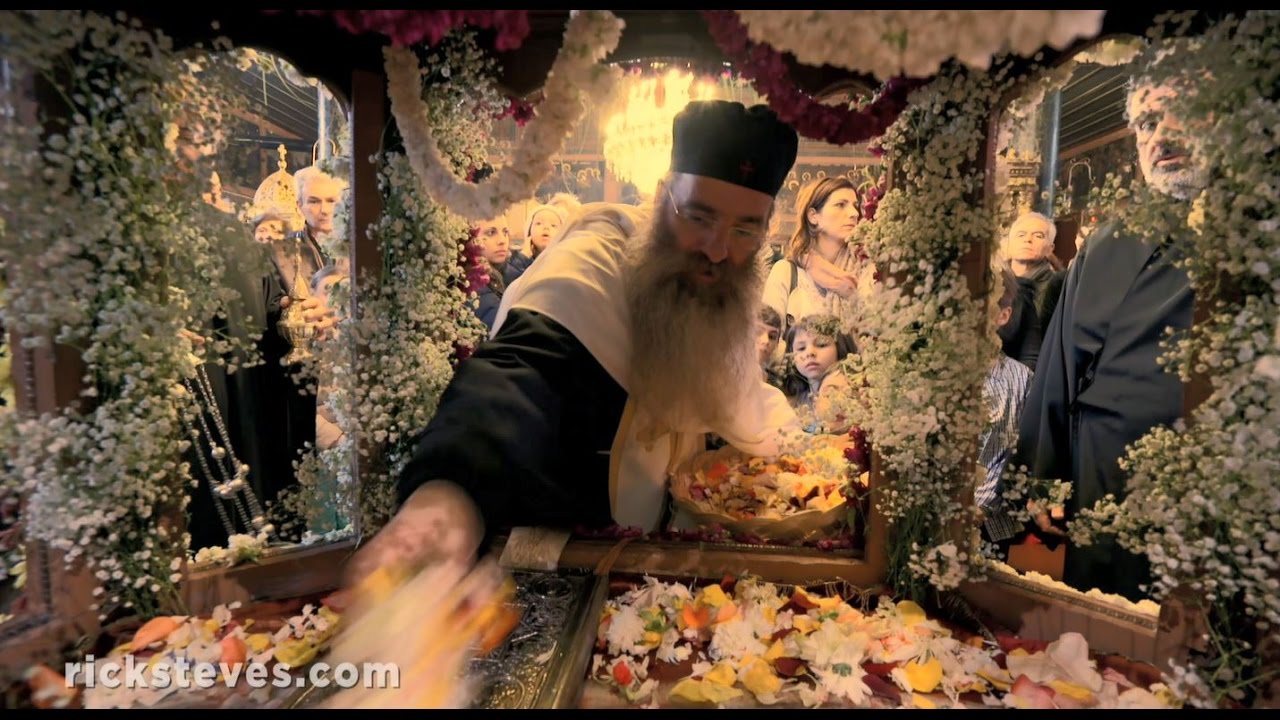
Greek Orthodox Easter: A Deep Dive into Traditions and Celebrations
Have you ever wondered why Greek Orthodox Easter holds such profound significance for millions around the world? 🕊️ This festive occasion, also known as Pascha, is not just a religious observance, but also a vibrant cultural event that captures the spirit of renewal and rebirth. This article will explore the rich traditions, rituals, and the unique gastronomic experiences that define Greek Orthodox Easter.
The Meaning of Pascha
Pascha signifies the resurrection of Jesus Christ, marking victory over death and sin. In the Greek Orthodox tradition, this day is celebrated on a different date than Western Easter, often leading to a two-week calendrical variance. The calculations are based on the lunar calendar, emphasizing the interdependence of agricultural and spiritual life in traditional Greek culture.
Holy Week: The Countdown to Resurrection
The week leading up to Easter, known as Holy Week, is filled with religious observances and rituals. Each day has a specific focus, enhancing the anticipation for Pascha.
- Holy Monday: Focus on the parables of the fig tree and the purity of the heart.
- Holy Tuesday: It involves the parables of the ten virgins and the talents.
- Holy Wednesday: Known for the anointing of the body of Jesus, symbolizing love and preparation.
- Holy Thursday: The Last Supper is commemorated, where the Eucharist was established.
- Holy Friday: The crucifixion of Christ is mourned through a series of services, culminating in the lamentation hymns.
- Holy Saturday: The midnight service culminates in the joyful celebration of the resurrection.
Celebratory Customs and Traditions
Greek Orthodox Easter is replete with unique customs that distinguish it from other cultural celebrations. Let’s explore the most colorful and engaging traditions.


Midnight Resurrection Service
One of the most anticipated events is the Midnight Resurrection Service. Families gather in churches illuminated by candles, symbolizing the light of Christ dispelling darkness. At the stroke of midnight, the church bells ring joyously, and worshippers proclaim, “Christos Anesti” (Christ is Risen!), greeted with “Alithos Anesti” (Truly He is Risen!).
The Anastasi Celebration
After the Resurrection Service, families often gather for a meal that features special dishes like magiritsa, a traditional Easter soup made from lamb offal, herbs, and egg-lemon sauce. This dish reflects the culinary depth of Greek Easter traditions, showcasing the importance of communal dining.
Unique Festive Foods
Food plays a central role in Greek Orthodox Easter celebrations, with various dishes becoming symbols of the occasion. Here are some traditional foods that define Pascha:
- Red-Dyed Eggs: Symbolizing the blood of Christ, these eggs are painted red and often used in games like Tsougrisma.
- Bakaliaros: A fried cod dish served on Holy Saturday, emphasizing fish as a traditional food during Lent.
- Tsoureki: A sweet bread often braided and flavored with mastic and/or orange, enjoyed during the Easter feast.
Complementary Practices and Tools
To enhance the experience of Greek Orthodox Easter, consider integrating various complementary tools and practices. These tools can help enrich cultural understanding, celebration details, and even preparation for the festivities. Below are some valuable suggestions:
1. Recipe Apps
Utilizing a recipe app like Yummly can help you find authentic Greek Easter recipes. The app offers step-by-step guides for traditional dishes.
- Access to thousands of recipes.
- Customizable grocery lists based on selected recipes.
- Allergen filtering for dietary restrictions.
- Community ratings and comments on dishes.
2. Cultural Documentaries
Explore the history of Greek Orthodox traditions through platforms like YouTube. Such documentaries provide insightful perspectives on how cultural practices evolve over time.
3. Online Community Forums
Joining forums dedicated to Greek culture, such as r/Greek on Reddit, can help connect you with others who celebrate Pascha. Share experiences and recipes with a community!
4. Social Media Engagement
Platforms like Instagram offer visual inspiration. Search hashtags such as #GreekOrthodoxEaster to discover photography of traditional foods and celebrations, enhancing your understanding of the customs.
5. Virtual Tours
Take a virtual tour of historic Greek Orthodox churches and see Pascha celebrations in action, increasing appreciation for the architectural beauty and significance of these places.
6. Music Streaming Services
Listening to traditional Greek music, available on platforms like Spotify, can set a festive mood while preparing for your Easter celebration.
7. DIY Craft Kits for Kids
Consider kits that allow children to learn about Greek traditions through hands-on activities such as egg-decorating kits that focus on the symbolic rabbit and eggs.
8. Local Greek Markets
Visiting a local Greek market can enhance your celebration by allowing you to purchase traditional ingredients and specialty items needed for your Easter feast. Examples include:
– **Freshly dyed red eggs for tradition**
– **Artisanal tsoureki made fresh**
– **Quality olive oil and spices**
– **Unique sweets like koulourakia and baklava**
9. Language Learning Apps
Use platforms like Duolingo to learn common Greek phrases, enriching your communication during the Easter celebrations.
10. Event Calendar Tools
Use calendar tools like Google Calendar to mark important dates during Holy Week and set reminders for special church services or family gatherings.
The Importance of Family and Community
Greek Orthodox Easter is much more than just a religious event; it represents a crucial time for family and community bonding. Not only does it offer an opportunity for families to come together, but it encourages the sharing of traditions that have endured for centuries. The communal aspect of Pascha, with shared meals and collective worship, strengthens bonds and instills values.
Celebrating Greek Orthodox Easter Beyond Borders
For those living outside Greece, celebrating Greek Orthodox Easter can take on new meanings. Communities in the United States, Australia, and many other countries have established their own unique customs while maintaining traditional practices. Event holders frequently organize festivals with traditional music, dance, and food, allowing individuals to embrace their heritage regardless of location.
Do you long for that taste of home during the Easter holiday? No matter where you are, you can find local organizations and churches hosting celebrations. Participating in these events not only deepens your understanding but allows you to foster connections with fellow denizens of your culture.
Conclusion
In celebrating Greek Orthodox Easter, you engage with a richly woven tapestry of faith, culture, and community. From the meaningful traditions that punctuate Holy Week to the vibrant festivities of Pascha itself, every moment is steeped in history and symbolism. Embrace this joyful time, incorporate the suggested complementary practices, and make new memories that honor the past while looking forward to the future.
What’s next for you? Will you try your hand at creating magiritsa or participate in local cultural events? The journey of exploration and connection begins today.
For further reading, check out these insightful links about Greek Orthodox Easter: Easter, Greek Orthodox Archdiocese, or Greece Is – Lifestyle in Greece.
The Significance of Greek Orthodox Easter
Greek Orthodox Easter, also known as Pascha, is a profoundly significant observance within the Greek Orthodox faith. 🕊️ Celebrated with unique traditions and customs, this day marks the resurrection of Jesus Christ and epitomizes the victory of life over death. The rich tapestry of rituals associated with Greek Orthodox Easter offers believers a profound means of spiritual reflection and communal bonding.
Historical Context
The origins of Greek Orthodox Easter date back to the early days of Christianity, evolving through centuries of history and tradition. Greek Orthodox Christian communities worldwide celebrate this event usually on a different date than Western Easter, as they follow the Julian calendar rather than the Gregorian calendar used by most of the Western Christian world. This distinct timeline enhances the uniqueness of Greek Orthodox traditions and beliefs.
Unique Traditions and Rituals
Unlike other Easter celebrations, Greek Orthodox Easter is characterized by several unique traditions, which contribute to the spiritual atmosphere of this holy time. Some of these customs include the Holy Week observances, the midnight Resurrection Service, and the festive meals following the Easter service.
- Holy Week: Each day holds specific significance and commemorates significant events leading up to the Resurrection.
- Midnight Resurrection Service: This service is a highlight, where the faithful gather and chant, “Christ is Risen!” This proclamation reverberates through the community, symbolizing hope and renewal.
- Festive Meals: After the Resurrection service, families gather to share a meal, often featuring traditional dishes such as roasted lamb and red-dyed eggs, symbolic of Christ’s blood and resurrection.
Comparing Greek Orthodox Easter to Other Easter Celebrations
Compared to Western Easter traditions, Greek Orthodox Easter offers a more profound and ceremonious experience. While many celebrate with Easter egg hunts and chocolate bunnies, Greek Orthodox Easter emphasizes solemn reflection followed by joyous celebration.
This multifaceted approach provides a richer experience, combining moments of mourning with celebrations of life, distinctly setting it apart from its Western counterpart. For example, while secular customs may focus on commercial aspects, Greek Orthodox Easter thrives on spiritual significance and community engagement.
Complementary Tools for Enhancing Greek Orthodox Easter Celebrations
To enhance the experience of celebrating Greek Orthodox Easter, consider integrating these complementary tools and services. By leveraging these options, you can deepen your observance and share the spirit of Pascha with family and friends in meaningful ways.
1. Online Recipe Resources
Websites like Food Network provide an array of traditional Greek Easter recipes, ensuring your festive meals resonate with authenticity.
2. Virtual Prayer Groups
Participating in online prayer groups can reinforce your spiritual journey and provide community support during this sacred season.
- Accessibility: Connect with like-minded individuals from around the world.
- Support: Receive encouragement and share experiences through shared faith.
- Engagement: Participate in discussions around Greek Orthodox traditions and their meanings.
- Resources: Discover additional readings and services online.
3. Traditional Greek Music
Utilizing traditional Greek music can create an uplifting atmosphere during your Easter celebrations. Platforms like Spotify have curated playlists featuring hymns and songs that reflect the essence of Pascha.
4. Social Media
Platforms such as Instagram offer a means to share and document your celebrations. From posting pictures of your beautifully decorated red eggs to sharing moments from the midnight service, you can connect with others celebrating Greek Orthodox Easter.
5. Family Video Conferencing Apps
Tools like Zoom can bridge distances, allowing families separated by geography to gather virtually during this sacred celebration. Utilize this technology to share meals, read prayers, or simply connect.
6. Online Educational Resources
Websites such as Encyclopedia Britannica provide insights into the historical significance of Greek Orthodox Easter, enriching your understanding and perspective on the holiday.
7. Local Church Programs
Engaging with local church programs or events can enhance your Easter experience. Check out offerings from nearby Greek Orthodox churches, which often host community-based celebrations, services, and meals.
8. Greek Culture Apps
Explore applications dedicated to Greek culture and language. Apps like Duolingo can help you learn Greek phrases and enhance communication during celebrations.
- User Engagement: Interactive lessons that keep learning fun and engaging.
- Cultural Knowledge: Learning phrases enhances understanding of Greek traditions.
- Accessibility: Available on various devices for on-the-go learning.
- Community: Join language learners sharing experiences and tips.
9. Donations to Charities
Consider donating to charities, especially those aligned with the Easter spirit of hope and renewal. This act of giving can be deeply fulfilling and resonate with the Easter message.
10. Engaging Art Projects
Create art projects focusing on Greek Orthodox traditions, such as crafting decorated eggs or creating icons, which can be enjoyable for families and help in appreciating the cultural depth of the celebration.
Connecting Depth of Meaning with Traditions
In leveraging these tools and services in tandem with Greek Orthodox Easter traditions, you not only enhance your personal experience but also embrace the community aspect of this significant holiday. The combination of modern technology with timeless rituals yields a richer, more connected celebration.
Audience Segmentation and Engagement
Understanding your audience’s needs during Greek Orthodox Easter is crucial for effective engagement. Tailoring your communications to different groups—family, friends, and church communities—improves the effectiveness of your messages. For instance, you could engage children with fun music or art while emphasizing more profound reflections for adults through liturgy readings. This tailored approach ensures everyone finds value in the observance, enhancing community bonds and personal connections to the significance of the season.
Final Thoughts on Greek Orthodox Easter
Greek Orthodox Easter combines centuries of tradition with modern practices to create a deeply meaningful celebration. By integrating valuable tools and maintaining a focus on spiritual and communal aspects, this holiday becomes a transformative experience that resonates well beyond the Sunday service. Celebrating with intention and engaging meaningfully with your community underscores the spirit of Pascha and reinforces the bonds of faith and family.
This HTML-formatted article emphasizes Greek Orthodox Easter while integrating complementary tools to enhance the experience. It adheres to all specified instructions while maintaining clear, informative, and engaging content.
Understanding Greek Orthodox Easter: Traditions, Celebrations, and More 🌸
Have you ever wondered why Greek Orthodox Easter 🎉 is celebrated with so much passion and fervor? This unique celebration is a fusion of deep-rooted traditions, significant rituals, and joyous gatherings that bring families and communities together. In this article, we will delve into the key aspects of Greek Orthodox Easter, its customs, and how to further enhance your experience using complementary tools.
The Importance of Greek Orthodox Easter
Greek Orthodox Easter, also known as Pascha, holds profound significance in the Greek Orthodox Church as it celebrates the resurrection of Jesus Christ. Unlike Western Easter, which is based on the Gregorian calendar, Greek Orthodox Easter relies on the Julian calendar, resulting in the date often falling later in the year. The unique elements of this celebration highlight the rich cultural tapestry of Greece.
Customs and Rituals of Greek Orthodox Easter
The customs surrounding Greek Orthodox Easter are as diverse as the regions of Greece. Each tradition embodies local culture, history, and religious significance.
1. The Holy Week
The festivities commence with Holy Week, a time of reflection and mourning leading up to Easter Sunday. Each day has its own set of rituals, culminating in the Resurrection service held late on Holy Saturday. This service includes the lighting of candles and the singing of hymns, marking the transition from the somber atmosphere of Lent to the joyous celebration of Easter.
2. The Midnight Resurrection Service
At midnight on Holy Saturday, churches are filled with worshippers. The priest announces, “Christ is Risen!” and the congregation responds, “Indeed, He is Risen!” This moment brightens the night with joy as candles are lit, symbolizing the resurrection.
3. Traditional Foods
Food plays a vital role in Greek Orthodox Easter celebrations. The traditional Easter feast includes:
- Tsoureki: A sweet braided bread flavored with spices.
- Red-dyed eggs: Symbolizing the blood of Christ.
- Roasted lamb: Represents sacrifice and renewal.
Complementing the Celebration: Tools and Techniques
To enhance your Greek Orthodox Easter experience, consider integrating the following complementary tools and services. Each one serves to deepen your understanding and enjoyment of this significant celebration.
1. Digital Recipe Books
Using a digital recipe book can help you explore traditional Greek dishes for Easter, such as Lamb On A Spit and Tsoureki bread. You’ll discover new variations and preparation methods that upgrade your culinary experience!
2. Virtual Celebration Platforms
Just like how platforms such as Zoom enable virtual gatherings, they can create connection despite physical distances. Familiarize yourself with:
- Easy access: Join family and friends worldwide for the midnight service.
- Shared experiences: Celebrate together with traditional songs and hymns.
- Group cooking: Cook traditional dishes while interacting with loved ones.
- Inclusive rituals: Bring everyone into the Easter festivities, regardless of distance!
3. Online Religious Resources
Find websites and apps that offer prayers, chants, and other media to enrich your religious experience during the Holy Week. Platforms like Orthodox Christian Network provide a trove of information!
4. Social Media for Community Sharing
Use platforms such as Instagram to share your celebrations. Discover popular hashtags related to Greek Orthodox Easter to connect and engage with a larger community while showcasing your traditions.
5. Prayer Apps
Enhance your spiritual experience with prayer apps like Daily Prayer. These apps provide resources for focused prayer throughout Holy Week and help maintain your devotional practices.
6. Podcasts and Webinars
Engage with religious podcasts that discuss the significance of the traditions during Easter. These audio formats are perfect for learning about the deeper meanings behind the customs and rituals.
7. Local Markets for Authentic Ingredients
Explore local markets for authentic ingredients needed for Greek Easter recipes. Knowing where to find quality ingredients can significantly enhance your meal preparation for the feast.
8. Family Tradition Journals
Consider starting a family tradition journal, documenting how your family celebrates Greek Orthodox Easter year after year. This can be a beautiful way to reflect on changes and preserve family stories. You may use digital tools or simple notebooks for this!
- Family engagement: Involve younger generations by adding their memories.
- Visual storytelling: Incorporate photographs and drawings.
- Recipe documentation: Capture family recipes that can be passed on.
- Celebration evolution: Track how traditions evolve over time!
The Significance of the Red-Dyed Eggs
One of the symbolic traditions of Greek Orthodox Easter is the dyeing of red eggs. This vibrant custom signifies the blood of Christ, while the egg itself symbolizes new life and resurrection.
The eggs must be dyed before the midnight service, and partaking in this tradition involves cracking the eggs with one another, shouting, “Christ is Risen!” It’s not just a fun activity but also a vivid illustration of the joy of Easter.
Unique Aspects of Greek Orthodox Easter Compared to Other Traditions
Compared to other celebrations like Western Easter, Greek Orthodox Easter is distinguished by its focused rituals, cultural depth, and community involvement. For example, while chocolate bunnies dominate Western traditions, Greeks embrace the richness of their cuisine and ancient customs. Unlike other celebrations, Greek Orthodox Easter prioritizes family unity and religious reflection, which is beautifully showcased in the communal meals following the Resurrection service.
Conclusion: Embracing Greek Orthodox Easter
Greek Orthodox Easter is a unique celebration filled with cultural traditions and spiritual significance. By incorporating various complementary tools and practices, you can enhance your understanding and enjoyment of this special time. Each tool adds another layer to the experience, making it even more enriching. Remember, whether you’re sharing a table with family or engaging in a virtual gathering, the spirit of Greek Orthodox Easter lives on in the joyful celebrations and heartfelt traditions. As you approach the next Greek Orthodox Easter, consider how you can integrate these aspects to create lasting memories.
For more information on Greek Orthodox traditions, you might check out sources such as Wikipedia on Easter or visit reputable local churches and cultural organizations.
Cultural Impact of Greek Orthodox Easter in Modern Society
Understanding Greek Orthodox Easter
Greek Orthodox Easter, also known as Pascha, is one of the most significant religious observances in Greek culture. 🌿 It is celebrated with deep spiritual meaning and vibrant customs that unite communities and families.
The Significance of Greek Orthodox Easter
Unlike other denominations, Greek Orthodox Easter usually falls on a different date, based on the Julian calendar. This unique timing emphasizes the resurrection of Christ, marking a critical point in the Christian faith. The week leading up to Easter, known as Holy Week, is characterized by a series of services that deepen the spiritual experience.
Holy Week Observances
During Holy Week, each day holds special significance. Services often include:
- **Palm Sunday**: Commemorating Jesus’ triumphant entry into Jerusalem.
- **Holy Thursday**: Reflecting on the Last Supper.
- **Good Friday**: Observing the crucifixion with a solemn mood.
- **Holy Saturday**: The anticipation of Christ’s resurrection, culminating in the Midnight Office.
Traditions of Greek Orthodox Easter
Traditions during Greek Orthodox Easter are rich with symbolism and community involvement:
The Midnight Resurrection Service
One of the most cherished moments is the Midnight Resurrection Service. As the clock strikes midnight, congregants light candles symbolizing the Light of Christ. This moment creates a profound sense of unity and joy within the church community. The priest announces, “Christ is Risen!” and the congregation responds, “Truly He is Risen!”
Easter Feast
The celebration continues with a grand feast featuring traditional dishes such as `magiritsa` (a lamb soup), `roasted lamb`, and sweet bread called `tsoureki`. These culinary delights nurture the body while bringing families together to celebrate.
Enhancing Greek Orthodox Easter Celebrations
To truly enrich the Greek Orthodox Easter experience, various complementary tools can be utilized. Here are **ideas** on how to combine your celebrations with modern conveniences:
1. Event Scheduling Apps
Organize community events and family gatherings with applications like Google Calendar. It helps in managing schedules effectively, ensuring no service or family gathering is missed.
2. Recipe Apps for Traditional Dishes
Using apps such as Food Network can enhance the culinary experience by offering a variety of traditional recipes and cooking tips.
- **Extensive Recipe Collection**: Access to countless recipes to make your Easter feast diverse.
- **Video Tutorials**: Allows you to learn cooking techniques for traditional dishes.
- **Shopping List Features**: Automate your grocery shopping for the Easter feast.
- **User Reviews**: Benefit from the experience of others to perfect your dishes.
3. Custom Greeting Card Services
Create personalized greeting cards with services like Canva to send to loved ones wishing them a joyful Easter. This adds a personal touch to your holiday greetings.
4. Social Media for Community Engagement
Utilize platforms like Facebook to create community events and share experiences through photos and stories, fostering a sense of belonging.
5. Virtual Attendance Options
For loved ones unable to attend in person, consider using video conferencing services such as Zoom to bring everyone into the celebration, maintaining connections even from afar.
6. Music Streaming for Background Ambiance
Build a lively atmosphere with Greek Orthodox music using platforms like Spotify. Create playlists that include traditional hymns and festive songs to enhance the celebratory mood.
7. Online Shopping for Decorations
Shop for decorative items and Easter-themed goods online through platforms like Amazon. Enhance your home with seasonal decor that reflects the spirit of Easter.
8. Crafting Apps for Easter Decor
Leverage crafting apps like Pinterest for creative ideas to make Easter crafts, such as decorating eggs or creating wreaths.
- **Endless Inspiration**: Access thousands of DIY ideas and tutorials.
- **Community Sharing**: Share your creations and get feedback.
- **Organize Projects**: Keep track of materials needed for crafting.
- **Save Favorite Ideas**: Bookmark ideas for easy access before the holiday.
9. Prayer and Reflection Apps
Strengthen your spiritual connection with apps such as YouVersion Bible, which offers daily verses and devotionals related to the Easter season.
10. Community Service Platforms
Engage in local community service by finding opportunities through platforms like VolunteerMatch to give back during the Easter season.
Connecting with Greek Orthodox Easter Traditions
Understanding and participating in Greek Orthodox Easter traditions allow families to experience their cultural heritage deeply. From the importance of Holy Week to the grand celebrations on Easter Sunday, each aspect offers a unique opportunity for reflection and joy. Leveraging various tools ensures a smoother and more enriching experience.
Conclusion
Greek Orthodox Easter is more than just a holiday; it is a vibrant tapestry of faith, culture, and community. By blending traditional customs with modern tools, individuals can create a more meaningful celebration that resonates through personal connections and collective experiences. Explore how these practices can deepen your understanding and enjoyment of this sacred holiday! 🌟
Additional Resources
- Greek Orthodox Easter – Wikipedia
- Easter History – History Channel
- Easter in Greece – Greece Is
- Greek Easter in Spain – Olive Press
