Good Friday in the Bible: 7 Insights You Need to Know
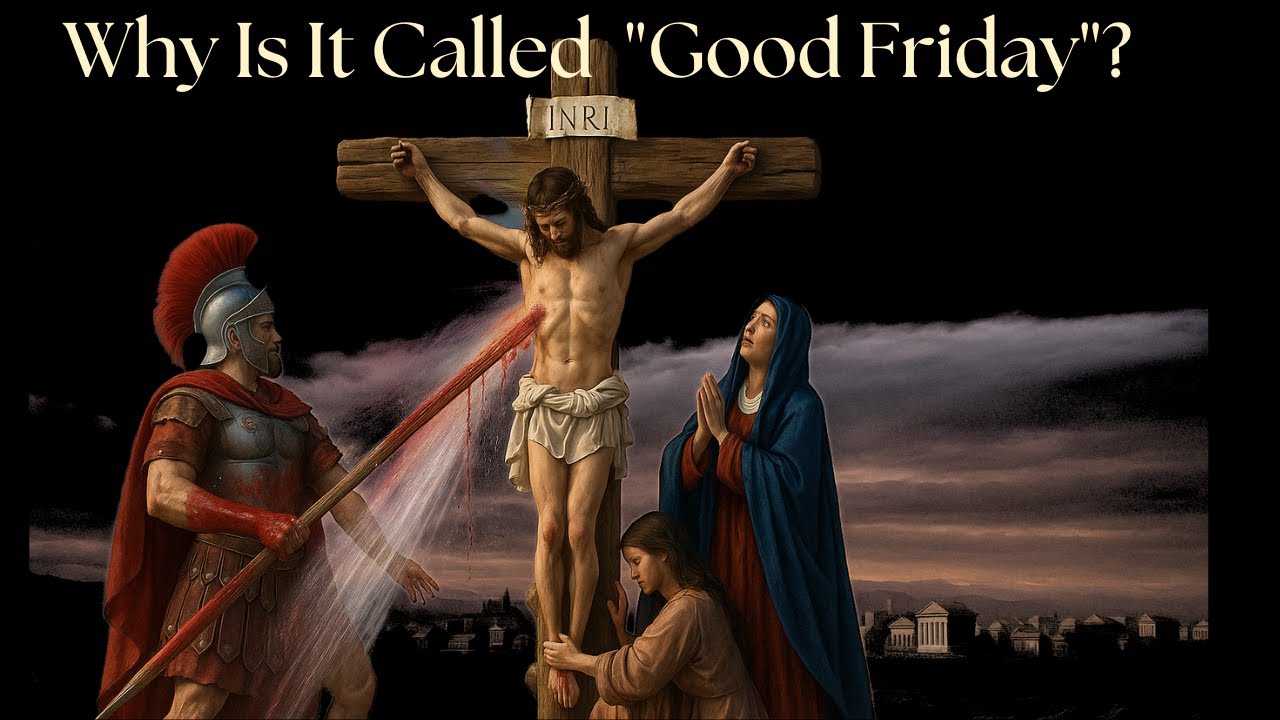
Good Friday in the Bible
Good Friday is a profoundly important day in Christianity, marking the crucifixion of Jesus Christ. Every year, millions of believers around the world embrace this day of mourning, reflection, and reverence. 🌑 Many find solace in the biblical narratives that recount the events leading to the crucifixion, bringing to life the significance of sacrifice, redemption, and eternal love.
The Biblical Significance of Good Friday
In the Bible, Good Friday represents the culmination of Jesus’s earthly ministry and sacrifice for humanity. John 3:16 encapsulates this idea, stating, “For God so loved the world that he gave his one and only Son.” This selfless act underpins the very essence of Christian faith.
Key Scriptural Passages Related to Good Friday
Several passages in the Bible illuminate the events of Good Friday. Here are a few critical verses:
- Matthew 27:32-56: This passage provides a detailed description of Jesus’s crucifixion, the reactions of those present, and significant signs accompanying His death.
- Luke 23:44-49: In this scripture, the darkness that fell over the land and the temple curtain tearing symbolize the profound impact of Jesus’s death.
- John 19:28-30: This text reveals Jesus’s final words, “It is finished,” indicating the completion of His redemptive work.
Understanding the Historical Context
The events of Good Friday are rooted in ancient history and Jewish tradition. Understanding the context in which Jesus lived helps us appreciate the significance of His sacrifice. The religious leaders’ fear of Jesus’s influence and the political pressures from the Roman authorities culminated in His arrest and crucifixion. This included trials led by Pontius Pilate, who ultimately authorized His execution despite acknowledging His innocence.


Theological Implications of Good Friday
Good Friday serves not only as a historical remembrance but also carries deep theological significance. The idea of atonement—the reconciliation of humanity with God through the death of Jesus—is central to many Christian doctrines. Through His suffering, believers find hope and assurance of salvation, encapsulating the core Christian belief that death is not the end but a pathway to eternal life.
How Good Friday is Observed
Different Christian denominations observe Good Friday in various ways. Common traditions include:
- Fasting: Many believers practice fasting or abstaining from certain foods as a form of penance.
- Prayer: Reflective prayers are offered to honor the suffering of Christ.
- Liturgical Services: Many churches hold special services that include reading of scripture and meditative songs.
- Cross Veneration: Some congregations participate in honoring the cross as a symbol of Jesus’s sacrifice.
Complementary Tools to Enhance Your Good Friday Experience
Using complementary resources during Good Friday can deepen your understanding and experience of this significant day. Here are several tools that can enhance your observance:
- Bible Study Apps: Using applications such as the YouVersion Bible App can help with daily readings and reflections on Good Friday scripture.
- Online Devotionals: Websites like Crosswalk offer specific Good Friday devotionals that can guide your reflections.
- Worship Music Playlists: Create or find playlists focused on Good Friday themes to enhance your worship experience.
- Community Discussion Forums: Engage in community discussions about Good Friday in forums or apps like Reddit’s r/Christianity.
- Sermon Podcasts: Listening to sermons that delve into the significance of Good Friday can offer new insights.
- Family Activities: Engage your family in activities that reflect on Good Friday’s message, enhancing collective understanding.
- Visual Aids: Use visual aids, such as videos or art that depict the events of Good Friday, to stimulate discussion and reflection.
- Social Media Engagement: Follow pages focused on Good Friday themes for inspiration and shared insights.
Examples of Using Complementary Tools
By integrating these tools with your observance of Good Friday, you can achieve more profound results. For example:
- Bible Study Apps: By using YouVersion along with Good Friday scripture, you can create a personalized reading plan leading up to Easter, ensuring a deeper understanding of the crucifixion narrative.
- Online Devotionals: Accessing Crosswalk for focused Good Friday devotionals will enhance your daily reflections, ensuring your thoughts remain centered on the significance of Jesus’s sacrifice.
Reflection on Personal Meaning
To fully appreciate Good Friday, personal reflection on its meaning is essential. Consider journaling your thoughts or discussing them with a friend or family member. This practice deepens your connection to the day’s themes of sacrifice and love.
Connecting with the Broader Community
Participating in community events or church services on Good Friday can help you feel part of a larger faith community. Online platforms allow you to connect with believers worldwide, enhancing the sense of unity during this solemn occasion.
Conclusion: Embracing Good Friday’s Message
Good Friday in the Bible invites believers to reflect deeply on the immense love demonstrated through Jesus’s sacrifice. By understanding its significance and engaging with complementary tools, you can enhance your appreciation for this pivotal day in the Christian calendar. As you observe Good Friday, consider how it can transform your understanding of love, grief, and finality, guiding you into a hopeful anticipation of Easter Sunday.
