Glory Be Catholic Prayer: Essential, Practical Guide to Text & Meaning
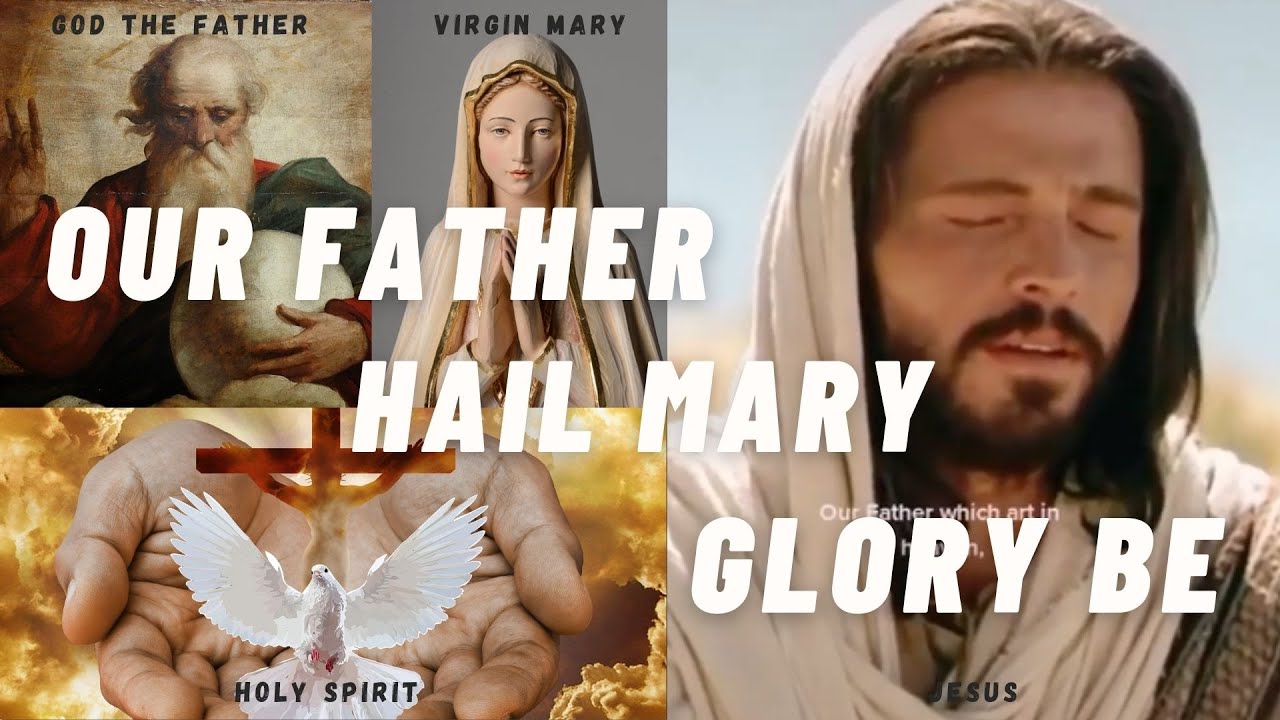
glory be catholic prayer
The glory be catholic prayer is one of the most familiar and frequently recited prayers in Christian life. Short, rhythmic and profoundly theological, it expresses praise to the Holy Trinity in a few elegant lines. Whether you are returning to faith practices, exploring Catholic devotion for the first time, or simply seeking a reliable prayer to anchor the day, the glory be catholic prayer is a beautiful place to begin.
In this guide, we will unpack the meaning and origins of the prayer, show where it fits in Catholic worship, and suggest practical ways to use it at home, at church and on the move. By the end, you should feel confident about what the glory be catholic prayer says, why it matters, and how to make it part of your daily rhythm.
What is the glory be catholic prayer?
The glory be catholic prayer—often known simply as the “Glory Be,” the “Gloria Patri” in Latin, or a short “doxology”—is a concise acclamation of praise to God the Father, Son and Holy Spirit. It is widely used across Catholic prayer traditions and also recognised in Anglican, Orthodox and many Protestant communities. For Catholics, it punctuates many forms of devotion, especially the Rosary and the Liturgy of the Hours.
At heart, the prayer is a proclamation: God is worthy of glory—always and everywhere. When you say the glory be catholic prayer, you join a centuries-long conversation of worship that stretches back to the early Church.

The text and meaning of the Glory Be
The traditional English text used in many Catholic settings is:
“Glory be to the Father, and to the Son, and to the Holy Spirit; as it was in the beginning, is now, and ever shall be, world without end. Amen.”
Line by line, the prayer carries rich meaning:
- “Glory be to the Father, and to the Son, and to the Holy Spirit” – This is explicit praise to the Trinity, echoing the baptismal formula of Matthew 28:19 and affirming the equal divinity of Father, Son and Holy Spirit.
- “As it was in the beginning” – God’s glory is not a new phenomenon. It is eternal, seated in God’s own being before all created time.
- “Is now” – God’s life and glory are not remote. The divine presence is active and praiseworthy in the present moment.
- “And ever shall be, world without end” – This phrase points to eternity. The Kingdom of God is everlasting, and so is the Church’s praise.
Because it is a doxology (a formula of praise), the glory be catholic prayer is often used to conclude a psalm, a decade of the Rosary, or a short time of intercession. It “seals” what has been prayed by returning all words to God in praise.
Origins and history
The roots of the Glory Be can be traced to early Christian worship. Its Latin form, “Gloria Patri, et Filio, et Spiritui Sancto,” emerged as part of the Church’s practice of concluding the psalms with a Trinitarian doxology. Over time, the second part—“Sicut erat in principio, et nunc, et semper, et in saecula saeculorum”—became standard, emphasising the eternal nature of God’s glory.
Eastern Christians have their own well-loved forms of doxology, typically concluding with “now and ever and unto ages of ages.” Despite stylistic differences, both East and West use a similar pattern: praise, Trinity, eternity. This long, shared history is part of the strength of the glory be catholic prayer: it connects modern believers to the earliest centuries of Christian worship.
How and when to pray the glory be catholic prayer
There is no single “correct” moment for the glory be catholic prayer. Because it is short and memorable, it is easily woven into everyday life. Here are four common settings and simple steps to get started:
1) As a stand-alone prayer
- Find a calm moment: at waking, before work, after a meeting, or before sleep.
- Make a brief pause to recollect yourself in God’s presence.
- Say the Glory Be slowly and clearly, paying attention to the words.
- Sit in silence for a few seconds after “Amen.”
2) During the Rosary
- After the ten Hail Marys of each decade, pray: “Glory be to the Father, and to the Son, and to the Holy Spirit…”
- Many people then add the Fatima Prayer; this is a devotional custom, not a requirement.
- Move to the next mystery with a brief pause, using the Glory Be as a natural hinge.
3) With Scripture or the Psalms
- Read a short passage from the Bible or a psalm.
- Allow a moment of reflection.
- Conclude with the glory be catholic prayer as your response of praise.
4) In family or small groups
- Begin or end a family meal, a study group or a parish gathering with the Glory Be.
- Invite each person to name something they are grateful for, then pray the Glory Be together.
Why the glory be catholic prayer matters
Beyond familiarity, the prayer offers several benefits:
- It is theologically rich: brief yet Trinitarian, it roots personal prayer in the core of Christian belief.
- It creates rhythm: using it as a repeated refrain can steady attention and reduce distraction.
- It nurtures humility: in busy lives, pausing to give glory to God recalibrates priorities.
- It is universal: wherever you travel, you will find this prayer on the lips of other Christians.
For those returning to prayer after a long time, the glory be catholic prayer is reassuringly simple while still being profound enough to grow with you over time.
Common variations and translations
Because the Church is global, you will encounter different translations of the Glory Be. Most differences are minor. For instance, “Holy Spirit” and “Holy Ghost” are both used in English; the former is now more common. Punctuation and cadence also vary slightly: some versions include a semicolon after “Holy Spirit,” while others use a comma. In British English, you will often hear, “as it was in the beginning, is now, and ever shall be, world without end. Amen.” In Eastern liturgies, you may hear, “now and ever and unto ages of ages,” which carries the same sense of eternity.
These variations do not change the essence of the glory be catholic prayer: a doxology addressed to the Trinity that spans past, present and future.
Using the glory be catholic prayer in the Rosary
Many people first learn the prayer through the Rosary. The sequence is simple:
- Announce the mystery.
- Pray the Our Father.
- Pray ten Hail Marys.
- Pray the Glory Be.
- (Optional) Pray the Fatima Prayer.
Placed here, the glory be catholic prayer acts like a breath between mysteries, returning the focus to God’s eternal glory. If you are new to the Rosary, this short refrain helps mark progress and keeps the structure clear.
Practical tips for building a habit
Habits form when they are simple, repeated and connected to existing routines. Try these approaches to integrate the glory be catholic prayer gently into daily life:
- Pair it with everyday actions: after washing your hands, upon sitting at your desk, or when you lock your front door.
- Use a gentle phone reminder: a small daily notification labelled “Glory Be” can prompt a 20-second pause for praise.
- Pray it out loud on walks: rhythmic steps can support a calm pace of speech.
- Teach it to children and godchildren: the clear structure makes it ideal for family prayer time. If you are exploring the role of a godparent, this overview on what is a godfather? can help you see how prayer supports that vocation.
- Link it to gratitude: at day’s end, name one thing you are thankful for and conclude with the Glory Be.
Common mistakes to avoid
Because it is short and familiar, the glory be catholic prayer can be rushed or used mechanically. Here are frequent pitfalls and how to sidestep them:
- Racing through the words: slow down, especially at “as it was in the beginning.” Let the rhythm breathe.
- Forgetting the Trinity: say “Father… Son… Holy Spirit” with intention, recalling that you are addressing God’s three Persons.
- Treating it as punctuation only: it certainly “closes” a decade or psalm, but it is also a complete act of worship. Approach it with the same reverence you give longer prayers.
- Neglecting posture: a brief bow of the head or making the Sign of the Cross (if that is your custom) can focus body and mind.
The more attention you give to these details, the more the glory be catholic prayer can become a moment of genuine encounter rather than a mere formula.
Biblical echoes and theological depth
While the exact words of the Glory Be are not quoted verbatim in Scripture, the prayer arises from biblical themes: the Great Commission’s Trinitarian formula (Matthew 28:19), doxologies found in the epistles (for example, Ephesians 3:20–21), and the praise offered in the Psalms. Saying the glory be catholic prayer therefore resonates with a wide, scriptural current of giving glory to God at all times.
In everyday Christian life, this links confession (who God is) with personal devotion (how we respond). For disciples striving to be “salt of the earth,” this short prayer helps flavour daily routines with quiet faithfulness. For a brief reflection on that Gospel image, see this article on you are the salt of the earth.
Further guidance on language and meaning
Two phrases often prompt questions. “World without end” translates the Latin “in saecula saeculorum,” literally “unto the ages of ages,” expressing eternity rather than the literal end of the planet. “As it was in the beginning” does not imply that God’s glory changes; it asserts that God’s glory is constant and eternal. The glory be catholic prayer, then, does not describe a timeline so much as it proclaims an unchanging reality in which believers participate.
Recommended external resources
- Background and variants of the Glory Be (Wikipedia) – A useful overview of names, texts and usage across traditions.
- Official text and common Catholic prayers (USCCB) – Includes the Glory Be among other widely used prayers.
- Catholic Encyclopedia entry on doxology (New Advent) – Historical and theological context for doxologies in Christian worship.
- Loyola Press: the Glory Be explained – Plain-language explanation and guidance for personal prayer.
Related articles
Frequently asked questions about glory be catholic prayer
Is the Glory Be only a Catholic prayer?
No. While the glory be catholic prayer is central to Catholic devotion, it is also used widely by Anglicans, many Protestants and the Orthodox (with slightly different wording). Its Trinitarian praise and brevity make it a truly ecumenical prayer.
Why does it say “world without end”?
“World without end” translates a phrase meaning “unto the ages of ages.” It is a poetic way of saying “forever.” The glory be catholic prayer affirms that God’s glory is eternal—past, present and future—rather than constrained by history.
Should I make the Sign of the Cross when I pray it?
You may. Many Catholics make the Sign of the Cross at various points in prayer, including when speaking the Trinity’s name. It is not required for the glory be catholic prayer, but it can help focus attention and express reverence with your whole body.
Where does the Glory Be appear in the Mass or Liturgy of the Hours?
In the Liturgy of the Hours, the Glory Be is used very frequently, typically at the end of psalms and canticles. In the Mass, the longer “Gloria” is used on Sundays outside Advent and Lent, but the short Glory Be may be used in devotional contexts around the liturgy rather than within the central prayers of the Mass itself.
Can I teach it to children, and how?
Absolutely. Its short length and steady rhythm make it perfect for family prayer. Start by repeating each line slowly, perhaps at bedtime, and connect it to simple ideas: “We’re praising God—Father, Son and Holy Spirit—always.” Use a calm pace and finish with a moment of silence.
Is there a difference between the Glory Be and a doxology?
The Glory Be is a kind of doxology—a formula of praise. The term “doxology” is broader and includes other examples, such as “Glory to God in the highest” (the Gloria) and brief endings to hymns and psalms. The glory be catholic prayer is simply the most familiar short doxology in everyday use.
Conclusion on glory be catholic prayer
The glory be catholic prayer is a jewel of Christian devotion: short enough to memorise in minutes, deep enough to accompany a lifetime. It places praise of the Trinity at the centre of daily life and links today’s believer with the earliest worship of the Church. Whether you pray it to conclude a psalm, as a refrain in the Rosary, or as a breath of praise between busy tasks, it is a steadying anchor for the heart.
Because it is so adaptable, the glory be catholic prayer belongs at the thresholds of your day—upon waking, before work, during commutes, and at night. Said with care, it becomes more than familiar words: it is a posture of gratitude and wonder before God who “was in the beginning, is now, and ever shall be.”
If you are looking for a way to begin or restart a prayer habit, start here. Let the glory be catholic prayer gather up your thoughts and return them to God in simple, enduring praise. In time, these few lines can shape your days with quiet joy and a renewed sense of God’s presence.
