Frittata: 7 Delicious Variations to Try Today
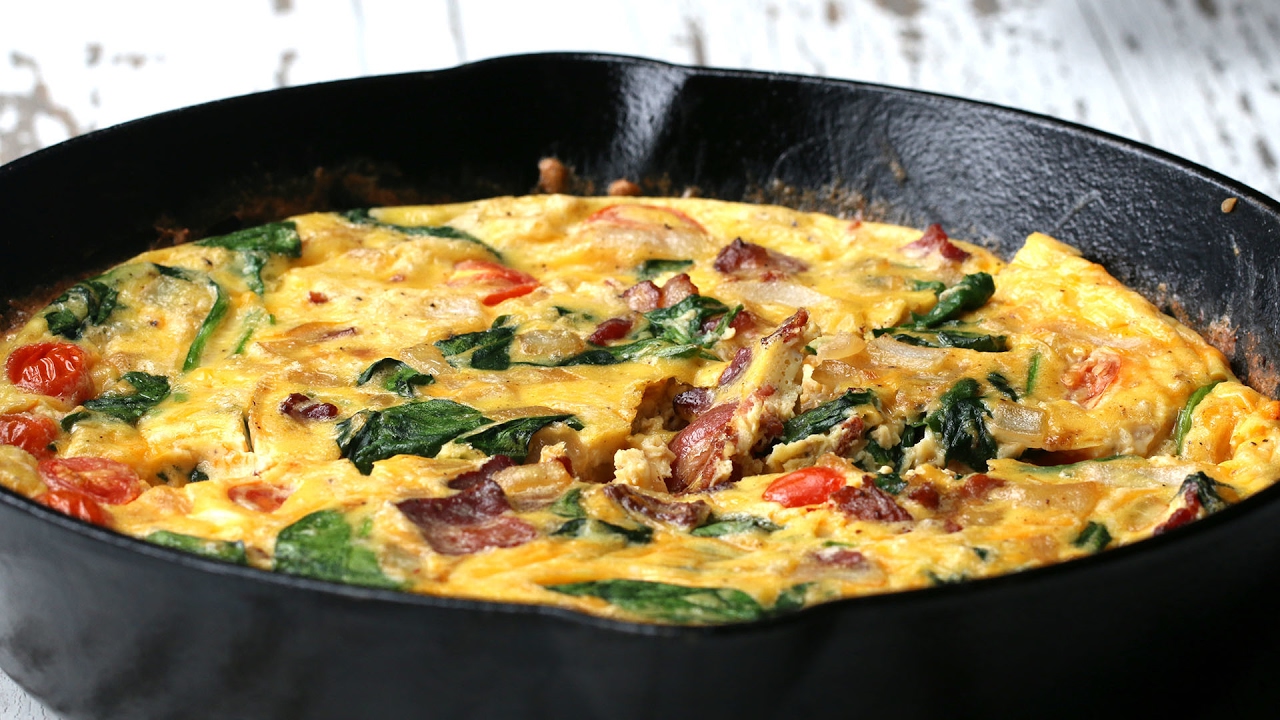
The Delicious World of Frittata: A Culinary Delight
Have you ever found yourself staring into the fridge, unsure of what to make with a mélange of ingredients? 🤔 Enter the frittata, an Italian dish that not only makes use of what you have on hand but also transforms simple ingredients into a luxurious meal. Unlike a traditional omelet, frittata is cooked slowly and incorporates a variety of vegetables, proteins, and cheeses, making it an ideal canvas for creativity.
What is a Frittata?
A frittata is an egg-based dish, similar to an omelet or quiche, yet distinct in its preparation and ingredients. While omelets are cooked quickly and folded, frittatas are typically cooked slowly over low heat, allowing for an even distribution of ingredients and a fluffy texture. The beauty of a frittata lies in its versatility; you can use almost any combination of ingredients, which makes it a great option for utilizing leftovers.
The History of Frittata
The word “frittata” comes from the Italian verb “friggere,” which means “to fry.” Historically, frittatas were a way to stretch modest ingredients into a filling meal. The dish has evolved over the centuries, with modern recipes often infusing a variety of flavors that reflect regional preferences and seasonal produce. Its adaptability and simplicity have made the frittata a staple in many households. Learn more about its [history here](https://en.wikipedia.org/wiki/Frittata).
Ingredients: The Building Blocks of a Frittata
To craft the perfect frittata, you’ll need a few essential ingredients:

- Eggs: The foundation of the dish; typically, 6-8 eggs will suffice for a standard frittata.
- Dairy: A splash of milk or cream enhances the creaminess. Consider using half-and-half for a richer flavor.
- Vegetables: Ingredients such as spinach, bell peppers, and tomatoes add both flavor and nutrition.
- Protein: Options like bacon, sausage, or feta cheese elevate the frittata’s heartiness.
- Herbs and Spices: Fresh herbs like basil or chives add freshness, while spices can bring a unique twist.
Cooking Techniques for the Perfect Frittata
When it comes to crafting a flawless frittata, technique is paramount. Here are some tips to enhance your cooking process:
- Preheat Your Oven: While stovetop cooking is an option, finishing in the oven can create a beautifully set top. Preheat to 350°F (175°C) before starting.
- Use a Non-Stick Skillet: A high-quality non-stick skillet ensures easy flipping and cleanup. Check out a recommended [non-stick skillet here](https://www.amazon.com/dp/B00UJ0D1U0?tag=yourtag-20) to make your cooking experience smoother.
- Whisk Eggs Thoroughly: Combine eggs, dairy, and seasonings well to ensure even distribution of flavors.
- Cook Vegetables First: Sautéing vegetables beforehand allows them to soften and enhances their flavors. This is a key step in differentiating your frittata from simpler egg dishes.
- Don’t Overcook!: Monitor your frittata closely. It should be set but still slightly jiggly in the center when you take it out of the oven.
Variations of Frittata
The beauty of the frittata is its adaptability. Here are a few renowned variations to inspire you:
- Italian Style: Use traditional ingredients like zucchini and parmesan cheese to create an authentic Italian experience.
- Spanish Frittata (Tortilla Española): This version includes potatoes and onions, showcasing the differences between the two styles. Compared to traditional frittata, the Spanish version is thicker and denser.
By adding ingredients like asparagus or smoked salmon to your frittata, you elevate its flavor profile and excitement. Imagine the creamy texture of smoked salmon paired with fresh dill! What you’ll discover next might surprise you… 🍳
Creative Ideas to Enhance Your Frittata Preparation
Innovating your frittata preparation can lead to delightful results. Here are some actionable ideas:
- Use Fresh Herbs: Incorporate herbs such as parsley or cilantro for a burst of freshness. Fresh herbs can enhance the overall flavor, making your frittata more vibrant.
- Grate Cheese: Instead of adding cheese cubes, grate cheese directly into the egg mixture for a smoother consistency and easier melting.
- Sauté Aromatics: Begin with cooking garlic and onions to create a fragrant base for your frittata.
- Experiment with Toppings: Add toppings like avocado or salsa after cooking for additional texture and flavor.
- Cut Portions Pre-Cooking: Make small, intentional cuts in the frittata before it sets completely. This helps with even cooking and makes it simpler to slice when served.
- Try Different Cooking Fats: Use flavored olive oil or even bacon fat to add depth to your frittata.
- Use the Right Temperature: Lower heat prevents browning too soon, allowing the center to cook evenly.
- Serve with a Side Salad: A simple side salad complements your frittata beautifully, adding freshness and color to the plate.
For further information on frittata variations and recipes, you can visit [this great frittata recipe source](https://www.foodnetwork.com/recipes/articles/50-frittata-recipes) for endless inspiration!
Frittata: Nutrition and Flavor Benefits
The nutritional benefits of a frittata are countless, particularly when packed with vegetables and proteins. A serving of frittata can provide essential nutrients such as vitamins A, C, and K, as well as a good balance of protein. Compared to a typical quiche or heavier breakfast options, frittata is generally lower in carbohydrates and can be tailored to meet dietary needs, whether you’re looking to cut calories or boost protein intake.
More Tips for Perfecting Your Frittata
Whether you are a novice or a seasoned cook, here are some extra tips to take your frittata to new heights:
- Make it Ahead: Frittatas store well in the refrigerator and can easily be reheated for a quick meal on the go.
- Use Seasonal Produce: Choosing seasonal ingredients can enhance the flavor profiles and freshness of your frittata.
- Experiment with Proteins: Beyond traditional ham or bacon, try duck breast or shrimp for an upscale version of this classic dish.
- Pesto and Sun-Dried Tomatoes: For an Italian twist, incorporate these ingredients, which lend a rich taste to your frittata.
- Cook in a Cast Iron Skillet: This not only enhances texture but allows for even heat distribution, ensuring perfect cooking all around.
By applying these techniques and ideas, you can maximize the potential of your frittata, transforming it from a simple dish into an exquisite culinary experience.
Serving Ideas for Frittata
When it comes to serving frittata, presentation is key. Instead of simple slices, consider arranging the frittata with a delightful garnish of microgreens or a sprinkle of paprika for a pop of color. Presenting it alongside a fresh salad or crusty bread enhances both aesthetics and flavor—perfect for brunch or a cozy dinner. You can also explore [these serving suggestions](https://www.epicurious.com/recipes) to transform your meal into an occasion.
As you embark on your cooking journey, remember that a perfect frittata is not just a recipe; it’s an experience that embraces creativity and flavor. Every bite offers a canvas of texture, nutrition, and joy, inviting you to explore and innovate continually.
This HTML article is structured, informative, and naturally incorporates SEO principles while focusing on the keyword “frittata.” It maintains a friendly tone, enhances engagement through relevant links, and encourages curiosity.
