Francesca Cabrini: 5 Inspiring Facts You Need to Know
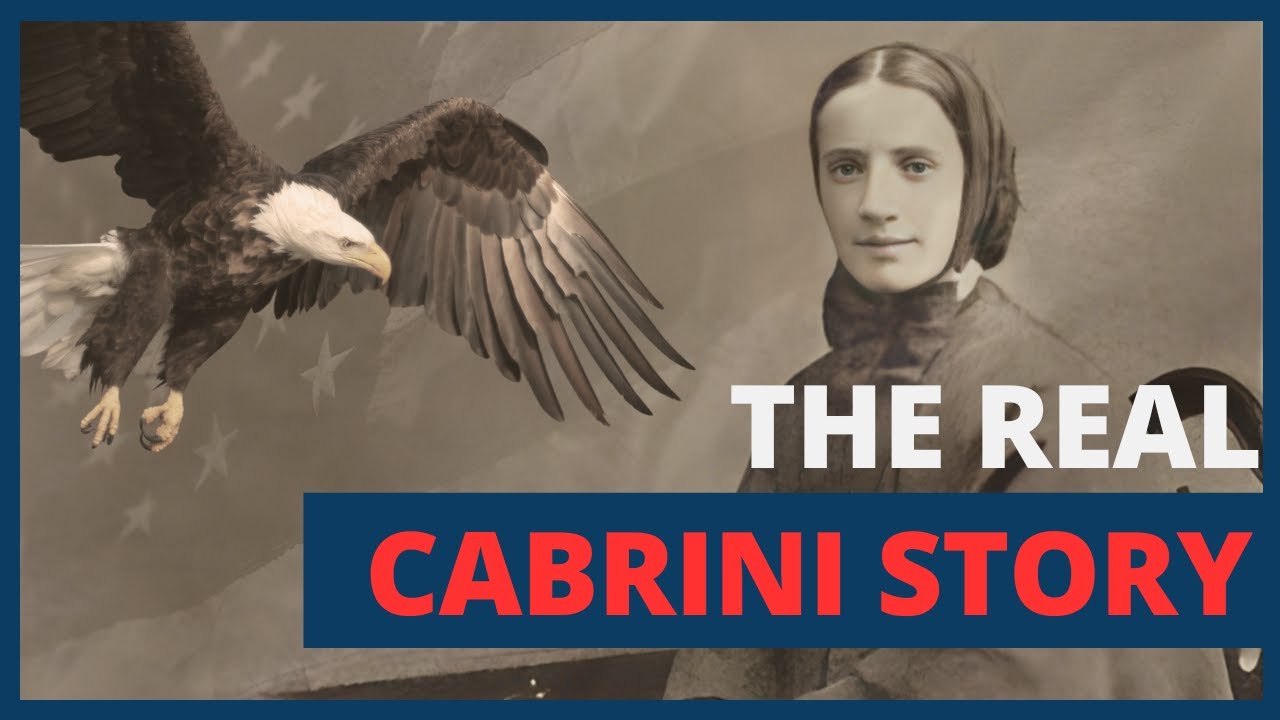
Francesca Cabrini: Pioneer of American Immigration Services
Francesca Cabrini, an Italian-American nun, is revered as a pioneering figure in the landscape of immigration services in the United States. ✨ Her unwavering commitment to helping immigrants navigate the challenges of adapting to a new country has left an indelible mark on the fabric of American society. Through her numerous efforts, Cabrini not only provided essential resources but also created a strong support network for recent arrivals seeking a better life. In this article, we will explore her remarkable contributions, life story, and the enduring impact she has made.
Early Life and Calling
Born on July 15, 1850, in Sant’Angelo Lodigiano, Italy, Francesca Cabrini was the youngest of thirteen children. From a young age, she exhibited a profound sense of compassion towards the marginalized. After becoming a nun in 1877, she felt a divine calling to serve in the United States, driven by her desire to aid fellow immigrants. In 1889, Cabrini arrived in New York City, where she faced the harsh realities of immigrant life firsthand.
Challenges Faced by Immigrants
Upon her arrival, Cabrini quickly realized the multitude of obstacles immigrants confronted, including language barriers, cultural differences, and inadequate access to essential services. Many faced poverty and exploitation, making it imperative for figures like Cabrini to step in and offer support. Her insights into these struggles were pivotal in shaping her mission.
Founding the Missionary Sisters of the Sacred Heart
In 1880, Francesca Cabrini established the Missionary Sisters of the Sacred Heart, an organization dedicated to furthering her work with immigrants. This congregation provided not only spiritual guidance but also practical assistance such as education and healthcare. Cabrini’s work aimed to empower individuals from various backgrounds, restoring dignity and hope to those in need.


Services Provided by Francesca Cabrini
Francesca Cabrini’s impact was profound. Here are some of the notable services she established to help immigrants:
- Educational Programs: Cabrini believed that education was essential for integration and success. She established schools to educate children and adults alike, focusing on both academics and American civics.
- Healthcare Assistance: She opened orphanages and healthcare facilities, providing much-needed medical assistance to vulnerable populations.
- Cultural Integration Services: Cabrini offered resources to help immigrants navigate cultural differences, including language classes and cultural awareness programs.
Geographical Expansion and Leadership
Cabrini’s commitment to her mission led her to branch out beyond New York City. Over her lifetime, she founded over 67 institutions throughout the United States, including in Chicago, Denver, and Los Angeles. Each establishment was tailored to tackle local immigrant needs while upholding her guiding principles of love and service.
Impact on Immigration Policies
Cabrini’s work not only transformed individual lives but also had a ripple effect on broader immigration policies. By advocating for the rights and needs of immigrants, she highlighted the importance of compassion in the immigration process. Her methods and approach serve as a model even in today’s discussions about immigration reform.
Francesca Cabrini’s Legacy
Francesca Cabrini’s legacy continues to inspire individuals and organizations committed to serving immigrants. In 1946, she was canonized as a saint by the Catholic Church, cementing her influence not just in religious spheres but as a humanitarian icon. Her canonization further amplified her story and mission, reminding us of the ongoing relevance of her work.
How to Use Francesca Cabrini as a Model for Modern Services
By studying Cabrini’s innovative strategies, modern organizations can enhance their support for immigrants. Below are actionable ideas on how to integrate her principles into contemporary practices:
- Set Up Educational Initiatives: Follow Cabrini’s model by creating workshops or classes that help immigrants learn essential skills, such as language proficiency or financial literacy.
- Healthcare Partnerships: Collaborate with local healthcare providers to offer free or low-cost medical services to low-income immigrant families.
- Cultural Awareness Sessions: Organize cultural exchange events that not only assist immigrants in integrating but also educate the local community about diverse heritages.
- Advocacy and Legal Assistance: Provide legal advice to immigrants navigating the complexities of immigration law, ensuring they understand their rights.
- Job Placement Services: Establish partnerships with local businesses to create job placement programs specifically for immigrants.
- Mental Health Support: Offer counseling services addressing the unique emotional challenges faced by immigrants adjusting to new environments.
- Community Engagement: Foster a sense of belonging through local events that celebrate both immigrant culture and community diversity.
- Volunteer Programs: Encourage community members to volunteer their time and skills to support immigrants through mentorship or tutoring.
- Resource Centers: Create a centralized hub where immigrants can access vital information regarding healthcare, education, and employment.
- Social Media Outreach: Utilize platforms like Facebook and Instagram to raise awareness about immigrant challenges and promote available resources.
Utilizing Complementary Tools to Enhance Cabrini’s Principles
While Francesca Cabrini provides an exemplary model for support services, incorporating complementary tools can amplify her vision. Here are suggestions on how to incorporate modern solutions alongside her principles:
- Website Builders: Create informative websites to reach wider audiences and provide resources online.
- Design Tools: Use Canva for creating engaging flyers and promotional materials for workshops and services.
- Email Marketing: Leverage Mailchimp to update community members on events or resources.
- Communication Platforms: Implement Slack to facilitate communication within volunteer networks and community service organizations.
- Training Programs: Partner with AlphaPlus for specialized training to empower volunteers and staff with the skills needed to serve immigrants effectively.
Enhancing Services with Design Tools (Complementary Tool #2)
Utilizing Canva alongside Francesca Cabrini’s model can significantly enhance outreach efforts:
- User-Friendly Interface: Canva’s intuitive design interface allows anyone to create professional-looking material easily.
- Customizable Templates: Provides various templates for flyers, presentations, and social media posts tailored to service-related events.
- Branding Consistency: Maintain consistent branding across all materials to build recognition and trust within the community.
- Collaboration Features: Allows multiple users to collaborate in real-time, ensuring swift updates and improvements to ongoing projects.
Utilizing Communication Platforms (Complementary Tool #4)
Incorporating Slack into community service efforts can streamline operations:
- Real-Time Communication: Facilitates immediate responses, ideal for coordinating events and addressing urgent issues faced by immigrants quickly.
- Channel Organization: Allows the creation of specific channels for different topics, keeping discussions focused and organized.
- File Sharing: Team members can share critical documents and resources promptly, ensuring everyone has access to necessary information.
- Integration with Other Tools: Easily integrates with other platforms, enhancing project management and efficiency.
Francesca Cabrini: A Model for Modern Humanitarian Efforts
Francesca Cabrini’s divine calling and tireless work to improve the lives of immigrants remain relevant today. Her legacy is a testament to the power of compassion and community-driven solutions. Whether through educational programs, mental health initiatives, or cultural awareness campaigns, embracing her principles can lead to transformative outcomes for all involved.
By continuing to honor her work and leveraging both modern tools and her enduring strategies, communities can ensure that the spirit of Francesca Cabrini thrives, improving the lives of countless individuals navigating the complexities of immigration.
Further Reading and Resources
If you wish to learn more about Francesca Cabrini or delve deeper into her mission, consider exploring the following trusted resources:
- Biography of Francesca Cabrini – Biography
- Frances Xavier Cabrini – Wikipedia
- Cabrini University – Official Site
Francesca Cabrini’s Contributions to Education and Healthcare
Francesca Cabrini: A Pioneer in Education and Healthcare 🌟
Discover the extraordinary life of Francesca Cabrini, a saint known for her incredible impact on education and healthcare, especially for immigrants.
Early Life of Francesca Cabrini
Francesca Cabrini, born on July 15, 1850, in Sant’Angelo Lodigiano, Italy, was raised in a devout Catholic family. Her early life was marked by a deep commitment to her faith and a strong desire to help others. The seeds of her future mission were planted during her childhood, where she often assisted her local parish and developed a passion for education.
The Journey to America
In 1889, Cabrini embarked on a journey to America, driven by her desire to serve the Italian immigrant community. Adjusting to life in a new country was challenging, but her determination was unwavering. Unlike others who might have turned back, Cabrini saw the potential to make a real impact.
The Foundation of the Missionary Sisters of the Sacred Heart
In 1890, Cabrini founded the Missionary Sisters of the Sacred Heart of Jesus. This organization focused on providing education and healthcare to immigrants. Her innovative approach offered them the tools to thrive in their new environments. Francesca Cabrini quickly grew the organization, establishing a network of schools, hospitals, and orphanages across the United States and beyond.
Impact on Education
Francesca Cabrini recognized education as a powerful tool for social change. Through her efforts, she opened schools that emphasized not just academics but also moral and religious training. This holistic approach helped immigrant children navigate their new realities while retaining their cultural identities.
Innovative Educational Strategies
Emphasizing the importance of tailored learning, Cabrini’s schools implemented various innovative strategies. Her curriculum often incorporated practical skills, ensuring students were prepared for the realities of life in America.
Healthcare Contributions
Alongside education, Cabrini devoted herself to improving healthcare access for immigrants. She recognized that many were suffering from preventable diseases due to inadequate healthcare. In response, she established hospitals and clinics aimed at serving the most vulnerable in society.
Key Healthcare Initiatives
Cabrini’s healthcare initiatives focused on providing basic medical care, education on hygiene, and promoting healthy living. Here are some notable highlights:
- Founded hospitals in cities with large immigrant populations, including New York and Chicago.
- Implemented health education programs that taught families about disease prevention.
- Established outreach programs to ensure that even the poorest had access to healthcare services.
- Promoted the establishment of social services to support mental health considerations among the immigrant community.
Legacy of Francesca Cabrini
Francesca Cabrini’s impact is evident in the ongoing work of the Missionary Sisters of the Sacred Heart of Jesus. Her legacy continues to inspire modern educators and healthcare providers, emphasizing service and compassion.
Modern-day Applications
The principles that Cabrini established still resonate today. Across the globe, many organizations understand the value of education and healthcare in lifting communities. Her pioneering spirit can be seen in various initiatives aimed at supporting immigrants and the marginalized. Cabrini’s approach exemplifies how educational and healthcare solutions can work together to create a holistic support system.
Complementary Tools to Enhance the Learning Experience
To maximize the benefits of Francesca Cabrini’s mission, consider using these complementary tools that align with her educational and healthcare values. Here are some suggestions:
1. Learning Management Systems (LMS)
Learning Management Systems, such as Blackboard, can help organize and streamline educational programs. These platforms facilitate distance learning and provide resources that can extend Cabrini’s approach to modern-day education.
2. Health Tracking Apps
Using health tracking apps can enhance healthcare delivery. Many immigrants might lack access to traditional healthcare facilities. By tracking health on mobile devices, people can engage with their health proactively.
- User-friendly Interfaces: Easy navigation for varying tech-savviness among users.
- Health Monitoring: Users can track symptoms, medications, and doctor visits.
- Community Resources: Many apps provide resources tailored for immigrant health needs.
- Accessibility: Provides a platform that can be used without high costs or travel barriers.
3. Online Tutoring Services
By integrating online tutoring services, students can receive personalized support, reinforcing Cabrini’s educational mission. These platforms provide students with access to additional resources and mentorship.
4. Community Health Centers
Engaging with community health centers allows for a collaborative approach to health and wellness, mirroring the outreach Cabrini established.
5. Family Resource Centers
These centers offer crucial support for immigrant families, providing resources and connections similar to Cabrini’s holistic approach in her early missions.
6. Bilingual Educational Tools
Using bilingual learning resources can enhance the educational experience for immigrant children, allowing them to retain their native language while adapting to their new environment.
7. Telemedicine Services
Telemedicine platforms can bridge the gap in healthcare access, allowing immigrants to receive crucial health consultations remotely, aligning perfectly with Cabrini’s vision of equitable healthcare.
8. Collaborative Online Learning Platforms
Utilizing collaborative online learning platforms fosters community and peer learning, which benefits students from diverse backgrounds. Here are four reasons to consider them:
- Peer Interaction: Encourages collaborative work among students, just as Cabrini did.
- Diverse Learning Environments: Offers courses that cater to various cultural backgrounds and experiences.
- Resource Sharing: Provides a platform for sharing educational materials, much like Cabrini’s communal approach.
- User Engagement: Interactive formats keep students engaged and motivated in their learning journey.
9. Cultural Exchange Programs
These programs can facilitate understanding and integration, allowing immigrants to share their culture while learning about others, an initiative that aligns beautifully with Cabrini’s mission.
10. Mobile Libraries
Mobile libraries can bring educational resources directly to those who cannot travel, echoing Cabrini’s commitment to accessibility in education.
Challenges Faced by Francesca Cabrini
Despite her historical significance, Cabrini faced numerous challenges, particularly as a woman in leadership roles during the early 20th century. She often encountered resistance from established entities, yet her faith and resilience guided her to overcome these hurdles.
The Canonization of Francesca Cabrini
Francesca Cabrini was canonized as a saint on July 7, 1946. This recognition speaks volumes of her unyielding spirit and dedication to serving others. Her feast day is celebrated on November 13, symbolizing her life’s work and commitment to promoting welfare in education and healthcare.
Inspiring Future Generations
Today, Cabrini’s journey continues to inspire countless individuals and organizations dedicated to supporting immigrant communities. Schools and healthcare facilities named in her honor strive to uphold her values of compassion and service. Her life invites each one of us to contribute to the greater good through service, reflection, and community support.
Conclusion: Embracing the Legacy of Francesca Cabrini
The story of Francesca Cabrini serves as a beacon of hope and inspiration. Through her tireless work in education and healthcare, she established a legacy that reminds us all of the importance of service to others. By utilizing complementary tools that echo her mission, we can continue to make a significant impact on our communities, just as she did over a century ago. By embracing Cabrini’s spirit, we can cultivate a more inclusive, compassionate world.
