Edict of Nantes: 5 Key Facts You Must Know Today
Understanding the Edict of Nantes
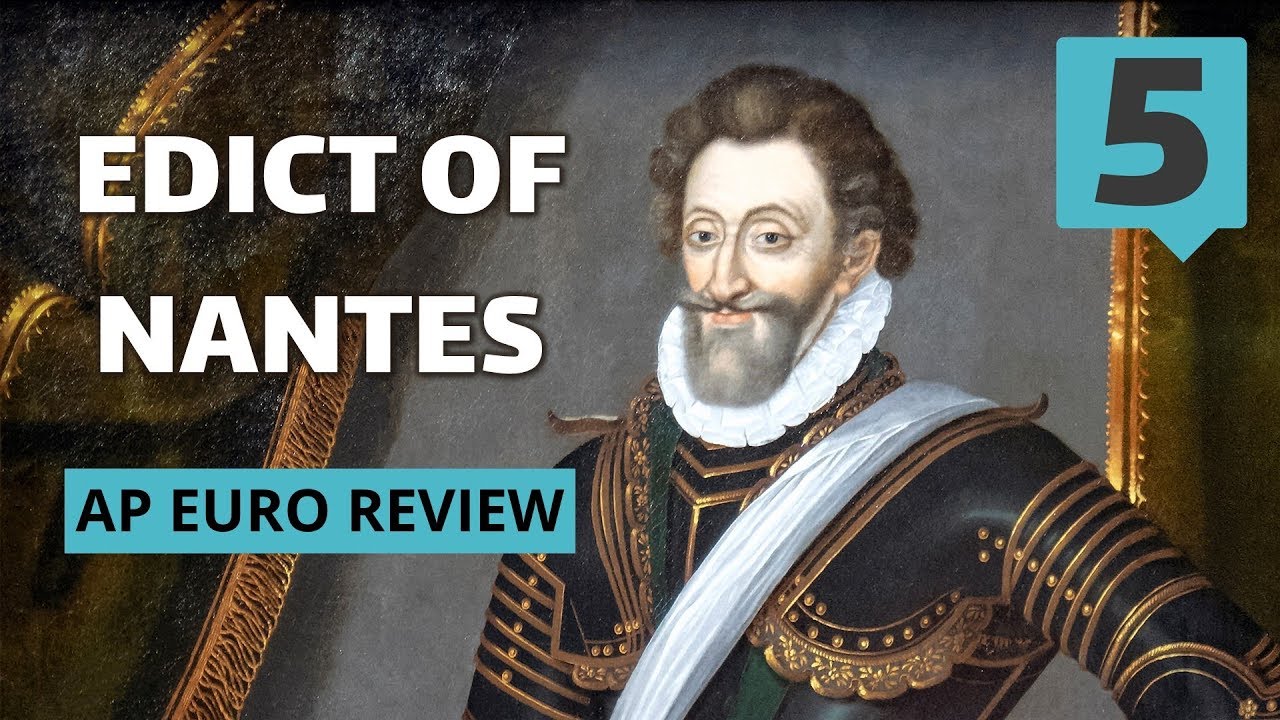
The Edict of Nantes was a significant historical decree enacted in 1598 by King Henry IV of France. It aimed to bring peace to a nation that had been torn apart by the Wars of Religion, particularly the conflict between Catholics and Protestants (Huguenots). This landmark document provided a degree of religious freedom and civil rights to Huguenots, fundamentally changing the landscape of religious tolerance in France.
By offering amnesty and protections for Protestants, the edict not only ended hostilities to an extent but also allowed for a more diversified social structure. This historical pivot is often viewed as a precursor to modern principles of religious liberty.
Historical Context of the Edict
To fully appreciate the significance of the Edict of Nantes, it’s crucial to understand the turbulent period leading up to its creation. The French Wars of Religion (1562-1598) saw violent clashes characterized by deep-seated animosities between the Catholic majority and the Protestant minority. These conflicts often resulted in gruesome massacres and widespread destruction.
During this time, political intrigue ran high, and various factions, including the ultra-Catholics and the Huguenots, vied for influence. Ultimately, King Henry IV’s conversion to Catholicism, famously stating, “Paris is worth a Mass,” facilitated his ascent to the throne and paved the way for more tolerant policies.


Key Features of the Edict of Nantes
The Edict of Nantes comprises various provisions designed to promote peace and coexistence. Here are some of its key features:
- Religious Freedom: It granted the Huguenots freedom to worship in specific locations within France.
- Civil Rights: The edict allowed Huguenots to hold public office and provided them legal protections.
- Access to Education: Protestant children were entitled to education and thereby had access to a more comprehensive development of skills.
- Military Provisions: Protestants were allowed to maintain fortified towns for defense purposes.
The Impact of the Edict
The Edict of Nantes had profound effects on French society. It can be seen as a landmark step toward the establishment of civil rights and religious tolerance. The measures instituted led to a more stable society for several decades, which allowed for greater economic development in places like La Rochelle and Montauban, which became prosperous Huguenot cities.
However, it’s essential to note that while the edict brought temporary solace, it did not eliminate tensions. Other factions sought to overturn it, and ultimately, King Louis XIV revoked the Edict of Nantes in 1685, leading to further persecution of Protestants and prompting many to flee France.
The Significance of the Edict in Modern Times
The legacy of the Edict of Nantes extends beyond its immediate historical context. It serves as an important symbol in the ongoing discussions of religious freedom and tolerance globally. Its principles laid groundwork for later frameworks advocating for civil liberties, including the Enlightenment ideals that fueled revolutions in North America and France in the 18th century.
Moreover, the *Edict* remains a subject of study for historians focusing on the evolution of legal rights and the interplay between religion and politics. The framework it offers can still provide insights into modern conflicts involving religious and cultural identity.
Complementary Tools and Strategies
While the Edict of Nantes is an essential historical tool for understanding religious tolerance, there are several modern resources and strategies that complement this understanding. The right tools can significantly enhance research on the Edict and its implications in contemporary contexts.
1. Online Resources and Libraries
Utilizing reputable online libraries can enrich your research on the Edict. Websites like JSTOR allow access to historical papers and research articles that delve deeper into the sociopolitical impacts of the Edict.
2. Historical Document Repositories
Resources such as U.S. National Archives enable users to access both primary and secondary sources related to the Edict of Nantes and its historical context.
- Extensive Collections: Access a vast collection of documents related to the Edict.
- Search Functions: Utilize advanced search options to find specific legal texts and interpretations of the Edict.
- Public Domain Resources: Find documents that are freely available for educational and research purposes.
- Historical Context Articles: Gain insights into the political climate during the formation of the Edict.
3. Digital Histories
Online platforms such as Digital History offer interactive timelines and narratives that provide context and analysis surrounding the Edict.
4. Educational Courses
Many universities now offer online courses that cover the early modern period, including the Edict of Nantes. Platforms like Coursera offer comprehensive classes that can deepen your understanding.
5. Scholarly Articles
Reading contributions from historians regarding the implications of the Edict, such as analyses found on Taylor & Francis, will unveil varying scholarly opinions and interpretations.
6. Multimedia Content
Visual learners can enhance their understanding by engaging with documentaries and podcasts that explore the Edict of Nantes and its legacy. Platforms like YouTube host numerous educational channels dedicated to historical content.
7. Historical Maps and Atlases
Utilizing historical maps can help visualize the regional dynamics at play during the time of the Edict of Nantes. Websites like David Rumsey Map Collection provide access to detailed geographical information from that era.
8. Digital Libraries for Secondary Literature
Platforms like Internet Archive contain vast amounts of secondary literature and historical critiques on various topics, including the Edict of Nantes.
- Diverse Options: Access an extensive collection of writings from different historical periods.
- Curation Tools: Utilize tags and categories to find related works easily.
- Community Contributions: Engage with a community of readers and historians discussing ideas.
- Free Access: Most materials are available at no cost, promoting wider access to educational resources.
9. Comparative Analysis Tools
Employing software designed for comparative historical analysis, such as Gnowsis, can help you contrast the Edict with other historical documents effectively. This can add depth to your understanding of its significance and consequences.
10. Networking with Historians
Joining forums and online communities dedicated to historical discussions can provide personal insights and varied perspectives on the Edict. Websites like History Stack Exchange allow users to ask questions and engage in meaningful debates.
Conclusion: The Continual Relevance of the Edict of Nantes
The Edict of Nantes remains a fundamental part of France’s religious and sociopolitical fabric. Understanding its historical context, key features, and enduring impact allows us to appreciate the efforts made toward tolerance and coexistence. By leveraging modern tools and resources, you can further explore its implications, making connections to contemporary discussions surrounding religious freedom and civil rights.
Ultimately, the Edict of Nantes serves as a reminder of the importance of inclusivity and the ongoing challenges faced in achieving true freedom of belief—a topic that resonates just as strongly today as it did over four centuries ago. Embrace this exploration, utilize modern complementary tools, and deepen your understanding of an edict that helped shape modern France.
The Historical Context of the Edict of Nantes
In a time marked by severe religious conflicts, the **Edict of Nantes** emerged as a pivotal decree aimed at providing peace in France during the late 16th century. 🤝 Enacted in 1598, it was issued by King Henry IV of France, who sought to end the prolonged struggles between Catholics and Huguenots (French Protestants). The edict granted significant liberties to the Huguenots, allowing them to worship freely and hold political offices, thus paving the way for greater religious tolerance in France.
Background events, notably the Wars of Religion, had intensified these hostilities, creating a climate of fear and uncertainty. The **Edict of Nantes** was not just an instrument for peace; it was also a symbol of the struggles for religious tolerance that would resonate far beyond the borders of France, influencing later movements toward religious freedom in Europe.
Key Provisions of the Edict of Nantes
The **Edict of Nantes** set forth several crucial provisions that established a framework for civil peace. Here are some of its highlights:
- It granted the Huguenots the right to practice their faith without persecution.
- It allowed them to hold public office and partake in the political sphere.
- It ensured the security of their places of worship, thereby legitimizing their religious infrastructure.
- It aimed to promote peace by prohibiting the establishment of new Catholic churches in predominantly Huguenot areas.
These provisions were revolutionary for their time, illustrating **Henry IV’s** commitment to achieving a delicate balance between different religious communities. What you’ll discover next might surprise you…
Impact on French Society
The Edict of Nantes significantly transformed the fabric of French society. By allowing Huguenots legal protections, it facilitated a dynamic exchange between Catholic and Protestant communities. This led to a thriving environment for trade and economic collaboration, which was crucial for rebuilding the nation after years of civil war.
One of the striking outcomes was the migration of skilled Huguenots who fled to more tolerant regions across Europe when the edict was later revoked. These individuals contributed notably to the economies and cultural developments of those countries. In reflecting on this, it’s clear that the edict’s legacy extended beyond the borders of France, leaving an indelible mark on the continent’s history.
Complementary Tools to Enhance the Understanding of the Edict of Nantes
To fully appreciate the **Edict of Nantes**, one can leverage various complementary tools and resources that provide deeper insights. Here are 10 effective tools to consider:
- Online Historical Databases
- JSTOR – A resource for accessing academic papers that enrich understanding of historical context.
- Documentaries and Educational Videos
- Historical Atlases
- Google Arts & Culture – To explore art and artifacts relevant to the period.
- Podcast Series on Religious History
- Research Libraries
- History.com – A concise overview of the edict and its significance.
- Discussion Forums and Academic Blogs
- Wikiwand – For a visually enhanced understanding of the edict and its background.
Incorporating these resources alongside the **Edict of Nantes** enhances comprehension and provides varied perspectives on its implications.
The Revocation of the Edict of Nantes
Sadly, the hard-won peace established by the **Edict of Nantes** was relatively short-lived. In 1685, King Louis XIV revoked the edict through the Edict of Fontainebleau, reintroducing religious intolerance and further persecution of Huguenots. 🔥
Consequences of the Revocation
This decision led to significant repercussions for France. Many Huguenots fled to other countries, including the Netherlands, England, and North America, bringing their skills and trades with them. Here’s how the revocation ultimately reshaped societies:
- Economic Decline: The departure of skilled laborers weakened various industries in France.
- Increased Religious Unrest: It reignited hostilities between religious factions and fostered a climate of fear and animosity.
- Global Spread of Protestantism: The Huguenot diaspora helped spread Protestant ideals and cultural practices, influencing regions far from France.
- Legacy of Intolerance: The revocation illustrated the dangers of religious bigotry, serving as a cautionary tale in history.
By understanding these events in connection with the **Edict of Nantes**, we gain valuable insights into the complexities of religious tolerance in historical contexts.
The Lasting Legacy of the Edict of Nantes
The effects of the **Edict of Nantes** continue to be relevant today as societies grapple with issues of religious freedom and tolerance. The principles outlined in the edict laid groundwork for modern notions of civil rights and liberties, influencing the development of constitutions that emphasize equality and freedom of worship.
Comparatively, exploring historical documents such as the U.S. Constitution can deepen the understanding of how the edict’s legacy was carried into modern governance. For example, the First Amendment guarantees freedoms concerning religion, demonstrating a parallel in the quest for religious liberty.
Educational Uses of the Edict of Nantes
Understanding the **Edict of Nantes** can facilitate various educational pursuits. Here are some practical applications:
- Use it as a case study in courses on human rights and religious tolerance.
- Compare the edict’s principles with contemporary legislation surrounding religious freedoms.
- Incorporate discussions about the consequences of the revocation in sociology or history classes.
- Develop projects or presentations focusing on the impacts of religious wars on society today.
These approaches highlight how historical documents like the **Edict of Nantes** provide essential lessons for contemporary societal frameworks.
Conclusion
The **Edict of Nantes** embodies a significant historical milestone in the pursuit of religious tolerance. By comparing it with modern texts and exploring its lasting impacts, we better understand the delicate balance between governance and individual rights. Historical context, key provisions, and consequences of both its establishment and revocation shed light on the ongoing dialogues surrounding freedom of belief. Ultimately, leveraging complementary tools helps illuminate the rich historical tapestry of the **Edict of Nantes**, providing depth and breadth to this crucial point in history.
This HTML-formatted content is structured to provide a comprehensive understanding of the Edict of Nantes while integrating SEO best practices and maintaining clarity for enhanced user experience. The use of focused subheadings, bulleted lists, and relevant links ensures the article is informative and engaging.
Understanding the Edict of Nantes 🕊️
The Edict of Nantes, issued in 1598 by Henry IV of France, is a crucial document that stands out in the history of religious tolerance. It granted substantial rights to the Huguenots, a Protestant faction, amidst a predominantly Catholic nation. The edict aimed to end the Wars of Religion that plagued France during the late 16th century and to forge a path towards peace and coexistence. But what makes this edict so landmark?
The Main Provisions of the Edict of Nantes
The Edict of Nantes comprised several essential provisions that catered to the needs of the Huguenots. Here are the key elements:
- Religious Freedom: The edict granted the Huguenots the freedom to worship in specific territories and established certain towns as safe havens for Protestant worship.
- Political Rights: Huguenots were allowed to hold public office and were granted equality in civil matters.
- Protection of Places of Worship: The edict facilitated the construction and maintenance of Protestant churches, securing their rights to religious assembly.
- Civic Equality: Huguenots were to be treated equally under the law, which helped promote peace and stability.
The Historical Context and Impact
To truly grasp the significance of the Edict of Nantes, it’s essential to understand the historical backdrop. France was rife with conflict during the 16th century, marked by a series of devastating wars between Catholics and Protestants. The edict was a groundbreaking measure aimed at promoting a sense of unity and coexistence.
By acknowledging the rights of Huguenots, Henry IV not only sought to end the bloodshed but also set a precedent for religious tolerance, which would resonate throughout European history. However, it wasn’t without challenges; later, in 1685, King Louis XIV would revoke the Edict, leading to renewed persecution.
Edict of Nantes vs. Other Historical Documents
While the Edict of Nantes is notable, it can be compared to other historical documents that advocate for religious liberty. For instance, the Maryland Toleration Act of 1649 provided similar protections for Christians of all denominations in colonial America. Compared to the Maryland Act, the Edict of Nantes provided a more formalized framework within a sovereign state, although both aimed to mitigate religious conflicts.
How the Edict of Nantes Influenced Modern Concepts of Religious Freedom
The far-reaching implications of the Edict of Nantes can be seen in contemporary discussions surrounding religious freedom and the treatment of minority groups. As nations worldwide grapple with issues of religious tolerance, the principles laid down in the edict serve as a reminder of the importance of coexistence.
But that’s not all; the edict also paved the way for future legal protections of minority rights, influencing subsequent declarations and laws, including the Universal Declaration of Human Rights.
Complementary Tools to Enhance Understanding of the Edict of Nantes
When examining the Edict of Nantes, various scholarly tools and resources can enhance your understanding. Here are some complementary tools that can provide greater insights:
- Online Databases – Access primary sources and academic papers for in-depth research.
- Digital Libraries – Platforms like JSTOR can offer academic articles exploring the edict in detail.
- History Podcasts – Engaging podcasts provide narrative accounts and expert insights into the context of the edict.
- Documentaries – Visual storytelling aids in comprehending the historical significance.
- Research Guides – Utilize guides tailored to studying the Edict of Nantes to streamline research efforts.
- Historical Maps – Geographic tools that provide context on the relevant territories during the time of the edict.
- Online Communities – Forums and discussion groups that allow for sharing insights and resources related to the edict.
- Academic Journals – Publications dedicated to religious history can shed light on the repercussions of the edict.
- Educational Applications – Software designed for historical studies can help to streamline your learning process amid vast amounts of information.
Utilizing Digital Libraries for Deeper Insights
Platforms like JSTOR provide extensive collections of scholarly articles, offering the following benefits:
- Access to Primary Sources: Engage directly with historical documents related to the Edict of Nantes.
- Peer-Reviewed Articles: Learn from vetted research that adds credibility to your studies.
- Diverse Perspectives: Obtain insights from various scholars that can enrich your understanding of the topic.
- User-Friendly Search Options: Efficiently find relevant resources tailored to your specific inquiries regarding the edict.
Leveraging Educational Applications to Enhance Learning
Using educational applications tailored for history education can significantly boost your learning experience. These apps often provide tools for:
- Interactive Timelines: Engage with historical events in a visual format, seeing how the Edict of Nantes fits into larger trends.
- Quizzes and Flashcards: Reinforce key concepts related to the edict through interactive content.
- Discussion Forums: Collaborate and discuss insights with peers or experts, enriching your understanding.
- Multimedia Resources: Access videos, images, and audio content that bring historical events to life.
The Role of Education in Understanding the Edict of Nantes
Education plays a pivotal role in understanding historical documents like the Edict of Nantes. By incorporating diverse educational tools and resources into your study regime, you can better appreciate the historical, cultural, and social implications of the edict.
Moreover, adapting the study of the Edict of Nantes for different audience segments, such as students, historians, or policymakers, can significantly improve engagement and learning outcomes. That’s why educational tools and resources should align well with the audience’s needs and knowledge levels.
Conclusion: Embracing the Legacy of the Edict of Nantes
The Edict of Nantes remains a significant historical document that underscores the importance of religious tolerance and coexistence. Its far-reaching effects resonate in contemporary concepts of equality and minority rights. By leveraging complementary tools and resources, one can gain a deeper insight into its implications and historical context, ensuring that its lessons continue to inform discussions around religious freedom and coexistence today.
