Difference Between Stock and Broth: 5 Key Culinary Insights
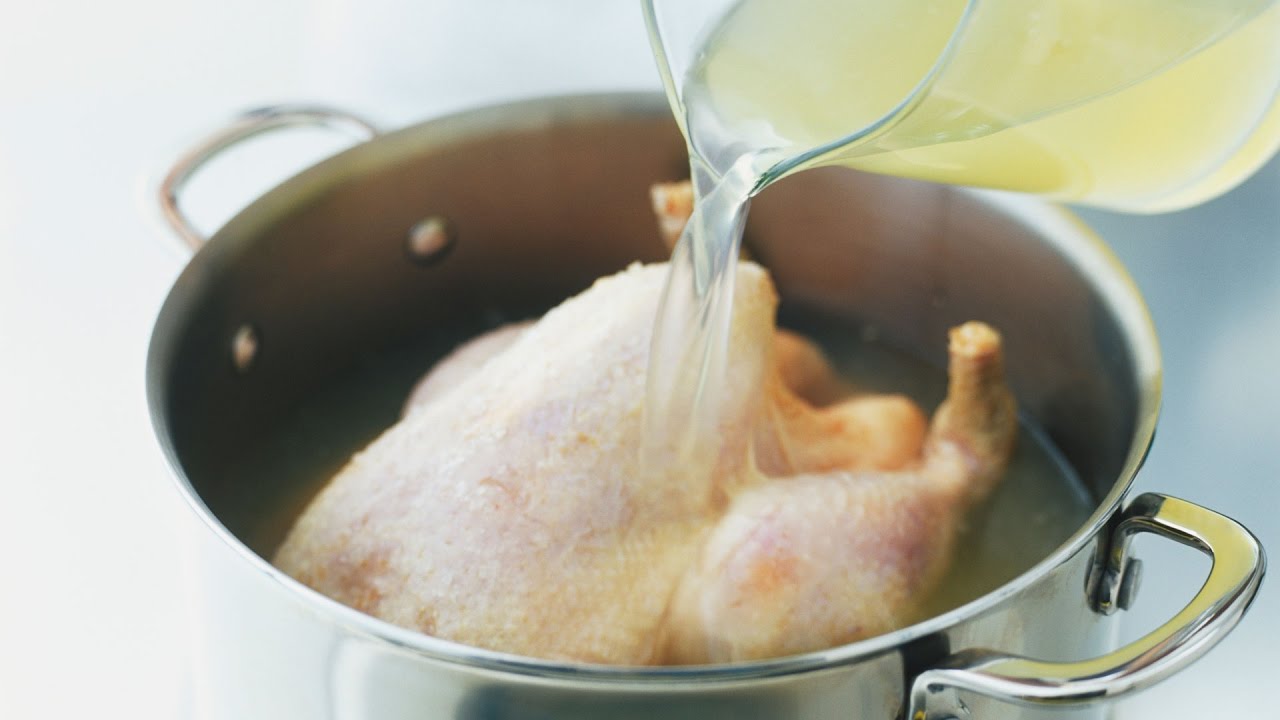
The Difference Between Stock and Broth: Understanding the Basics
Have you ever found yourself in the grocery aisle staring at the labels of stock and broth, unsure of which one to choose? 🤔 The distinction between them might not be apparent at first glance, but understanding the difference between stock and broth can elevate your culinary creations significantly. While both serve as foundational liquids in various recipes, their ingredients and preparation methods reveal their unique flavors and culinary applications.
Defining Stock and Broth
Stock is a rich, flavorful liquid made from simmering bones, often with some meat still attached, along with aromatic vegetables like onions, carrots, and celery. This slow cooking allows the bones to release collagen, resulting in a thicker, more gelatinous texture. Stock is mainly used as a base for sauces, soups, and stews, imparting a deep, robust flavor.
Broth, on the other hand, is lighter and primarily made from the meat of the animal, vegetables, and seasonings. It’s usually cooked for a shorter period, making it less rich in collagen and more watery than stock. Its primary use is as a simple soup base or as a flavorful liquid for cooking grains and legumes.
Ingredients: What’s Inside?
The primary difference between stock and broth lies in their ingredients. Stock typically contains the following:


- Bones (beef, chicken, or fish)
- Vegetables (carrots, onions, celery)
- Seasonings (bay leaves, peppercorns, thyme)
In contrast, broth is made with:
- Meat (chicken, beef, or fish)
- Vegetables (similar to stock, but often with more variety)
- Seasonings (can include herbs, spices, or more robust flavors)
This difference in ingredients plays a significant role in determining the flavor profiles of each. For example, a chicken broth might taste more like the actual chicken meat, while chicken stock boasts a more concentrated and savory flavor due to the collagen from the bones. By incorporating different cuts of meat or vegetables, you can create varied flavors in each. For more insights, you can visit this Wikipedia page on broth.
Cooking Techniques: How They Differ
The cooking techniques used for making stock and broth also differ, which affects their final flavor and texture. Stock is prepared by:
- Rinsing the bones to remove impurities.
- Roasting them (optional) to enhance flavor.
- Simmering for 4-6 hours to extract gelatin.
- Straining and cooling, often resulting in a gel-like consistency when chilled.
Broth, however, is prepared by:
- Simmering meat and aromatic vegetables together.
- Cooking for a shorter time, typically 1-2 hours.
- Straining to remove solids while retaining a thinner liquid.
This difference in cooking times is essential! While broth can be made quickly, stock requires longer to truly develop its depth of flavor. If you’re pressed for time, consider making a broth for your dishes, but for richer sauces and soups, stock is the way to go.
Nutritional Benefits: Stock vs. Broth
The nutritional difference between stock and broth is notable. Stock is generally richer in nutrients such as collagen and gelatin, which can be beneficial for joint health and skin elasticity. It often contains more minerals due to the prolonged cooking of bones. On the other hand, broth is typically lower in calories and can be a lighter option suitable for those looking for a low-calorie meal.
When comparing the two, stock might stand out for its hearty nutrients, while broth could be beneficial for those seeking a simpler, more straightforward flavor. The nutritional profile can heavily influence your cooking decisions. Check out the benefits of bone broth for deeper insights on how these differences can impact your health.
Flavor Considerations: Choosing the Right Base
In terms of flavor, both stock and broth have their unique characteristics. Stock generally has a more pronounced and complex flavor profile, making it an excellent foundation for rich dishes like French onion soup or risotto. On the other hand, broth is perfect for lighter soups, such as a simple vegetable soup or for cooking grains like quinoa or rice. The difference between stock and broth becomes evident when evaluating the intended use in your culinary creations.
Usage in Recipes: Elevating Your Cooking
When examining how each liquid is used in recipes, understanding the difference between stock and broth will help you maximize your cooking results. For example, making a rich goulash benefits immensely from the robust flavor of stock, whereas a light sopa de pollo would shine with a light chicken broth. This careful consideration of flavor profiles can transform a meal from ordinary to extraordinary.
Improving the Preparation of Stock and Broth: Tips and Tricks
Here are some actionable ideas to enhance your preparations:
- Add roasted vegetables like tomatoes or garlic to deepen the flavor of your stock or broth. 🥕
- Incorporate fresh herbs at the end of cooking for a burst of freshness. Herbs like basil or parsley work wonders!
- Use a pressure cooker to significantly reduce the cooking time while still extracting maximum flavor, especially for stocks.
- For enhanced flavor, try using a combination of bones; for example, mixing beef and poultry bones creates a multi-dimensional flavor.
- Experiment with different ethnic spices to add a new twist, such as adding lemongrass for an Asian flair in your broth.
- Store stock or broth in ice cubes for easy portioning in future recipes.
- Use a fine mesh strainer instead of a regular strainer to achieve a clearer liquid.
- Make sure to season lightly during cooking; adjust the seasoning after straining to achieve perfect flavor balance.
These tips enhance not only the flavor but also the overall appeal of your dishes. For instance, consider using an instant pot for faster cooking times while retaining all the flavors of homemade stock, making it more convenient for busy cooks.
Presentation: Serving Suggestions
How you present your stock or broth can also impact the overall dining experience. Stock is often used as a base for sauces, while broth can be served as a standalone dish or as a component of a larger meal. Consider:
– Garnishing with fresh herbs, such as chives or parsley, adds both flavor and visual appeal. 🌿
– Serving broth in clear bowls to showcase its clarity and inviting qualities, particularly with light-colored broths.
Both stock and broth serve distinct roles in the kitchen, and knowing their differences enables you to use them more effectively in your recipes.
Culinary Versatility: Integrating into Dishes
The versatility of both stock and broth allows them to be integrated into a wide array of dishes. For example:
- Using stock in a risotto results in a creamy and deeply flavored dish.
- Broth can be used for cooking pasta, enhancing its flavor without needing a separate sauce.
These applications highlight the difference between stock and broth and how they both contribute to different culinary goals.
Final Thoughts on Stock vs. Broth
While both stock and broth share similarities, they are distinct elements in the culinary world. Knowing their differences empowers cooks to make informed decisions on which base to use, ensuring each dish reaches its full potential. Whether opting for the rich texture of stock or the lighter flavor of broth, both can elevate your cooking and bring depth to your meals.
Common Uses of Stock and Broth
The Difference Between Stock and Broth: Understanding the Nuances
When it comes to cooking, understanding the difference between stock and broth can elevate your dishes significantly. 🍲 At first glance, they may seem interchangeable, but there are distinct qualities that set them apart, making each unique and valuable in the kitchen. From flavor to preparation methods, exploring the difference between stock and broth can enrich your culinary experience.
What is Stock?
Stock is a flavorful liquid made by simmering bones, often roasted, with vegetables, herbs, and spices. This process extracts the collagen from the bones, creating a rich and gelatinous texture that gives depth to soups and sauces. The cooking time for stock typically ranges from several hours, leading to a fuller flavor profile compared to broth.
What is Broth?
Broth, on the other hand, is usually made with meat (and sometimes bones) and cooked for a shorter duration. It tends to be lighter and is often seasoned more heavily, making it suitable for direct consumption or as the base for soups and other dishes. Understanding the difference between stock and broth will help you decide which to use for your culinary needs.
Key Characteristics of Stock and Broth
Identifying the attributes of stock and broth helps in understanding their individual benefits, especially when enhancing the difference between stock and broth.
Flavor Profiles
The flavor from stock is more concentrated due to the extended cooking time, making it ideal for sauces that require a robust taste. In contrast, broth has a delicate flavor which is often enhanced with various seasonings, making it great for sipping or lighter dishes. But that’s not all, the choice of ingredients can also influence the overall experience in these preparations.
Nutritional Benefits
Stock often offers enhanced nutritional benefits through collagen, benefiting joint health and skin elasticity. On the contrary, broth is typically lower in calories and can be a healthier option if you’re looking to maintain a lighter diet. Each serves its purpose depending on your health goals and culinary desires.
Comparative Cooking Techniques
Exploring the differences in preparation allows for better decisions in the kitchen. Let’s delve into the cooking techniques related to the difference between stock and broth.
Cooking Time and Temperature
Stock requires a slow simmer over hours, often ranging from 4 to 12 hours, depending on the bones used. This prolonged cooking not only extracts flavors but also helps break down the collagen into gelatin. Conversely, broth can be ready in approximately 1 to 2 hours, making it a quicker option for those who need a flavorful base in a hurry.
Ingredients and Utensils
While both stock and broth can utilize a variety of ingredients, the primary components differ significantly. For stock, focus on bones, such as chicken, beef, or fish, paired with aromatics like mirepoix (onion, carrot, celery). For a greater understanding, consider browsing Simply Recipes’ guide on chicken stock.
Broth tends to use more meat and even less emphasis on bones. Those who want to create a chicken broth can refer to Bon Appétit’s chicken broth recipe. A great stock pot or a quality slow cooker, like this one available on Amazon, can greatly aid in the preparation of either.
Enhancing Stock and Broth Preparations
To further distinguish the difference between stock and broth, consider the following enhancements that apply to each:
1. Using Roasted Bones
Roasting bones before simmering can add a depth of flavor to your stock, leading to a more complex and delectable final product. This technique enhances the umami notes that many enjoy.
2. Adding Aromatics
Incorporating herbs and spices like thyme, bay leaves, or even peppercorns can significantly influence the flavor of both stock and broth. Adjust according to personal preference for best results.
3. Pressure Cooker Benefits
A pressure cooker can reduce the cooking time for stock from hours to just over an hour. This means you can enjoy the rich benefits of stock without the extended wait. For guidance on how to use a pressure cooker effectively for stock, consider looking at Cooking Classy’s beef stock recipe.
4. Seasonal Vegetables
Incorporating seasonal vegetables not only maximizes flavor but adds nutritional diversity. Ingredients like pumpkins in the fall or fresh peas in spring can create vibrant and enjoyable variations.
5. Acidity for Brightness
A splash of acidity, such as vinegar or lemon juice during simmering, can help extract flavors and provide an extra kick to your final preparation. This technique is particularly beneficial for stock.
6. Straining Techniques
Using a fine-mesh strainer ensures a smooth texture, allowing your stock or broth to be clear of any floating particles. This attention to detail is crucial for presentation.
7. Freezing for Later Use
Both stock and broth freeze well. Consider using ice cube trays to portion out, making it easy to add a burst of flavor to future dishes.
8. Experimenting with Flavors
Experiment with different meats or bones like lamb or duck for stock, and you’ll discover how these variations enhance the difference between stock and broth. Each protein offers a distinct flavor profile.
9. Herbs Bouquets
Using a bouquet garni provides control over the herbs’ flavors in your stock or broth. This method allows for easy retrieval and ensures your flavors can be balanced perfectly.
10. Texture Boosting
Adding a small amount of fresh cream or butter to your finished broth can create a luscious mouthfeel, enhancing the overall experience of your dish. This is especially effective if you’re serving your broth as a standalone soup.
Final Thoughts on Eating and Using Stock and Broth
Incorporating an understanding of the difference between stock and broth into your cooking not only enhances your meals but also expands your culinary repertoire. You’ll find that each has its place, offering unique flavors and benefits depending on the dish you’re preparing. By exploring the nuances of each, you create opportunities to elevate every bite.
Storage and Shelf Life
The Difference Between Stock and Broth
Have you ever found yourself contemplating the difference between stock and broth while preparing a cozy meal? 🤔 Many home cooks often wonder which one to use in their recipes. Understanding the distinctions can elevate your cooking, making your dishes shine with flavor and depth. In this extensive exploration, we will delve into the nuanced differences between stock and broth, their preparation methods, and how they can enhance various recipes.
Defining Stock and Broth
To grasp the difference between stock and broth, it’s essential to define each term. Stock is primarily made from bones, often roasted, that are simmered with water, aromatic vegetables (such as onions, carrots, and celery), herbs, and spices. This process extracts collagen and flavor, resulting in a rich, gelatinous base. On the other hand, broth is made from meat and/or vegetables, which are simmered to create a light, flavorful liquid. Unlike stock, broth generally has a clearer appearance and less body due to the lack of bones.
Ingredients Matter
The key ingredients used in making stock and broth contribute significantly to their taste and texture. In stock, the focus is on the bones—beef, poultry, or fish—while aromatics complement the base. Ingredients like mirepoix or mirepoix-like mixtures significantly enhance flavor profiles.
For broth, the emphasis shifts to the cut of meat used, such as rotisserie chicken or beef shank. Added herbs, spices, and vegetables like garlic, leeks, or mushrooms can optimize flavor and presentation. This is one of the critical aspects where the difference between stock and broth is keenly observed: the texture and depth achieved through bone content.
Cooking Techniques
The cooking techniques for both stock and broth are similar, yet they yield distinct outcomes. Stock tends to be cooked longer—often around 4-6 hours—at a low simmer to fully extract flavors and collagen from the bones. This extended cooking time is what results in its gelatinous texture, enriching the final dish.
Broth, in contrast, takes significantly less time to prepare—typically 1-2 hours. The goal is to infuse the meat and vegetable flavors into the liquid without extracting as much gelatin, preserving its lighter body. Compared to stock, broth often emerges as the more accessible choice for quick preparations.
Flavor Profiles
When assessing the flavor, the difference between stock and broth is quite noticeable. Stock delivers a more robust and earthy flavor due to the bones and longer cooking time. This richness makes stock ideal for sauces, stews, and gravies, where a thicker texture and deeper taste are desired.
Broth, however, is lighter and can be consumed on its own or used in lighter dishes like soups or risottos, where transparency and delicacy in flavor are preferred. The versatility and lightness of broth make it a go-to for many home chefs.
Nutrition and Health Benefits
From a nutritional standpoint, both stock and broth have their unique advantages. Bone stock is prized for its collagen content, which is beneficial for joint health, skin elasticity, and overall wellness. The simmering process extracts minerals and nutrients from bones, making it a nutrient-dense addition to your culinary repertoire.
Broth, being primarily meat-based, is also beneficial, as it provides protein and essential amino acids. However, it usually lacks the gelatin and depth of nutrients found in stock. Nonetheless, it remains a comforting option for warm, restorative dishes. Understanding the nutritional profile is critical when deciphering the difference between stock and broth.
Presentation and Culinary Use
In terms of presentation, stock and broth also differ. Stock is often used as a base for sauces and reductions, where its viscosity supports the dish’s overall texture. This character makes stock indispensable in gourmet dining. On the other hand, broth can be the star of a simple soup, showcasing tender vegetables and proteins, often served with garnishes like herbs or a squeeze of lemon for an exciting visual appeal. These presentation aspects further highlight the differences between stock and broth in culinary use.
Enhancing Your Stock and Broth Game
Ready to master the art of preparing delicious stock and broth? Here are some clear ideas to improve your creation process:
- Use Roasting to Intensify Flavors: Roasting bones and vegetables before simmering can add a deep caramelized flavor. This technique greatly enhances the complexity of your stock.
- Incorporate Umami Boosters: Adding dried mushrooms, seaweed, or miso during the cooking process introduces an umami depth unique to your stock or broth.
- Fresh Herbs: Incorporating fresh herbs like thyme, parsley, or bay leaves while simmering can elevate the flavor profile. Remove them before serving for a cleaner taste.
- Season Gradually: Avoid heavy seasoning in the beginning. Instead, taste throughout the process and adjust towards the end to ensure balance.
- Use a Pressure Cooker: A pressure cooker can drastically reduce the time needed to prepare flavorful stock or broth while extracting juices more efficiently.
- Store Properly: Use airtight containers or ice cube trays to freeze in portions. This makes it easy to add a burst of flavor whenever needed. See [Amazon](https://www.amazon.com) for storage solutions.
- Strain Thoroughly: After cooking, strain the liquid to remove solids for a clean, clear finish—especially important for presentation in broth.
- Experiment with Flavors: Try variations by incorporating citrus peels or spices like ginger for unique twists on basic recipes. You could even combine meats, such as chicken and beef for an eclectic broth experience.
Type Variations
While exploring the difference between stock and broth, it’s meaningful to note that variations exist depending on the culinary tradition. For instance, in Asian cuisine, miso broth or dashi is popular. These variations provide unique flavor profiles that can influence your meal immensely. By adding elements such as kombu or bonito flakes, stocks, and broths can become a canvas for creativity.
Understanding Usage in Recipes
To effectively integrate these liquids into your cooking, noting how they function in various recipes is beneficial. For instance, when making risotto, a well-prepared broth enriches the grains and allows for creaminess without dairy. As you stir, the liquid’s lightness complements the textures beautifully. This is unlike using stock, which may overpower the delicate flavor profile typical of risotto preparations.
When considering sauces, though, stock works best due to its thickening properties. With its high gelatin content, stock contributes to a luxurious mouthfeel that enhances dishes, creating a sophisticated finish that’s hard to imitate with broth.
Culinary Tips for Optimal Results
For the most appetizing results when distinguishing the difference between stock and broth, consider the following culinary tips:
- Cold Water Start: Start with cold water when making stock, allowing the flavors to extract slowly.
- Skim the Surface: Skimming foam during the simmering process prevents cloudiness in the final product, particularly important for broth.
- Pre-heat Your Water: Simmering with hot water can enhance extraction rates, providing a more flavorful result.
- Utilize Fresh Trimmings: Vegetable trimmings can add extra flavor without waste; utilize what you have.
As you enhance your understanding of the difference between stock and broth, you can experiment and discover what works best for your culinary style. Continue experimenting with flavors, techniques, and ingredients to create appealing and richly flavored stocks and broths that will captivate your guests. 🍲
What you’ll discover next might surprise you—how to scale your stock-making recipes for large gatherings, ensuring everyone receives that comforting, delicious taste.
Conclusion
Whether you lean towards making a heartwarming broth or a rich, gelatinous stock, understanding the core differences between stock and broth will fundamentally transform your cooking. Each has its unique properties that can enhance your culinary landscape. Embrace the best of both worlds and inspire your meals with nourishing, flavorful bases.
Further reading on the anatomy of stock can be found on Wikipedia, where you’ll find comprehensive details about techniques and history. Explore different ways to use stock in traditional recipes on Food Network.
