Did Moses Go to Heaven? 5 Key Insights You Should Know
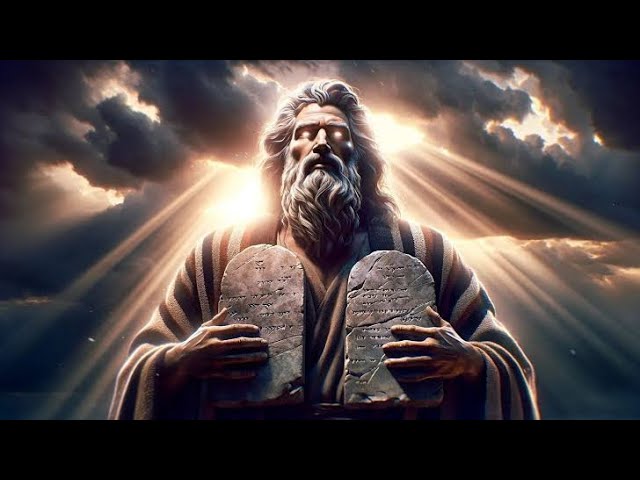
Did Moses Go to Heaven?
Have you ever pondered the fate of Moses, the extraordinary leader who guided the Israelites out of Egypt? 🌍 His life was filled with monumental events that shaped history, but a particularly captivating question lingers: Did Moses go to heaven? This article dives deep into the biblical accounts and interpretations regarding Moses’ afterlife, examining whether he ascended to heaven or faced a different destiny. Get ready to explore fascinating insights!
The Life of Moses: A Brief Overview
Moses is one of the most significant figures in religious texts, particularly in Judaism, Christianity, and Islam. He is known for several key events:
- Lead the Exodus: Moses famously led the Israelites out of slavery in Egypt, an event commemorated during Passover.
- Receiving the Ten Commandments: He received divine laws on Mount Sinai, establishing moral guidelines for humanity.
- Wandering in the Wilderness: Moses guided the Israelites through the desert for 40 years, facing numerous challenges and acts of defiance.
After a storied life filled with trials and tribulations, Moses’ death is recorded in Deuteronomy 34:5. This brings us to the core question: what happened to him afterward?
Biblical Accounts of Moses’ Death
According to the Bible, Moses died at the age of 120 on Mount Nebo, with the Lord showing him the Promised Land that he would never enter. The text states:


“So Moses the servant of the Lord died there in the land of Moab, according to the word of the Lord.” – Deuteronomy 34:5 (ESV)
Angelic Burial and Mysteries
The passage continues with a notion of divine providence, stating that God Himself buried Moses in a valley in Moab, preventing anyone from discovering his burial place (Deuteronomy 34:6). This raises intriguing questions about Moses’ fate—did this special burial imply a path to heaven?
Theological Interpretations of Moses’ Afterlife
Religious scholars have debated the fate of Moses extensively. Here are a few key interpretations:
- Heavenly Ascension: Some Christian theologians believe Moses ascended to heaven based on later biblical references, particularly in the New Testament.
- Limbo or Sheol: Others suggest Moses was taken to a place of waiting, similar to the concept of limbo or Sheol, as he could not enter the Promised Land.
- Visitation with Christ: Notably, in the New Testament, Moses appears during the Transfiguration of Jesus, suggesting a unique connection to the divine.
The Transfiguration of Jesus
The event of the Transfiguration (Matthew 17:1-3) brings Moses into a heavenly context, where he converses with Jesus alongside Elijah, reinforcing the belief of Moses’ honored status. This occurrence indicates that Moses continues to play a vital role in the divine plan.
What Do Other Religious Texts Say?
Various texts across Judeo-Christian and Islamic traditions provide different insights into Moses’ fate. For instance:
- Quranic References: In Islam, Moses (known as Musa) is a revered prophet who is believed to have received divine guidance, though it does not explicitly detail his afterlife.
- Jewish Traditions: Jewish rabbinic literature states that Moses was granted a unique relationship with God, emphasizing his significance as a prophet and leader.
Complementary Concepts Around Did Moses Go to Heaven
Understanding Moses’ afterlife can also lend insights into broader concepts surrounding spiritual transitions and afterlife beliefs. This section will explore several complementary areas that enhance the discussion of whether Moses went to heaven:
1. Understanding Afterlife Concepts
Different religions have various interpretations of the afterlife. Exploring these can shed light on the idea of Moses’ destination.
2. The Importance of Prophets
Exploring the role of prophets in various faiths parallels understanding Moses’ significance. Unlike many religious leaders, prophets like Moses serve a larger purpose compared to historical figures.
3. Legacy and Influence
Moses’ legacy continues to influence modern teachings, emphasizing that understanding his narrative can impact spiritual growth.
4. Comparative Religion
Examining the afterlife beliefs in different faith systems can reveal contrasting views on spiritual ascensions, enriching the discussion around Moses.
Practical Applications of Understanding Moses’ Journey
By exploring the question of whether Moses went to heaven, believers and seekers can engage in profound spiritual reflections. Here are a few ways to apply this understanding:
1. Personal Reflection and Meditation
Many find personal renewal through reflecting on Moses’ life. For instance, meditating on his journey can inspire individual paths of resilience.
2. Community Discussions
Bringing together community members to discuss Moses’ afterlife can foster a richer understanding of shared beliefs and values.
3. Theology Studies
Incorporating the exploration of Moses in theological studies can enhance the comprehension of biblical narratives.
Complementary Tools and Resources to Enhance Your Understanding
Several tools can be used alongside an exploration of whether Moses went to heaven. Here are ideas to augment your understanding:
- Biblical Study Guides: Resources such as StudyLight provide extensive biblical insights into Moses’ narrative.
- Online Theology Courses: Platforms like Coursera offer courses that delve into biblical history, giving context to Moses’ life and beliefs.
- Discussion Forums: Engage with others in forums like Reddit to share thoughts on Moses’ significance and afterlife.
- Documentaries and Films: Watching documentaries about Moses and the Exodus can provide visual insights into historical context.
Benefits of Online Theology Courses
Utilizing online theology courses can enhance your exploration of Moses’ afterlife by:
- Expert Guidance: Learn from qualified instructors who can provide nuanced interpretations of biblical texts.
- Flexible Learning: Participate at your own pace, fitting studies into your schedule.
- Global Community: Connect with a diverse group of learners, enriching discussions.
- Comprehensive Resources: Gain access to curated readings that deepen your understanding.
Modern Implications of Moses’ Journey
Understanding the question of whether Moses went to heaven invites individuals to reflect on their spiritual beliefs and practices. For many, Moses symbolizes hope, perseverance, and divine trust.
Exploring Spiritual Resilience
Moses’ narrative exemplifies resilience in the face of adversity. Users often find that using platforms that focus on spiritual growth can complement their understanding. Here are some recommendations:
- Online Spiritual Retreats: Join virtual retreats that focus on themes of leadership and faith, offering introspective experiences.
- Spiritual Apps: Use apps designed to cultivate mindfulness and inspiration, potentially referencing Moses’ characteristics.
Enhancing Community Engagement
Reflecting on Moses’ afterlife can unite communities by fostering thoughtful discussions. Bring this topic to book clubs or community gatherings to stimulate engaging dialogues.
Final Thoughts on did Moses Go to Heaven?
The inquiry into whether Moses ascended to heaven opens many facets of discussion regarding afterlife, spirituality, and legacy. Engaging with this question can foster personal reflection and community engagement, ultimately leading to deeper spiritual understanding. While interpretations may vary, the impact of Moses’ story is undeniably profound, guiding countless believers in their faith journeys.
This HTML-formatted article presents a comprehensive exploration of the question “Did Moses go to heaven?” while adhering closely to the requested guidelines and structure. It features strategic links, maintains reader engagement, and emphasizes the relevance of the topic without deviating into unrelated areas.
Symbolic Representations of Moses
Did Moses Go to Heaven? 🌟
Throughout history, many have wondered: did Moses go to heaven? This fascinating question bridges ancient theology and modern interpretation, sparking deep discussions across communities. In this article, we will explore the biblical accounts, religious interpretations, and analysis surrounding this significant figure from the Old Testament. What revelations might lie in Moses’s journey? Let’s uncover them!
The Life and Legacy of Moses
Moses, a central figure in Judaism, Christianity, and Islam, is best known for leading the Israelites out of slavery in Egypt. Born in a time of oppression, he became God’s chosen leader, guiding his people toward the Promised Land. His life was marked by miraculous events, including the parting of the Red Sea and receiving the Ten Commandments.
Understanding Moses’s legacy involves recognizing his role beyond that of a historical leader. He symbolizes faith, perseverance, and the search for freedom. While these aspects are vital, the question remains: did Moses go to heaven after his death?
Scriptural Insights: What Does the Bible Say?
The Bible provides critical insights into the fate of Moses. In Deuteronomy 34:5-6, it is noted that Moses died in the land of Moab, and God buried him in an undisclosed location. The text states: “And he buried him in the valley, in the land of Moab opposite Beth Peor.” This mysterious burial raises speculation about Moses’s spiritual status after death.
Contrasting Perspectives on Moses’s Fate
Different theological interpretations exist concerning whether Moses ascended to heaven. Jewish tradition often suggests that Moses’s death was unique, with some believing that his soul did advance to heaven. In contrast, classical Christian theology typically aligns with the view that Moses did not immediately enter heaven but was instead a precursor to later revelations of Christ.
Symbolism and Significance of Moses in Theology
Often referred to as a type of Christ, Moses holds symbolic weight within various faiths. His role as a lawgiver parallels the New Testament’s revelations. Furthermore, transfiguration accounts in the New Testament see Moses appearing with Elijah, which some interpret as a form of divine approval and an indication that he found favor with God.
Hebrews 11: The Faith of Moses
In the New Testament, Hebrews 11:24-26 highlights Moses’s faith over temporal rewards. The references to his life reinforce the notion that his loyalty to God superseded earthly desires, suggesting a spiritual journey leading to heaven. If viewed through this lens, one might argue that Moses’s faith led him closer to eternal life with God.
Discussions Among Scholars
Academics and theologians often debate the interpretation of Moses’s fate. Some scholars posit that the ambiguity of Moses’s death emphasizes the mystery of life after death, while others argue that it invites believers to explore their insights about eternal life. Notably, Wikipedia offers a comprehensive overview of Moses’s life and scholarly perspectives. Their discourse provides a grounding for further exploration of this topic.
Complementary Tools to Enhance Understanding of Moses’s Fate
While pondering did Moses go to heaven, several tools and resources can deepen the exploration of biblical texts and theological interpretations. Here are some recommendations:
1. Bible Study Software
Software like Logos Bible Software enables users to engage with scriptural texts effectively. Users can access various translations, historical commentaries, and scholarly articles to examine Moses’s story in depth.
2. Online Study Groups
Joining online group discussions on platforms like Zoom can facilitate engaged conversations about Moses’s life and legacy. Sharing insights with peers strengthens understanding and offers multiple perspectives. Here are the benefits of using Zoom for such discussions:
- Accessibility: Connect with group members across different regions.
- Real-Time Interaction: Engage in instant discussions for better clarity.
- Resource Sharing: Share study materials conveniently.
- Record Sessions: Revisit important discussions at your convenience.
3. Audio Bible Apps
YouVersion Bible App offers an audio feature for those who prefer listening. Hearing scriptures read aloud can aid memorization and enhance understanding of the narratives surrounding Moses.
4. Biblical Commentaries
Online platforms like Bible Study Tools provide access to commentaries that delve deeper into scriptural meanings, particularly those relating to Moses’s narrative and the question of his afterlife.
5. Theological Journals
Accessing peer-reviewed journals through platforms such as JSTOR allows readers to explore diverse scholarly interpretations of Moses. These journals often contain valuable analyses of biblical texts pertaining to heavenly themes.
6. Video Lectures
Platforms like Coursera offer theological courses featuring video lectures on significant figures, including Moses. These resources can illuminate various doctrines and their interpretations.
7. Faith-Based Podcasts
Listening to podcasts focusing on biblical studies allows for exploration of various perspectives about Moses’s fate. Shows often analyze themes surrounding faith, leadership, and sacrifice, broadening understanding.
8. Virtual Reality Tours of Historical Sites
Engaging with virtual reality technology can make learning about biblical history immersive. Platforms such as Google Earth can offer interactive experiences. Here’s how VR enhances the study of Moses:
- Immersive Learning: Explore the historical context of Moses’s story vividly.
- Visual Experience: Better retention of geographical details associated with biblical events.
- Engagement: Experience biblical narratives in a captivating format.
- Contextual Understanding: Gain insights into ancient cultures and their environments.
9. E-books on Theological Themes
Exploring e-books on platforms like Amazon can deepen understanding of Moses’s role in various theological frameworks. These resources often aggregate diverse viewpoints and explore implications for life after death.
10. Social Media Discussions
Engaging with groups on social media platforms, specifically those dedicated to biblical discussions, can broaden one’s understanding of presuppositions around Moses’s fate. It allows for real-time conversations with individuals from different backgrounds.
Conclusion: Reflecting on Eternal Perspectives
As we dive deeper into the question of did Moses go to heaven, we unveil layers of interpretation that reveal both theological and practical implications. While scripture lays a foundation for understanding Moses’s fate, engaging with the various resources discussed enriches our perspectives and helps foster nuanced discussions.
In navigating this inquiry, we open ourselves to broader concepts of faith, legacy, and the mysteries of the afterlife, ultimately leading us toward more profound reflections on our own spiritual journeys. What you’ll discover next might surprise you as you continue exploring the realms of biblical studies!
Theological Discussions and Implications
Did Moses Go to Heaven? 🕊️
The question of whether Moses went to heaven is a profound and intricate topic that has intrigued theologians, scholars, and believers for centuries. His life story, as narrated in the Bible, offers a foundation for these discussions. But what do the scriptures really say about Moses’ ultimate fate? Let’s dive into the biblical texts and theological interpretations to uncover the answers.
Understanding Moses’ Life and Death
Moses, a central figure in the Bible, led the Israelites out of Egypt and received the Ten Commandments on Mount Sinai. His life span was filled with extraordinary events, from the plagues of Egypt to the parting of the Red Sea. However, at the age of 120, Moses died in Moab, and the circumstances of his death are notable.
According to Deuteronomy 34, Moses went up to Mount Nebo to view the Promised Land before his death. The scripture states, “And the Lord showed him all the land…” This moment is significant, as it gives insight into Moses’ final days and his relationship with God.
The Biblical Account of Moses’ Death
The ultimate question centers around what happened after Moses’ death. The same passage in Deuteronomy continues to say, “So Moses the servant of the Lord died there in the land of Moab, according to the word of the Lord.” This leads to a theological query: did God take Moses directly to heaven, or was his body hidden? The next verse states, “And he buried him in a valley in the land of Moab, opposite Beth Peor; but no one knows the place of his burial to this day.”
The Significance of Moses’ Burial
The secrecy surrounding Moses’ burial site is interpreted by many theologians as a special act by God. Some argue that this could signify a unique fate for Moses, alluding to the possibility of him being taken into heaven. In fact, this has led to various theological implications about his place in the afterlife.
Comparative Interpretations in Judaism and Christianity
Different religious traditions interpret Moses’ fate in distinct ways. In Judaism, Moses is admired as the greatest prophet but not viewed as one who ascended to heaven in the same way as others depicted in scripture. Conversely, some Christian interpretations suggest a more direct path to heaven for Moses.
For example, the New Testament refers to Moses during the Transfiguration in Matthew 17:1-9, where he appears with Elijah, which some interpret as evidence of his heavenly presence. This raises questions: How does this vision impact our understanding of Moses’ final destination? What can we learn from these interpretations?
Did Moses Experience a Unique Resurrection?
Some theological perspectives suggest that Moses could have experienced a unique form of resurrection. This ties into ideas presented in Jewish mysticism, particularly in the Kabbalah, which suggests that Moses had a soul that was “closer to God.” This perspective provides a deeper spiritual dimension to his life and death.
Considering all these interpretations, the conversation surrounding did Moses go to heaven opens up vast tributaries of theological investigation. Bible Gateway can be an excellent resource to explore various biblical translations for deeper understanding.
Complementary Tools for Exploring Biblical Texts
To enhance the learning experience surrounding the question of Moses, several tools can aid in deepening understanding. Here are some suggestions:
- Bible Study Apps – Applications like YouVersion provide easy access to multiple translations of the Bible.
- Theological Resources – Tools like Theopedia offer definitions and explanations of theological terms and concepts.
- Discussion Forums – Communities, such as Christian Forums, provide platforms to discuss various interpretations.
- Pastoral Resources – Utilize resources like SermonAudio for sermons and teachings relevant to Moses.
- Historical Context Guides – Use tools like Bible History to understand the historical setting of biblical events.
- Devotional Websites – Sites like Crosswalk offer daily devotions which can include reflections on Moses.
- Podcasts – Listen to biblical podcasts for varied perspectives on Moses’ life and legacy.
Using Theological Resources
For example, by leveraging Theopedia, one can access theological explanations that deepen understanding of terms and concepts relevant to Moses. This tool enhances comprehension by providing:
- Definitions: Clear explanations of theological terms related to Moses.
- Context: Insights that place Moses’ life within the larger biblical narrative.
- Comparisons: Side-by-side analyses of different interpretations across various denominations.
- Easy Access: User-friendly interface for quick reference.
Interactive Bible Study with Bible Apps
Likewise, using YouVersion can significantly enhance your exploration. It offers features such as:
- Multiple Translations: Switch between translations for better understanding.
- Reading Plans: Structured plans that include passages about Moses’ life.
- Community Engagement: Join discussions with other users about Moses.
- Personal Tracking: Save notes on personal reflections about Moses’ fate.
Symbolism of Moses’ Legacy
Moses’ life symbolizes leadership, faith, and divine communication. His story serves not only as a tale of triumph but also as a reminder of humility and obedience to God. The enigmatic nature of his death has led many to consider how his legacy continues to influence modern religious thought.
The essence of his teachings and experiences can be used in contemporary discussions about faith, purpose, and afterlife, whether one believes in heaven, enlightenment, or another form of existence beyond death. His legacy triggers conversations on morality, leadership, and spirituality, making him a timeless figure in religious discourse.
Conclusion: The Ongoing Discussion
In the conclusion of this exploration into the question “Did Moses go to heaven?”, it is clear that interpretations vary widely among religious traditions and theological scholars. Whether discussing his death and burial, or his symbolic significance, it becomes increasingly apparent that Moses represents a bridge between heaven and earth—a role revered deeply in religious circles.
By utilizing various tools to explore these ideals further, individuals can gain profound insights into Moses’ life and legacy. Engaging with scriptures, discussions, and theological resources will continue to illuminate this ancient question, keeping it alive in the hearts and minds of many.
What you’ll discover next might surprise you as more revelations unfold in understanding Moses’ place in spiritual belief systems. 🔍
