Christian Denominations: 7 Fascinating Facts You Should Know
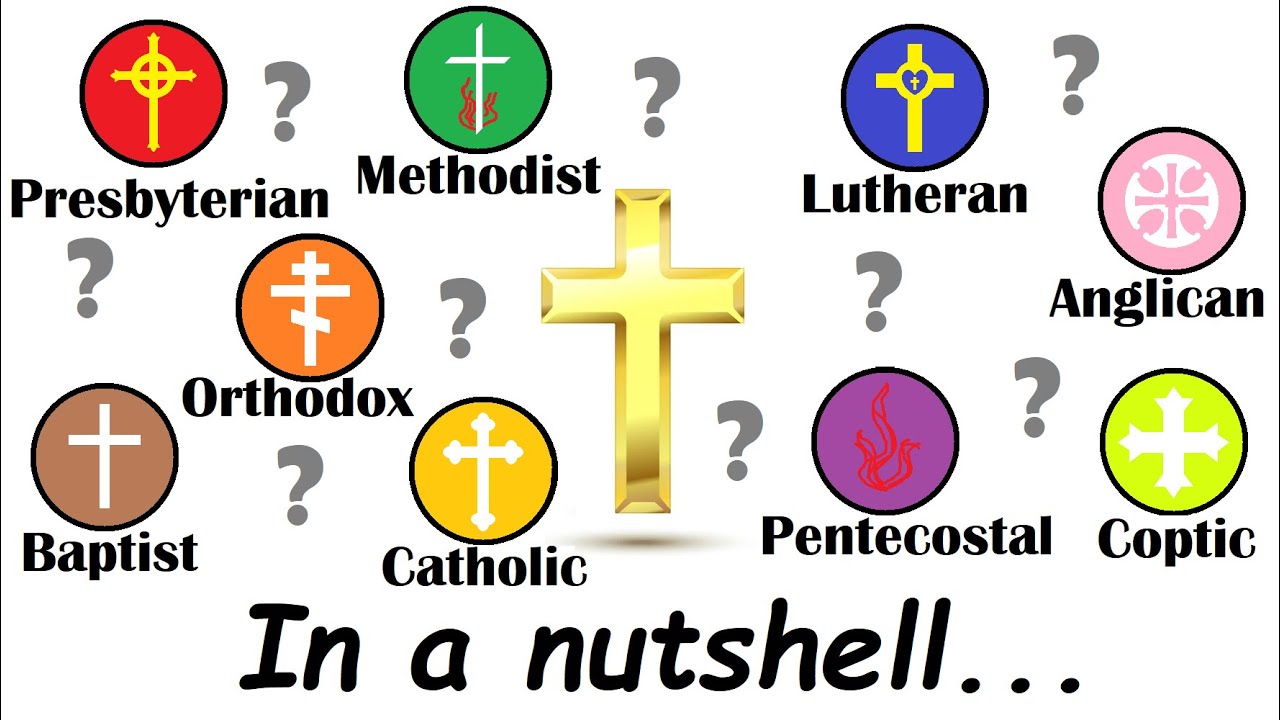
Understanding Christian Denominations
Christian denominations are diverse branches within Christianity, each with its own beliefs, practices, and traditions. 🌍 At their core, they share fundamental tenets of faith, but practice and interpretation can vary greatly among them. This diversity often sparks curiosity about what distinguishes one denomination from another. In this article, we will explore the various Christian denominations, their unique characteristics, and how they enhance spiritual experiences. Let’s dive in!
The Major Christian Denominations
Christianity can be broadly classified into three main categories: Catholicism, Protestantism, and Orthodoxy. Each of these major groups has numerous denominations, each contributing to the rich tapestry of the Christian faith.
Catholicism
Catholicism is the largest Christian denomination, with over a billion members worldwide. The Catholic Church, led by the Pope, emphasizes the sacraments, tradition, and the authority of the Church.
- Key Features: Seven sacraments (including Baptism and Eucharist).
- Community Aspect: Emphasis on community worship and traditions.
- Global Influence: Widespread presence and influence around the world.
- Doctrine: The belief in purgatory and intercession by saints.
Protestantism
Protestantism arose during the Reformation in the 16th century, leading to the establishment of numerous denominations that prioritize the authority of the Bible. Some of the largest Protestant denominations include Methodism, Baptism, and Lutheranism.


- Key Features: Emphasis on faith alone (sola fide) and scripture alone (sola scriptura).
- Diversity: Incredibly varied practices ranging from liturgical to informal worship.
- Personal Relationship: Focus on individual connections with God rather than a central authority.
- Innovative Practices: Embracing contemporary worship styles in many congregations.
Orthodoxy
The Eastern Orthodox Church comprises several autocephalous (self-governing) churches, such as the Greek Orthodox and Russian Orthodox Churches. It emphasizes continuity of faith through traditions and sacraments.
- Key Features: Use of icons and liturgical traditions in worship.
- Cultural Heritage: Rich history tied closely to national identities.
- Spiritual Focus: Emphasis on the mystical experience of God.
- Patriarchs: Leadership is spread across various patriarchates.
The Benefits of Christian Denominations
Engaging with Christian denominations opens a myriad of spiritual pathways and community opportunities. Here are several benefits they offer:
Diverse Worship Styles
Christian denominations provide a diverse range of worship styles that cater to different preferences. Some congregations might embrace traditional hymns and liturgies, while others might opt for contemporary worship music and informal gatherings. This allows individuals to find a service that resonates with their spiritual needs.
Community and Fellowship
Belonging to a Christian denomination fosters a sense of community. Many congregations engage in outreach activities, social events, and educational programs. This fellowship encourages growth, support, and service among members.
Spiritual Growth Opportunities
Each denomination typically offers programs to deepen understanding of the faith, such as Bible studies, prayer groups, and mission trips. These activities not only enhance personal faith journeys but also encourage collective growth.
Accessibility to Resources
Being part of a denomination often provides access to valuable resources. Whether it’s theological education, community services, or pastoral care, denominations equip members with tools to navigate their spiritual journeys effectively.
Complementary Tools to Enhance the Experience of Christian Denominations
While Christian denominations themselves offer immense value, combining them with other tools can further enrich spiritual experiences. Here are some complementary tools and services that can boost the benefits of engaging with different denominations:
1. Bible Study Apps
Utilizing Bible.com can provide easy access to scripture, daily verses, and study materials that complement teachings within the chosen denomination.
2. Online Sermon Platforms
- Accessible Content: Access to a wide range of sermons from various denominations.
- Convenience: Ability to listen to or watch sermons at any time.
- Diverse Perspectives: Exposure to different viewpoints enhances understanding and appreciation of the faith.
- Community Interaction: Opportunities for online discussions and community feedback.
Platforms like SermonAudio can be particularly beneficial as they offer thousands of sermons categorized by denomination and topic, making faith learning accessible and varied.
3. Christian Social Networks
Participating in platforms like Faithlife allows individuals to connect with others in their faith community and engage in discussions, share resources, and collaborate on faith-based projects.
4. Prayer Apps
Prayer apps such as Amen can enhance personal prayer practices while being part of a denomination. They offer reminders and guided prayers, helping deepen your spiritual connection.
5. Volunteering Platforms
Utilizing platforms like VolunteerMatch can help congregants find meaningful service opportunities that align with their teachings and values, thus benefiting both the individual and the community.
6. Faith-Based Educational Programs
Enrolling in courses, such as those offered by ThoughtCo., enhances theological knowledge and understanding of different denominations historically and contextually.
7. Streaming Worship Services
Using platforms like Church Online Platform allows individuals to participate in worship services remotely, making it easy for those unable to attend physically to stay connected.
8. Bible Journaling
- Enhances Engagement: Journal reflections on teachings and sermons from your denomination.
- Creative Process: Art and creativity deepen personal connections to scripture.
- Community Sharing: Share journaling insights with fellow members to foster discussion.
- Document Growth: Track your spiritual journey through written reflections.
By using tools like Amazon’s Bible Journaling Supplies, you can engage creatively with God’s word alongside your denomination’s teachings.
9. Christian Meditation Apps
Integrating apps like Headspace into your routine can complement the spiritual practices emphasized by your denomination through guided meditations and reflections that align with biblical principles.
10. Bible Translation Tools
Using Bible Hub helps you compare different translations, allowing a better understanding of scriptural nuances which can be beneficial across various denominations’ interpretative frameworks.
Engaging with Christian Denominations Effectively
To maximize the benefits of being part of a Christian denomination, it’s essential to engage actively. Here are some practical approaches:
Develop Personal Relationships
Building relationships with fellow members can enhance community ties. Participate in small groups or church activities to meet others and grow together in faith.
Incorporate Regular Study
Leverage tools like Bible study apps and online resources to incorporate a structured study life. Regular engagement with scripture will deepen understanding and reinforce beliefs unique to your denomination.
Attend Community Events
Making time for community events strengthens connections and instills a sense of belonging. It’s a wonderful way to see how faith is lived out practically within your denomination.
Conclusion
Christian denominations offer a rich and diverse approach to faith, providing numerous avenues for spiritual growth, community support, and personal engagement. They are essential in helping individuals navigate their spiritual journeys while fostering connections with others. By complementing denominational practices with various tools and resources, believers can deepen their faith experience, enhance their understanding, and strengthen their relationships both within their denomination and with the broader community. 🌟 Embrace the journey and explore what your chosen denomination has to offer!
Understanding Christian Denominations: A Comprehensive Guide
Christian denominations represent a rich tapestry of beliefs and practices within Christianity, often marked by unique interpretations of scripture and tradition. 🕊️ These differences can lead to vibrant and diverse communities, each offering distinctive insights into faith and spirituality. In this article, we’ll explore the various types of Christian denominations, their key traits, and how they interact with complementary tools and services to enhance the experience of believers.
Major Types of Christian Denominations
Christian denominations can be broadly categorized into several main groups. Each denomination has its theological, liturgical, and organizational ethos that contributes to its identity.
Catholicism
The Roman Catholic Church is the largest Christian denomination, known for its traditions, sacraments, and the leadership of the Pope. With a structured hierarchy, Catholicism emphasizes community, sacramental life, and the teachings of Church authority.
Protestantism
Emerging during the Reformation, Protestant denominations such as Baptists, Methodists, Lutherans, and Presbyterians highlight personal interpretation of the Scripture and faith. Each group possesses distinct beliefs about baptism, the authority of Scripture, and the role of grace.
Orthodox Christianity
Orthodox Christianity, including branches like the Eastern Orthodox Church, maintains a rich tradition of liturgy, sacraments, and spiritual practice. The Orthodox Church emphasizes the continuity of faith through the ages and is known for its mystical approach to worship.
Key Features of Christian Denominations
Each Christian denomination has specific features that attract followers and foster spiritual growth. Understanding these attributes can help believers choose or appreciate their faith community.
Theological Diversity
Christian denominations reflect a broad spectrum of theological interpretations. While all denominations share a belief in Jesus Christ, variations exist in scriptural authority, salvation, and sacraments. This diversity encourages a richer dialogue and exploration of faith among believers.
Worship Styles
Worship practices can differ significantly across denominations. Catholicism often emphasizes formal liturgy, while many Protestant traditions encourage contemporary worship styles, including music and sermons that resonate with modern audiences. This flexibility enables congregations to engage deeply with their faith.
Community and Fellowship
Christian denominations provide a sense of community. Engaging in congregational activities, outreach programs, and small group gatherings fosters connections among believers. This communal aspect supports spiritual growth and accountability, enhancing overall faith experiences.
Leveraging Complementary Tools with Christian Denominations
While each Christian denomination offers unique strengths, incorporating complementary tools can further enhance faith practices. Here are some effective ways to integrate various tools with Christian denominations:
1. Online Bible Study Platforms
Using platforms like Bible Gateway can deepen understanding of scripture. Believers can access multiple translations and commentaries to enrich their study, allowing them to connect with their faith more profoundly.
2. Church Management Software
Implementing ChurchTeams enables churches to manage attendance, donations, and events effectively. Here’s how it can help:
- Streamlined Operations: Automates administrative tasks, freeing up staff for spiritual engagement.
- Engagement Tracking: Helps assess member participation and spiritual growth over time.
- Event Management: Facilitates organization of church activities, ensuring higher participation rates.
- Donation Tracking: Enhances financial stewardship and transparency within the congregation.
3. Social Media Engagement
Leveraging social media platforms can create a vibrant online community. Churches can share teachings, events, and personal testimonies, engaging church members beyond the Sunday service.
4. Mobile Apps for Devotionals
Mobile apps, such as YouVersion, provide daily devotionals and community features that encourage daily engagement with scripture, enhancing personal reflection and accountability.
5. Learning Management Systems
Utilizing systems like Teachable can help churches provide online courses that deepen theological understanding and spiritual practices, making education accessible to all members.
6. Donation Platforms
Using platforms such as Givelify can simplify the donation process, enhancing financial contributions for church projects and missions.
7. Virtual Meeting Tools
Crisis situations or geographical constraints make tools like Zoom pivotal for online worship and Bible studies, enabling congregations to gather and support each other amidst challenges.
8. Interactive Faith Challenges
Creating community initiatives using platforms like Challenge can enhance fellowship and commitment among members. Some benefits include:
- Encouragement: Participating in challenges fosters a spirit of encouragement and accountability among members.
- Community Building: Activities can help establish strong relationships and support networks.
- Sharing Testimonies: Members can share their experiences and spiritual growth in a safe environment.
- Goal Setting: Helps members set and achieve spiritual goals in a structured way.
9. Content Creation for Outreach
Creating compelling content, whether through blogs or podcasts, can provide valuable resources for understanding Christian faith. It helps articulate teachings and share testimonies to a broader audience.
10. Resourcing for Charity Initiatives
Utilizing platforms like Giving Tuesday can enhance fundraising efforts for charitable projects, promoting community outreach aligned with the church’s mission.
The Importance of Audience Segmentation in Denominations
Understanding audience segmentation is essential for Christian denominations. By tailoring messages and program offerings to specific demographics, churches can increase engagement and spiritual growth. Effective segmentation ensures that different groups within a community receive relevant teachings and support based on their unique needs and experiences.
For instance, youth programs might focus on contemporary issues facing younger generations, while adult education can delve into deeper theological discussions. This thoughtful approach not only nurtures faith but also helps congregants feel seen and valued in their individual spiritual journeys.
The Impact of Technology on Christian Denominations
In our increasingly digital world, technology plays a significant role in how Christian denominations operate and reach their communities. From online sermons to virtual prayer groups, tech can enhance and transform traditional practices.
For example, since the pandemic, many churches have swiftly integrated online platforms for worship, leading to broader engagement opportunities. Followers can participate from anywhere, creating a more inclusive environment. This shift demonstrates how Christian denominations can adapt and grow through technology without losing sight of their core values.
Historical Context and Evolution of Denominations
To grasp the current landscape of Christian denominations, it’s crucial to consider their historical evolution. The Great Schism of 1054 marked the formal separation between Eastern Orthodox and Catholic Churches, while the Reformation in the 16th century catalyzed the rise of Protestant denominations. Understanding these historical events provides insights into contemporary theological debates and denominational identities.
Summary of Denominational Experience
Christian denominations play a vital role in the spiritual lives of millions. By understanding the various types, key features, and leveraging synergistic tools, believers can enhance their faith journey. The growth of technology has further enriched the ways congregants can engage with their faith, offering opportunities for deeper connections and spiritual enrichment.
As the Christian community continues to evolve, each denomination’s unique practices and beliefs contribute to the broader religious landscape, emphasizing the importance of dialogue and understanding in a diverse faith journey. So, whether you are exploring a new denomination or deepening your existing faith, there’s a community waiting to welcome you.
The Role of Christian Denominations in Society
Christianity is one of the world’s largest religions, encompassing a diverse range of beliefs and practices. This diversity is largely expressed through various Christian denominations, each with unique interpretations of the faith. 🌟 Understanding these denominations is essential for comprehending how they influence society today.
Understanding Christian Denominations
Christian denominations refer to distinct religious bodies within Christianity that have specific doctrines, leadership structures, and practices. Some of the major denominations include Catholicism, Protestantism, and Orthodoxy, each offering different approaches to the Christian faith.
The Importance of Denominational Differences
These differences can lead to varying practices, such as how services are conducted, what sacraments are observed, and even interpretations of scripture. This variety helps Christians connect in ways that resonate more deeply with their personal beliefs and cultural contexts.
The Historical Background of Christian Denominations
The development of Christian denominations is intertwined with historical events, theological debates, and cultural shifts. Early Christianity faced various ideological conflicts, leading to the formation of different sects and churches.
The Protestant Reformation in the 16th century marked a significant turning point; influential figures like Martin Luther challenged the Catholic Church, resulting in the emergence of Protestant denominations. This transformational event not only impacted religious practices but also social and political landscapes across Europe and beyond.
Major Christian Denominations
1. Catholicism
The largest Christian denomination, Roman Catholicism, boasts over a billion adherents worldwide. It emphasizes the authority of the Pope, sacraments, and church traditions.
2. Protestantism
Emerging from the Reformation, Protestantism includes a plethora of denominations such as Baptists, Methodists, and Lutherans. These groups often prioritize scripture and individual faith over church authority.
3. Eastern Orthodoxy
Characterized by its continuity of tradition, Eastern Orthodoxy values the seven sacraments and apostolic succession. It is known for its rich liturgical practices.
4. Anglicanism
The Anglican Church maintains a unique position, blending Catholic and Protestant elements. It emphasizes scripture while retaining a formal liturgical structure.
Comparing Denominations: Similarities and Differences
Despite theological differences, many Christian denominations share core beliefs, such as the divinity of Christ, the resurrection, and the importance of community worship. Yet, distinct interpretations can greatly influence the adherent’s experience.
Denominational Practices and Beliefs
While the core teachings remain alike, practices can differ. For example:
- Baptism: Some denominations, like Baptists, advocate believer’s baptism, while others, like Catholics, practice infant baptism.
- Communion: The understanding of communion varies. While Catholics believe in transubstantiation, many Protestant denominations view it as symbolic.
The Contemporary Relevance of Christian Denominations
In today’s global society, Christian denominations play vital roles in cultural engagement and social issues. They impact education, charity, and community service efforts, creating platforms for discourse on morality and ethical living.
Engagement in Community Service
Denominations often lead charitable initiatives, addressing local needs. This engagement fosters a sense of community and highlights the practical implications of faith in action.
Complementary Tools to Enhance Understanding of Christian Denominations
Using various tools can enhance the exploration and understanding of Christian denominations. Here are some valuable resources:
1. Online Bible Study Tools
- Using platforms like Bible Gateway enriches your Bible study experience, offering various translations and study aids.
- These tools often include commentaries, devotional guides, and searchable scripture. They allow for deeper comprehension of different denominational interpretations of Biblical texts.
2. Educational Websites
Websites like Wikipedia provide comprehensive information about Christian denominations and their histories. Here’s how they help:
- Reliable Information: Gain access to verified facts about various denominations.
- Comparative Studies: Learn how different denominations approach similar beliefs.
- Theological Debates: Understand key controversies and discussions that shaped modern Christianity.
- Cultural Impact: Explore how these beliefs resonate within different cultures globally.
3. Community Forums
Engaging in online forums such as Reddit’s Christianity subreddit can deepen your engagement with others about their experiences within denominational contexts. Discussing these topics can offer insights into varied practices and beliefs.
4. Church Apps
Applications like Church Apps bring various resources to your fingertips. Features include sermon recordings, event calendars, and community discussions, all enhancing your connection with your local denomination.
5. Christian Documentaries
Documentaries about the history and impact of Christian denominations can provide engaging visual learning. Platforms like Netflix often have content that explores faith journeys and denominational differences.
6. Podcasts
Listening to podcasts can be an enriching experience. Many series focus on theological discussions, interviews with denominational leaders, and transformational faith stories. This auditory exploration complements reading material.
7. Educational YouTube Channels
Channels such as YouTube feature numerous content creators focused on teaching about the various doctrines and practices of Christian denominations. Engaging with these resources can provide fresh perspectives.
8. Online Courses
Institutions like Coursera offer courses that dive deep into the history and practices of Christianity. Key benefits of taking these courses include:
- Expert Instruction: Courses are often taught by theology experts, ensuring a high-quality learning experience.
- Structured Learning: Courses provide a clear framework, guiding you step-by-step through complex topics.
- Flexible Scheduling: Online courses allow you to study at your own pace.
- Community Interaction: Engage with fellow learners and instructors, enriching the educational process.
9. Denominational Conferences
Attending conferences allows individuals to engage directly with leaders and peers from various denominations, promoting deeper understanding and fellowship.
10. Local Church Engagement
Participating in local church activities is one of the most beneficial ways to understand Christian denominations. Engage in small groups, volunteer, and experience the faith community firsthand.
Understanding the Impact of Christian Denominations
The influence of Christian denominations extends far beyond personal faith. They play a significant role in societal values, community development, and global outreach initiatives. 💖 Regular engagement with your chosen denomination enhances personal faith journey and contributes to broader societal benefits.
Diversity within Unity
While differences exist, many Christian denominations advocate for unity among believers, fostering collaboration on social justice issues, humanitarian efforts, and ecumenical dialogues. The diversity presented in denominations enriches the overall Christian experience.
Conclusion: The Future of Christian Denominations
Christian denominations continue to evolve, responding to contemporary challenges while remaining rooted in tradition. Their role in shaping society and individual lives is profound, making understanding this diversity essential for both personal growth and fostering community connections.
Notable Christian Denominations Around the World
Christianity, one of the world’s largest religions, encompasses a vast array of groups known as Christian denominations. These denominations represent unique interpretations of the Christian faith, each contributing distinct beliefs, practices, and traditions. 🌍 Understanding these differences can enhance your spiritual journey and community involvement.
The Major Denominations
Among the most recognized Christian denominations are:
- Roman Catholicism: The largest Christian denomination, featuring a hierarchical structure under the Pope.
- Protestantism: Includes various denominations such as Baptists, Methodists, and Lutherans, emphasizing individual faith and direct access to God.
- Orthodox Christianity: Comprising Eastern Orthodox and Oriental Orthodox Churches, known for rich liturgy and traditions.
- Anglicanism: A middle path between Catholicism and Protestantism, characterized by a distinct liturgy and governance.
Distinct Beliefs and Practices
Each denomination has unique beliefs and practices. For instance, Roman Catholics adhere to the sacraments and the authority of the Pope, while Protestants often emphasize salvation by faith alone. Understanding these unique traits is essential for fostering inter-denominational dialogue and fellowship.
Cultural Influences on Denominations
Geographical and cultural contexts have significantly shaped many denominations. The differences in worship styles, community engagement, and theological emphasis can often be traced back to these cultural influences. For a deeper exploration, consider visiting resources like Wikipedia – Christianity for more information on how cultures influence various Christian denominations.
How to Engage with Different Christian Denominations
Engagement with various Christian denominations can enrich your understanding and provide opportunities for personal and communal growth. Here are several strategies:
1. Participate in Inter-denominational Events
Join community events that encourage participation among multiple denominations. These gatherings often provide a platform for shared worship and fellowship, enhancing mutual understanding.
2. Study Inter-denominational Theology
Consider enrolling in courses or reading materials that explore the theological differences and similarities among Christian denominations. This knowledge fosters appreciation and respect.
3. Volunteer for Community Service
Engage in service projects that are organized by different denominations. Collaborative efforts in helping others can break down barriers and build lasting relationships.
Using Complementary Tools to Enhance Your Christian Denomination Experience
To maximize your experience with Christian denominations, utilizing complementary tools can be highly beneficial. Here are some effective ideas:
1. Bible Study Apps
Using apps like YouVersion Bible App can enhance your understanding of scripture from various denominational perspectives. These apps provide multiple translations and study resources for personal growth.
2. Online Learning Platforms
- Comprehensive Courses: Gain in-depth theological knowledge through courses tailored for various denominations.
- Flexibility: Learn at your own pace with access to diverse teachings and materials.
- Community Connection: Engage with others who share your desires to deepen their faith.
- Accessibility: Most platforms provide free content, making spiritual education widely available.
Explore platforms like Coursera to find relevant courses that cater to diverse denominational teachings.
3. Social Media Groups
Joining Facebook or WhatsApp groups can help you stay connected with others from your denomination and learn more from various perspectives while sharing personal insights and resources.
4. Communication Tools
Platforms like Zoom enable you to attend services or study groups remotely, making it easier to participate in multiple congregations.
5. Podcasts
Listening to podcasts focusing on different denominations can expand your knowledge and understanding. Look for shows that highlight various theological discussions and practical applications of your faith.
6. Local Support Groups
Find or start a support group within or across denominations, focusing on shared goals like community service or faith development.
7. Devotional Resources
Incorporate devotionals that reflect the teachings of your preferred denomination, enhancing your daily spiritual reflection. Websites like Crosswalk.com provide daily devotionals specific to various traditions.
8. Volunteering Opportunities
- Broadening Perspectives: Volunteering with different denominations allows you to learn firsthand about their practices and beliefs.
- Skill Development: Gain new skills such as leadership and teamwork in diverse environments.
- Community Impact: Helps to directly support those in need, reflecting the teachings of various denominations.
- Building Relationships: Establish lasting relationships across different faith communities.
Check local churches for opportunities to volunteer and make a meaningful difference while connecting with others.
9. Local Churches’ Websites
Regularly visit websites of local churches to stay updated on services, events, and community engagement. This helps you remain connected and engaged with various denominations’ activities.
10. Attend Workshops and Seminars
Participate in workshops and seminars hosted by different denominations. These events are great for learning, discussion, and fellowship. Engage through Eventbrite to find relevant events nearby!
Understanding the Role of Christian Denominations
Understanding Christian denominations plays a crucial role in appreciating the diverse expressions of faith. It helps in recognizing that, while there are differences, the core message of love and community remains consistent.
Impacts on Worship and Practice
The style of worship and church practice can greatly differ among denominations. Some are more formal, while others embrace casual and contemporary approaches. This variety offers individuals the chance to choose a community that resonates with their personal faith journey.
Community and Belonging
Being part of a Christian denomination often creates a sense of belonging and identity for its members. Communities provide fellowship, support, and the opportunity to collaborate on common goals, both spiritual and social.
Challenges and Unity
Despite the beauty of diversity among Christian denominations, challenges can arise, particularly in theological debates and practices. Striving for unity through respectful conversations and collaborations can enhance mutual understanding and respect among believers.
The Future of Christian Denominations
As society evolves, so too do Christian denominations. The future may bring changes in worship styles, theological discussions, and community engagement. Embracing these changes while remaining true to the core values of love, service, and fellowship will be essential for the ongoing relevance of denominations in contemporary society.
By engaging actively with your denomination and utilizing complementary tools, you’ll not only enrich your spiritual journey but also foster greater cohesion within the broader Christian community.
This article covers various aspects of Christian denominations, integrating complementary tools to enhance readers’ understanding and enable them to flourish in their faith journey effectively.
