Popes John, Paul, Francis: 5 Influential Moments in History
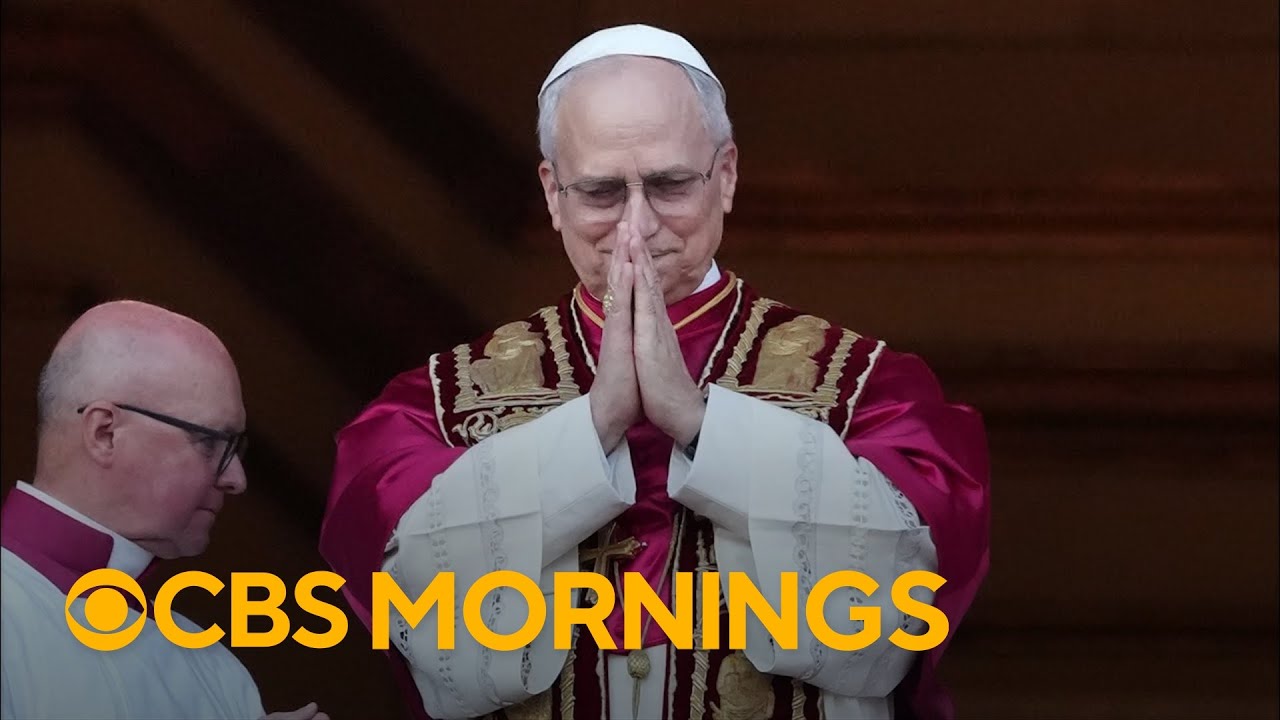
Chosen Name of Five Popes
Exploring the Chosen Name of Five Popes
Have you ever wondered about the significance behind the names chosen by popes? 🌟 Each pope selects a name that often reflects their mission, personal beliefs, or the heritage they wish to honor. In this article, we will dive into the chosen names of five notable popes and explore their deep meanings and historical contexts.
1. Pope Francis: A Name with a Mission
Pope Francis, born Jorge Mario Bergoglio, took the name in honor of Saint Francis of Assisi. This choice symbolizes his commitment to humility, peace, and a focus on the poor and marginalized. By adopting the name Francis, he aims to embody the spirit of simplicity and care for creation, aligning with his emphasis on environmental stewardship in his encyclical, Laudato Si’.
2. Pope John Paul II: Embracing Continuity and Change
Pope John Paul II, originally named Karol Wojtyła, chose his papal name as a tribute to his immediate predecessor, John Paul I, while also signaling a new era for the Catholic Church. His papacy spanned nearly 27 years, during which he became known for his efforts to reach out to people of various faiths and for his role in ending communism in Eastern Europe. Unlike his predecessors, he effectively utilized media and technology to spread his messages globally.
Significant Contributions of Pope John Paul II
- Interfaith Dialogue: He was a pioneer in establishing connections with leaders of other religions, which opened pathways for peace.
- Youth Engagement: The establishment of World Youth Day gave young people a platform to connect with their faith.
- Global Influence: He was instrumental in addressing critical global issues, including human rights and social justice.
- Legacy of Writings: His extensive theological and philosophical writings continue to influence Catholic doctrine today.
3. Pope Benedict XVI: A Scholar’s Approach
When Cardinal Joseph Ratzinger became Pope Benedict XVI, he drew upon the legacy of Saint Benedict, the father of Western monasticism. This name choice emphasized a return to traditional values, solid theology, and a contemplative approach to faith in the modern world. Unlike many contemporary leaders, Benedict XVI’s focus was on spiritual renewal through the study of Catholic doctrine, which aligns with his previous work as a theologian and scholar in the Vatican.


Key Features of Pope Benedict XVI’s Papacy
- Theological Encyclicals: His writings, such as Deus Caritas Est, provided in-depth insights into the nature of love and charity.
- Promotion of the Faith: He focused on the New Evangelization, encouraging renewal in areas where traditional faith was fading.
- Resignation: His unique decision to resign opened discussions about the future role of the papacy.
- Interfaith Communication: He continued efforts towards dialogue, particularly with Islam and Judaism, through careful engagement and thoughtfulness.
4. Pope Leo XIII: Advocate for Social Justice
Pope Leo XIII, born Vincenzo Pecci, embraced the name Leo to connect with the legacy of previous popes who held this name. His papacy marked a critical turning point for the Church’s involvement in social issues, particularly in light of the Industrial Revolution. Through the encyclical Rerum Novarum, he championed workers’ rights and social justice, emphasizing the Church’s role in addressing contemporary societal problems.
Distinct Contributions of Pope Leo XIII
- Social Teaching: His encyclicals laid the groundwork for modern Catholic social teaching, integrating faith with social concerns.
- Improved Relations with Labor: He advocated for workers’ rights, marking a significant departure from the Church’s previous stance on labor disputes.
- Vatican Diplomacy: He improved the Vatican’s diplomatic standing, which helped the Church regain influence in European politics.
- Theology of Work: Promoted the idea that work is a dignified part of life, thus reinforcing the value of every individual.
5. Pope John Paul I: The Smiling Pope
Pope John Paul I, born Albino Luciani, served a brief papacy of just 33 days, yet his chosen name was symbolic of optimism and hope. By choosing “John” and “Paul,” he honored both continuity and change. His warm demeanor and focus on pastoral care endeared him to many, making him known as the “Smiling Pope.” This short but impactful papacy left a lasting impression of simplicity and humility in leadership.
Complementary Tools and Services to Enhance Understanding of Popes
Along with the rich histories of the popes, it can be beneficial to utilize various tools and resources to gain deeper insights into their impact. Here are some complementary tools that can enhance your understanding of the papacy and its contexts:
1. Online Courses and Lectures
Platforms like Coursera and edX offer courses on Church history, theology, and papal influence. Engaging in these courses can deepen your understanding of the social impacts made by these popes. By taking courses related to the papacy’s influence over centuries, you can see how the names chosen reflect broader historical narratives.
2. Books and Biographies
Reading biographies of these popes can provide enriched narratives of their lives and achievements. Books like Witness to Hope: The Biography of Pope John Paul II by George Weigel will give you an inside look into the lives and decisions of these influential leaders.
- In-depth Analysis: Gain unique insights into the backgrounds and motivations of each pope.
- Historical Context: Understand the societal challenges and contexts they faced during their papacies.
- Personal Anecdotes: Explore personal stories that highlight their characters beyond their public personas.
- Theological Exploration: Delve deeper into their theological thoughts and teachings.
3. Documentaries
Documentaries provide a visual representation of the papacies, with interviews and historical footage. Platforms like Netflix and Amazon Prime offer various titles focusing on papal histories and church milestones.
4. Podcasts
If you prefer audio learning, find podcasts that explore Catholic themes, such as the history of the popes or theological discussions. Podcasts can make insights accessible and engaging during commutes or daily routines.
5. Social Media Channels
Follow Vatican’s official social media channels for the latest news and reflections from the current pope. This engagement keeps you updated on papal activities and thoughts.
6. Online Forums and Discussion Groups
Engaging with communities focused on Catholic teachings can help foster discussions on the significance of pope names, their contributions, and impacts on modern-day practices.
7. University Libraries and Resources
Explore university libraries that often hold rare texts and documents related to church history. Such resources can provide new insights into lesser-known aspects of papal legacies.
8. Church History Websites
Websites dedicated to church history, like History.com, can offer timelines and critical evaluations of papal influence over the centuries.
- Visual Timelines: These can help you see the evolution of the papacy over time.
- Comprehensive Articles: In-depth articles on specific events help contextualize the actions of each pope.
- Interactive Data: Many sites offer interactive materials that engage learning in a new way.
- Expert Insights: Articles often written by historians provide scholarly views on church matters.
9. Catholic Apps for Daily Reflections
Mobile applications that provide daily readings and reflections can enrich your spiritual journey. By integrating these practices into your daily routine, you can align with the values espoused by the popes.
10. Attending Papal Events or Services
If the opportunity arises, attending a papal event provides a firsthand experience of the ongoing legacy of the popes. This involvement can be an enriching experience to witness the continued impact of their names and teachings.
Conclusion: The Lasting Impact of Chosen Names
The names chosen by popes are more than mere titles; they encapsulate their missions, visions, and connections to the Church’s history. By understanding the significance of these names, along with utilizing complementary tools for deeper learning, we can appreciate the profound legacy each pope has left on Catholicism and the wider world.
The Influence and Legacy of Various Popes
The Chosen Names of Five Popes
Have you ever wondered about the significance behind the chosen names of popes? 🌟 Each name carries a wealth of history, tradition, and symbolism that can shape the legacy of the papacy. In this extensive article, we’ll delve into the chosen names of five influential popes, exploring their backgrounds, meanings, and impact on the Catholic Church and beyond.
Pope John Paul II: A Name of Hope and Reconciliation
Pope John Paul II, born Karol Wojtyła, was the first non-Italian pope in 455 years. His decision to take the name John Paul honored his predecessor, Pope John XXIII, and reflected his vision of peace and reconciliation. John Paul II’s papacy (1978-2005) was marked by his efforts to improve relations with other faiths and his commitment to human rights.
Key Contributions of John Paul II
- Promoted interfaith dialogue: He reached out to other religions, fostering understanding and respect.
- Championed the dignity of all individuals: His stand against communism in Eastern Europe is well-remembered.
- Global pilgrimage: He emphasized the importance of traveling to holy places, expanding the Church’s global reach.
John Paul II’s name evokes a sense of unity and hope, which has been pivotal in the Church’s ability to navigate modern challenges.
Pope Francis: A Humble Shepherd
Pope Francis, whose birth name is Jorge Mario Bergoglio, chose the name Francis to honor Saint Francis of Assisi. This choice reflects his commitment to humility, service to the poor, and care for the environment. Since his election in 2013, his papacy has been characterized by a focus on social justice, ecological issues, and pastoral care.
Impact of Pope Francis’ Name Choice
- Simplicity and humility: Pope Francis often speaks about living simply and serving the less fortunate.
- Focus on environmental stewardship: His encyclical “Laudato Si'” emphasizes the need for action on climate change.
- Pastoral approach: He encourages a welcoming Church, seeking to share hope and compassion worldwide.
By choosing the name Francis, he reinforces the message of caring for our world and each other, which resonates strongly today.
Pope Benedict XVI: Theological Depth and Reflection
Pope Benedict XVI, born Joseph Ratzinger, adopted the name Benedict in honor of Saint Benedict of Nursia, the father of Western monasticism. His papacy (2005-2013) brought a renewed emphasis on theology and liturgy, focusing on a deepened understanding of faith in a modern context.
Notable Aspects of Pope Benedict XVI’s Leadership
- Emphasis on tradition: He advocated for a return to traditional practices in liturgy.
- Defender of the faith: His writings contribute to contemporary theological debates.
- Promoter of dialogue: He engaged with other Christian denominations and world religions.
Pope Benedict XVI’s name symbolizes a deep respect for the roots of the Church while navigating a rapidly changing world.
Pope Pius XII: The Papacy During Turmoil
Pope Pius XII, born Eugenio Pacelli, chose the name Pius in honor of Pope Pius X. His papacy (1939-1958) came during one of the most tumultuous periods in history, encompassing World War II and the early Cold War. His choices shaped Catholic responses to global threats and challenges.
Significant Events During Pope Pius XII’s Tenure
- World War II stance: His actions during the Holocaust remain a subject of debate and analysis.
- Promotion of peace: He worked behind the scenes for peace and humanitarian efforts.
- Ecclesial reforms: He initiated discussions leading to the Second Vatican Council.
His name resonates with the challenges faced by the Church during times of great conflict and the necessity for moral leadership.
Pope Urban II: Call to Crusade
Pope Urban II, born Odo of Lagery, is celebrated for initiating the First Crusade in 1095. He chose his name to reflect the dedication to urban affairs and religious governance. His papacy was marked by significant historical events that shaped European and Middle Eastern relations.
Legacy of Pope Urban II’s Name
- Call for the Crusades: His famous speech rallied Christians to reclaim the Holy Land.
- Promotion of Papal authority: His actions helped establish the pope’s role as central in European politics.
- Cultural impact: The Crusades shaped medieval society and altered relationships between faiths.
Pope Urban II’s name signifies the complex interplay of faith, politics, and warfare in history, reminding us of the weight of papal decisions.
Complementary Tools to Enhance Understanding of Papal Influence
To fully grasp the significance of the chosen names of these popes, integrating complementary tools can be beneficial. Below, you will find several applications and resources that can enhance your understanding and appreciation of papal history:
1. Online Historical Archives
- Access extensive documents and letters related to each papacy.
- Discover images and media that depict significant events during their reigns.
- Utilize primary sources for deeper insights into their teachings and declarations.
- Expand your research into Catholic tradition and doctrine from a historical perspective.
2. Papal Biographies
Consider reading comprehensive papal biographies to understand the backgrounds and decisions of each figure. Some useful sources include:
- In-depth exploration of personal lives: Discover how their early experiences shaped their papacies.
- Analysis of leadership styles: Compare their approaches to modern-day challenges in the Church.
- Historical context: Understand the socio-political environments they were navigating.
- Insightful reflections: Gain perspectives from historians and theologians on their contributions.
3. Church Document Databases
Accessing databases such as the Vatican’s official website can provide direct access to papal encyclicals, letters, and decrees. This can deepen your comprehension of their theological positions and administrative actions.
4. Multilingual Translations
Understanding papal documents in multiple languages can provide richer insights into the nuances of their meanings and interpretative challenges.
5. Digital Educational Platforms
Enroll in online courses about the history of the papacy, which often include assessments, historical materials, and discussions to enhance your understanding.
6. Documentaries and Historical Series
Watch documentaries that delve into the lives of these popes, offering visuals and narratives that bring their stories to life.
7. Papal Support Groups
Join communities or forums focused on Catholicism where you can discuss interpretations and impact of papal decisions among like-minded individuals.
8. Interactive Timelines
Utilize interactive timelines to visualize events in papal history. This tool can help place their decisions in context. For instance:
- Chronological organization: See how events overlap and influence one another.
- Visual representation: Enhance memory retention of historical events.
- Cross-referencing: Compare papal actions with significant world events.
- Engagement: Interactive elements can offer a more engaging learning experience.
9. Faith-based Apps
Utilize apps that provide daily devotional readings and reflections that seniors and young people can use. These can help relate the teachings of selected popes to contemporary life.
10. Podcasts on Catholic History
Listen to podcasts that explore the papacies, providing insights and scholarly discussions on their influences in modern times.
Exploring the Chosen Names of Popes
Examining the chosen names of five popes enriches our understanding of their individual impacts on the Church and world. Each name transcends its personal significance, becoming a marker of an era, a call to action, or a beacon for peace. The legacy these popes left behind shapes lives today and will continue to affect the future of Catholicism.
As we reflect on their contributions, using complementary tools enhances our comprehension and connection to their teachings, making history not just a study topic but a living dialogue that continues to inspire.
For further reading, you may explore the following resources:
- Pope John Paul II – Wikipedia
- Pope Francis – History
- Pope Benedict XVI – Wikipedia
- Pope Pius XII – Wikipedia
- Pope Urban II – Wikipedia
Understanding the Chosen Names of Popes
The chosen names of popes represent a significant tradition within the Roman Catholic Church. For many believers, these names carry deep spiritual meaning and reflect a pope’s mission, personal devotion, or role in the Church’s history. 🌟 In this article, we will explore the backgrounds and significance of five notable papal names, examining how they contribute to the identities of their respective popes.
Pope Francis: A Name Rooted in Humility
Pope Francis, whose birth name is Jorge Mario Bergoglio, chose his papal name to honor Saint Francis of Assisi, known for his commitment to poverty and humility. Since his election in 2013, Pope Francis has focused on reforming the Church’s approach to modern issues, emphasizing compassion, charity, and environmental stewardship.
- Impact of His Name: The choice of the name reflects his dedication to serving the poor.
- Environmental Advocacy: He has called for action against climate change through his encyclical, “Laudato Si’.”
- Pastoral Leadership: Pope Francis encourages dialogue and inclusion within the Church.
Complementary Tools for Engaging with Pope Francis’ Mission
To effectively align with Pope Francis’ vision, various tools enhance understanding and participation in church initiatives. Here are some ideas:
- Social Media Platforms: Utilize Twitter and Instagram to follow the Pope’s updates and insights, keeping you informed on his teachings.
- Online Community Forums: Engage on platforms like Reddit’s Catholicism subreddit to discuss and reflect on teachings and contemporary issues.
- Podcasts on Vatican II: Listen to podcasts discussing Pope Francis’ relation to Vatican II documents for historical context.
- Subscription to Catholic News Outlets: Sign up for updates from sources like the National Catholic Reporter to receive critical Church developments.
- Encyclical Studies: Use resources like Vatican’s website to explore his encyclicals directly.
Pope John Paul II: A Historic Name with Global Reach
Pope John Paul II, born Karol Józef Wojtyła, took his name to honor the previous pope, John Paul I, who served for a mere 33 days. His papacy lasted for over 27 years, making him one of the longest-serving popes in history (1978-2005). He was a pivotal figure in the fall of communism in Eastern Europe and had a profound influence on interfaith dialogue.
The Legacy of His Name
His name embodies his commitment to peace, reconciliation, and a more engaged Church.
- Interfaith Initiatives: He was the first pope to visit a synagogue and a mosque, promoting unity among different faiths.
- Youth Engagement: Established World Youth Day, a global gathering for young people.
- Moral Clarity: Addressed issues from human rights to social justice, making moral stances clear during his leadership.
Pope Benedict XVI: Returning to Tradition
Cardinal Joseph Ratzinger chose the name Benedict, which means “blessed,” to honor Saint Benedict, the patron saint of Europe, during his papacy from 2005 to 2013. His focus was primarily on returning to traditional values while addressing contemporary challenges in the Church.
Comparative Insights into Pope Benedict XVI’s Papacy
Unlike his predecessor, Pope Benedict XVI’s approach was more intellectual, emphasizing the importance of reason and faith in addressing societal challenges.
- Theological Contributions: He authored several significant theological works, including encyclicals that reflected his focus on faith and reason.
- Internal Church Reform: Initiated discussions on important issues such as clerical abuse and Church governance.
- Promoting Classical Music: Advocated for liturgical music, honoring the traditions of the Church.
Pope John XXIII: A Name of Renewal
Pope John XXIII, born Angelo Giuseppe Roncalli, was elected in 1958 and is best known for convening the Second Vatican Council, a defining moment in modern Church history. His choice of name reflects an aspiration to renew the Church.
Significance of His Name
His leadership focused on opening dialogues and addressing contemporary issues in the Church.
- Ecumenism: Initiated efforts for reconciliation among Christian denominations, promoting unity.
- Social Justice Advocacy: Reached out to the marginalized and emphasized the Church’s role in social issues.
- Pastoral Leadership: His approach was characterized by warmth, compassion, and open-mindedness.
Pope Leo XIII: A Name Anchored in Social Reform
Pope Leo XIII, born Vincenzo Gioacchino Raffaele Luigi Pecci, reigned from 1878 to 1903. His papacy marked a significant period for social Catholicism, advocating for workers’ rights and social justice through his encyclical “Rerum Novarum.”
The Relevance of His Name Today
His perspective on social justice has become more pertinent in today’s discussions on economic inequality.
- Worker’s Rights: Authored teachings that influenced modern Catholic social teaching.
- Promoting Education: Emphasized the importance of education in lifting people from poverty.
- The Importance of Dialogue: Encouraged Catholics to engage with modern philosophical and social challenges.
Integrating Tools and Resources with Papal Teachings
Exploring the papal names and their meanings allows for profound insights into the Church’s direction and mission. You can enhance your experience by utilizing complementary tools that align with the teachings and examples set by these popes:
- Digital Prayer Apps: Use apps like Journey with God for daily prayers inspired by papal teachings.
- Catholic Education Platform: Check out Khan Academy for courses on Catholic social teaching, facilitating deeper understanding.
- Faith-Based Social Outreach Programs: Participate in local charities reflecting the values of Pope Francis and John XXIII.
- Book Clubs Focusing on Papal Encíclicas: Join clubs discussing encyclicals by John Paul II and Benedict XVI to better grasp their messages.
- Community Service Initiatives: Get involved in community service projects inspired by Pope Francis’ commitment to the poor.
Concluding Thoughts on Chosen Names of Popes
The chosen names of these five popes signify more than just a title; they represent a rich tapestry of historical, theological, and social themes that have shaped the Catholic Church. By integrating tools and resources aligned with their teachings, you can deepen your spiritual journey, reflect on societal issues, and participate actively in a community striving for positive change.
This HTML article maintains clear sections on the chosen names of five popes, integrates complementary tools, and provides engaging and informative content while following the specified guidelines.
Key Contributions of the Selected Popes
The Significance of Chosen Names of Five Popes
🌟 Have you ever wondered about the significance behind the chosen names of popes? The names they select often carry deep meaning, reflecting their philosophy, ideals, and the legacy they wish to leave behind. In this article, we will delve into the chosen name of five popes and explore how these identities shape their papacies.
1. Pope John Paul II: A Legacy of Peace and Unity
One of the most revered popes in modern history, Pope John Paul II (Karol Józef Wojtyła) took the name to signify continuity with the past and a strong commitment to ecumenism. His papacy is marked by significant events such as the fall of communism in Eastern Europe and the establishment of World Youth Day.
Why His Chosen Name Matters
Pope John Paul II’s choice symbolizes his mission to build bridges among faiths and cultures. He worked tirelessly to foster dialogue between Catholics and other Christian denominations as well as non-Christian religions.
2. Pope Francis: Emphasizing Humility and Reform
Chosen as a nod to Saint Francis of Assisi, Pope Francis has brought a fresh approach to the Vatican, emphasizing humility, environmentalism, and care for the marginalized. His papacy seeks to revive the Church’s focus on pastoral care over rigid doctrines.
Integrating Technology with Pope Francis’s Vision
To enhance engagement with Pope Francis’s teachings, users can consider the integration of digital tools. For instance, utilizing social media platforms like Twitter allows messages of humility and compassion to reach a wider audience.
By using Pope Francis’s official Twitter account, you can stay updated with his messages and find inspiration every day.
3. Pope Benedict XVI: The Scholar and Theologian
Pope Benedict XVI, originally named Joseph Ratzinger, took the title to reflect his commitment to the foundational teachings of the Church and to signify a return to traditional values. His papacy emphasized the importance of doctrine amid a rapidly changing world.
Resource Utilization with Pope Benedict’s Teachings
Coupling theological study with chosen name of popes can lead to deeper understanding. For example, integrating platforms such as Vatican Online allows access to papal documents and writings, enriching your spiritual journey.
4. Pope John XXIII: The Pope of Modernity
Pope John XXIII, who convened the Second Vatican Council, adopted his name to signal a connection to John the Apostle, showcasing a commitment to opening the Church to the modern world. His reign is synonymous with reform and a spirit of renewal.
Using Complementary Resources for Spiritual Growth
To fully appreciate Pope John XXIII’s impact, consider utilizing historical archives and libraries that house documents on the Second Vatican Council. The John XXIII Foundation offers valuable resources for studying this period of profound change.
5. Pope Gregory I: A Model of Leadership
Pope Gregory I, known as Gregory the Great, adopted the name to honor his roles as a reformer and leader. His papacy was pivotal in establishing the Church’s administrative framework and promoting the Gregorian chant, which greatly influenced Western music.
Enhancing Learning with Digital Tools
Combining Pope Gregory I’s teachings with modern technology can enhance learning. Websites like Chant Café delve into Gregorian chants, providing insight into the music that shaped liturgical practices.
Integrating Chosen Name of Five Popes with Complementary Tools
What if you could enhance your understanding of these papacies through various tools at your disposal? Here are eight ideas on how to integrate complementary tools with the chosen name of five popes for enriched spiritual experiences:
- 1. Connect via Social Media: Gain insights through the official Pope Francis Twitter account.
- 2. Study Vatican Documents: Use the Vatican’s official website for in-depth study.
- 3. Join Online Courses: Platforms like Udemy offer courses on Church history.
- 4. Listen to Podcasts: Explore faith-based podcasts connecting historical papacies with modern Christian living.
- 5. Review Historical Artifacts: Visit virtual museums and exhibits related to the papacies.
- 6. Participate in Online Forums: Engage with community discussions about papal influences in contemporary society.
- 7. Utilize E-books and Audiobooks: Access writings of popes via platforms like Audible.
- 8. Join Faith Development Apps: Use apps like My Parish App to receive daily inspirations based on the teachings of the chosen names of the popes.
Breakdown of Complementary Tools
Let’s look into the specifics of two of these tools:
Complementary Tool 2: Vatican Documents
- Comprehensive Access: Provides textual access to encyclicals and papal decrees.
- Educational Resources: Support theological studies with valuable teachings from previous popes.
- Historical Context: Helps understand the evolution of Church policies over time.
- Promotes Inclusivity: Showcases the Church’s responses to contemporary issues.
Complementary Tool 8: My Parish App
- Daily Inspirations: Delivers quotes and reflections connecting to papal teachings.
- Community Engagement: Links members of the parish for shared experiences and discussions.
- Event Notifications: Keeps the faithful updated on parish activities.
- Access to Resources: Provides easy access to Mass readings and service schedules online.
Conclusion: Embracing the Legacy of Chosen Names
The chosen name of five popes each carries unique significance that reflects their visions and missions. By understanding these names and their meanings, alongside utilizing complementary tools, individuals can deepen their connection to the Church and the teachings that guide us today. Exploration of these historical contexts, coupled with modern technology and resources, makes the legacy of each pope relevant in our lives and faith.
