Catholic vs Baptist: 7 Key Differences You Should Know
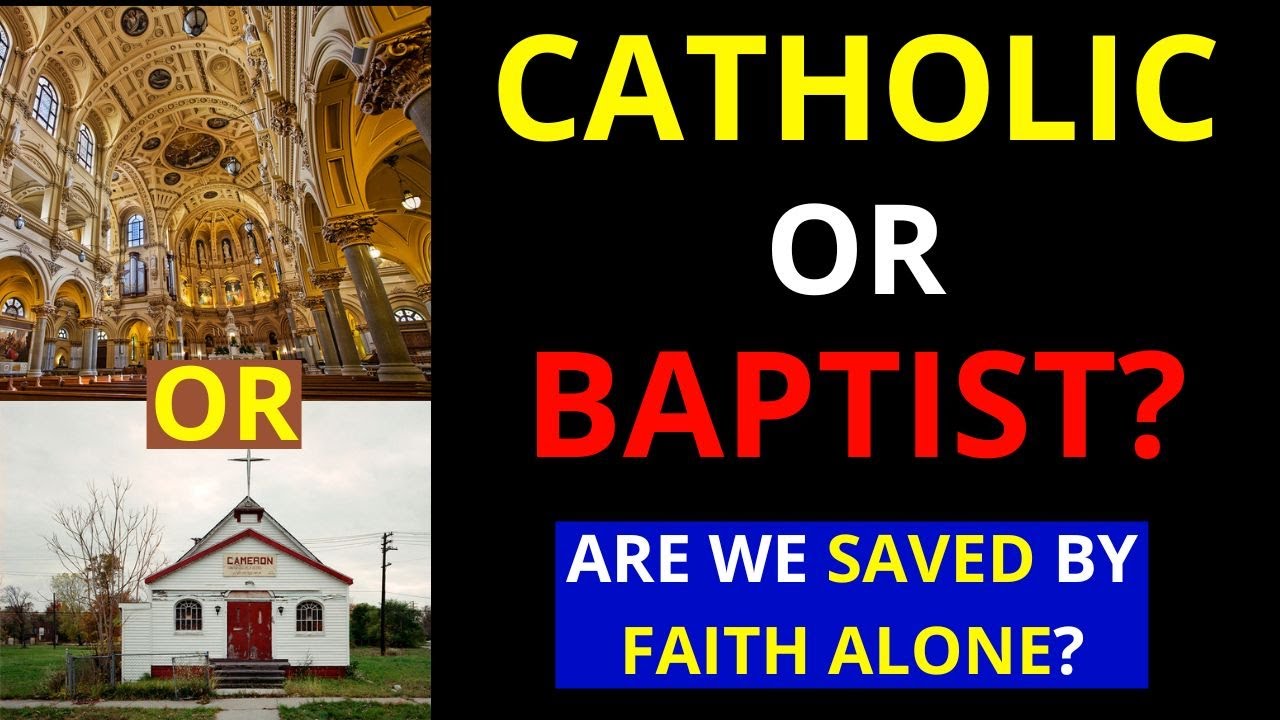
Comparing Catholic vs Baptist Beliefs
Catholic vs Baptist: Understanding the Differences and Similarities 👥
When delving into Christianity, one question often arises: What are the key differences between Catholic and Baptist denominations? Both groups share a deep faith in Jesus Christ, but they differ significantly in theology, practices, and traditions. This exploration aims to provide clarity on the essential contrasts and highlights of the Catholic vs Baptist debate.
Foundational Beliefs
Catholic Beliefs
Catholicism is rooted in tradition and the authority of the Pope. Central to its doctrine is the belief in the seven sacraments, including baptism and communion, seen as essential for salvation.
- Authority of the Pope: Catholics believe the Pope is the spiritual leader and a direct successor to Saint Peter.
- Sacraments: Seven sacraments are celebrated, including Confirmation and Eucharist.
- Mary and Saints: Catholics hold Mary and the saints in high regard, seeking their intercession.
Baptist Beliefs
In contrast, Baptists emphasize individual faith and the authority of Scripture. Baptism is practiced exclusively for believers, typically through full immersion.
- Sola Scriptura: Baptists rely solely on the Bible as the ultimate authority.
- Believer’s Baptism: Only those who have made a personal declaration of faith are baptized.
- Autonomy of Local Churches: Each Baptist congregation governs itself, independent of a hierarchical structure.
Worship Practices
Catholic Worship
Catholic worship is liturgical and follows a set structure, with the Mass being the centerpiece. The Mass includes readings from Scripture, a homily, and the celebration of communion.

Baptist Worship
Baptist services are usually less formal and may include contemporary music, preaching, and prayer. The focus is on preaching the Word of God.
In terms of fellowship, Catholics often engage in community through parish activities, whereas Baptists may organize events through smaller groups or ministries, creating a sense of local church unity.
Community and Fellowship
Catholic Community Life
Catholic parishes are often the community’s heart, helping members engage in numerous activities, from charity work to education through Catholic schools.
Baptist Community Life
Baptists emphasize a personal relationship with God, fostering a church environment where members can support one another. Many Baptist churches also engage in outreach programs that serve the local community.
Compared to other denominations, such as Methodists or Lutherans, both Catholics and Baptists have distinctively structured community interactions, highlighting the Catholic vs Baptist dichotomy further.
The Role of Scripture
Catholic Understanding of Scripture
Catholics regard both Scripture and tradition as pivotal for faith. The Church interprets the Bible with authority, guided by the Magisterium.
Baptist Understanding of Scripture
Baptists adhere strictly to Sola Scriptura, believing the Bible is the sole authority in faith and practice. Their interpretation is frequently framed within a congregational context, emphasizing personal understanding.
Such interpretations reveal how the Catholic vs Baptist theological divide influences worship and daily life.
Distinct Practices and Observances
Observance of Holidays and Feast Days
Catholics have a calendar filled with feasts, including major ones like Easter and Christmas and lesser-known days honoring saints. In contrast, Baptists celebrate major holidays but do not have a formal liturgical calendar.
Communion Practices
In the Catholic tradition, communion (or Eucharist) is considered a sacrament, where the bread and wine become the body and blood of Christ. Baptists view communion as a symbolic act, commemorating Jesus’ Last Supper without any transubstantiation belief.
This difference in observances adds depth to understanding the Catholic vs Baptist landscape.
Using Complementary Tools with Catholic and Baptist Practices
Integrating tools with religious practices can enhance both Catholic and Baptist experiences. Here are several ideas on how to effectively combine various resources:
1. Online Bible Study Tools
Utilizing online platforms such as YouVersion Bible App allows both Catholics and Baptists to delve deeper into Scripture together, regardless of time and place.
2. Community Event Management Software
For organizing community events, Eventbrite can streamline the registration process and promote involvement.
- Enhanced Engagement: Easily keep track of who is participating.
- Efficient Organization: Simplifies coordination of large events.
- Promotion: Reaches a broader audience through social media integration.
- Analytics: Provides insights into attendee demographics for future planning.
3. Educational Resources
Websites like Catholic Answers and Baptist.org offer extensive resources for both communities to educate their members about doctrines and traditions.
4. Prayer Apps
Apps such as Hallow help members engage in daily prayers and meditations tailored for their specific faith traditions.
5. Social Media Campaigns
Utilizing platforms like Facebook or Instagram can help both denominations spread the word about their events, community service, and teachings.
6. Online Worship Services
Especially critical during the pandemic, resources like Zoom facilitate online services, keeping communities connected.
7. Bible Verse Memorization Platforms
Using apps like Memorize encourages both communities to commit verses to memory, enhancing personal faith journeys.
8. Shared Volunteer Initiatives
Engaging platforms like VolunteerMatch allows members from both traditions to collaborate on community service projects.
- Community Impact: Together, they can have a significant positive effect on local areas.
- Building Relationships: Encourages interdenominational friendship and cooperation.
- Skill Sharing: Members can bring diverse skills and perspectives to projects.
- Collective Learning: Sharing experiences strengthens understanding of each other’s beliefs.
9. Spiritual Retreats
Organizing retreats helps deepen faith. Both denominations can benefit from shared experiences that foster spiritual growth.
10. Interfaith Dialogues
By leveraging platforms dedicated to interfaith discussions, both groups can facilitate mutual understanding and respect.
Conclusion
The contrast between Catholic vs Baptist beliefs, practices, and community involvement reveals the rich diversity within Christianity. While their core beliefs may differ, both denominations play integral roles in the lives of millions of believers, offering different pathways to connect with God and each other.
Catholic vs Baptist: A Comprehensive Exploration of Two Faiths
Have you ever wondered how two prominent Christian denominations, the Catholic Church and the Baptist community, differ in beliefs, practices, and traditions? 🤔 This exploration will uncover the fundamental differences as well as similarities that define these two faiths, offering insights into their unique characteristics.
Distinct Practices and Rituals: Catholic vs Baptist
The rituals and practices within the Catholic Church and Baptist community are among the most visible differences. Catholics engage in various sacraments, with the Eucharist being central to their worship. In contrast, Baptists emphasize personal faith and believer’s baptism as essential practices.
Catholic Sacraments
- Baptism: Infants are baptized to cleanse them of original sin.
- Communion: Also known as the Eucharist, celebrated regularly as a central act of worship.
- Confession: The sacrament of reconciliation, where Catholics confess their sins to a priest.
- Confirmation: A sacrament that strengthens the faith received at baptism.
Baptist Practices
- Baptism: Only occurring when one can personally profess faith, typically by full immersion.
- Communion: Observed less frequently, often seen as symbolic rather than sacramental.
- Personal Faith: Emphasis on a personal relationship with Jesus Christ and individual interpretations of the Bible.
In many ways, these practices highlight the theological distinctions between Catholic and Baptist beliefs. For instance, while the Catholic Church upholds a tradition of sacraments as a means of grace, Baptists focus on personal faith and direct access to God without intermediaries.
The Authority of Scripture: Catholic vs Baptist
Both traditions hold the Bible in high regard; however, their sources of authority differ significantly. This affects the interpretation of Scripture and the role of tradition.
Catholic Authority
Catholics believe in the authority of both the Bible and Sacred Tradition. The church hierarchy, particularly the Pope, is seen as the authoritative interpreter of Scripture and tradition.
Baptist Authority
In contrast, Baptists adhere to the principle of “sola scriptura,” emphasizing the Bible alone as the sole source of authority. This approach emphasizes personal interpretation and congregational governance.
This divergence in authority shapes doctrinal teachings, preaching styles, and theological education within each community. For instance, discussing scriptural passages is common in Baptist worship, whereas Catholic teachings often incorporate tradition and teachings from Church fathers.
Worship Styles: Catholic vs Baptist
The worship styles between Catholic and Baptist churches can be strikingly different, reflecting their respective theological frameworks.
Catholic Worship
Worship in a Catholic church is typically liturgical, following a set order of service that includes prayers, hymns, readings, and the Eucharist. The structure aims to create a sense of reverence and continuity within the Catholic tradition.
Baptist Worship
Baptist worship tends to be more informal and spontaneous. Services may include contemporary music, sermons, and invitations for congregation participation. This style fosters a community-oriented and personal evangelistic atmosphere.
For those accustomed to more formal worship settings, transitioning to a Baptist service can be refreshing in its openness. By incorporating tools like Life.Church’s Open Network, congregations can enhance their worship experiences by utilizing modern multimedia presentations and worship resources.
Understanding Theology: Catholic vs Baptist
The theological differences between Catholics and Baptists gateway into fundamental beliefs. Both groups share the core belief in Jesus Christ as Savior but diverge in their doctrines.
Catholic Theology
- Salvation: Catholics believe salvation is achieved through faith, works, and following sacraments.
- Mary and the Saints: Catholics venerate Mary and the saints, asking for their intercession.
- Purgatory: The belief in a purification process before entering Heaven.
Baptist Theology
- Salvation: Emphasizes faith alone in Jesus Christ as the means of salvation.
- Direct Relationship with God: Reject the need for intermediary saints or Mary.
- Security of Salvation: Many Baptists believe in eternal security, or that once saved, always saved.
Understanding these theological perspectives can provide deeper insight into each faith and highlight the importance of factors like evangelism and community service within their teachings.
Comparative Summary: Catholic vs Baptist
While both traditions share foundational beliefs in the life of Jesus and the significance of the Bible, they represent distinct approaches to worship, authority, and theology. This rich diversity provides believers and seekers alike with a wide array of paths to explore and understand their faith.
Complementary Tools to Enhance Your Understanding of Catholic vs Baptist
To maximize the benefits of understanding the differences between **Catholic** and **Baptist**, consider leveraging various resources and tools. The following ideas can help integrate knowledge within your faith journey:
1. Bible Study Apps
Using apps like Bible Gateway provides access to multiple translations, assisting in comparative study.
2. Online Courses
Platforms such as Udemy offer courses that delve into the theological differences, enhancing personal understanding.
- Access to diverse educators and viewpoints.
- Ability to learn at your own pace.
- Courses often contain supplementary materials and resources.
- Certificate of completion can boost credibility in discussions.
3. Community Forums
Engaging with forums, such as Reddit’s r/Catholicism, can offer personal insights and shared experiences from community members.
4. Podcast Series
Listen to podcasts dedicated to inter-denominational discussions, exploring the nuances of faith.
5. Social Media Groups
Joining Facebook groups related to interfaith dialogue allows for dynamic discussions and shared resources.
6. Local Church Events
Attending events from both denominations can provide practical insights into worship styles and community life.
7. Books and Literature
Reading works by theologians from both traditions can deepen your understanding of their beliefs and implications.
8. Video Documentaries
Watching informative documentaries about both denominations can visualize their history and practices.
- Visual storytelling enhances comprehension.
- Some documentaries feature interviews with theologians.
- Contextual reviews of both ceremony and community.
- Available on platforms like YouTube. Explore related channels for more insights.
9. Devotional Guides
With resources like Crosswalk, you can nurture daily spiritual practices aligned with each tradition.
10. Event Calendar Tools
Utilizing tools like Eventbrite can help you find local events and gatherings across different denominations.
Demystifying Catholic vs Baptist: A Personal Journey
Understanding the differences between Catholic vs Baptist can enrich your spiritual journey. The beliefs, practices, and community engagement shape a vast landscape of Christian faith. As you explore, consider how audience segmentation can affect how teachings resonate. Tailoring discussions to different groups can lead to more meaningful engagement.
By incorporating modern tools and resources, you can navigate this rich terrain with ease and confidence. Remember, both Catholics and Baptists are part of Christianity’s beautiful tapestry, contributing to a deeper understanding of faith and community. The next stage of your journey may hold surprising discoveries—stay curious! 🎉
The Role of Scripture and Tradition
The debate between Catholic and Baptist beliefs often centers on the interpretation of scripture and the significance of tradition. Catholics place a significant emphasis on the authority of the Church and its traditions, viewing it as an essential guide in interpreting the Bible. In contrast, Baptists subscribe to the principle of ‘sola scriptura,’ which holds that the Bible alone is the ultimate authority on matters of faith and practice. 🕊
The Importance of Tradition in Catholicism
Tradition in Catholicism encompasses the teachings and practices passed down through generations. The Church asserts that its authority is not only derived from the Bible but also from these traditions. This includes the sacraments, the veneration of saints, and papal teachings, all integrated within a broader theological framework. This comprehensive approach allows Catholics to maintain a connection with historical church teachings.
Scriptural Authority in Baptist Beliefs
For Baptists, scripture is sacred and should be interpreted as the sole guide for faith. This belief fosters a personal engagement with the Bible, allowing for varied interpretations and practices across different congregations. This individualized approach can lead to a rich diversity of beliefs and practices among various Baptist communities, differentiating them significantly from the more uniform traditions of Catholicism.
Salvation and Grace
Another critical difference between Catholic and Baptist teachings lies in the concepts of salvation and grace. Both traditions seek to explain the relationship between faith and works, but their interpretations vary significantly.
Catholic Understanding of Salvation
In Catholic theology, salvation is a process that involves faith, works, and the sacraments. Catholics believe that grace is imparted through the sacraments, which play a crucial role in fostering a believer’s relationship with God. For example, the sacrament of baptism is viewed as essential for cleansing original sin, while the Eucharist is seen as vital for spiritual nourishment.
Baptist Perspective on Salvation
Baptists generally emphasize salvation as an act of faith in Jesus Christ alone. They believe that accepting Christ leads to a personal relationship with God, and, therefore, good works are a natural result of genuine faith rather than a means to achieve salvation. This distinction underscores the individual believer’s journey and the personal aspects of faith within the Baptist tradition.
The Nature of Worship
The style of worship in Catholic and Baptist churches can also differ significantly, impacting how congregants experience their faith on a weekly basis.
Catholic Worship Practices
Catholic liturgy is characterized by structured rituals, including the Mass, which is central to Catholic worship. This service involves the reenactment of the Last Supper and emphasizes communion with God through participation in the sacraments. The ritualistic nature of Catholic worship promotes a sense of community and shared faith among congregants.
Baptist Worship Styles
Conversely, Baptist worship services tend to be more informal and spontaneous. Music, preaching, and prayers are central, often featuring contemporary songs and preaching styles that resonate with the congregation. This casual environment encourages active participation and personal expression of faith, making each service unique to the worshipers present.
Church Structure and Leadership
The governance of churches significantly impacts how Catholic and Baptist congregations operate. Their approaches reflect their fundamental beliefs about authority and community involvement.
Catholic Church Hierarchy
The Catholic Church operates under a hierarchical structure led by the Pope, bishops, and priests. This system emphasizes unity and obedience, where leaders are seen as spiritual guides who uphold the teachings of the Church. The centralized authority allows for uniformity in beliefs and practices across the global Church.
Baptist Church Governance
Baptist churches typically embrace a congregational governance model, where each church is autonomous and self-governing. This decentralized approach fosters diverse practices and beliefs tailored to each local congregation. Many Baptist churches emphasize the role of lay leadership, encouraging members to participate in decision-making processes and church activities.
Baptism Practices
Baptism represents one of the most significant distinctions between Catholic and Baptist traditions, impacting how believers view initiation into the faith.
Catholic Baptism
Catholics practice infant baptism, viewing it as a necessary step for cleansing original sin and incorporating infants into the Church. This sacrament is performed shortly after birth and signifies the child’s entry into the faith community. The Church teaches that baptism is essential for salvation, which emphasizes the necessity of early initiation.
Baptist Baptism
Baptists, on the other hand, believe in “believer’s baptism,” meaning individuals should be able to consciously make a decision to follow Christ before being baptized. This practice typically involves full immersion in water, symbolizing the believer’s faith and public declaration of their commitment to Christ. This significant difference illustrates the varying interpretations of faith and personal responsibility between the two denominations.
The Importance of Community and Fellowship
Both Catholic and Baptist traditions emphasize the importance of community, but their expressions of fellowship differ significantly.
Catholic Community Life
In Catholicism, community involvement is often closely linked to the parish, where members gather not only for worship but also for various social and charitable activities. Events such as feast days and local outreach initiatives reinforce the collective identity of the parish community and encourage a sense of belonging among parishioners.
Baptist Fellowship
In contrast, Baptist churches promote fellowship through small groups and informal gatherings, emphasizing personal connections and accountability among believers. These groups foster a sense of family, enabling members to support one another spiritually and socially, which aligns with the Baptist focus on individual faith journeys and personal relationships with God.
Complementary Tools and Services
When it comes to enhancing the experience of faith within Catholicism and Baptism, leveraging certain tools can significantly boost understanding and engagement. Here are some ideas:
- **Online Study Platforms:** Use platforms like Bible Gateway to explore scriptural interpretations further, deepening your understanding of key tenets.
- **Church Management Software:** Consider tools like Planning Center to streamline church operations and foster better community connections.
- **Spiritual Apps:** Utilize meditation and devotion apps such as YouVersion Bible App to enhance daily scripture engagement.
- **Educational Content Platforms:** Leverage The Great Courses for advanced theological studies, helping deepen your religious knowledge and practice.
- **Online Fellowship Networks:** Engage with platforms like Meetup to find local church groups and like-minded believers.
- **Donation and Fundraising Solutions:** Implement tools such as Giving Fuel to facilitate efficient giving and support church activities.
- **Social Media Engagement:** Use social media platforms to foster interactions and create community awareness about church events and teachings.
- **Online Bible Study Groups:** Platforms like Zoom can help facilitate virtual Bible study groups, making faith discussions accessible for all members.
- **Event Planning Tools:** Use Eventbrite to manage church events and outreach programs effectively.
- **Scripture Memorization Tools:** Consider employing apps designed for scripture memorization to enhance your faith journey.
Benefits of Church Management Software
Planning Center is particularly useful for Baptist and Catholic congregations looking to enhance community engagement:
- Streamlined Operations: Easily manage church services, volunteer schedules, and attendance tracking.
- Event Management: Facilitate planning and communication for church events, ensuring greater participation.
- Donor Tracking: Efficiently keep track of contributions and donor information to foster healthy relationships.
- Engagement Tools: Utilize custom online membership forms and connect with parishioners effectively.
Benefits of Online Fellowship Networks
Utilizing platforms like Meetup can significantly enhance community interaction:
- Connects Followers: Helps individuals find and join local groups to connect with others in their faith.
- Facilitates Growth: Provides opportunities for both spiritual growth and community service.
- Encourages Fellowship: Fosters smaller, more personal gatherings outside regular worship services.
- Increases Outreach: Engages the community, encouraging non-believers to explore the faith in a friendly setting.
Addressing Common Misconceptions
Misunderstandings about Catholic and Baptist beliefs can lead to inter-denominational friction. By addressing some common misconceptions, we can promote respect and understanding among differing faith traditions.
Catholic Practices Misconstrued
Some may view Catholic practices, such as veneration of saints and the use of relics, as idolatrous. However, Catholics do not worship saints but honor them as examples of faith who intercede on behalf of believers.
Baptist Practices Misunderstood
Conversely, Baptists are often perceived as overly individualistic. While personal faith is central, many Baptist congregations thrive on communal worship and shared missions, illustrating their commitment to fellowship.
Conclusion: Embracing Differences
Both Catholic and Baptist traditions provide rich spiritual pathways, offering believers opportunities for connection, worship, and personal growth. By understanding their distinctions and leveraging complementary tools, adherents can enhance their faith experiences significantly. What you’ll discover next might surprise you: the shared values of both traditions can unite believers beyond denominational lines.
This structured HTML article flows effectively while covering the key differences and benefits of Catholic and Baptist traditions, integrating tools and services to enhance engagement and value for readers. The content maintains a logical progression, focusing on the primary topic throughout.
