Catholic prayer glory to god in the highest: 5 key essential insights
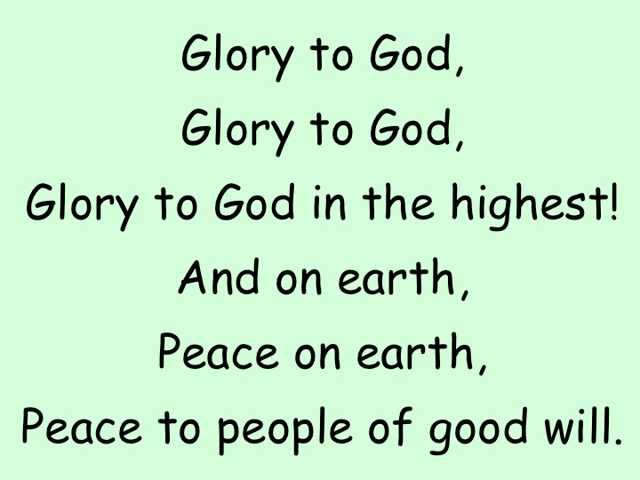
catholic prayer glory to god in the highest
The catholic prayer glory to god in the highest is one of the Church’s most joyful hymns of praise. Often called the Gloria (from its Latin opening, “Gloria in excelsis Deo”), it is sung or said at Mass on Sundays outside Advent and Lent, and on many special feasts. For many Catholics, it is a weekly moment to lift heart and voice to God with gratitude. In this guide, we explore what the prayer is, where it comes from, when it is used, how to pray it more deeply, and why it matters for everyday faith.
While the words can feel familiar, the catholic prayer glory to god in the highest holds a rich history and a timeless message: God is worthy of praise, Christ brings mercy and peace, and the Holy Spirit draws us into the life of the Trinity. Understanding its meaning can turn a routine recitation into a genuine encounter with God.
What is the catholic prayer glory to god in the highest?
The Gloria is an ancient hymn of praise used by the Catholic Church and many other Christian traditions. Its first line echoes the angels at Bethlehem: “Glory to God in the highest, and on earth peace.” The catholic prayer glory to god in the highest praises God the Father, acknowledges Jesus Christ as Son and Saviour, and ends with a Trinitarian doxology honouring the Holy Spirit. Because it is a hymn—not a psalm or a creed—it is typically sung, though it may be recited.
In the liturgy, the Gloria follows the Penitential Act at Mass on Sundays and solemnities (outside penitential seasons). By design, the catholic prayer glory to god in the highest shifts our focus from our failures to God’s greatness and mercy. It is sometimes called the “Greater Doxology,” distinguishing it from the shorter “Glory be to the Father” used in other prayers.


Biblical roots and early history
The opening words of the catholic prayer glory to god in the highest come directly from Luke 2:14, where angels announce Jesus’ birth: “Glory to God in the highest heaven, and on earth peace to those on whom his favour rests.” Over time, early Christians expanded this angelic praise into a fuller hymn. Greek and Latin versions circulated, with the Latin “Gloria in excelsis Deo” becoming standard in the West.
By the fourth and fifth centuries, the Gloria had a fixed place in Christian worship. It appears in ancient liturgical books and was sung especially on feasts. The historical development shows how the Church received Scripture in song and allowed the Holy Spirit to inspire a text that is both richly biblical and thoroughly Trinitarian.
Where and when the Gloria is used in the Catholic Mass
The Gloria is part of the Introductory Rites at Mass. According to the General Instruction of the Roman Missal, the catholic prayer glory to god in the highest is used on Sundays outside Advent and Lent, on solemnities and feasts, and in special celebrations such as certain sacramental Masses. It is omitted during Advent and Lent to preserve the character of watchful waiting and penitence that marks those seasons.
In practice, you will notice that the catholic prayer glory to god in the highest returns with joy at Christmas and Easter and continues on Ordinary Time Sundays. On weekdays it is not usually said, unless the day is a feast or solemnity. This pattern helps the faithful feel the rhythm of the Church’s year: fasting and feasting, silence and song, repentance and rejoicing.
For official norms on when to use the Gloria, consult the General Instruction. For example, you can read the section on the Order of Mass in the Vatican’s document here: General Instruction of the Roman Missal (official English translation). For the current English text used at Mass, see the bishops’ resource: Order of Mass: The Gloria (USCCB).
The structure of the Gloria: a guide to praying it meaningfully
Understanding the structure of the catholic prayer glory to god in the highest makes it easier to pray with attention rather than simply repeat familiar words. The text typically unfolds in three movements:
1) Praise to God the Father
The prayer opens with jubilant praise: we glorify, bless, adore, and give thanks to God for his great glory. This section reminds us that worship is first about God—his goodness, beauty, and holiness—rather than about us. When you pray this part, try to name (silently, in your heart) one attribute of God you have personally experienced: his patience, generosity, or faithfulness.
2) Christological focus on Jesus the Son
Next the text turns to Jesus Christ: only-begotten Son, Lamb of God, who takes away the sins of the world. Here the catholic prayer glory to god in the highest becomes a litany of faith, acknowledging Christ’s divinity and pleading for mercy. As you say “have mercy on us,” unite this to concrete realities in your life: relationships that need healing, habits that need conversion, or fears that need peace.
3) Trinitarian doxology
The Gloria concludes by affirming that Jesus is seated at the right hand of the Father and is “with the Holy Spirit in the glory of God the Father.” This doxology is a brief profession of faith in the Trinity. When praying the final lines, allow a moment of quiet gratitude for being drawn into the love that flows eternally between Father, Son, and Holy Spirit.
How to pray the catholic prayer glory to god in the highest at home
Though primarily a liturgical hymn, the catholic prayer glory to god in the highest can be prayed privately, especially on Sundays and feast days, as a way to keep in step with the Church’s prayer. Consider these simple suggestions:
- Set a time and place: choose a calm space, perhaps with a candle or a small cross to focus your attention.
- Begin with a brief silence: recall that you are in the presence of God who delights in your praise.
- Pray slowly: speak the words aloud or sing a familiar setting if you know one.
- Add a personal intention: after the lines asking for mercy, pause to bring specific needs to Christ.
- Close with gratitude: end with a short thanksgiving for a blessing from the past day or week.
If you want to see the official wording used at Mass, consult a trusted source like the bishops’ page above or a reputable missal. While the Gloria is the Church’s prayer, it also supports personal devotion by turning the heart towards praise and trust.
Language, translation, and music
The catholic prayer glory to god in the highest exists in Latin (Gloria in excelsis Deo) and in vernacular translations. In English, the current translation used in the Roman Rite was introduced in the 2010s to reflect more closely the Latin text and its biblical echoes. You may notice phrases such as “and on earth peace to people of good will,” which mirror Luke’s Gospel.
Because the Gloria is a hymn, the Church encourages it to be sung when possible. You will encounter many musical settings—from simple chant tones that the whole parish can learn to rich arrangements by composers across the centuries. Singing the catholic prayer glory to god in the highest highlights its character as a joyful acclamation, not merely a text to be recited.
Theological themes within the catholic prayer glory to god in the highest
At its core, the catholic prayer glory to god in the highest is a proclamation of who God is and what God does for us in Christ. Several themes stand out:
- Adoration: the first duty of the human person is to praise God for who he is, not only for what he does.
- Christ’s mercy: calling Jesus “Lamb of God” evokes his sacrificial love and ongoing mercy for sinners.
- Peace: the angelic message links God’s glory with peace on earth; real peace flows from reconciliation with God.
- Trinity: the prayer confesses the Father, the Son, and the Holy Spirit in a unified hymn of praise.
- Church unity: when the assembly sings together, the Gloria forms and expresses a people of praise.
These themes mean that the catholic prayer glory to god in the highest is not only a moment in the liturgy but also a lens for Christian life: praising God, receiving mercy, working for peace, and living by the Spirit.
Common mistakes and helpful tips
Rushing the words
Because the Gloria is familiar, it is easy to say it quickly. Try to slow down and emphasise key phrases. Even small pauses can make the catholic prayer glory to god in the highest feel prayerful rather than perfunctory.
Treating it as background music
When the choir sings, some people switch off. Remember that the catholic prayer glory to god in the highest is the prayer of the whole assembly. Join in as you are able, or at least follow the words attentively and make them your own.
Forgetting its purpose
The Gloria prepares us to hear God’s Word by shifting our gaze to God’s greatness and compassion. Keeping that intention in mind helps the catholic prayer glory to god in the highest function as a doorway to deeper listening.
Overlooking feast-day exceptions
Some are surprised when the Gloria disappears during Advent and Lent. That absence is intentional, heightening the celebration when it returns. Knowing the liturgical calendar helps you appreciate how the catholic prayer glory to god in the highest fits within the Church’s seasons.
Why this prayer matters for everyday faith
Praise changes us. By praying the catholic prayer glory to god in the highest, we practise gratitude, humility, and hope. Gratitude, because we acknowledge God’s gifts. Humility, because we ask for mercy. Hope, because we trust that Christ brings peace into the world and into our lives.
Even outside Mass, remembering the first line—“Glory to God in the highest”—can steady you in a stressful moment. It reframes the day, reminding you that God is greater than any challenge you face.
Short excerpts and how to meditate on them
While it is best to pray the whole text at Mass, short lines from the catholic prayer glory to god in the highest can guide daily prayer:
- “We praise you, we bless you, we adore you”: take a minute to name three things for which you praise God today.
- “Lamb of God, you take away the sins of the world, have mercy on us”: breathe slowly, and entrust a specific weakness or worry to Christ.
- “You alone are the Holy One”: ask for the grace to reflect God’s holiness in one concrete action.
Connections with other Christian teachings
The message of the catholic prayer glory to god in the highest complements Jesus’ call to live as his disciples. For example, he tells his followers, “You are the salt of the earth.” If you want to explore that image and how it shapes Christian witness, see this reflection: being salt of the earth in daily life. Praise that is sincere at Mass should overflow into a life that preserves goodness and adds flavour to the world.
Likewise, Catholic life is communal and familial. Many people meet the Church through sacraments celebrated with sponsors or godparents. If you are curious about this role and its spiritual purpose, you may find this short guide helpful: what is a godfather?. Understanding Christian family life can enrich how you hear and pray the catholic prayer glory to god in the highest as part of a wider community.
Deeper study and trustworthy sources
If you want to dig further into the meaning and use of the Gloria, you can find reliable background and official texts online. Beyond the General Instruction and the current text of the prayer, a concise overview of history and theology is available in reference works such as the Catholic Encyclopedia. See, for instance, this article: Catholic Encyclopedia: Gloria in Excelsis Deo. For a broad, concise overview with historical notes and musical references, this entry is also useful: Wikipedia: Gloria in excelsis Deo.
Together, these resources can help you appreciate why the Church treasures the catholic prayer glory to god in the highest and how it has shaped Christian worship and culture across centuries.
Recommended external resources
- General Instruction of the Roman Missal (Vatican: norms on the Gloria and the Order of Mass)
- Order of Mass – The Gloria (USCCB: current English text)
- Catholic Encyclopedia: Gloria in Excelsis Deo (historical background)
- Wikipedia overview of the Gloria (history, text, and musical settings)
Related articles
Frequently asked questions about catholic prayer glory to god in the highest
Is the Gloria the same as “Glory be”?
No. The “Glory be” (Gloria Patri) is a short doxology used in many prayers: “Glory be to the Father, and to the Son…”. The catholic prayer glory to god in the highest (the Gloria) is a much longer hymn said or sung at Mass on Sundays and feasts.
Why is the Gloria omitted in Advent and Lent?
The Church sets aside the Gloria during Advent and Lent to underline the seasons’ character—watchful hope and penitence. Its joyful return at Christmas and Easter feels more striking because of that deliberate absence.
Can the Gloria be replaced by another hymn?
No. The text of the catholic prayer glory to god in the highest is proper to the liturgy. While there are many musical settings, the words themselves should not be substituted by a different hymn.
Should the Gloria always be sung?
Ideally yes, because it is a hymn of praise. However, it may be recited if singing is not possible. The key is that the whole assembly participates, whether by singing or praying the words attentively.
Is it appropriate to pray the Gloria privately?
Yes. Although the catholic prayer glory to god in the highest belongs to the Mass, you can pray it at home, particularly on Sundays and solemnities. It can be a beautiful way to join the Church’s worship even outside church walls.
What is the difference between “Glory to God in the highest” and “Gloria in excelsis Deo”?
They are the same prayer in different languages. “Gloria in excelsis Deo” is the Latin original; “Glory to God in the highest” is its English translation. Many musical settings keep the Latin title even when the rest is in English.
Conclusion on catholic prayer glory to god in the highest
The catholic prayer glory to god in the highest is a gift the Church places on our lips so that praise can rise from our hearts. Rooted in Scripture, shaped by centuries of worship, and focused on the Trinity, it turns our gaze to God’s splendour and mercy. Prayed well, the Gloria prepares us to hear the Word, to receive the Eucharist with gratitude, and to live as people of peace.
Whether you sing it on a Sunday, whisper it at home on a feast day, or hold a single line in mind during a busy week, the catholic prayer glory to god in the highest can become a practical path to joy. Slow down, notice its movements—from adoration to mercy to doxology—and let those movements shape your day.
As you continue to explore Catholic prayer, keep close to Scripture and the Church’s liturgy. The catholic prayer glory to god in the highest is not only an ancient hymn; it is an invitation to adore, to trust, and to hope. May that invitation take root in your life and bear fruit in praise, service, and peace.
