Amalekites: 7 Fascinating Facts You Didn’t Know
Understanding the Amalekites: Historical Context
The **Amalekites** are one of the most intriguing and historically significant groups mentioned in ancient texts. 🕵️♂️ They are frequently described in the Hebrew Bible as a people who opposed the Israelites during their exodus from Egypt. The Amalekites are depicted not just as adversaries but also as a symbol of resistance against God’s chosen tribe. Understanding their historical context is crucial in comprehending the cultural and spiritual battles highlighted in the scriptures.
Origins of the Amalekites
The *Amalekites* are generally believed to be descendants of Amalek, the grandson of Esau (Genesis 36:12). They primarily inhabited the region south of Israel, near the Sinai Peninsula, which placed them strategically in conflicts with the Israelites. Their fierce nature and combat capabilities are recorded throughout various biblical narratives, notably in the Book of Exodus and the Book of Deuteronomy.
Conflicts with Israel
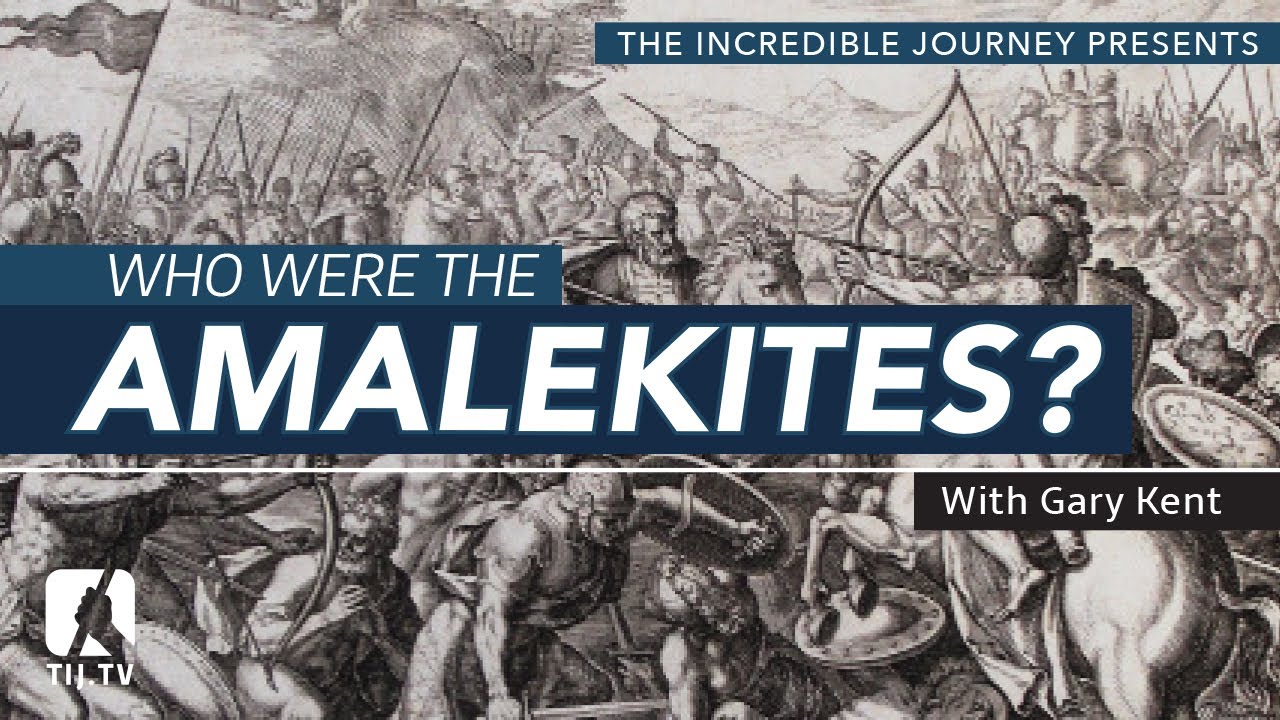
The first significant encounter between the Israelites and the Amalekites occurred at Rephidim, shortly after the Israelites fled Egypt. The Amalekites attacked the weak, straggling members of the Israelite community, showcasing their tactical approach to warfare (Exodus 17:8-16). This encounter led to the Israelites’ first victory under Joshua’s command, a key event that cemented their status as a formidable enemy.
The Amalekite Culture and Society
The culture of the **Amalekites** was primarily nomadic, relying on herding and raiding. This lifestyle influenced their interactions with neighboring tribes and others, including the Israelites. Their reputation as marauders impacted their relationships and shaped their historical narrative significantly.


Social Structure
The social structure of the *Amalekites* is somewhat vague, as much of what is known comes from biblical descriptions that focus on their conflicts rather than cultural practices. However, it is believed that they had a tribal society with a warrior elite. This warrior culture emphasized valor in battle and the importance of loyalty to one’s tribe.
Religious Beliefs
While specific details about their religious beliefs are sparse, it’s inferred that the *Amalekites* practiced polytheism, worshiping various deities associated with war and nature. Their opposition to the Israelites, who worshipped Yahweh, positioned them as a potent force of chaos and anarchy in biblical narratives.
Legacy and Symbolism of the Amalekites
Throughout history, the **Amalekites** have come to symbolize unrelenting opposition to divinely ordained purposes. Their role in biblical stories transcends mere historical context, reflecting a profound spiritual and ethical battle that resonates through ages. Understanding the legacy of the *Amalekites* is key to grasping theological concepts in Judaism and Christianity alike.
Theological Significance
In Jewish tradition, the fight against the *Amalekites* symbolizes the struggle against evil in the world. This fight represents a moral imperative to resist oppression and injustice. The *Amalekites* are often invoked in discussions surrounding ethical behavior and faithfulness to God’s commandments, emphasizing the call to remember and obliterate such influences.
Modern Interpretations
In contemporary discussions, the **Amalekites** continue to be referenced as a symbol of those who oppose justice and ethical conduct. This legacy can be seen in various cultural manifestations, reflecting the enduring impact of these ancient peoples. Yet, one must approach these interpretations with an understanding of historical context to avoid oversimplification.
Using Amalekites in Cultural Narratives
From literature to modern media, references to the *Amalekites* in cultural narratives help explore themes of conflict, morality, and perseverance. Their complex legacy can provide a rich backdrop for stories that delve into human nature and societal challenges.
Examples in Literature
Various authors and theologians have drawn on the *Amalekites* as a narrative device to explore moral dilemmas and the human condition. These explorations not only reveal the importance of historical context but also encourage readers to reflect deeply on current issues. By integrating such themes, creators can highlight the often universal struggles against adversity.
How Tools Enhance the Study of Amalekites
Exploring the *Amalekites* can benefit greatly from modern tools and resources. Here’s how you can enhance your understanding and study with complementary tools:
1. Educational Software
Utilizing educational software can broaden your understanding of ancient civilizations. For instance, programs like Khan Academy provide resources on history that can support your study of the *Amalekites*.
2. Archaeological databases
Using online archaeological databases, like Archaeology Magazine, can assist in finding excavation data linked to areas associated with the *Amalekites*.
- Extensive Resources: Access a wide range of articles and publications on ancient civilizations.
- Research Support: Provides critical insights into archaeological findings that relate to the *Amalekites*.
- Networking: Connect with researchers in the field for deeper engagement.
- Current Events: Stay updated on recent discoveries and their implications.
3. Visual Learning Tools
Platforms that offer visual aids, such as ThoughtCo, can enhance your retention of information related to the *Amalekites*. Visuals can make historical events more accessible.
4. Interactive History Applications
Utilize interactive applications like History.com to engage with timelines and maps relating to the periods of the *Amalekites*.
5. Documentary Streaming Services
Streaming services offer documentaries on ancient history, allowing viewers to witness the context of the *Amalekites* through expert narratives.
6. Online Discussion Forums
Participating in forums such as Reddit’s AskHistorians can provide valuable insights from history enthusiasts and experts regarding the *Amalekites*.
7. E-Book Platforms
E-books can provide in-depth studies on the *Amalekites*, giving detailed analyses and interpretations vital for a comprehensive understanding.
8. Social Media Groups
Engaging in social media groups focused on biblical studies or archaeology can help you find focused discussions and resources regarding the *Amalekites*.
- Community Engagement: Join discussions with like-minded individuals passionate about history.
- Diverse Perspectives: Gain insights from various interpretations and scholarly critiques.
- Resource Sharing: Access additional resources and texts shared by peers.
- Events and Webinars: Stay informed about online events related to historical studies.
9. Research Tools
Using research tools like Google Scholar helps in locating scholarly articles relating to the *Amalekites*, further deepening your exploration.
10. Academic Journals
Academic journals offer peer-reviewed articles that can provide groundbreaking research on the subject of the *Amalekites*.
Conclusion
While the **Amalekites** were a formidable adversary in biblical times, they also serve as a powerful symbol and a rich subject for exploration. By using modern tools and resources, one can delve deeper into their historical, cultural, and theological significance, gaining insights that resonate even today. Immerse yourself in the narrative of the *Amalekites* and discover the lessons they continue to teach.
